Voyah Courage Buyer Guide: 901 km Long-Range vs 650 km 5C Ultra-Fast-Charge
Comparing a 2024 Voyah Courage Long-Range Edition in green with a 2024 5C Ultra-Fast-Charge Edition in black, both photographed for this guide: why the two cars share a 230 kW rear motor, an 800-volt platform and a 2,900 mm wheelbase but differ in battery chemistry, capacity and charging speed, what 901 km CLTC with a 109 kWh NMC pack means against 650 km CLTC with a 79 kWh LFP pack and a 10-minute 20-80% charge, why the 5C advantage depends on 400 kW chargers that are rare outside China, what a used Courage must be inspected for, and how GB/T charging, battery shipping and homologation shape the export decision.
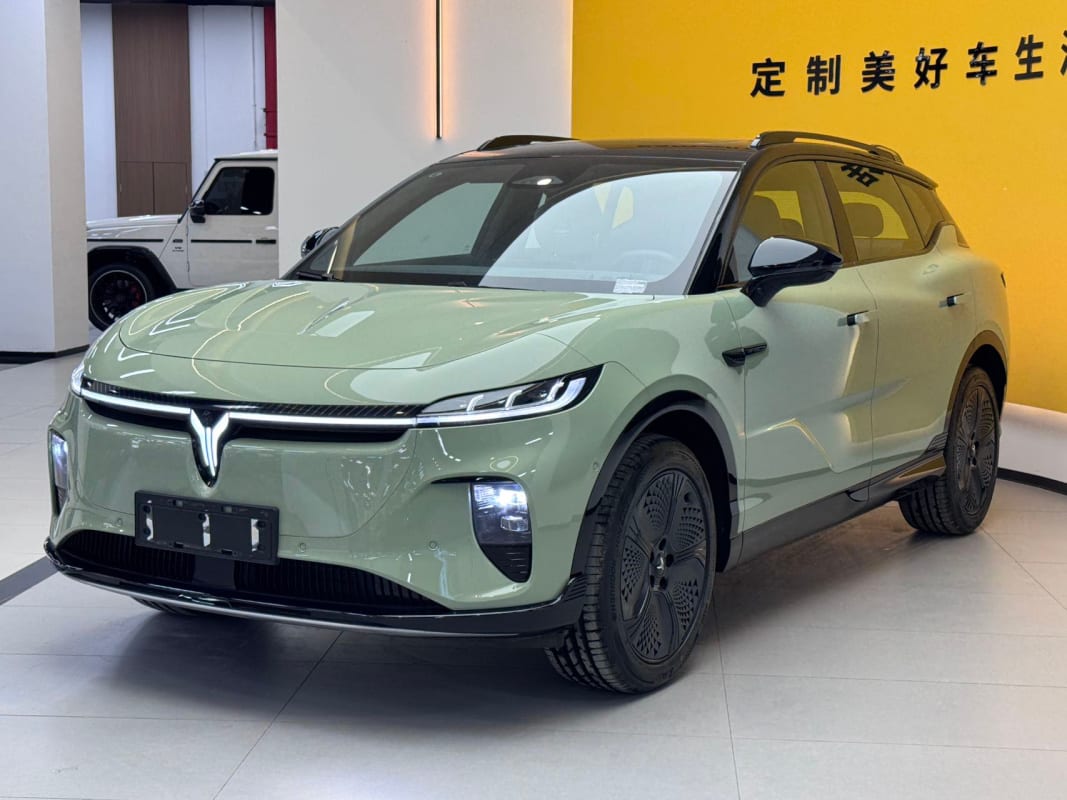
One SUV, Two Answers to Range Anxiety
The Voyah Courage is a mid-size pure-electric SUV from Dongfeng's premium new-energy brand. The 2024 model year offers the same body and the same motor with two very different battery strategies: a 109 kWh NMC pack for 901 km CLTC, or a 79 kWh LFP pack for 650 km CLTC with 5C ultra-fast charging.
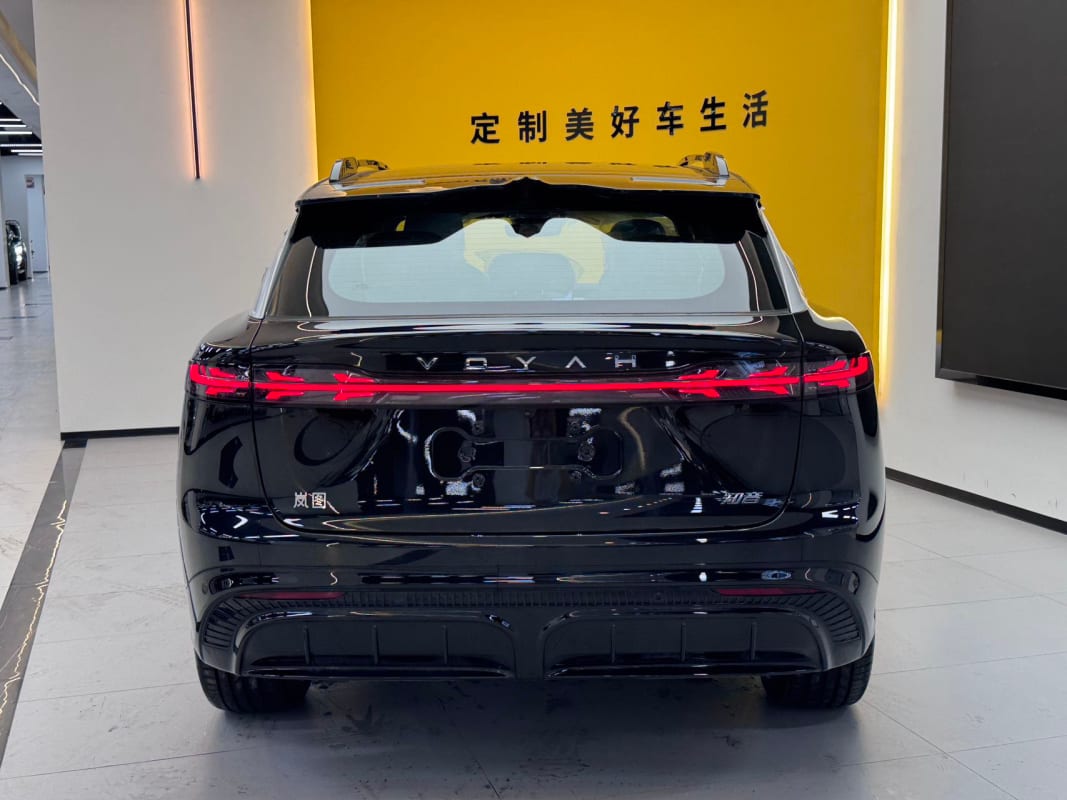
The two cars photographed for this guide are a 2024 Courage Long-Range Edition in green and a 2024 5C Ultra-Fast-Charge Edition in black. They share the 230 kW rear motor, the 800-volt silicon-carbide platform, the 2,900 mm wheelbase and the five-seat cabin. The difference is under the floor: chemistry, capacity, weight, charging curve and cold-weather behaviour.
For an export buyer, that difference is the whole decision. A 901 km range figure is useful in markets with long distances and sparse chargers. A 10-minute 20-80% charge is useful only where a 400 kW charger exists. The right choice depends on the destination's infrastructure, not on which number looks better on paper.
What Voyah and the Courage Are
Voyah is Dongfeng Motor's premium electric brand, launched in 2020 with the Free SUV and later expanded with the Dreamer MPV and the Passion sedan. The Courage is its mid-size five-seat SUV, positioned below the larger Free and aimed at families who want space, range and fast charging without a three-row body.
The Courage uses an 800-volt electrical architecture with silicon-carbide power electronics. The 2024 line-up included a 400-volt long-range base model and two 800-volt versions: the 109 kWh Long-Range Edition and the 79 kWh 5C Ultra-Fast-Charge Edition. A 2025 update added Huawei Qiankun ADS versions and other changes; the two cars here are the original 2024 specification, without the Huawei-branded assistance package.
The body is 4,725 mm long, 1,900 mm wide and 1,636 mm high on a 2,900 mm wheelbase, with a 527-litre boot that expands to 1,400 litres. Suspension is MacPherson at the front and multi-link at the rear. Kerb weight is around 2,099 to 2,145 kg depending on the battery.
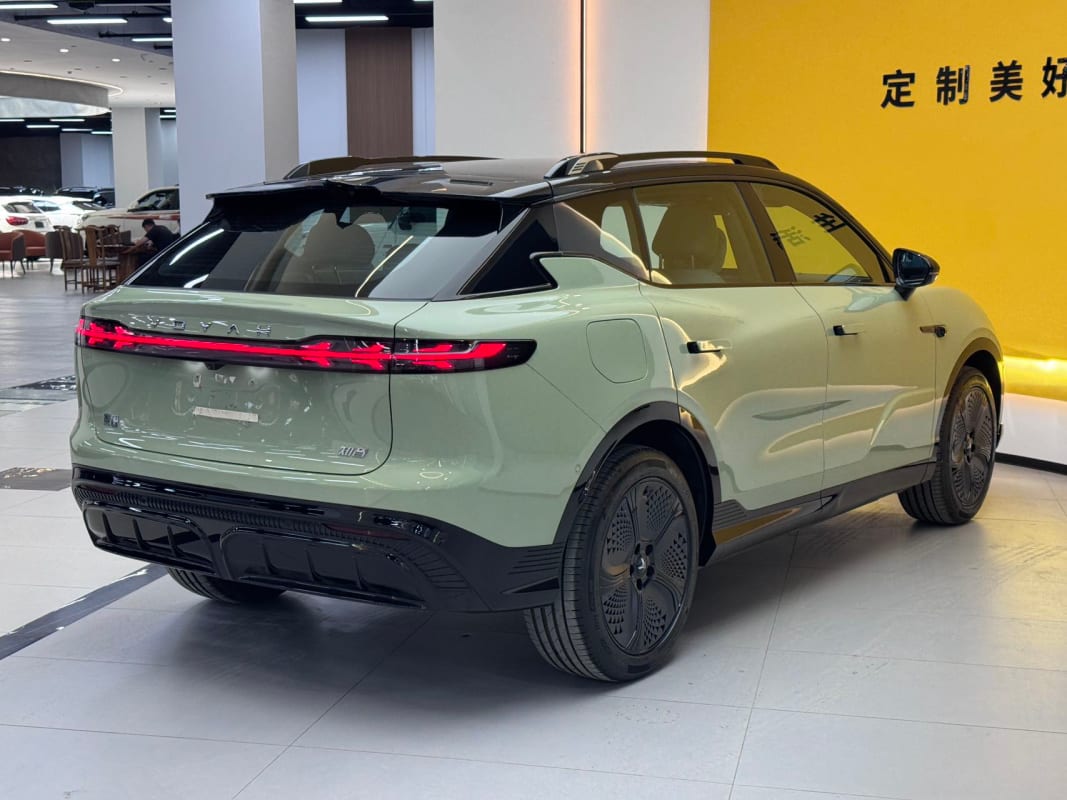
Shared Platform, Cabin and Equipment
Both cars use a single rear motor producing 230 kW and 395 Nm, a fixed-ratio gearbox and rear-wheel drive. Both quote 0-100 km/h in 6.8 seconds and a top speed of 204 km/h. The driving experience is therefore almost identical: smooth, quiet and quick enough, with the weight low in the body and the rear motor doing the work.
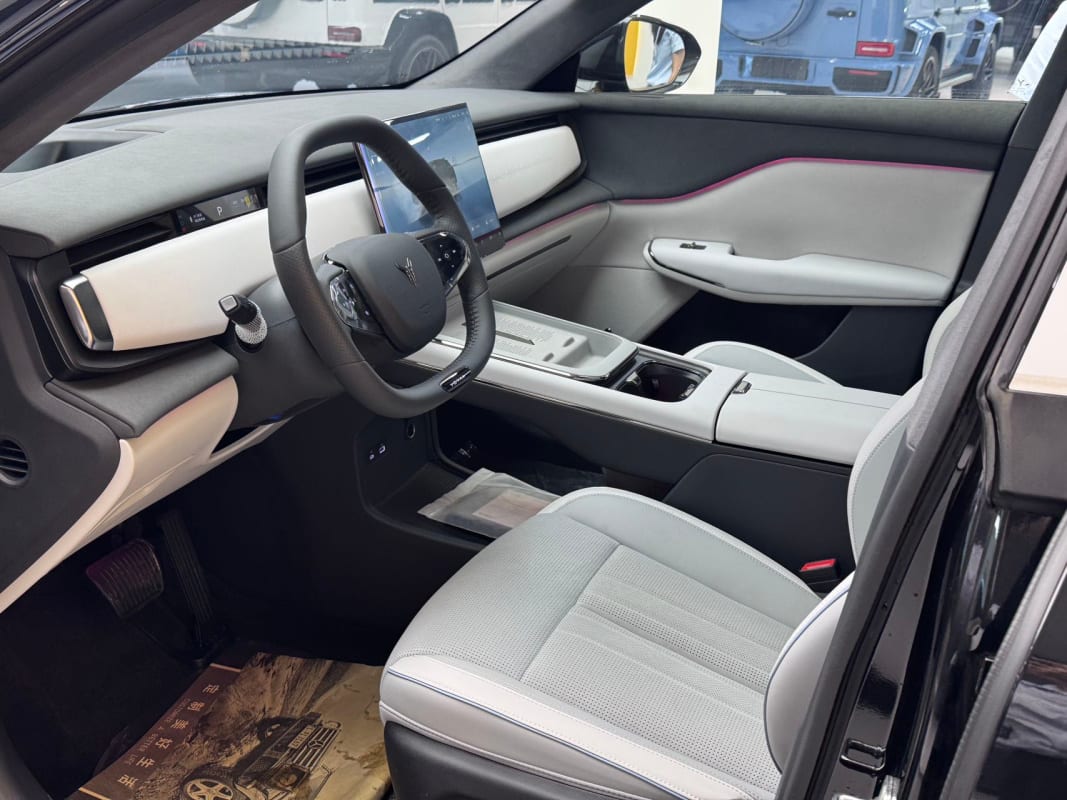
The cabin is modern and screen-led, with a large central touchscreen, a slim instrument display, a two-spoke steering wheel, a wireless charging pad and a clean centre console. The front seats are comfortable, the rear bench has adequate legroom and the boot is square and practical. The green car's light interior and the black car's darker cabin show the two available moods.
Both cars have the same structural and safety equipment, the same 800-volt platform and the same 6 kW vehicle-to-load function on the 800-volt versions. The differences are the battery, the charging curve, the weight and the software calibration that goes with each pack.
The 901 km Version: 109 kWh NMC
The Long-Range Edition uses a 109 kWh nickel-manganese-cobalt battery from CATL. Voyah quotes 901 km CLTC, consumption of about 13.6 kWh per 100 km, and a 20-80% DC charge in about 32.5 minutes on a suitable charger. It is an 800-volt car, but it is not the 5C pack.
The NMC chemistry gives high energy density, which is how the car carries 109 kWh without becoming unusably heavy. It also behaves differently from LFP in cold weather and at high states of charge. NMC packs generally offer better cold-weather range retention, but they are more expensive, more sensitive to abuse and more demanding on thermal management.
The 901 km figure is a CLTC laboratory number, not a real-world promise. Expect meaningfully less in mixed use, perhaps 600-700 km depending on speed, temperature, load and driving style, and less again in winter or at sustained highway speed.
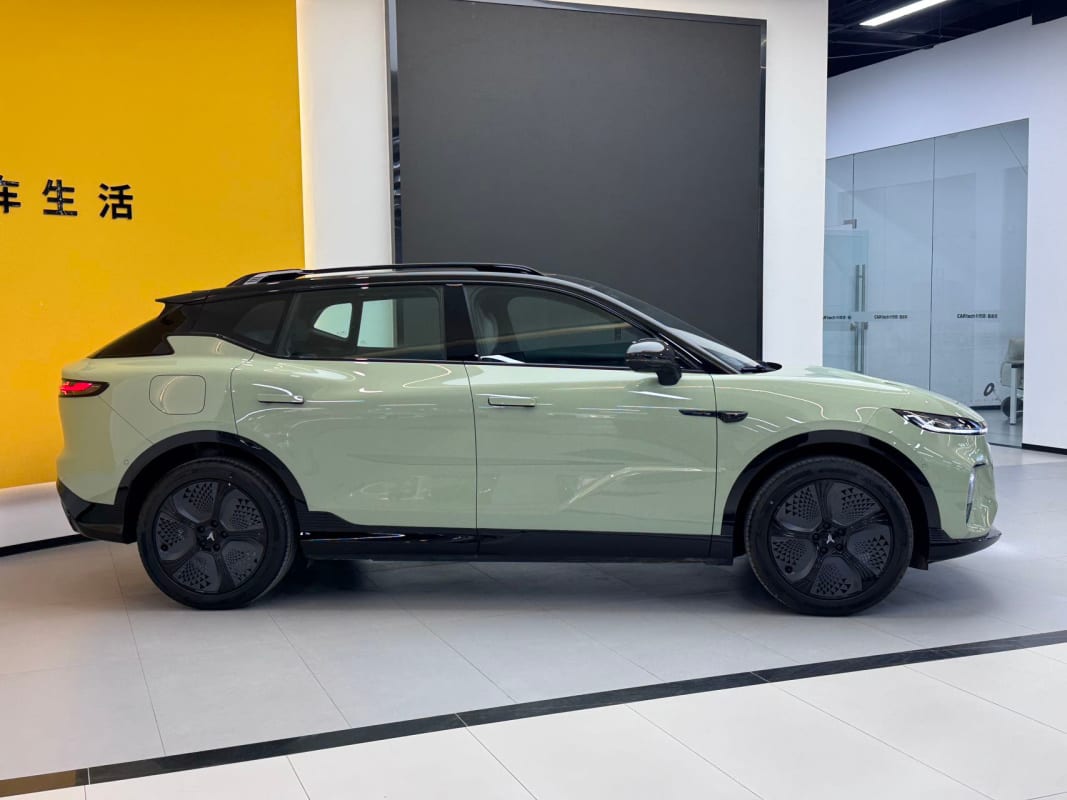
The 650 km Version: 79 kWh LFP and 5C
The 5C Ultra-Fast-Charge Edition uses a 79 kWh lithium iron phosphate battery in the configuration table; Voyah's 5C material quotes about 81 kWh, so confirm the exact pack by VIN. It quotes 650 km CLTC, consumption of about 13.8 kWh per 100 km, and a 20-80% charge in about 10 minutes on a charger that can supply the pack's 5C rate.
The LFP chemistry is cheaper, more tolerant of full charging and generally longer-lived in cyclic use. It is also heavier per kWh, which is why the 5C car carries less energy and has less range. Cold-weather performance is the traditional weakness of LFP, although modern thermal management has narrowed the gap.
The 5C claim is real only with the right charger. Voyah's own material links the 15-minute, 515 km addition to a charger of 400 kW or more. On a 120 kW or 180 kW charger, the 5C pack will still charge well, but it will not deliver its headline advantage. That matters enormously outside China, where 400 kW chargers are rare.
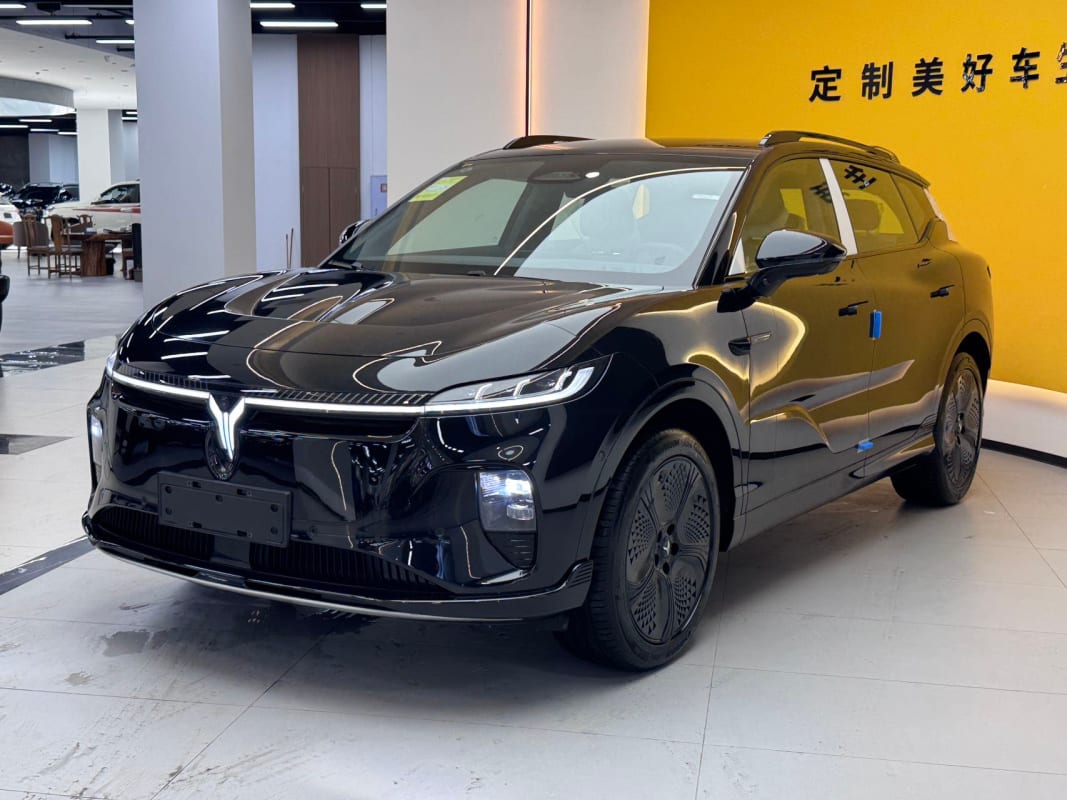
Range Versus Charging Speed: The Real Trade-Off
On paper, the choice looks simple: more range or faster charging. In practice, the answer depends on the journey.
A driver who regularly covers 500-700 km a day, crosses regions with sparse charging or lives in a cold climate will get more value from the 109 kWh NMC car. It needs fewer stops, has more reserve when a charger is broken or occupied and is less sensitive to winter. The extra weight and cost are the price of that flexibility.
A driver who mostly does 200-400 km a day, has reliable home or depot charging and uses corridors with high-power chargers will get more value from the 5C car. The smaller LFP pack is cheaper to replace, tolerant of daily full charging and, on a 400 kW charger, adds range faster than almost any rival.
The trap is buying the 5C car for a market without 5C infrastructure. If the best charger on the route is 120 kW, the 650 km LFP car charges at a normal speed and has less range than the NMC car. The headline advantage disappears.
Charging Standards and Export Reality
Chinese-market Courage cars use GB/T connectors; many export markets use Type 2, CCS2 or NACS. An adapter may solve some AC cases, but DC fast charging needs communication between car and charger. The 800-volt architecture adds another variable: some 400-volt chargers cannot deliver full power, and older DC units may not communicate correctly. Check the actual chargers in the destination. The 5C car is the more infrastructure-sensitive; the 109 kWh car depends less on peak power but still needs a working DC network.
What a Used Courage Inspection Must Cover
Battery health and charging. Ask for a battery state-of-health report from a Voyah or Dongfeng dealer, charge to 100% and test a DC fast charge. Check for cell imbalance, thermal-management faults, charging interruptions and unusual noise from the battery cooling system. On the 5C car, test on the highest-power charger available and compare the curve with the claim.
Battery pack and underbody. The pack is under the floor. Inspect the underbody for impact damage, scraped shields and coolant leaks. A hard impact can damage the pack or its cooling circuit without obvious body damage.
Software and assistance. Test every screen, camera, sensor, seat motor, window, lock and assistance function twice. Check the OTA status and the account region. The 2024 cars do not have the Huawei-branded assistance package of the 2025 update; confirm exactly what the car has.
Suspension, steering and brakes. Check bushes, ball joints, dampers and the rear multi-link for wear and leaks. Measure discs and pads, confirm the tyres match and inspect the repair kit. Regenerative braking reduces pad wear but does not eliminate it.
Body and cabin. Inspect panel gaps, paint match, the panoramic roof, the tailgate and the charging port. Check the seats, trim and carpets for water ingress and wear. The light interior of the green car shows dirt and dye transfer more readily.
History and identity. Match the VIN, model year, trim, battery capacity and motor to the documents. Verify the mileage against service records and check for rental, fleet or ride-hailing use, accident repair and battery replacement.
Export Paperwork and Homologation
Chinese-market Courage cars are left-hand drive, which suits many export destinations in principle. The practical barriers are charging standards, software regionalization, battery transport and homologation.
Lithium batteries are dangerous goods for transport. Expect to provide UN38.3 test summaries, material safety data sheets, a state-of-charge declaration and, for some routes, a reduced-SoC shipping requirement. RoRo and container shipping have different rules; confirm them with the forwarder before booking.
The car needs destination homologation as an electric vehicle. Some markets apply higher duties or registration taxes to electric cars, others offer incentives; the treatment can change with the battery chemistry and the country of origin. The China-made Courage may also face the EU's countervailing duties on new Chinese BEVs if it is imported into the EU as a new car, so confirm the customs classification and the applicable rate.
The export file should include the registration certificate, factory specification sheet, purchase invoice, export licence documentation, customs declaration, battery documents, service records and an independent inspection report, with photographs of the VIN plate, motor number and odometer.
Buyer Questions
Is 901 km realistic? No. CLTC is optimistic. Expect roughly 600-700 km in mixed real-world use, less in winter, at high speed or with a full load. The 650 km car is likely to deliver roughly 450-550 km in similar conditions.
Does the 5C car charge in 10 minutes anywhere? Only on a charger that can supply the pack's 5C rate, which Voyah links to 400 kW or more. On a 120 kW charger, it charges at a normal speed and loses its main advantage.
Is LFP or NMC better? LFP is cheaper, more tolerant of full charging and usually longer-lived; NMC has higher energy density and generally better cold-weather range. The choice depends on climate, charging habits and how long the car will be kept.
What is the biggest used-buying risk? Battery damage or degradation, charging incompatibility and software regionalization. A dealer battery health report and a real charging test are worth more than a short drive.
Next Step
Tell us which Courage you are considering and where it will be used — city transport, intercity fleet, ride-hailing or private car — and we will send the file for that specific unit: a full inspection report, battery health report, factory specification sheet, cold-start and charging video, close-ups of the battery pack, underbody and charging port, an honest assessment of the charging and homologation route in your country, and the export documents we hold. If you are deciding between the two cars in these photographs, say so: we will walk through the differences against your daily distance, your charging access and your climate.
Lexus LX Buyer Guide: 2019 LX 570 V8 vs 2022 LX 600 Twin-Turbo
Product Research Team
Range Rover Buyer Guide: 2019 Supercharged V6 vs 2022 Ingenium Inline-Six
Product Research Team
Land Rover Defender Buyer Guide: 2023 HSE vs 2025 X-Dynamic Black Compared
Product Research Team