Lexus LX Buyer Guide: 2019 LX 570 V8 vs 2022 LX 600 Twin-Turbo
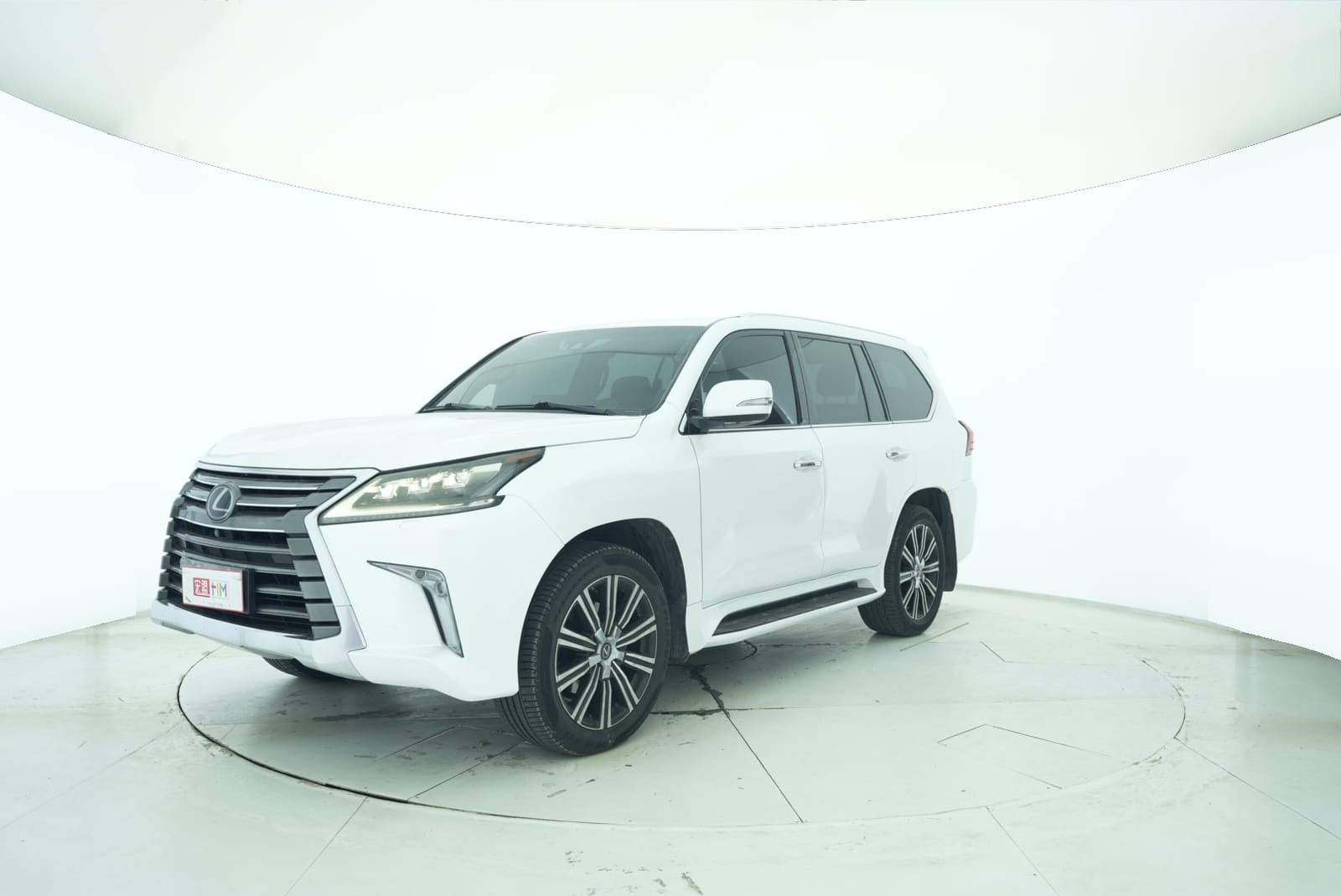
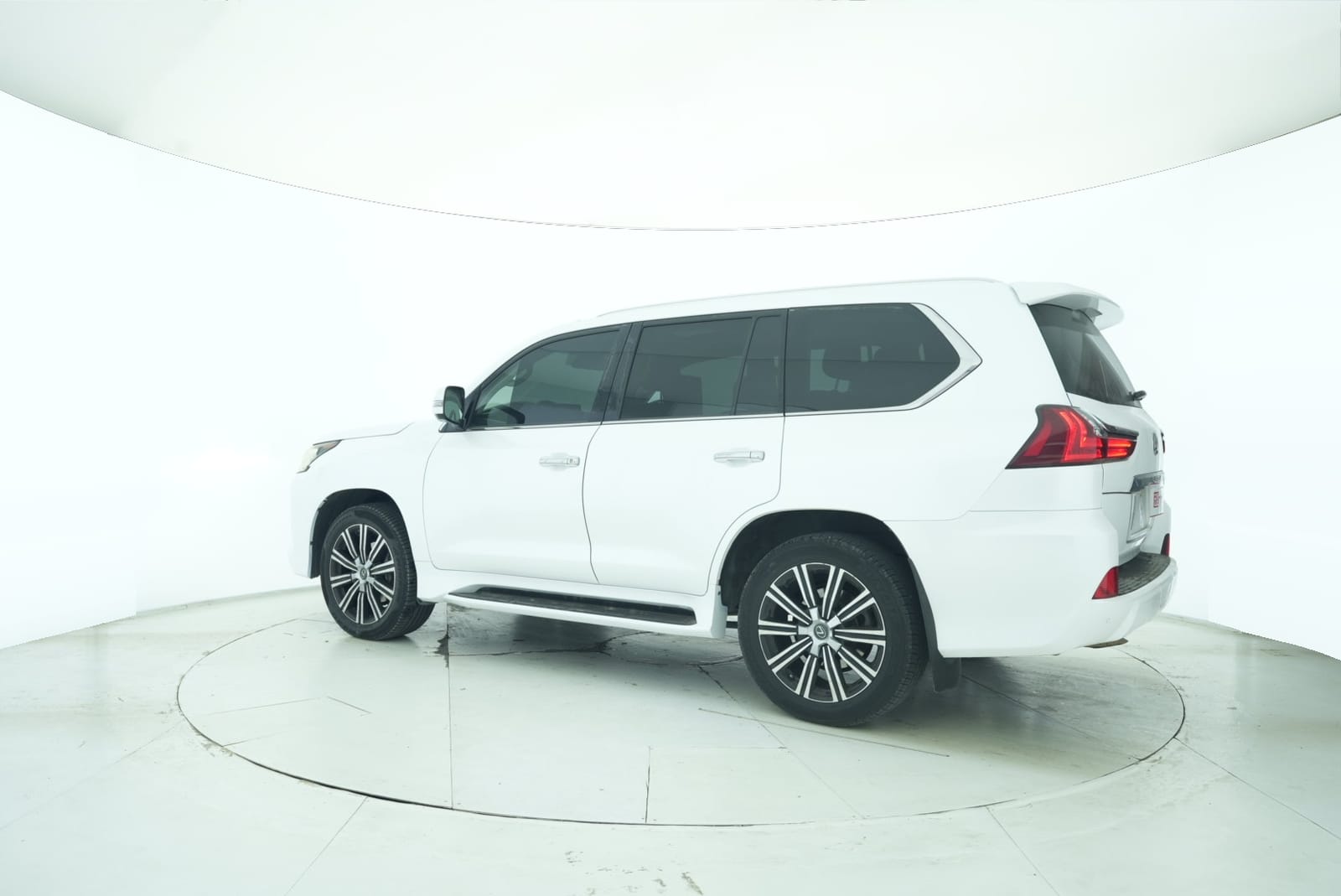
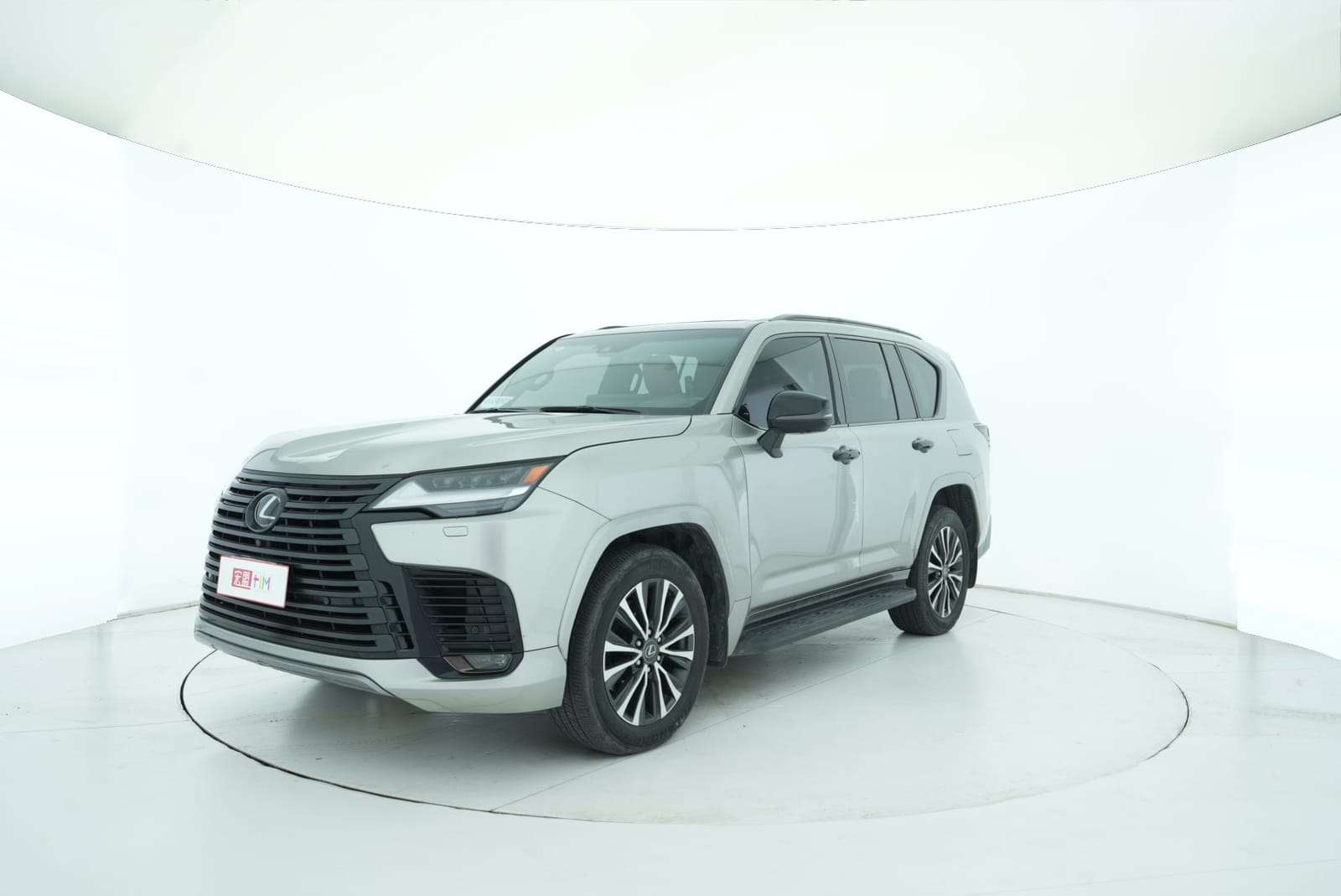
Comparing two body-on-frame Lexus flagships photographed for this guide — a 2019 LX 570 in white with the 5.7-litre V8, eight seats and a 93-plus-45-litre fuel system, and a 2022 LX 600 Luxury in grey with the 3.5-litre twin-turbo V6, ten-speed automatic and seven seats — what the 3UR-FE and new V6 deliver, how the GA-F platform changes the driving and servicing equation, why the V8 is simpler but thirstier, what a used LX must be inspected for, and how emissions, service support and destination rules shape export.
Toyota's Flagship SUV, Before and After the V8
The Lexus LX has always been the luxurious twin of the Toyota Land Cruiser: a body-on-frame, full-time four-wheel-drive wagon built for deserts, bad roads and long distances, finished to a standard that most utility SUVs never reach. For two decades, the formula included a big V8. The LX600 changed that.
The two cars photographed for this guide mark the transition. The first is a 2019 Lexus LX 570, white, with the 5.7-litre V8, an eight-speed automatic and an eight-seat cabin. The second is a 2022 Lexus LX 600 Luxury, US specification, grey, with the 3.5-litre twin-turbo V6, a ten-speed automatic and a seven-seat cabin. They share a 2,850 mm wheelbase and a ladder-frame philosophy, but almost everything under the bonnet and inside the cabin has changed.
Where the LX Sits in Toyota's Line-Up
The LX began in 1996 as the LX 450, a rebadged Land Cruiser 80 with a Lexus interior. The LX 470 followed in 1998, and the LX 570 arrived in 2007 on the J200 platform, with facelifts in 2012 and 2015. The LX 600 launched for 2022 on the new GA-F architecture shared with the J300 Land Cruiser.
That family relationship matters. The LX is not a car-based crossover: it retains a separate frame, a two-speed transfer case, a Torsen-type centre differential and genuine low-range gearing. Nor is it simply a Land Cruiser with a different badge — Lexus fits different suspension tuning, sound insulation, seats, trim and electronics, aiming it as much at executive transport as at expedition work.
Three generations overlap in the used market:
- The LX 470 (1998–2007) is the older 4.7-litre V8 car, now a niche classic.
- The LX 570 (2007–2021) is the 5.7-litre V8 car covered here.
- The LX 600 (2022 onward) uses a twin-turbo V6 and the GA-F platform.
The 2019 LX 570 in these photographs is the late third-generation model with the spindle grille and eight seats; the 2022 LX 600 is the fourth generation, with a new body, interior and powertrain.
Engines: 5.7 V8 Against 3.5 Twin-Turbo V6
The LX 570 uses the 3UR-FE, a 5.7-litre naturally aspirated V8 producing 367 PS (270 kW) and 530 Nm, driving through an eight-speed automatic and full-time four-wheel drive. Its strength is low and mid-range torque, smoothness and a long record in Land Cruisers and LXs in the Gulf, Australia and Russia.
The LX 600 uses a 3.5-litre twin-turbo V6 producing 409 hp and 479 lb-ft, about 650 Nm, through a ten-speed automatic. It makes more power and substantially more torque than the V8, with better efficiency, and it is the engine that replaced the V8 across Toyota's large body-on-frame range.
The practical difference: the V8 is mechanically simple, well understood by independent workshops and tolerant of poor conditions, but thirsty. The twin-turbo V6 is stronger and more efficient, but adds turbochargers, cooling hardware and electronics. Both need good fuel and regular servicing; the V6's turbos make clean oil and proper warm-down discipline more important.
Official consumption for the Chinese-market LX 570 was quoted around 14.7 litres per 100 km on the NEDC cycle. The LX 600 improves on that in US testing, but both are heavy vehicles and real-world consumption will be high in city driving, hot climates and with a full load.
Chassis, Capability and Suspension
Both cars use a ladder frame and permanent four-wheel drive with low range. The LX 570's Chinese specification lists 230 mm of ground clearance, and the model has long been rated for serious off-road use, with traction control, crawl control and multi-terrain systems on later versions. The LX 600 continues on the GA-F platform with a 2,850 mm wheelbase and standard full-time four-wheel drive.
Suspension specification varies by trim and market. Some LX 570s have Active Height Control and Kinetic Dynamic Suspension Systems; the LX 600 offers related systems on higher grades, while other versions use conventional setups. The US-specification Luxury grade in these photographs is a high trim with 22-inch forged wheels and semi-aniline leather, so it should not be treated as a basic workhorse.
Towing is market-rated: the LX 600 Luxury is listed at up to 8,000 lb in the United States, roughly 3.6 tonnes. The LX 570's rating varies by market. Confirm the figure on the specific vehicle rather than assuming the two are interchangeable.
The Two Cars Compared
The 2019 LX 570 is an eight-seat vehicle: three rows, a 93-litre main tank plus a 45-litre auxiliary tank in Chinese specification, and a body 5,070 mm long, 1,980 mm wide and 1,910 mm high, with a kerb weight around 2,800 kg. It is a big, heavy, comfortable SUV with a proven powertrain and a cabin that prioritises durability over the latest screens.
The 2022 LX 600 Luxury is a seven-seat vehicle with a more modern interior, 22-inch forged wheels, semi-aniline leather and a 25-speaker Mark Levinson audio system in US specification. It is roughly the same size, but it feels like a different generation in ride, refinement and technology.
For a buyer, the LX 570 offers mechanical familiarity and a huge fuel capacity for remote work. The LX 600 offers more performance, better efficiency and a more modern cabin, with the caveat that the twin-turbo engine and newer electronics are more complex to service outside a Lexus or Toyota network.
Living With It
Both are large, heavy SUVs with light steering and a commanding driving position. The LX 570 rides like a traditional luxury body-on-frame wagon: soft, quiet and deliberate. The LX 600 is more composed and responsive, with a powertrain that makes its weight less obvious.
The LX 570's eight-seat layout suits large families, crew transport and VIP shuttles, while the LX 600 Luxury's seven-seat layout and high-grade trim suit executive and family use. Both have proper third-row seating, though adults will prefer the first two rows on long journeys.
Running costs are significant. The V8 consumes a lot of fuel, the V6 needs careful servicing, and tyres on the LX 600's 22-inch wheels are expensive. In markets without a Lexus dealer, a Toyota or Land Cruiser specialist is often the practical alternative, because much of the architecture is shared.
What a Used LX Inspection Must Cover
Frame and underbody. The ladder frame is the foundation. Check the rails, body mounts, crossmembers and rear axle for rust, impact damage and fresh underseal. On a desert or coastal car, look for corrosion and sand or salt ingress.
V8 engine. Check for oil leaks at the cam covers, timing covers and sump, coolant leaks at the radiator, hoses and water pump, and listen for unusual noise on cold start. Verify the service history, oil specification and cooling system condition, particularly in hot climates.
Twin-turbo V6. Check for coolant and oil leaks, listen for abnormal turbo or wastegate noise, scan for stored faults and confirm the oil and service history. Turbocharged engines are less forgiving of neglected oil and overheating than the old V8.
Transmission and driveline. Test both automatics for smooth shifts hot and cold, delayed engagement and shudder. Check the transfer case in high and low range, listen for differential whine and inspect the prop shafts and CV boots.
Suspension and height systems. On cars with height control or kinetic suspension, check the hydraulic hardware, accumulators, links and air springs for leaks and correct operation. On conventional setups, inspect bushes, ball joints, dampers and rear springs.
Brakes, tyres and body. Measure discs and pads, confirm all tyres match, and check the spare. Inspect panel gaps, paint match and accident repair, especially around the aluminium-intensive panels and plastic trim. On the LX 600, price the 22-inch tyres before purchase.
Electronics and history. Test every screen, camera, sensor, seat motor, climate zone, tailgate and driver-assistance feature. Match the VIN to the registration certificate and build sheet, confirm the emissions class and market specification, and review the service history and previous use.
Export Paperwork and Who the Car Suits
All Chinese-market LX models are left-hand drive, which suits the Middle East, Central Asia, Africa, Russia and Latin America in principle. Eligibility depends on the destination's emissions and registration rules. The export file should include the registration certificate, factory specification sheet, purchase invoice, export licence documentation, customs declaration, service records and an independent inspection report, with photographs of the VIN plate, engine number and odometer.
The LX 570 suits buyers who want a proven V8, eight seats, a large fuel system and a vehicle that independent workshops can maintain far from a dealer. The LX 600 suits buyers who want the newer platform, more power and a more modern cabin, and who can support its electronics and turbocharged engine. Neither is a low-cost purchase, and buyers should not expect Land Cruiser parts pricing on Lexus-specific trim and electronics.
Buyer Questions
Is the LX just a Land Cruiser with a Lexus badge? It shares the frame and much of the mechanical architecture with the Land Cruiser, but Lexus changes suspension tuning, sound insulation, interior, equipment and electronics. It is a luxury derivative, not a simple rebadge.
570 or 600? The 570 is the proven, simpler V8 with eight seats and a large fuel system. The 600 is faster, more efficient and more modern, with a twin-turbo V6 and more complex systems.
Which is more reliable? The V8 has the longer and simpler record. The twin-turbo V6 is strong but newer and more complex, so condition and service history matter more than the badge.
Are they proper off-road vehicles? Yes. Both have a ladder frame, permanent four-wheel drive and low range. They are not soft-roaders, though high-grade wheels and trim make rough use expensive.
Can a Chinese-market LX be used in my country? Mechanically yes, subject to emissions and registration rules. Infotainment language, navigation and connected services are the main localisation issues, and Lexus dealer support may be limited.
What is the biggest inspection risk? Frame and underbody condition, air or height-suspension faults on equipped cars, and incomplete service history on a complex, expensive powertrain.
Next Step
Tell us which LX you are considering and how it will be used — family, executive transport, desert touring or fleet — and we will send the file for that specific car: the full inspection report, factory specification sheet, cold-start and driving video, close-ups of the frame and suspension, an honest assessment of the emissions and registration route into your market, and the export documents we hold. If you are choosing between the 2019 LX 570 and the 2022 LX 600, say so, and we will compare their condition and equipment rather than their model-year labels.

Range Rover Buyer Guide: 2019 Supercharged V6 vs 2022 Ingenium Inline-Six
Product Research Team
Land Rover Defender Buyer Guide: 2023 HSE vs 2025 X-Dynamic Black Compared
Product Research Team
Volkswagen Tiguan L Buyer Guide: 2018 vs 2022 Facelift Compared
Product Research Team