Range Rover Buyer Guide: 2019 Supercharged V6 vs 2022 Ingenium Inline-Six
Comparing two white L405 Range Rovers photographed for this guide — a 2019 3.0 V6 Supercharged HSE in US specification, and a 2022 3.0 L6 360PS with Ingenium inline-six and 48-volt mild hybrid — what the aluminium monocoque, air suspension and permanent four-wheel drive deliver, how the engine change reshaped the final L405s, why air suspension is the main ownership risk, what a used example must be inspected for, and how emissions, service support and destination rules shape export.
Same Body, Two Very Different Engines
The fourth-generation Range Rover, known internally as L405, spent almost a decade as the default answer to "the best luxury SUV". Launched in 2012 and sold until the L460 arrived in 2022, it combined an aluminium monocoque, air suspension and permanent four-wheel drive with a cabin that could be a boardroom or a family wagon.
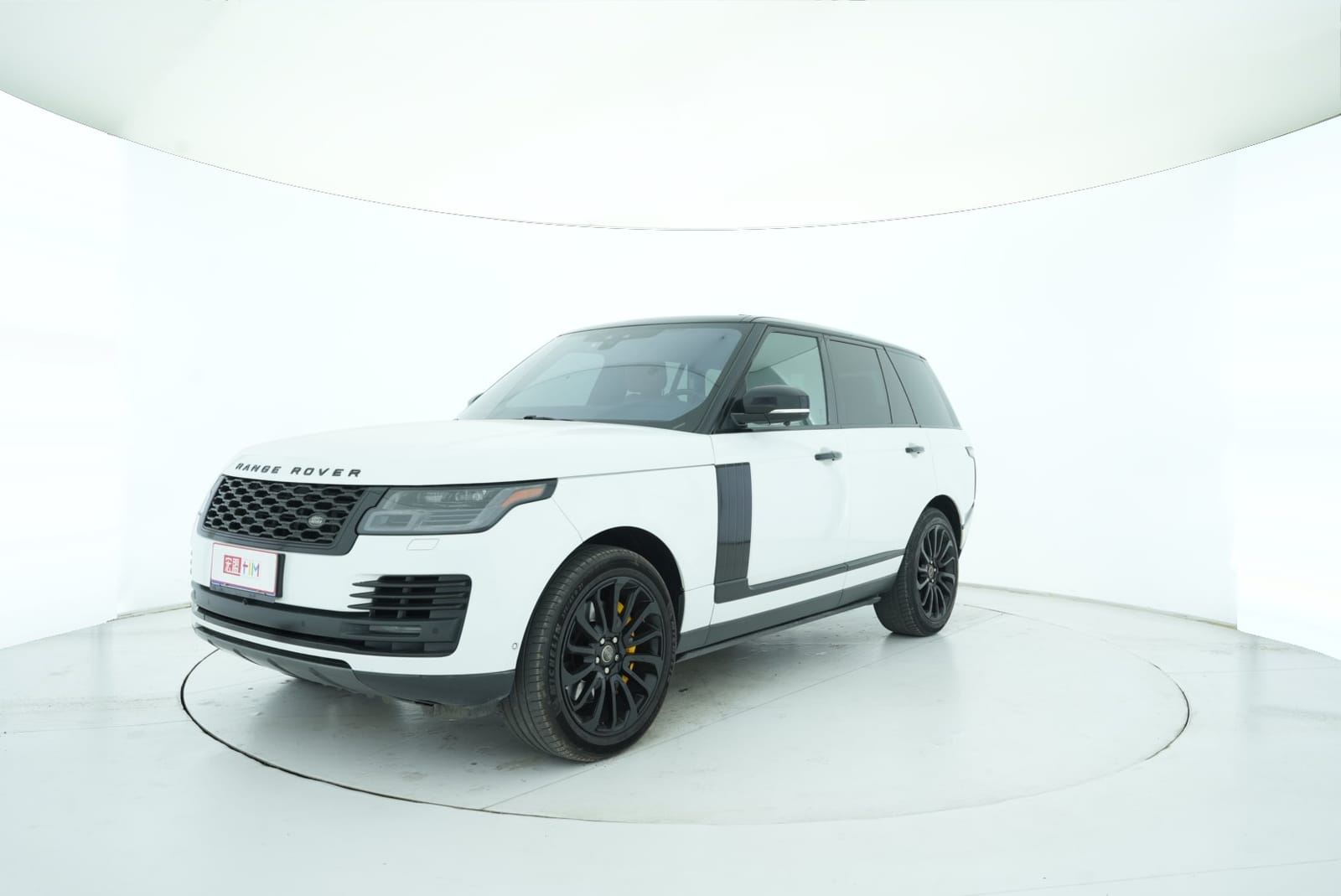
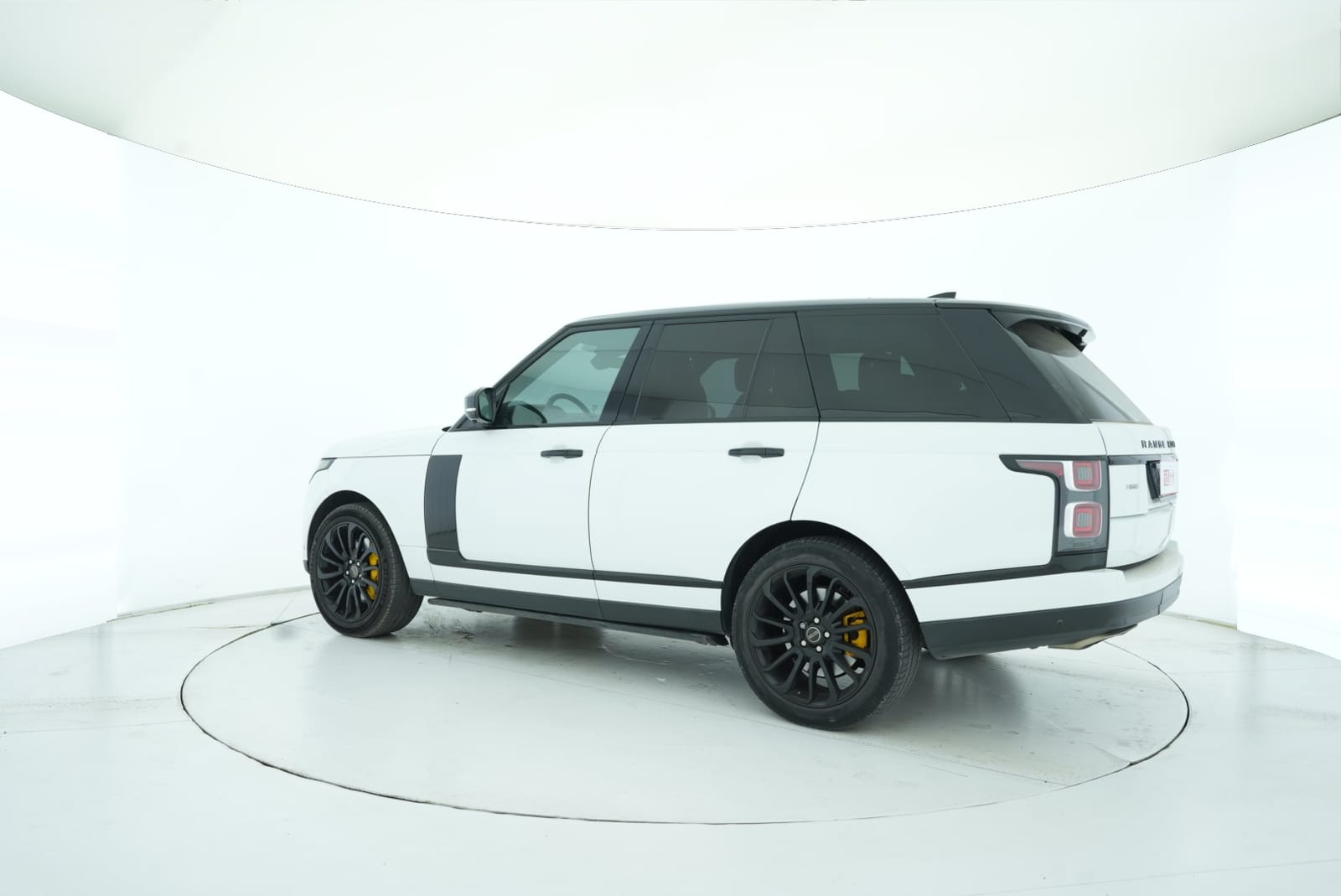
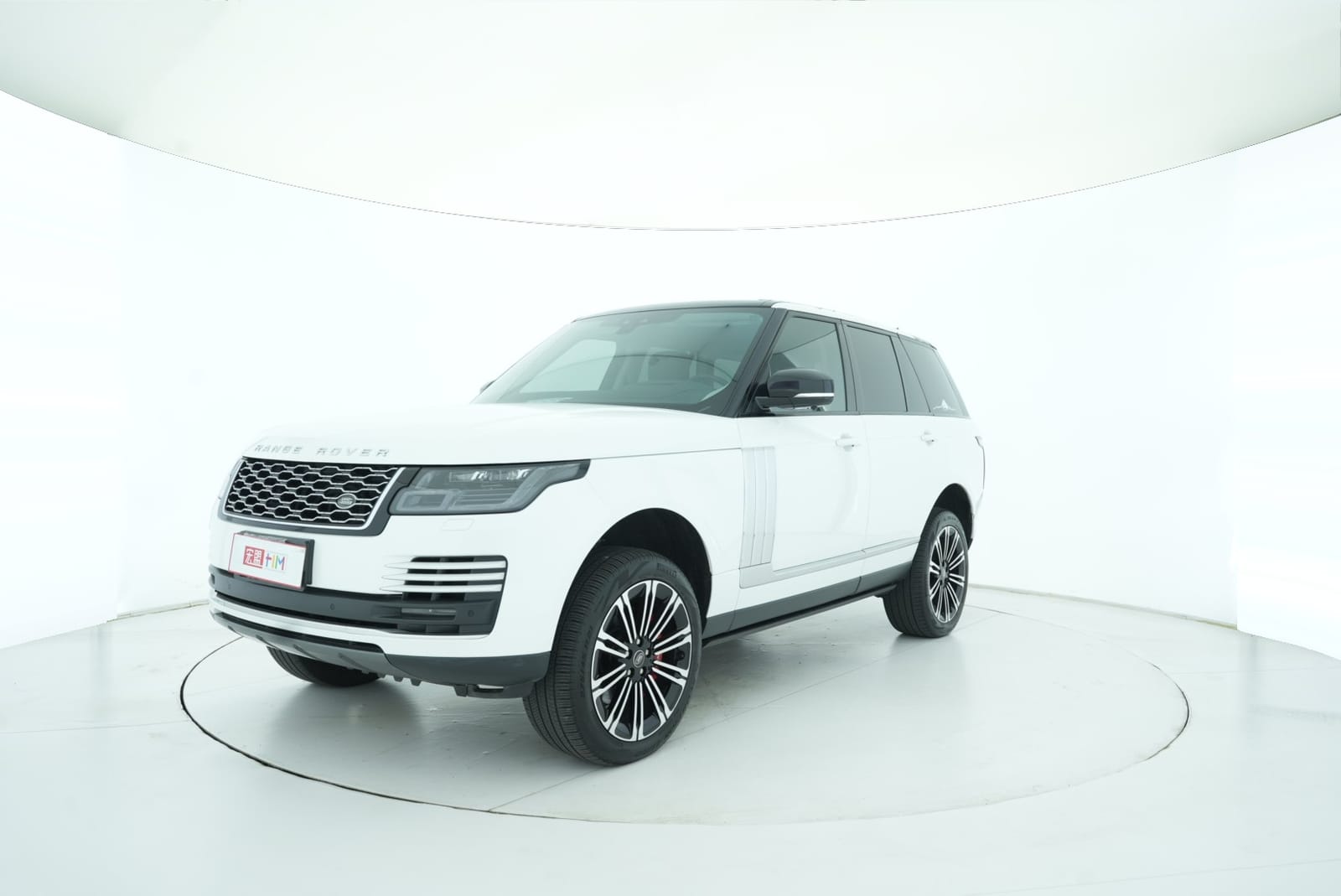
The two cars photographed for this guide are both white L405s, but they sit on opposite sides of an important engine change. The first is a 2019 Range Rover 3.0 V6 Supercharged HSE, US specification, white, with the older supercharged V6 and black wheels. The second is a 2022 Range Rover 3.0 L6 360PS, white, one of the last L405s, powered by the Ingenium inline-six with 48-volt mild-hybrid assistance. Comparing them tells you almost everything about how Land Rover modernised this car before replacing it.
Where the L405 Sits in the Range Rover Story
The original Range Rover of 1970 created the luxury SUV segment. The L322 (2002–2012) made it more road-focused and more luxurious. The L405 (2012–2021/22) was the first to use an all-aluminium monocoque, cutting weight significantly and allowing the modern combination of air suspension, Terrain Response and high-speed refinement. The L460 (2022 onward) is a clean-sheet replacement with a different body, interior and electrical architecture.
For used buyers, three points matter:
- The L405 received a substantial facelift for the 2018 model year, including new front and rear styling and the Touch Pro Duo infotainment with dual touchscreens.
- Late L405s switched from the supercharged V6 to the Ingenium 3.0-litre inline-six with mild-hybrid assistance.
- The 2022 model year overlaps the end of the L405 and the start of the L460, so a "2022 Range Rover" can be either generation — always check the body, not just the badge.
The car also comes in standard and long wheelbase. The standard-wheelbase L405 has a 2,922 mm wheelbase; long-wheelbase versions add rear legroom and are popular for chauffeur use. Both photographed cars are standard-wheelbase, five-seat bodies.
Engines: Supercharged V6 Against Mild-Hybrid Inline-Six
The 2019 car uses the 3.0-litre supercharged V6, an engine with a long Jaguar Land Rover history. In this HSE specification it produces about 380 PS and 450 Nm, driving through an eight-speed ZF automatic and permanent four-wheel drive. It is smooth, flexible and well understood, with strong low-end response and a characterful supercharger whine.
The 2022 car uses the Ingenium 3.0-litre inline-six with 48-volt mild-hybrid assistance, rated at 265 kW (360 PS) and 495 Nm. On paper it makes slightly less power than the V6 but more torque, and in practice it is the more modern and more efficient engine. Official figures give 0–100 km/h in about 6.9 seconds for this L6 version.
The inline-six has twin-charging — a turbocharger plus an electric supercharger — which improves throttle response and reduces lag. The mild-hybrid system smooths the stop-start and recovers energy under braking. It does not offer electric-only driving.
Both engines require premium fuel and are matched to the eight-speed automatic. The V6 is the more familiar engine to independent workshops; the inline-six is the more advanced one, with more electronics and a mild-hybrid system that must be checked on any used example.
Chassis and Capability
Both cars use the aluminium monocoque, independent suspension and air springs that define the L405 driving experience. The air suspension adjusts ride height for access, motorway driving and off-road work, and it is one of the main reasons the car feels so composed.
Permanent four-wheel drive, a two-speed transfer case and Terrain Response allow genuine off-road use. Land Rover quotes wading depth up to 900 mm for the L405 and braked towing capacity of up to 3,500 kg in many markets; confirm the rating on the specific vehicle and market.
The L405 is a big car in every dimension: about 5.0 metres long, with a 2,922 mm wheelbase and a kerb weight well above two tonnes. It is quiet, stable and comfortable, but it is not a small vehicle to park or to thread through narrow streets.
The Two Cars Compared
The 2019 HSE has the older drivetrain but the facelifted body and dual-screen cabin. Its listing describes it as a US-specification car, which matters for equipment, lighting and emissions certification rather than for the fundamental mechanical package. The black wheels and yellow brake calipers give it a more aggressive appearance than the standard silver finish.
The 2022 L6 360PS is one of the final L405s. It has the Ingenium engine, the mild-hybrid system and the later software calibration, but the same body, same wheelbase and the same basic interior architecture. For a buyer, this is the more modern and efficient choice, with the caveat that the inline-six and its 48-volt system add complexity.
The choice between them is therefore not about which is the better car in absolute terms. The V6 car offers proven, well-understood mechanicals; the L6 car offers newer technology and better efficiency. Condition, service history and emissions certification will decide most real purchases.
Living With It
The Range Rover is a luxury vehicle first and an off-road vehicle second, even though its off-road numbers are serious. The cabin is quiet, the seats are excellent, and the air suspension filters out poor surfaces. The driving position is high, the steering is light, and the car is easy to place on the road despite its size.
Running costs are high. Tyres and brakes are expensive, fuel consumption is substantial, and the air suspension, infotainment and driver-assistance systems require specialist servicing. In markets without a Land Rover dealer, an independent specialist with the right diagnostic equipment is essential.
Buyers should also check what the infotainment and connected services do outside China. Language settings, navigation maps, SIM-dependent services and over-the-air updates may not work in the destination country.
What a Used L405 Inspection Must Cover
Air suspension. This is the most important system to test. Check the compressor for noise and excessive running, the valve block for leaks, the height sensors and the air springs. Cycle through all ride heights and look for uneven corners or a car that sinks overnight.
V6 engine (2019 car). Check for oil leaks at the cam covers, timing covers and sump, coolant leaks around the water pump and thermostat housing, and listen for timing-chain noise on cold start. Verify the supercharger and its drive, and scan for stored faults.
Inline-six and 48-volt system (2022 car). Check the 48-volt battery, belt starter-generator and DC-DC converter, look for coolant and oil leaks, and read fault codes. The mild-hybrid system is reliable when maintained, but it adds parts that can be expensive to replace.
Transmission and driveline. The ZF eight-speed should shift smoothly hot and cold. Test the transfer case in high and low range, listen for differential whine, and inspect prop shafts and CV boots. Confirm the fluid service history.
Structure and body. Aluminium resists rust but is expensive to repair. Check panel gaps, paint match and paint thickness, inspect the underbody and skid plates for off-road damage, and examine the towbar and rear door for wear.
Electronics and cabin. Test both screens, every camera, sensor, window, mirror, seat function, terrain mode and driver-assistance feature. Verify that the infotainment can be set to the buyer's language and that any connected services are usable in the destination.
History and identity. Match the VIN to the registration certificate and build sheet, confirm the emissions class and market specification, check for accident repair and outstanding recalls, and review the service history and previous use.
Export Paperwork and Who the Car Suits
All Chinese-market Range Rovers are left-hand drive, which suits the Middle East, Central Asia, Africa, Russia and Latin America in principle. Eligibility depends on the destination's emissions and registration rules. The export file should include the registration certificate, factory specification sheet, purchase invoice, export licence documentation, customs declaration, service records and an independent inspection report, with photographs of the VIN plate, engine number and odometer.
The L405 suits buyers who want a refined, capable luxury SUV and can support its running costs. The V6 is a good choice where an independent workshop already knows the supercharged engine; the L6 is better for buyers who want the newer technology and can access Land Rover diagnostics. Neither is a low-cost fleet vehicle, and buyers should not expect Land Cruiser-level parts availability.
Buyer Questions
Is the L405 still worth buying used? Yes, if the air suspension and service history are sound. It remains a very refined and capable luxury SUV, with much lower purchase prices than the L460.
V6 or inline-six? The V6 is simpler and familiar to independent workshops; the inline-six is more modern, more efficient and more complex. Choose based on condition and local support.
Is air suspension a dealbreaker? Not by itself, but it is the main ownership risk. A full test and a repair budget are essential.
What is the difference between a 2019 and a 2022 L405? The body is the same generation; the main change is the engine, from supercharged V6 to Ingenium inline-six mild hybrid, plus software and trim updates.
Can a Chinese-market Range Rover be used in my country? Mechanically yes, subject to emissions and registration rules. Infotainment language, navigation and connected services are the main localisation issues.
What is the biggest inspection risk? Air suspension faults, accident repair hidden by fresh paint, and incomplete service history on a car with expensive electronics.
Next Step
Tell us which Range Rover you are considering and how it will be used — family, executive transport, long-distance touring or fleet — and we will send the file for that specific car: the full inspection report, factory specification sheet, cold-start and driving video, close-ups of the air suspension and body, an honest assessment of the emissions and registration route into your market, and the export documents we hold. If you are choosing between the 2019 V6 and the 2022 inline-six, say so, and we will compare their condition and equipment rather than their model-year labels.
Lexus LX Buyer Guide: 2019 LX 570 V8 vs 2022 LX 600 Twin-Turbo
Product Research Team
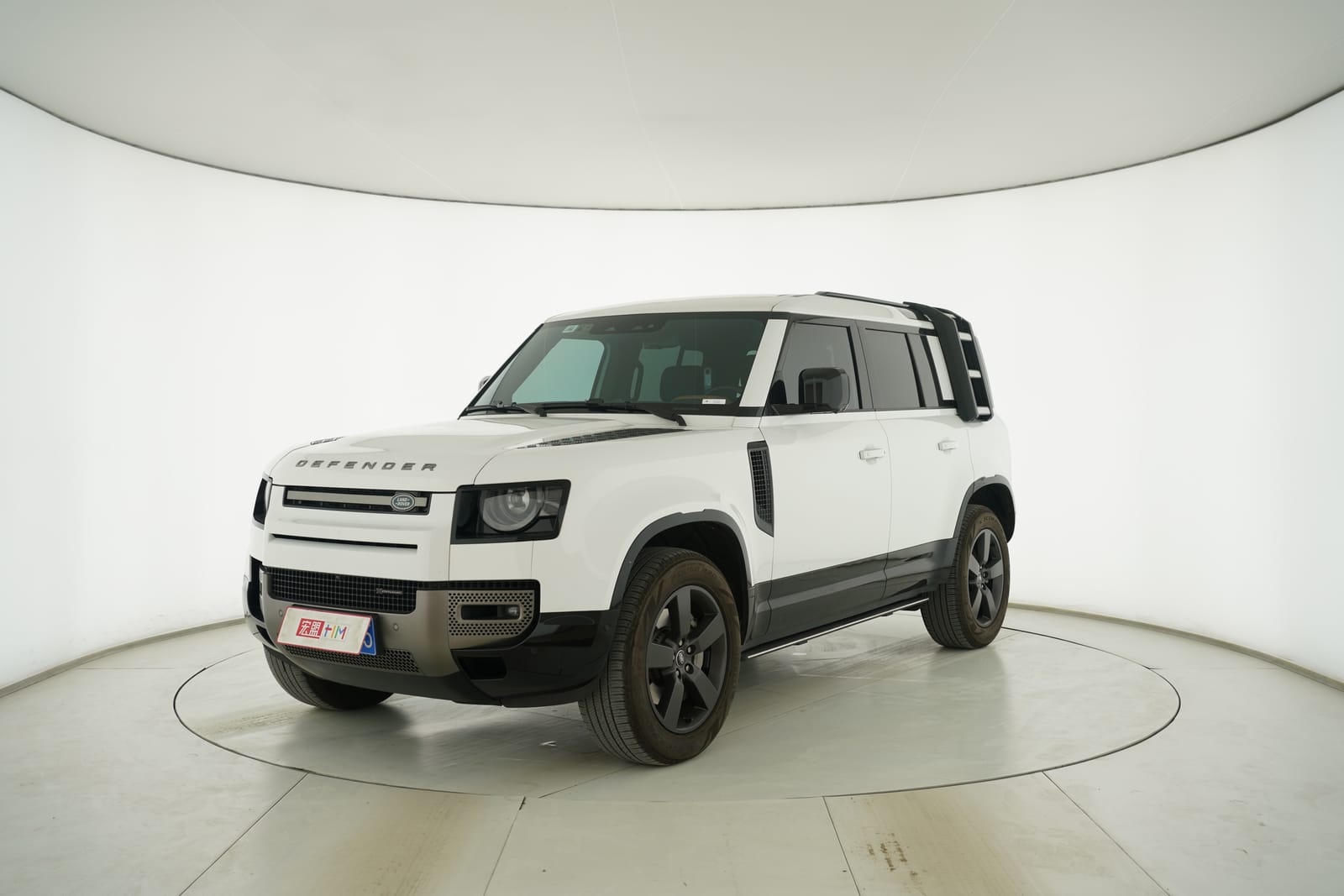
Land Rover Defender Buyer Guide: 2023 HSE vs 2025 X-Dynamic Black Compared
Product Research Team
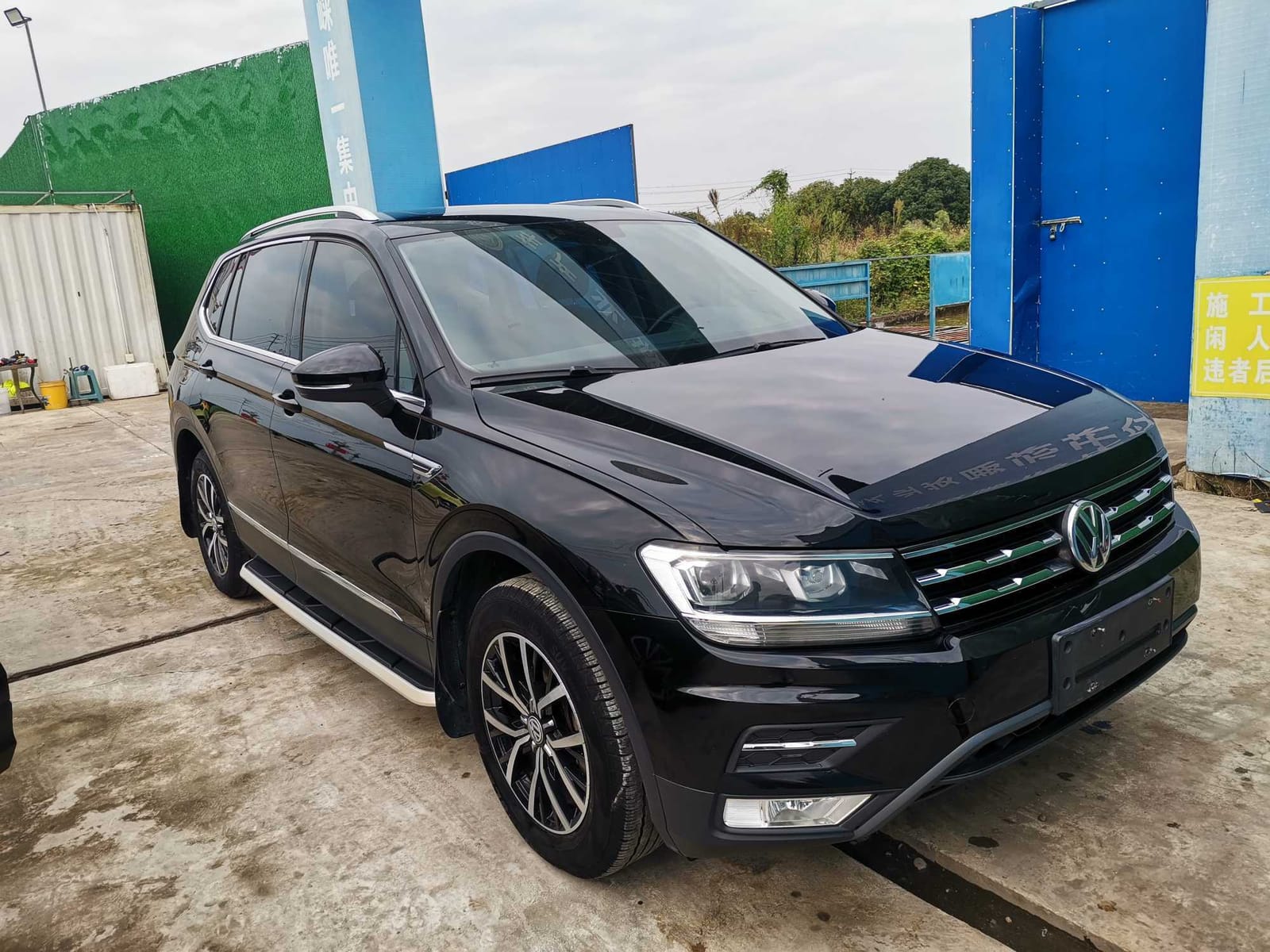
Volkswagen Tiguan L Buyer Guide: 2018 vs 2022 Facelift Compared
Product Research Team