Volkswagen Santana Buyer Guide: 2016 1.6 Automatic Comfort
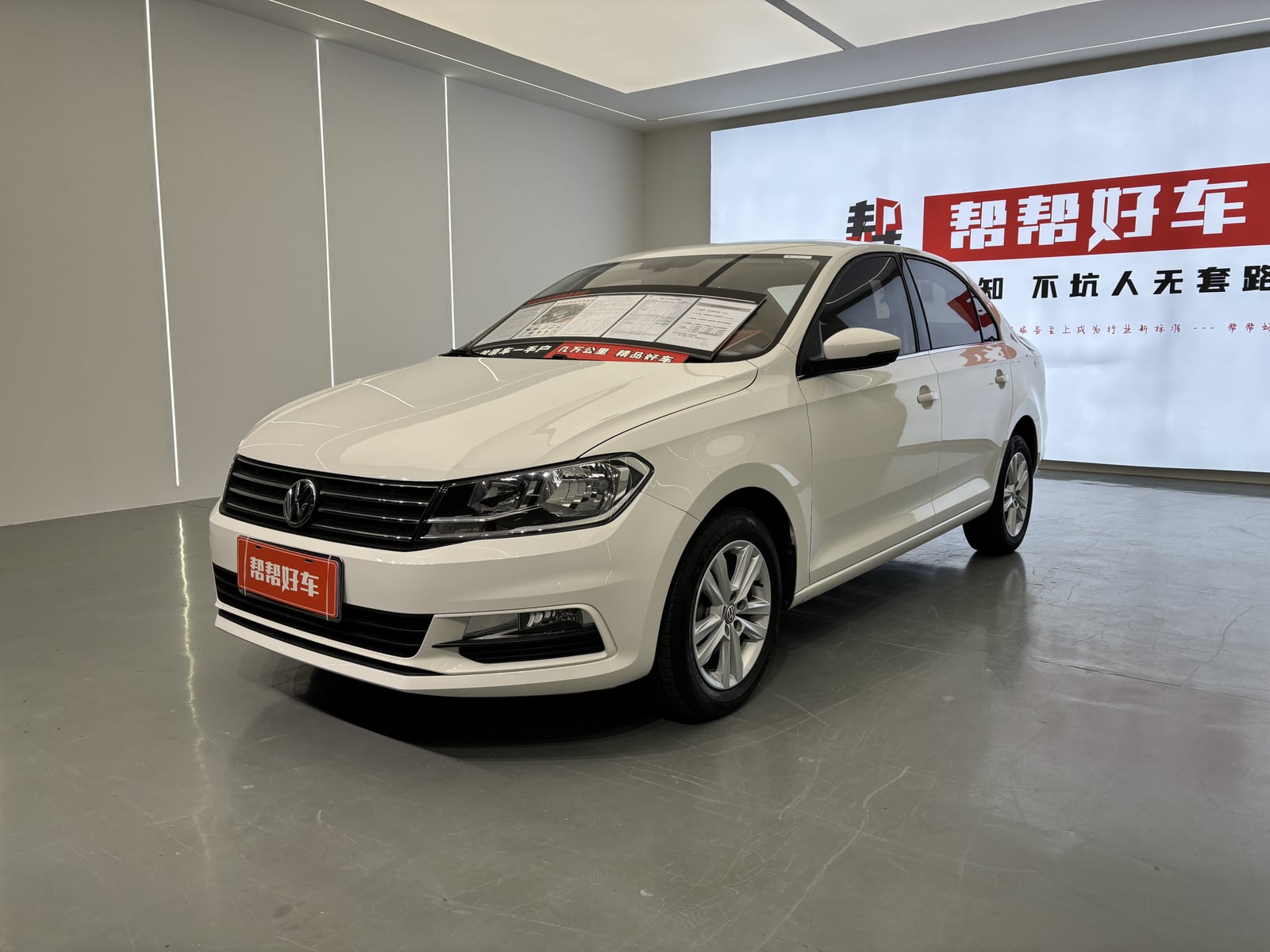
A white 2016 Santana 1.6 automatic Comfort Edition shows why the Chinese Santana name needs context: the modern car is a PQ25 compact sedan, not the long-running B2. Powertrain, trim, inspection points, model-year changes and export paperwork explained for buyers who need simple petrol transport without connected systems.
A Familiar Name That Needs a Generation
The Volkswagen Santana has one of the longest and most confusing names in the Chinese market. The original Santana was a durable three-box saloon related to the B2 family and remained in Chinese production for decades. The car in this guide is not that vehicle.
This is a 2016 Santana 1.6 automatic Comfort Edition, the sedan introduced in China in December 2012 and built on the PQ25 platform. It is smaller than the original Santana, uses a transverse front-wheel-drive layout and belongs to a different engineering era. For an export buyer, the useful first step is therefore to stop treating every car called Santana as one model.
The photographed car is white and carries the 1.6-litre petrol engine and six-speed automatic gearbox. It represents the practical core of the range: a compact five-seat sedan intended for ordinary road use, with no turbocharger, traction battery or dependence on a connected-car account.
💡Key Insight: Confirm the generation, engine, gearbox and model year from the vehicle documents. “Santana” alone is not enough to identify the car.
The Three Santana Stories Buyers Meet
Chinese listings use the Santana name across several periods, and overseas buyers encounter them in different ways.
- Original Santana / Santana Vista: rear-derived from the older B2 lineage, widely used as taxis and fleet cars. These cars are mechanically distant from the PQ25 sedan.
- New Santana from 2012: the car covered here. It is a front-wheel-drive compact sedan with transverse engines and a 2,603 mm wheelbase.
- Gran Santana: a hatchback-style derivative introduced later in the 2010s; it shares a family name but has a different body and cargo layout.
Within the PQ25 sedan, the early range used 1.4-litre and 1.6-litre petrol engines with manual or automatic gearboxes. Around 2019–2020, the 1.6-litre unit gave way to a 1.5-litre engine, and production of the Santana family ended in the early 2020s. A 2016 car therefore sits in the middle of the run, before the later engine change.
This history matters for parts and buyer expectations. A workshop that knows the old B2 Santana is not necessarily familiar with the 2016 car's engine management, body panels or automatic transmission. Use the model year and engine code when ordering.
*2016 Volkswagen Santana 1.6 automatic Comfort Edition, white.*
The Photographed Car and Its Published Specifications
The car shown here is a 2016 Santana 1.6 automatic Comfort Edition in white. Chinese model documents identify a CPD engine code for this 1.6-litre variant. It is a naturally aspirated four-cylinder petrol engine, matched to a six-speed torque-converter automatic and front-wheel drive.
| Item | Published figure |
|---|---|
| Engine | 1.6-litre naturally aspirated four-cylinder petrol, CPD code |
| Displacement | 1,598 cc |
| Maximum power | 81 kW at 5,800 rpm |
| Maximum torque | 155 Nm at 3,800 rpm |
| Gearbox | Six-speed automatic |
| Drive | Front-wheel drive |
| Length / width / height | 4,475 / 1,706 / 1,469 mm |
| Wheelbase | 2,603 mm |
| Kerb weight | Approximately 1,145 kg |
| Boot volume | 466 litres |
| Fuel tank | 55 litres |
| Factory tyre size | 185/60 R15 |
| Rear brakes | Drum |
| Fuel requirement | 92 RON in Chinese documentation |
The dimensions describe a compact car rather than a family-size SUV. Rear-seat space is adequate for the class, but it should be judged with the front seats in their normal positions. The 466-litre boot is a useful shape for luggage and small business loads, although the opening is a conventional sedan aperture rather than a hatch.
The published performance figures are modest: around 12.5 seconds to 100 km/h and a 185 km/h top speed for this automatic variant. That is consistent with the car's purpose. Buyers should not expect strong overtaking performance when the car is fully loaded, and they should judge the engine against the roads and payloads it will actually face.
A badge on the boot does not replace the documents. Numeric Volkswagen badges should not be decoded as displacement without checking the model record.
Engine, Gearbox and the Case for Simplicity
The 1.6-litre engine is naturally aspirated and uses conventional port or multi-point petrol injection. It has no turbocharger, high-voltage battery or plug-in charging routine. In markets where fuel quality varies and workshop equipment is basic, that simplicity is the strongest reason to consider the car.
The six-speed automatic is the version photographed. A manual gearbox was also part of the range. For export, the automatic is easier for many drivers but adds an oil-filled transmission that must be assessed carefully. A short drive is not enough: test the car from cold, at low speed, during stop-start traffic and under light load.
Fuel grade deserves attention. Chinese documentation specifies 92 RON. The destination may label petrol differently, so the importer should compare research octane number and actual fuel quality rather than the pump's marketing name. This engine has a low state of tune and does not need premium fuel, but it still needs clean fuel and the correct maintenance.
The car is not designed for towing or heavy commercial work. Its value is low running complexity, easy parking and a familiar control layout. Current condition, service history and structural integrity matter far more than an additional accessory.
Trim and Equipment: Verify the Exact Comfort Edition
The Comfort Edition sits above the entry trim in the published range. Equipment commonly associated with this grade includes a sunroof, rear parking sensors, cruise control, a multi-function steering wheel, alloy wheels, heated exterior mirrors and automatic headlights. The photographed car shows a sunroof and the expected exterior fittings.
Safety equipment is where configuration tables need care. Some sources list ABS and EBD as standard, while stability control or traction control availability changes with year and trim documentation. Do not assume that every 2016 Comfort Edition has the same safety package. Ask for the specific configuration sheet, inspect the dashboard switches and confirm the presence of stability-control hardware and warning lights on the exact car.
The interior in this family is functional rather than luxurious. Manually adjusted seats, a simple climate-control panel and a conventional audio unit are normal. Check that the steering-wheel buttons, mirrors, windows, central locking and air conditioning work individually. An older car with fewer electronic systems is easier to diagnose, but worn switches and neglected air conditioning are still common ownership costs.
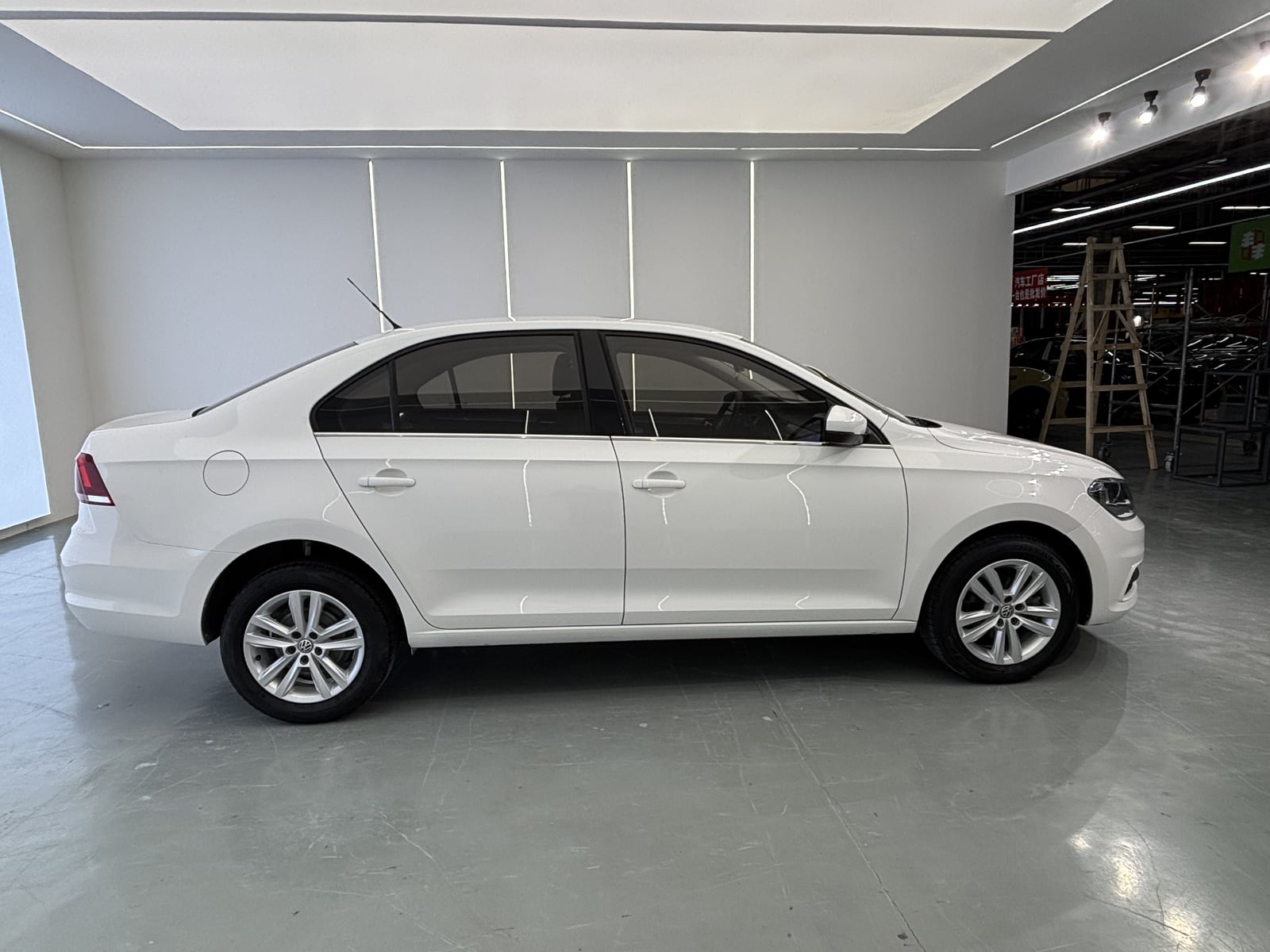
*2016 Volkswagen Santana 1.6 automatic Comfort Edition, white.*
Space, Visibility and Everyday Use
The Santana is easy to place in traffic because its body is narrow and the corners are visible. That makes it suitable for dense cities, narrow port roads and markets where large SUVs are awkward to park. The boot is deep enough for suitcases and spare parts, though the sedan opening limits very tall objects.
The rear bench is a conventional three-place design. Check headroom with taller passengers, the operation of the window mechanisms and the condition of the seat foam. Cars used as taxis or ride-hailing vehicles often show wear on the rear bench, door cards and seat belts before the exterior looks tired.
The sunroof adds light to the cabin but introduces drains and seals. Open and close it through the full range, inspect the tracks for debris and look for water stains around the headlining, pillars and footwells. Do not judge a sunroof by a photograph alone; operate it and check after water has been sprayed around the roof.
The boot floor, spare-wheel well and rear light clusters should be inspected for water and accident repair. A clean exterior can hide a tired interior, and a low purchase price often reflects fleet use rather than careful private ownership.
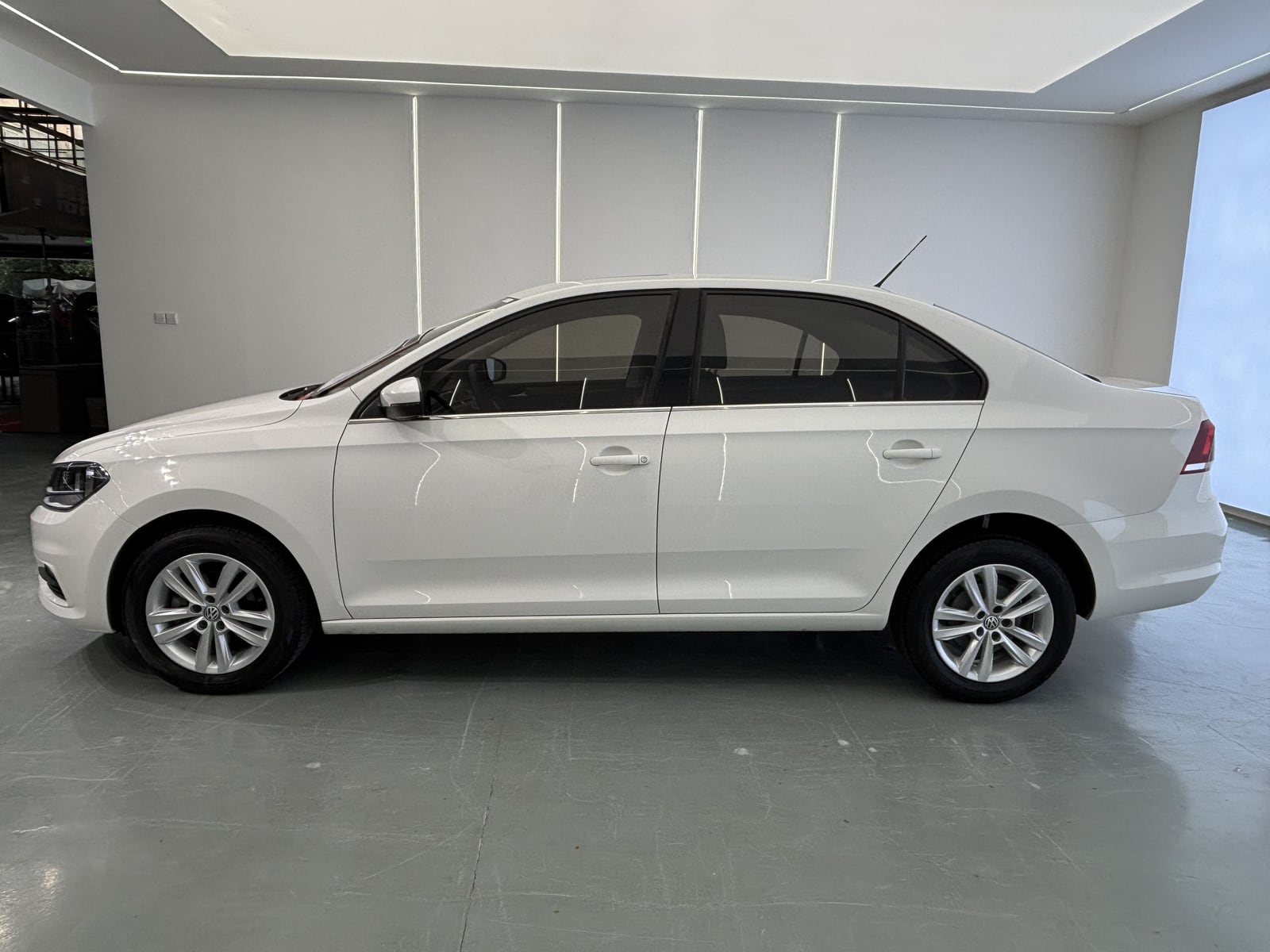
*2016 Volkswagen Santana 1.6 automatic Comfort Edition, white.*
What to Inspect on a Used Santana
Odometer and usage history. The Santana is a common fleet, taxi and ride-hailing model. Match the odometer with service records, pedal wear, seat condition and registration history. A low reading on a heavily worn car deserves an explanation, not a discount negotiation.
Structural repair. Compare panel gaps, paint texture and bolt heads on the bonnet, wings, doors and boot. Inspect the inner wings, boot floor, rear panel and sill seams on a lift. White paint makes colour mismatches easier to see in neutral daylight.
Engine cold start. Start from cold and listen for rattles, belt noise or an unstable idle. Check for oil mist around the cam cover, coolant stains near hoses and fresh cleaning that could conceal leaks. Confirm the engine code and service specification.
Automatic gearbox. Select Drive and Reverse repeatedly. Engagement should be prompt and smooth. Test low-speed creep, a medium-throttle upshift and a gentle kickdown. Shudder, delayed engagement or a warning light requires diagnosis before purchase.
Cooling and electrical basics. Run the engine until the cooling fan cycles. Test the air conditioning at full cold and full fan, then check every window, mirror, light, horn and central-lock function. These repairs are not exotic, but many small faults quickly become workshop time.
Suspension, steering and brakes. Drive over speed humps and uneven surfaces. Listen for worn bushes, top mounts and loose anti-roll links. Check tyre wear across the tread; uneven shoulders can point to alignment or worn suspension. Measure front discs and inspect the rear drums for contamination or seized adjusters.
Tyres and wheels. Factory specification is 185/60 R15, but the actual car may wear a different size or mixed brands. Check production dates, sidewall damage and the spare. A cheap tyre set is not evidence of a mechanically sound car.
Water and accident checks. Lift the carpets, inspect the boot floor and smell for dampness. Check the sunroof drains, boot seal and rear lamps for leaks. Look at the spare-wheel well for creased metal that would indicate a rear impact.
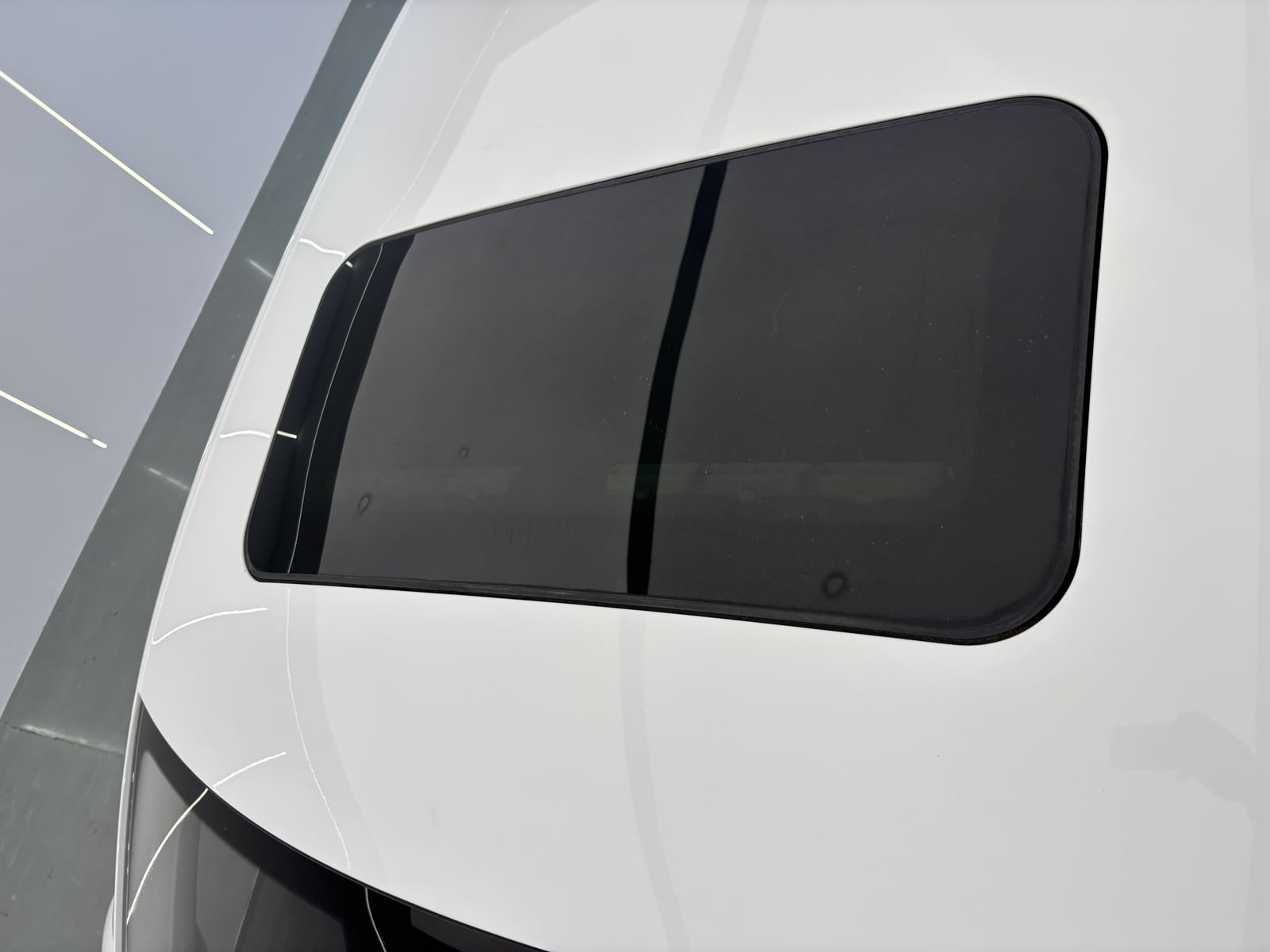
*2016 Volkswagen Santana 1.6 automatic Comfort Edition, white.*
Export Documents and Parts Planning
The car is left-hand drive, like all vehicles built for the Chinese domestic market. The destination's registration rules, age limits, emissions requirements and inspection procedure must be checked against the individual vehicle. Do not infer eligibility from the Santana name or from another buyer's experience.
Keep the registration record, model-year description, engine code, identification-number photographs and export documents consistent. A car may be described as a 2016 model while its production date falls in a different month or year. Record both accurately instead of altering one to match the other.
Emissions compliance is vehicle-specific. The 2016 Santana was sold under China V standards in its home market, but that label does not automatically satisfy another country's import rules. The certificate or official vehicle record for the exact car is the document to check.
Parts availability is a strong point in many markets, but not every part crosses over from older Santanas. Engine management, automatic-transmission service parts, body panels and trim are generation-specific. Order by VIN or the manufacturer's parts catalogue, and identify a workshop familiar with later Volkswagen compact cars before shipping.
Who Should Consider It
This car fits a buyer who wants a simple five-seat petrol sedan, values easy repair and does not need connectivity, all-wheel drive or high performance. It can suit city transport, staff use or a first family car in markets where fuel and workshop access are straightforward.
Think twice if the destination bans older combustion cars, requires a specific emissions certificate that the car lacks, or needs seven seats and a large boot. A buyer looking for a long-distance highway car should also compare something with more power and sound insulation.
Questions Buyers Ask
Is this the original Santana? No. It is the PQ25-based compact sedan introduced in China in 2012, not the older B2-derived Santana.
Is 1.6 litres enough? It is adequate for city and light family use. Fully loaded highway driving requires planning and realistic expectations.
Is the automatic a dual-clutch gearbox? The photographed car uses a six-speed torque-converter automatic. Confirm the transmission in the individual vehicle's documents rather than relying on photographs.
Does it have ESP? Availability varies in the published data. Check the specific car's configuration and warning-light self-test.
Can it run on lower-octane fuel? Chinese documentation specifies 92 RON. Compare that with the destination's fuel standards and consult the vehicle's own label; do not guess from a pump name.
Next Step
Tell us the destination country and the exact Santana you are considering. We can prepare a vehicle-specific file covering cold start, automatic-transmission behaviour, structural and paint inspection, sunroof and water checks, available service records, the engine code, and the export documents required for your market.
Specification note: Figures in this guide come from the cited China-market model documentation for the 2016 Santana 1.6 automatic Comfort Edition. Equipment and emissions details can vary by build and market. Always re-confirm the specification against the individual vehicle's registration and export documents before purchase.
Lexus LX Buyer Guide: 2019 LX 570 V8 vs 2022 LX 600 Twin-Turbo
Product Research Team
Range Rover Buyer Guide: 2019 Supercharged V6 vs 2022 Ingenium Inline-Six
Product Research Team
Land Rover Defender Buyer Guide: 2023 HSE vs 2025 X-Dynamic Black Compared
Product Research Team