Porsche Panamera Buyer Guide: 2021 2.9T vs 2024 2.9T, the 971 and 972 Compared
Comparing a 2021 Porsche Panamera 2.9T in dark blue with a 2024 Panamera 2.9T in olive green, both photographed for this guide: why the 971.2 and 972 generations share a 2.9-litre twin-turbo V6 and an eight-speed PDK but differ in output, chassis hardware and cabin technology, what the 2024 car's standard air suspension and digital cockpit change, what a used Panamera must be inspected for, and how emissions, parts and destination rules shape the export decision.
A Sedan That Drives Like a Sports Car
The Porsche Panamera was Porsche's answer to a simple problem: the brand needed a four-door car, but it refused to build a conventional luxury sedan. The result is a long, low hatchback with a front engine, a rear transaxle, a sophisticated chassis and a driving position closer to a 911 than to an S-Class.
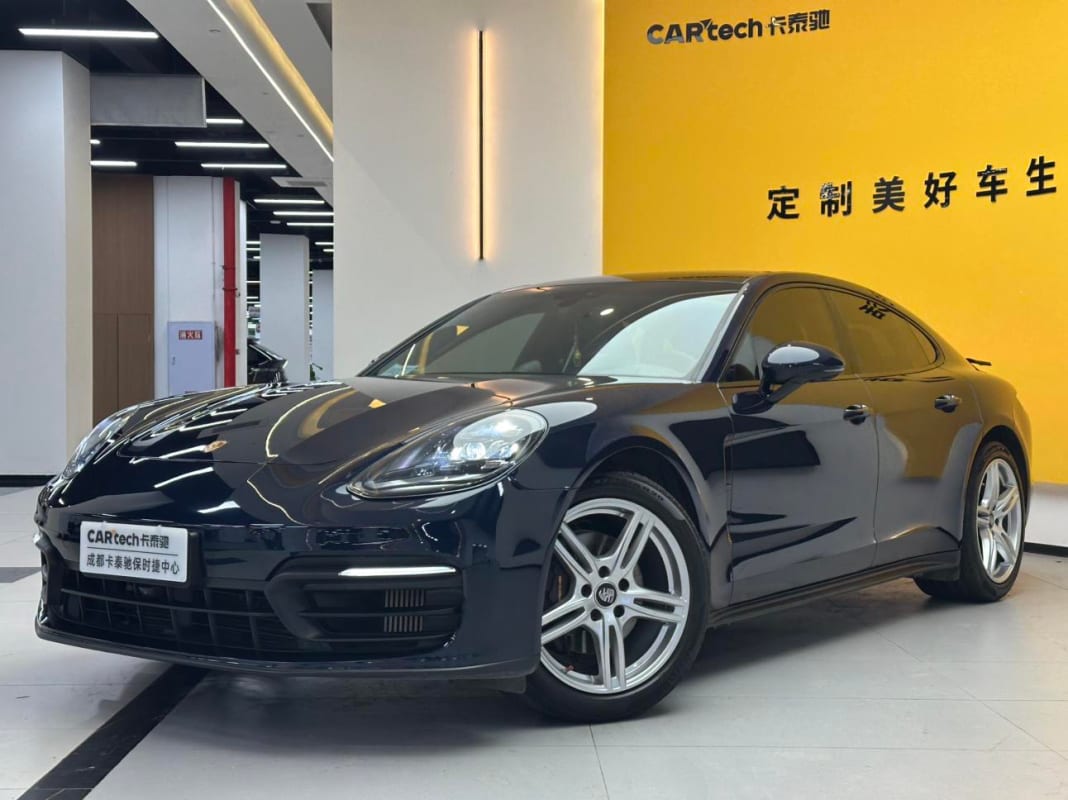
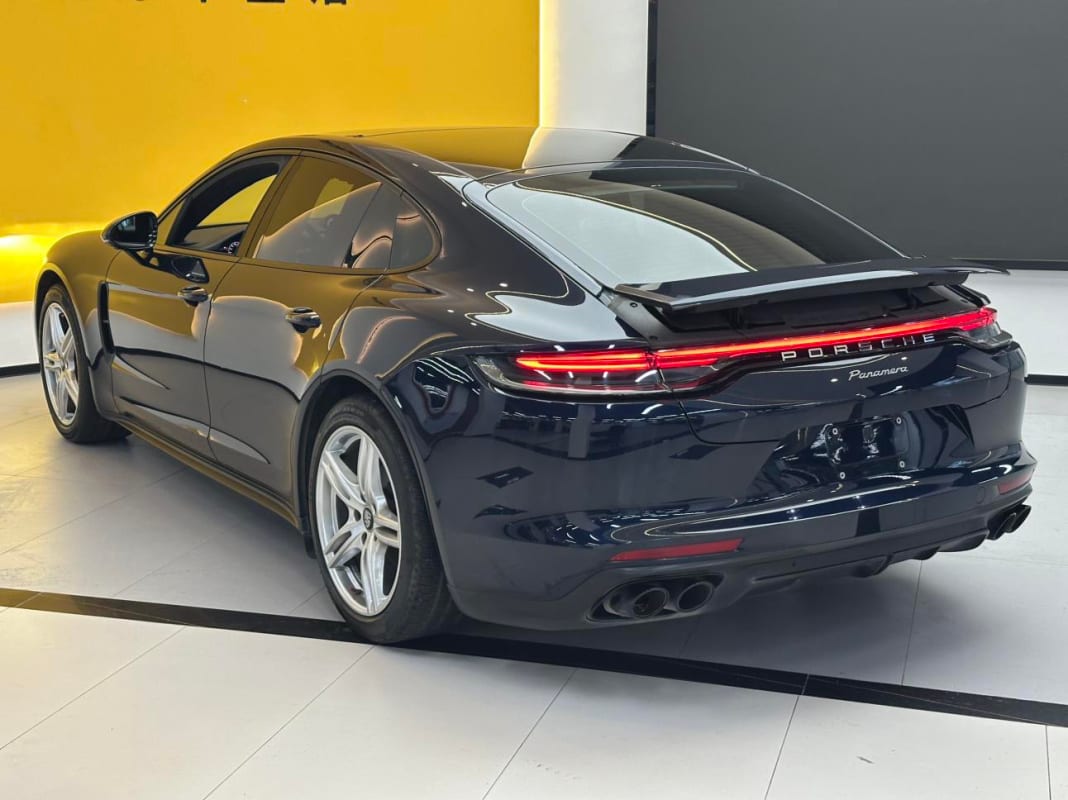
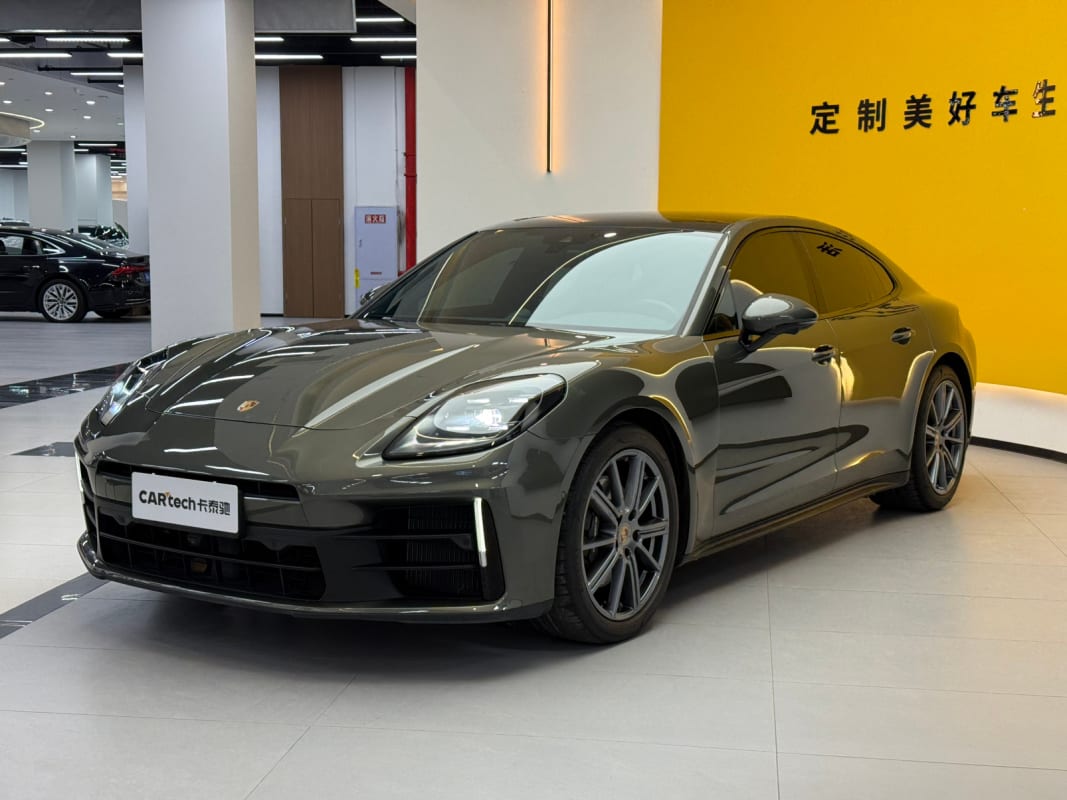
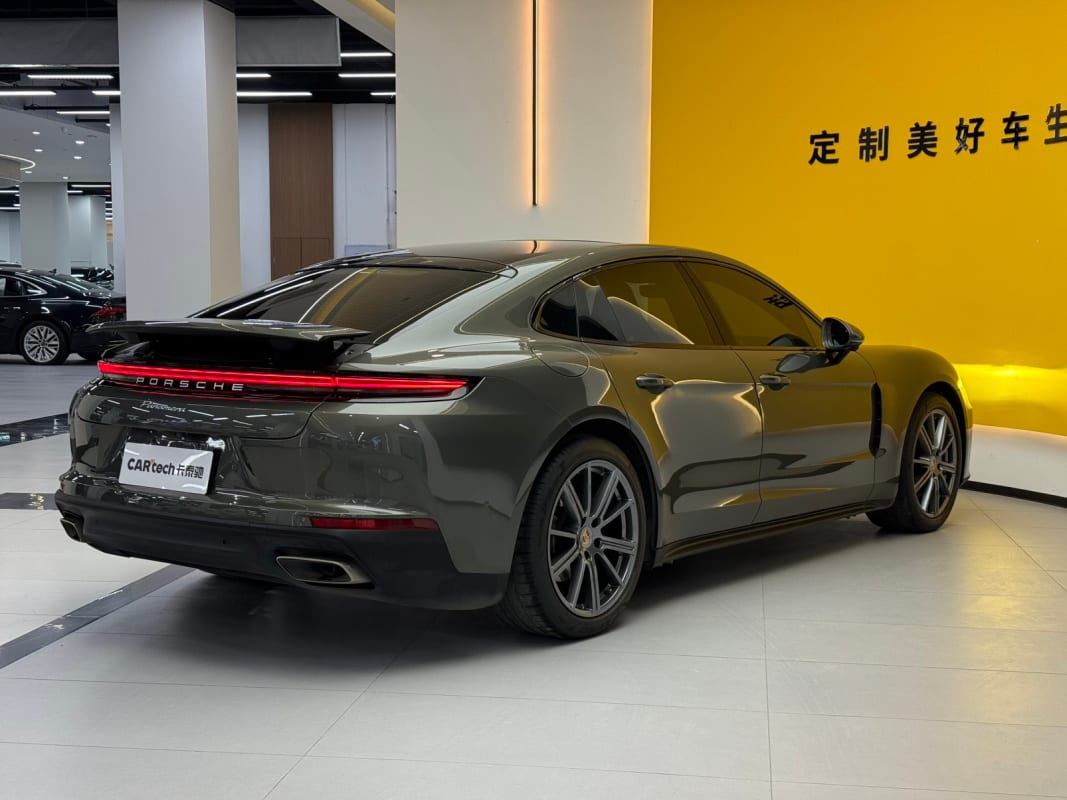
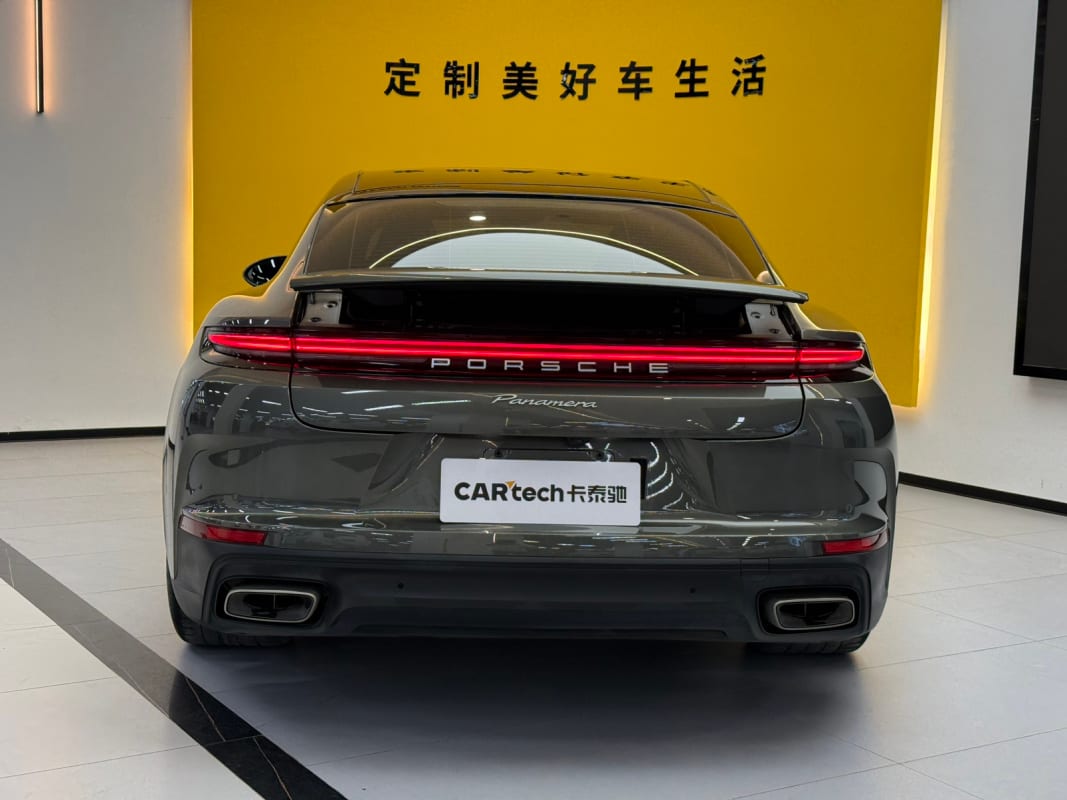
The two cars photographed for this guide are a 2021 Panamera 2.9T in dark blue and a 2024 Panamera 2.9T in olive green. They represent the 971.2 generation and the new 972 generation, respectively. Both use a 2.9-litre twin-turbo V6 and an eight-speed PDK, both are rear-wheel drive, and both are left-hand-drive Chinese-market cars. The newer car adds power, standard air suspension and a completely new cabin.
For an export buyer, that generational gap matters more than the model year label. The 971.2 is a mature, well-understood car with a large used-parts ecosystem. The 972 is newer, more digital and more expensive to repair, but it is also more efficient and better equipped. The right choice depends on budget, use and the level of dealer support at the destination.
What Changed: 971.2 Versus 972
The Panamera line began in 2009 with the 970. The second generation, the 971, arrived in 2016 with a new platform, a new eight-speed PDK and a much better cabin. It was facelifted in 2020 as the 971.2, which is the 2021 model year car here. The third generation, the 972, was revealed in late 2023 and launched as the 2024 model year.
The 972 is not a reskin. It has a new electrical architecture, a new interior layout, a revised chassis and a different dashboard. The exterior keeps the Panamera silhouette but sharpens the nose, the lights and the rear. The 2021 car is the mature version of the old generation; the 2024 car is the first year of the new one.
That distinction matters for two reasons. First, first-year cars can have software and trim teething issues that later build dates resolve. Second, the 972's new electronics and air suspension are more complex, and independent workshops outside the Porsche network may take time to catch up.
Engine and Drivetrain: Same V6, More Output
Both cars use Porsche's 2.9-litre twin-turbo V6, a compact 90-degree unit with two turbochargers mounted inside the vee. In the 2021 Panamera 2.9T it produces 243 kW (330 PS) and 450 Nm, driving through an eight-speed PDK to the rear wheels. Porsche quoted 0-100 km/h in 5.6 seconds and a top speed of 270 km/h.
In the 2024 Panamera 2.9T the same engine is tuned to 260 kW (353 PS) and 500 Nm, with 0-100 km/h in 5.3 seconds (5.1 with the Sport Chrono package) and a top speed of 272 km/h. The increase is modest but noticeable, and the newer car feels stronger in the mid-range.
Both engines require 95-octane fuel and meet China VI b emissions in these applications. The PDK is a dual-clutch unit with a manual mode and paddle shifters; it is fast and smooth in normal driving, but it needs regular fluid and filter changes and a diagnostic check for clutch adaptation and mechatronic faults.
The Panamera 4 and 4S add all-wheel drive and more power; the two cars here are the rear-wheel-drive 2.9T. Do not assume that a listing saying "Panamera 2.9T" means all-wheel drive.
Chassis and the Air Suspension Question
The 2021 Panamera uses a double-wishbone front and multi-link rear suspension, with steel springs as standard and adaptive air suspension available as an option. The 2024 car makes a dual-chamber, dual-valve air suspension standard, with separate compression and rebound control, and offers rear-axle steering as an option.
That is the biggest dynamic difference between the two cars. The 2021 car on steel springs is still a fine-handling Panamera, but it rides more firmly and has less adjustability. The 2024 car's standard air suspension gives a broader spread between comfort and sport, and the rear-axle steering makes a 5-metre car feel smaller in town.
The trade-off is complexity. Air springs, compressors, valve blocks and height sensors are expensive to repair, and a car that has been lowered or driven on poor roads may have damaged hardware. On the 2021 car, check whether air suspension was specified; on the 2024 car, it is standard, so there is no escape from inspecting it.
Both cars use large brakes and wide tyres. The 2021 car in these photographs sits on 19-inch wheels; the 2024 car has a different wheel design and, in this specification, a darker finish. Tyre condition, matching brand and tread depth matter on a heavy, fast sedan.
Cabin and Daily Use
The 2021 cabin is a known quantity: a 12.3-inch central touchscreen, a wide centre console with physical buttons, a traditional instrument cluster with an analog tachometer in the middle, and a pair of 7-inch digital displays. The driving position is low and sporty, the rear seats are usable for adults on shorter trips, and the hatchback tailgate opens to a practical 494-litre boot that grows to 1,328 litres with the rear seats folded.
The 2024 cabin is a redesign. It adopts the Porsche Driver Experience layout: a curved 12.6-inch instrument display, a 12.3-inch central screen, a mode switch on the steering wheel and a cleaner centre console. A passenger display is optional. The gear selector moves to the dashboard, freeing space on the console, and the materials and ambient lighting are a step up.
Both cars are four-seat-oriented, though a rear bench is available. The rear compartment is tighter than in a long-wheelbase executive sedan; the Panamera's strength is the front cabin and the driving experience, not limousine space. The hatchback layout makes it more usable than a conventional sedan for luggage.
The Two Cars in These Photographs
The 2021 car is a dark blue 2.9T with a red and brown leather interior, a sunroof, BOSE audio and 19-inch wheels. It represents the facelifted 971.2: mature, well-equipped and mechanically familiar.
The 2024 car is an olive green 2.9T with a black and cream interior, a panoramic roof, matrix LED headlights and the new digital cockpit. It is the 972 generation, with standard air suspension and the latest infotainment.
Both are left-hand-drive Chinese-market cars. Neither is a long-wheelbase Executive model; the standard wheelbase is 2,950 mm, and the rear space reflects that. If rear-seat comfort is the priority, an Executive version is a different proposition and should be compared separately.
What a Used Panamera Inspection Must Cover
Air suspension. On the 2024 car it is standard; on the 2021 car it may be optional. Check ride height at all four corners, listen for the compressor, look for leaking struts and confirm there are no suspension warnings. A failed air spring or valve block is expensive.
Engine. The 2.9T V6 is robust but not maintenance-free. Check for oil leaks at the cam covers, timing covers, sump and turbochargers, coolant leaks at the radiator, hoses and water pump, and listen for turbo noise and misfires. Confirm the oil specification and service history.
PDK. Test the eight-speed dual-clutch from cold and warm, at low speed and under load. Look for delayed engagement, shudder, harsh shifts and warnings. A PDK service is not optional on a neglected car.
Brakes, tyres and wheels. The Panamera is heavy and fast. Measure discs and pads, check for uneven wear, confirm the tyres match and inspect the wheels for cracks and kerb damage. On the 2024 car, check the larger brake options if fitted.
Body and structure. Check panel gaps, paint match, overspray and repair marks. Inspect the roof, A-pillars and sills for accident repair, and the tailgate and rear spoiler for correct operation. The Panamera's low nose and long doors are vulnerable in city use.
Electrics and cabin. Test every screen, camera, sensor, seat motor, window, sunroof, climate zone and audio function. Check the battery, the charging system and the infotainment software. On the 2024 car, test the new digital cockpit and the passenger display if fitted.
History and identity. Match the VIN, model year, engine, drivetrain and options to the documents. Verify the mileage against service records and check for accident damage, track use, rental or fleet use and repeated paintwork.
Export Paperwork and Destination Rules
Chinese-market Panamera cars are left-hand drive, which suits the Middle East, Central Asia, Africa, Russia and Latin America in principle. Eligibility depends on each destination's emissions, age and registration rules, and those rules can differ by city as well as by country.
The export file should include the registration certificate, factory specification sheet, purchase invoice, export licence documentation, customs declaration, service records and an independent inspection report, with photographs of the VIN plate, engine number and odometer.
Parts and diagnostics are the practical constraint. Porsche has a global network, but Panamera-specific body panels, lights, air suspension components and electronic modules are expensive and may need to be ordered. A destination without a Porsche dealer needs an independent workshop with Porsche diagnostic equipment, especially for the 972's newer electronics.
Fuel quality matters: both cars require 95-octane petrol. In markets where that is not reliably available, the owner should plan for octane boosters or accept reduced performance and potential knock.
Buyer Questions
Is the 2024 Panamera a facelift or a new generation? It is the third generation, the 972, with a new electrical architecture, a new cabin and standard air suspension. The 2021 car is the facelifted second generation, the 971.2.
Which car is better for export? The 2021 car is simpler, cheaper to maintain and well supported by independent specialists. The 2024 car is more efficient, better equipped and more comfortable, but its electronics and air suspension are more complex. Choose based on the destination's workshop support.
Is the rear-wheel-drive 2.9T fast enough? Yes. With 330 PS in the 2021 car and 353 PS in the 2024 car, both are quick, and the chassis is more capable than the engine's output suggests. The Panamera 4 and 4S are faster and more traction-focused, but they are different models.
What is the biggest used-buying risk? Air suspension faults, PDK neglect, hidden accident repair and expensive electronics. A pre-purchase inspection by a Porsche specialist is worth the cost.
Can I service it outside a Porsche dealer? Many independent workshops can service the 971.2 with the right diagnostic equipment. The 972 is newer and may require dealer-level software access for some functions.
Next Step
Tell us which Panamera you are considering and how you intend to use it — daily driver, long-distance tourer, collection car or fleet vehicle — and we will send the file for that specific unit: a full inspection report, factory specification sheet, cold-start and driving video, close-ups of the air suspension, PDK, brakes and underbody, an honest assessment of the emissions and registration route in your country, and the export documents we hold. If you are deciding between the two cars in these photographs, say so: we will walk through the differences against your roads, your fuel supply and your workshop support.
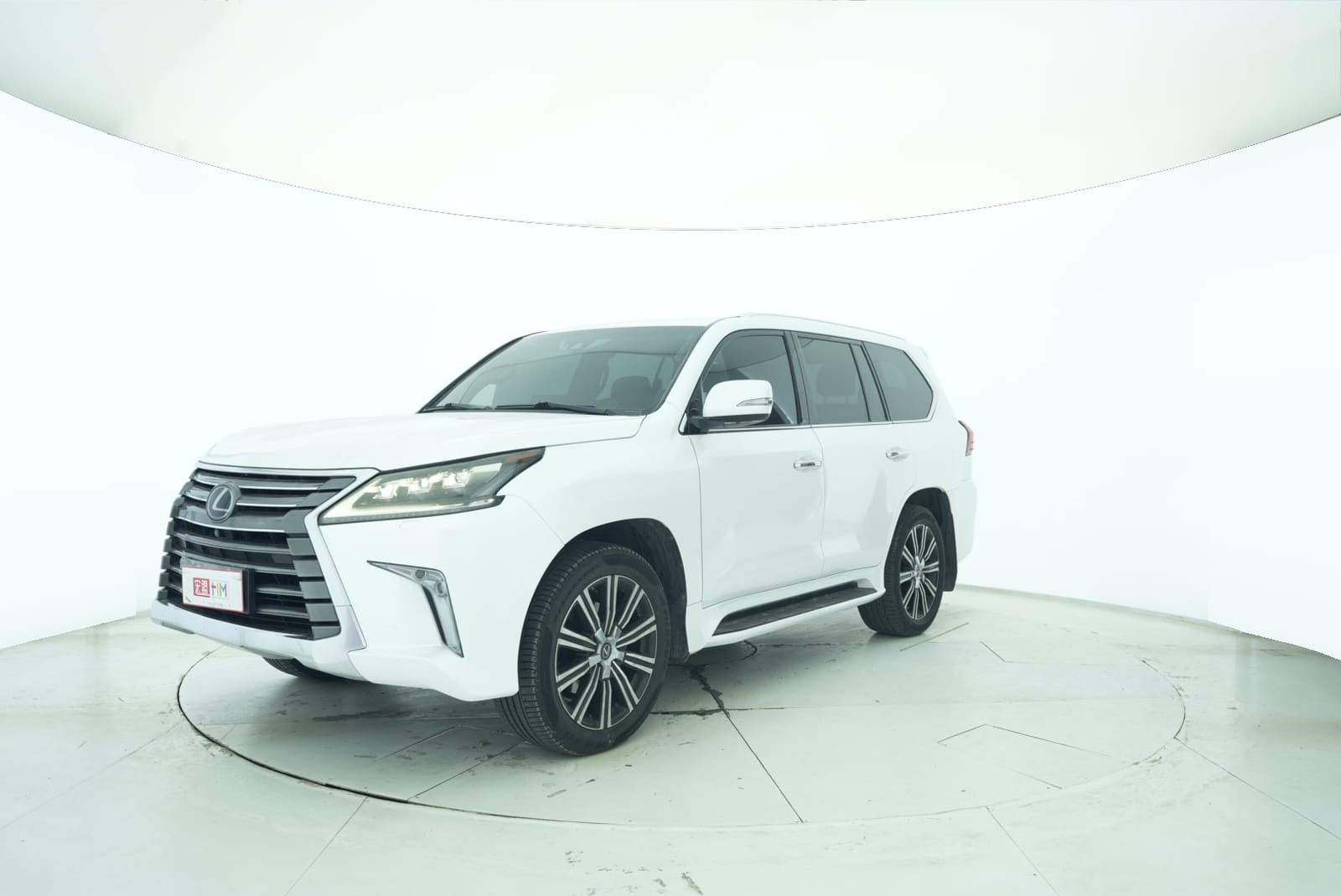
Lexus LX Buyer Guide: 2019 LX 570 V8 vs 2022 LX 600 Twin-Turbo
Product Research Team
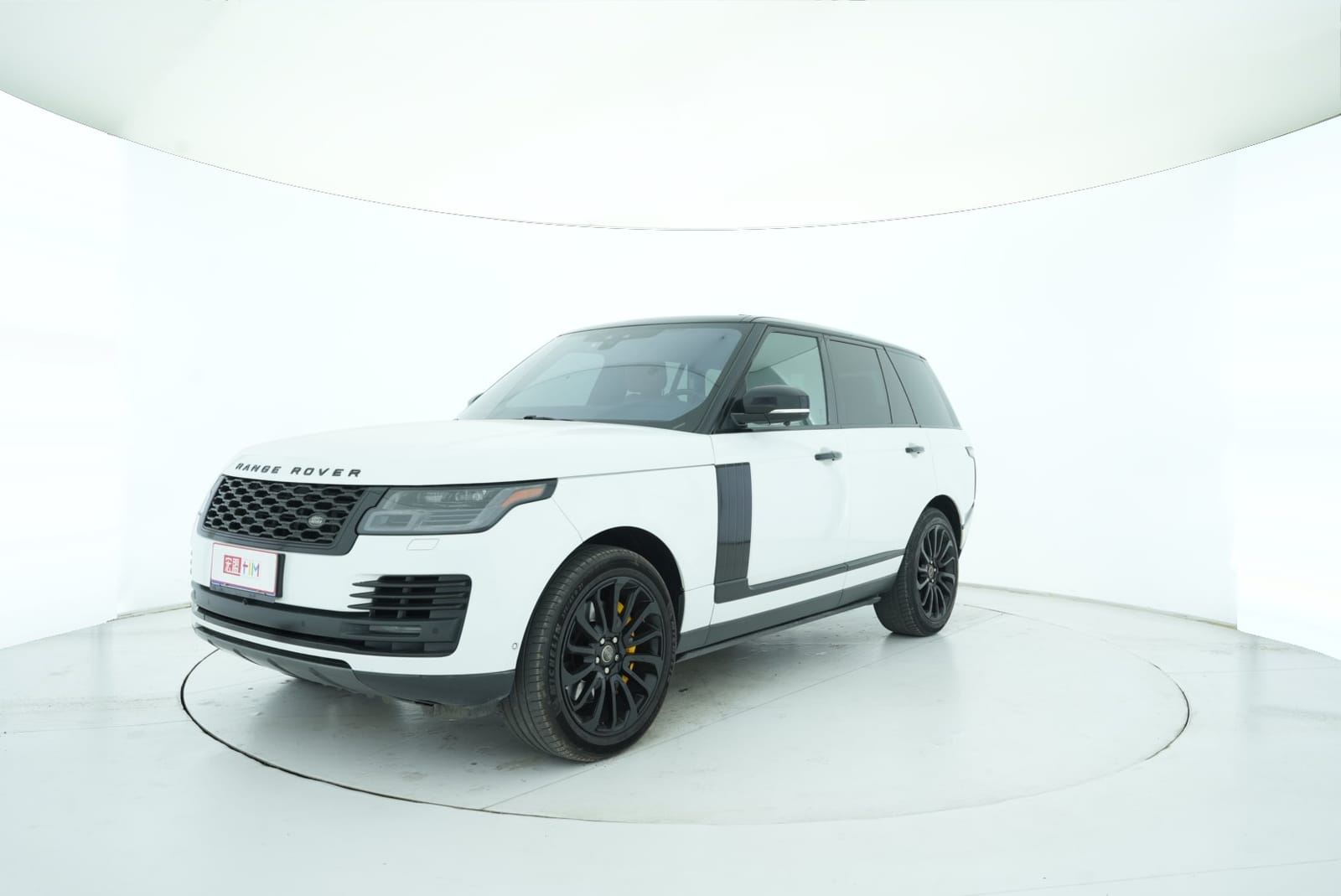
Range Rover Buyer Guide: 2019 Supercharged V6 vs 2022 Ingenium Inline-Six
Product Research Team
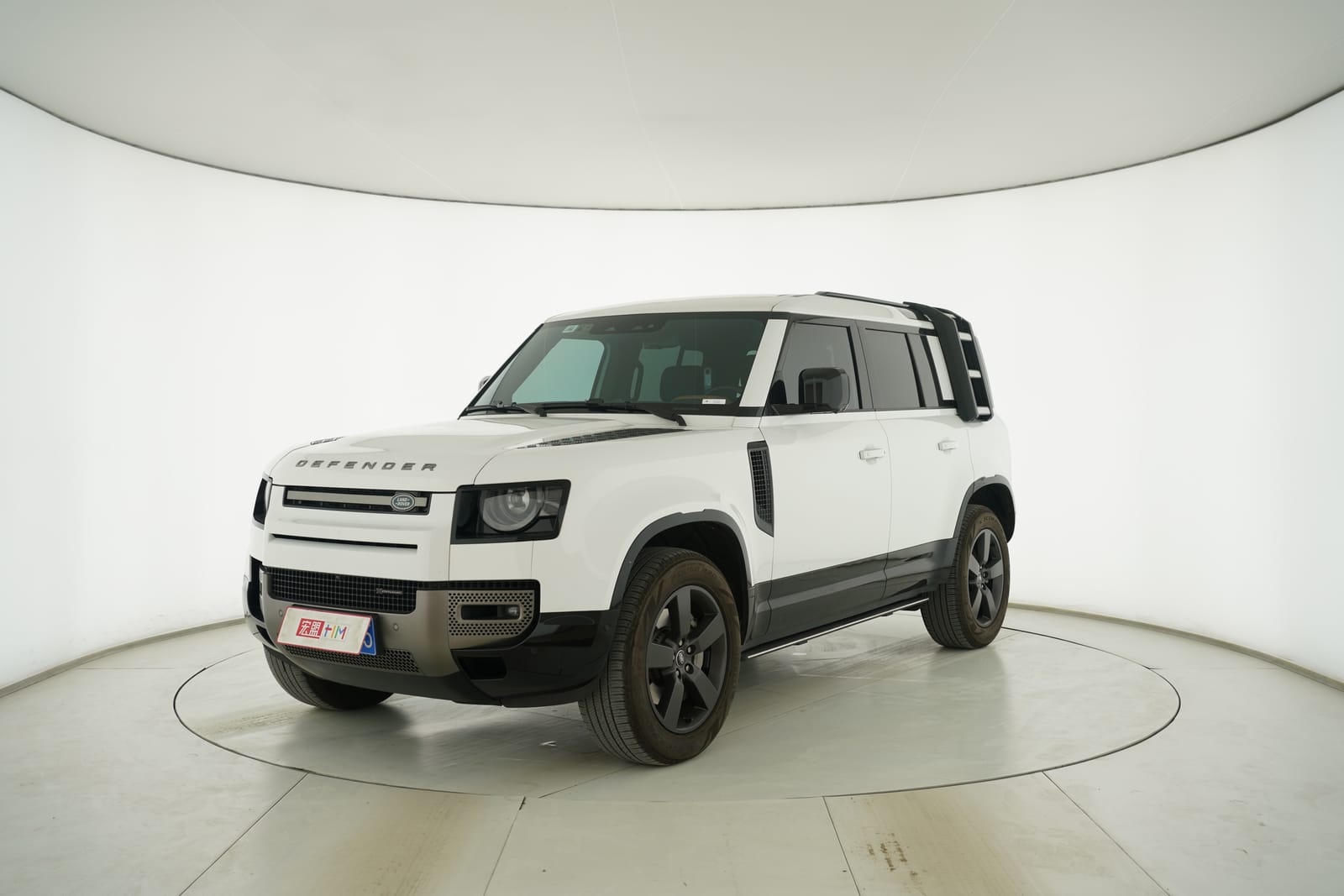
Land Rover Defender Buyer Guide: 2023 HSE vs 2025 X-Dynamic Black Compared
Product Research Team