Two NEV Hubs Join China's National Manufacturing Cluster List
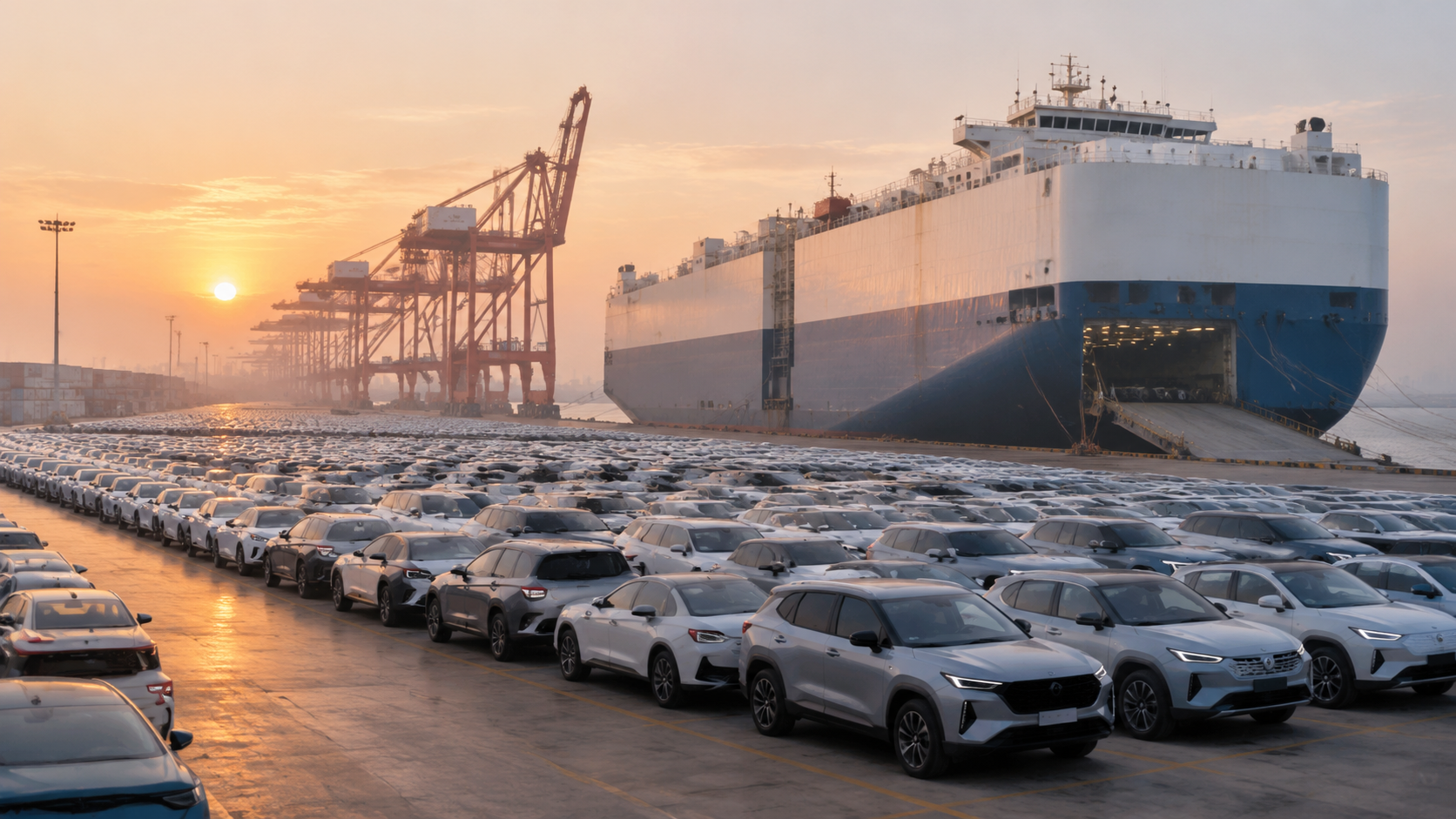
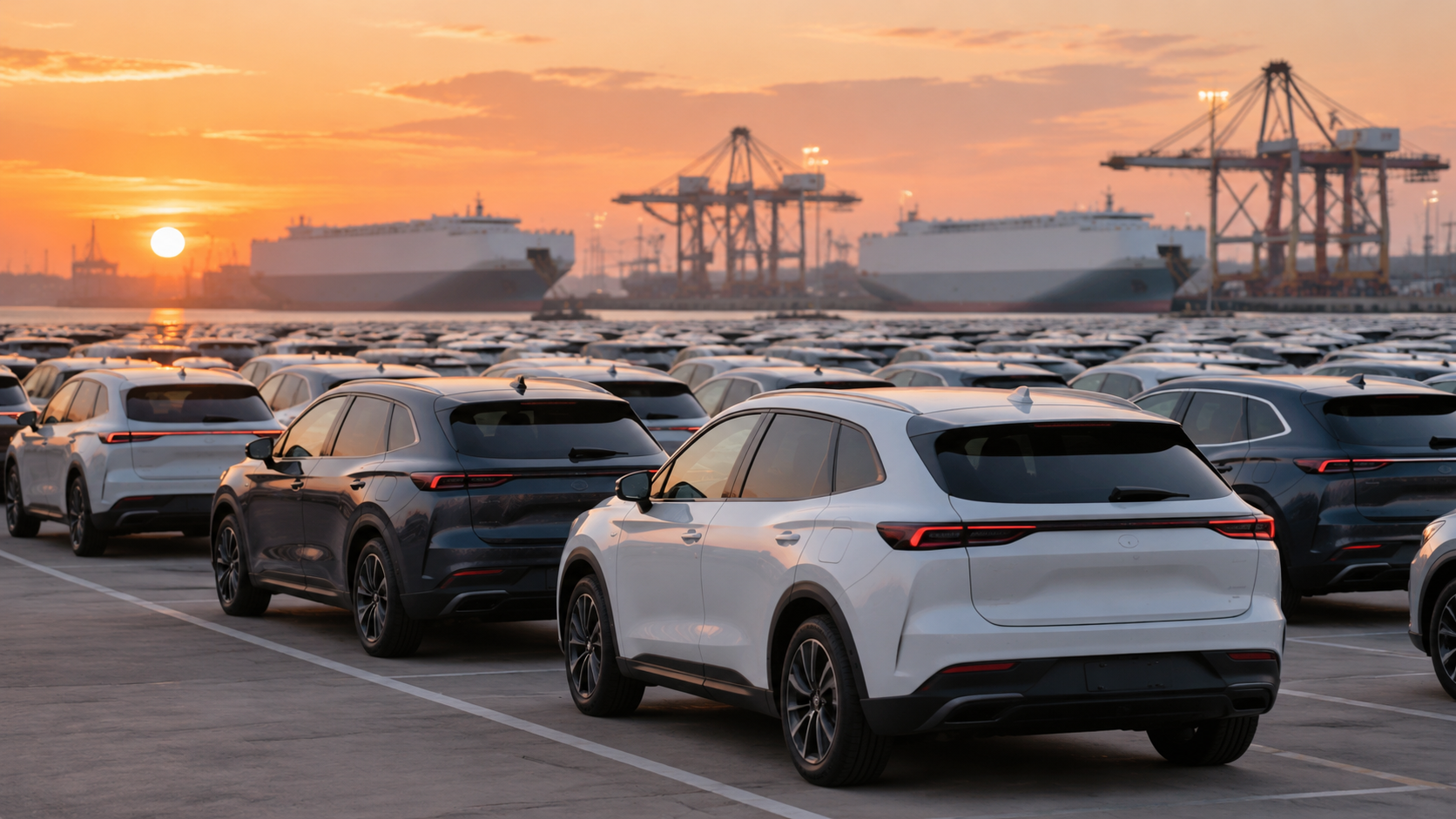
On 4 November 2026 China's Ministry of Industry and Information Technology (MIIT) published a public notice listing 16 national advanced manufacturing clusters for 2026, open for comment until 10 November. Two of them are intelligent connected new-energy vehicle clusters: the Chengdu-Chongqing one, led by Chongqing, and the Wuhu-led one covering Hefei, Anqing and Xuancheng. The 2024 list already included the Beijing-Tianjin-Hebei and Pearl River Delta NEV clusters, so this is a further concentration of Chinese vehicle production into a small number of supported hubs. For overseas buyers and exporters the practical consequences are capacity, parts depth and export targets, not a change to any individual car.
What Happened
On 4 November 2026 the Planning Department of China's Ministry of Industry and Information Technology (MIIT) published a public notice, "2026 National Advanced Manufacturing Cluster List", with a comment period running from 4 to 10 November 2026.
The attached list contains 16 clusters. The categories show where industrial policy currently points: four artificial-intelligence clusters, three robotics clusters, three low-altitude equipment clusters, three new-display clusters, two key-metal clusters and two intelligent connected new-energy vehicle clusters.
Those two are:
- No. 7, the Wuhu-Hefei-Anqing-Xuancheng intelligent connected NEV cluster, led by Wuhu with Hefei, Anqing and Xuancheng in Anhui.
- No. 8, the Chengdu-Chongqing intelligent connected NEV cluster, led by Chongqing and jointly built with Sichuan.
The list is a public notice, not a final designation. Names can change before the comment period closes, and cluster status is a policy framework rather than a specific subsidy to a specific company.
Why Two Automotive Clusters Matter
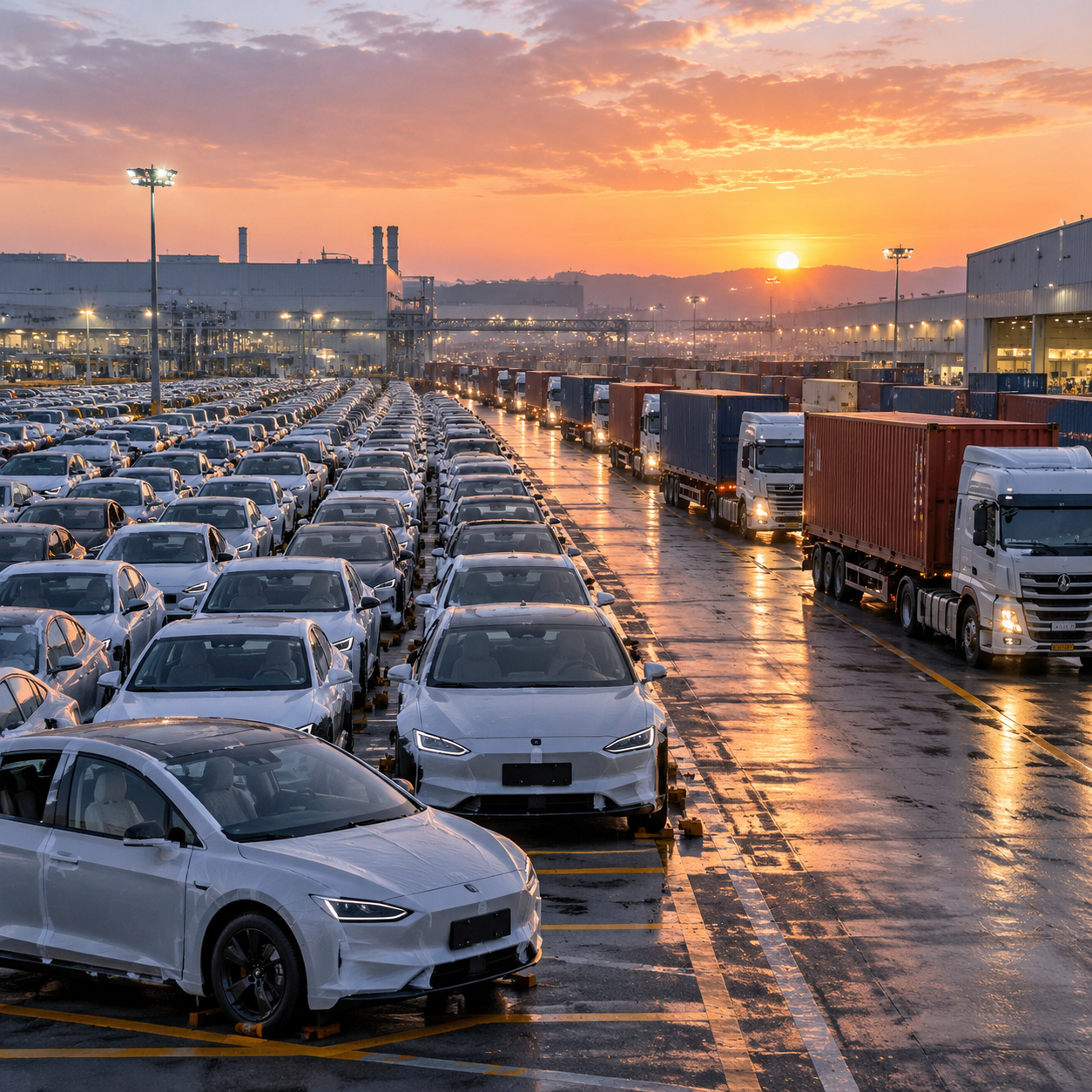
China has been designating advanced manufacturing clusters since 2019. The 2024 list contained 35 clusters, including the Beijing-Tianjin-Hebei and Pearl River Delta intelligent connected NEV clusters. Adding two more in 2026 keeps the pattern: the automotive ones are where vehicle assembly, battery supply and parts suppliers sit close enough together to shorten supply chains.
That concentration has a practical meaning for anyone buying Chinese cars from abroad. A cluster is not only factories; it is the tooling, stamping, electronics and logistics around them.
The Chengdu-Chongqing Numbers, and What They Cover
Local-government and cluster statements reported by Chongqing media give the following figures for 2025. They come from the cluster side, not from the MIIT notice, and should be read as cluster-reported data:
- 3.863 million vehicles produced, equal to 11.1% of national output, described as the largest share of any Chinese cluster.
- 1.555 million new-energy vehicles, up 48.6% year on year.
- More than 1,900 above-scale auto parts companies in the cluster.
- Local sourcing rate of over 80%.
- Targets for 2028: cluster output value above 1.55 trillion yuan, at least 13% of national vehicle output, average R&D intensity of 2.5% for above-scale firms, and vehicle exports of more than 1.2 million units.
For the Wuhu-led cluster, reporting based on the Wuhu municipal government release puts 2025 vehicle output for the four cities at more than 3.6 million, NEVs at more than 1.7 million, and cluster revenue at about 1.5 trillion yuan.
The numbers are large, but note the caliber: they are calendar-2025 production and revenue for a geographic cluster, not for one company and not for the current quarter.
What Cluster Status Actually Changes
A national cluster designation brings recognition, policy coordination and access to national support programmes. It does not mean every factory inside the boundary is modern, and it does not certify any particular model.
What it tends to change over time:
- Investment direction. Provincial and municipal governments steer land, power and finance toward the designated industries.
- Supplier density. Tier-2 and tier-3 suppliers cluster around the assembly plants, which shortens logistics and makes it easier to localise parts.
- Testing and certification capacity. Both clusters host national-level test centres, which speeds up compliance work for exports.
- Export infrastructure. Rolling stock, port links and customs arrangements follow production volumes.
What It Means for Export Buyers
Parts availability. An 80%-plus local sourcing rate and hundreds of parts suppliers in one region is good news for the aftermarket: more parts are made by more than one company, and more of them stay available after a model is discontinued. It is not a guarantee for a specific part number, but it improves the odds.
Model availability. Production concentrated in supported clusters usually means long model runs and a wider choice of trims on the used market, because the same platform is built in volume.
Export ambition. The Chengdu-Chongqing target of more than 1.2 million vehicle exports a year by 2028 signals that factory export channels will keep growing, which affects shipping capacity and competition for slots.
Nothing about a specific car. A cluster label does not make a used car safer or better documented. Emission compliance, recall status and title documents are still decided per vehicle, and the certificate that travels with the car is the reference, not the region it was built in.
What to Watch
- The final list, expected after 10 November, and whether any cluster names change.
- Whether the two automotive clusters receive specific funding lines, which would show up in provincial budget documents later.
- Production data for 2026, to see whether the clusters hold their national share as overall growth slows.
- Port and rail capacity in Sichuan and Anhui, as export volumes move inland.
Method Note
This article uses the MIIT public notice as the primary source for the list and dates. Cluster output figures come from local-government and cluster statements reported by Chinese media and are labelled as such; they are 2025 figures, not current-quarter. No estimate is given for how many vehicles from either cluster are already in overseas used-car markets.
Summary
Two intelligent connected NEV clusters are now in China's 2026 national advanced manufacturing cluster list, alongside AI, robotics, low-altitude and display clusters. The Chengdu-Chongqing and Wuhu-led clusters together represent several million vehicles a year, a dense parts base and explicit export targets. For overseas buyers, that supports parts availability and model choice over the medium term; it does not replace checking a specific car.