Guangdong Turns 109 Exporters Into One Cross-Border Used-Car Expo: The Cluster Model Behind a 61% Export Jump
On 26-28 November 2026 Guangdong holds its cross-border automobile and used-car procurement conference at the Canton Fair Complex in Guangzhou, with 109 provincial exporters and over 20 manufacturer-authorized brands exhibiting and nearly 200 overseas buyers from more than 20 countries registered. The event sits on a structural shift: China exported 325,000 used vehicles worth USD 7.6 billion in H1 2026, up 61% and 54%, with three-to-five-year cars at 64% of the mix and new-energy used cars above 30% (up 196%). Attendance figures are event numbers, not national statistics.
What Happened
On 26 November 2026, the "Guangdong Automobile and Used-Car Cross-Border Procurement Conference & Auto Export Service Expo" opens at Hall 12.2, Zone B of the Canton Fair Complex in Guangzhou's Pazhou district, running through 28 November. It is the 2026 edition of Guangdong's flagship used-car export event, organised under the banner "Guangdong Cars Sail Abroad".
The scale is the point. The organiser says 109 key automobile and used-car exporters and export-related service companies from within the province will exhibit alongside more than 20 manufacturer-authorised brands — BYD, XPeng, Aion, Trumpchi, Changan, Geely, AITO and Wuling among them — with close to 100 vehicles on display. Nearly 200 overseas buyer delegates from more than 20 countries and regions have registered, concentrated in Central Asia, the Middle East, Southeast Asia and Africa, the "Belt and Road" corridors where Chinese used-car demand is strongest.
Three themed salons run on 27-28 November covering new-car export, used-car export and vehicle modification. Tian Tian, deputy secretary-general of the China Automobile Dealers Association, gives the opening keynote "From the Domestic Market to the Global Arena: Rebuilding the Value of Used-Car Circulation" on 26 November; Lang Xuehong, also a CADA deputy secretary-general, moderates the 27 November salon on factory-dealer collaboration in overseas markets.
The Numbers and Their Scope
The expo is an event, and its attendance figures should be read as event numbers, not as national statistics. The industry data behind the event comes from the China Automobile Dealers Association.
In the first half of 2026 China exported 325,000 used vehicles worth USD 7.6 billion, up 61% and 54% year on year respectively. That is used-car volume and value only — it excludes new-vehicle exports entirely, so it cannot be added to CAAM's new-car export series or to customs total vehicle exports.
Two structural shifts sit inside the aggregate. Vehicles aged three to five years now account for 64% of used-car exports, and new-energy used cars have crossed 30% of the mix with year-on-year growth of 196%. The domestic base feeding this is China's car parc of more than 360 million vehicles and annual second-hand transactions above 20 million units.
The reason three-to-five-year vehicles now lead is policy. Since a registration-age rule tightened the "zero-mileage" loophole, vehicles registered for fewer than 180 days can no longer be exported as used cars without a manufacturer's after-sales confirmation. That pushed the market away from quasi-new vehicles and toward stock with a genuine usage record.
What the Cluster Model Changes
Guangdong is not organising this expo in a vacuum. The province already holds the Greater Bay Area port cluster, the Canton Fair's exhibition infrastructure and decades of automobile circulation experience. The expo's organisers frame it as a move from solo trading to clustered, platform-based export — consolidating scattered inventory, inspection capability and cross-border services into a single supply chain.
The subtext is standardisation. After the compliance tightening of early 2026, overseas buyers and destination regulators increasingly ask for credible vehicle-condition certification, stable delivery and sustainable after-sales support. A single dealer cannot supply that at scale; a cluster of exporters sharing inspection, logistics, customs and after-sales resources can.
The remaining bottleneck the event makes visible is overseas after-sales and spare parts. Used-car exporters still struggle to stand behind a vehicle once it has cleared the destination port, and that gap — not the availability of cars — is what most limits repeat orders.
What It Means for Used-Car Exporters
1. Clustering is becoming the entry ticket. The expo's "exhibition + conference + banquet" format is a demand-discovery channel into Central Asia, the Middle East, Southeast Asia and Africa. If you export used cars, buyer concentration in those corridors is where your sales pipeline should point.
2. Genuine three-to-five-year stock is now the mainstream. The 64% share is a structural signal, not a blip: with the zero-mileage channel closed, buyers and regulators both favour cars with real usage history. Match your sourcing to that band.
3. New-energy used cars are the fastest-growing slice (over 30% of exports, up 196%). Battery health verification and destination charging compatibility are becoming the deciding factors, not just price.
4. After-sales and parts are the differentiator. Exporters who can attach a service promise to a car — warranty terms, parts availability, a local workshop relationship — win the repeat business that solo price-driven deals do not.
5. Keep the statistics separate. Used-car exports (325,000 units, H1 2026) are not new-car exports and not total vehicle exports. Never add the three series together, and always label source, period, unit and vehicle category.
Method and Sources
This article reports an industry event and separates the statistics around it. The event details — dates, venue, exhibitor and buyer counts, brands and speaker line-up — come from the Guangdong Automobile Dealers Association's 21 November 2026 announcement (gada.org.cn) and the association's report of the Guangdong Commerce Department's 19 November press briefing. The used-car export figures (325,000 units, USD 7.6 billion, +61%/+54%), the three-to-five-year share (64%), the new-energy share (over 30%, +196%) and the car-parc and transaction figures come from a 21st Century Business Herald report of 16 November 2026 citing China Automobile Dealers Association data.
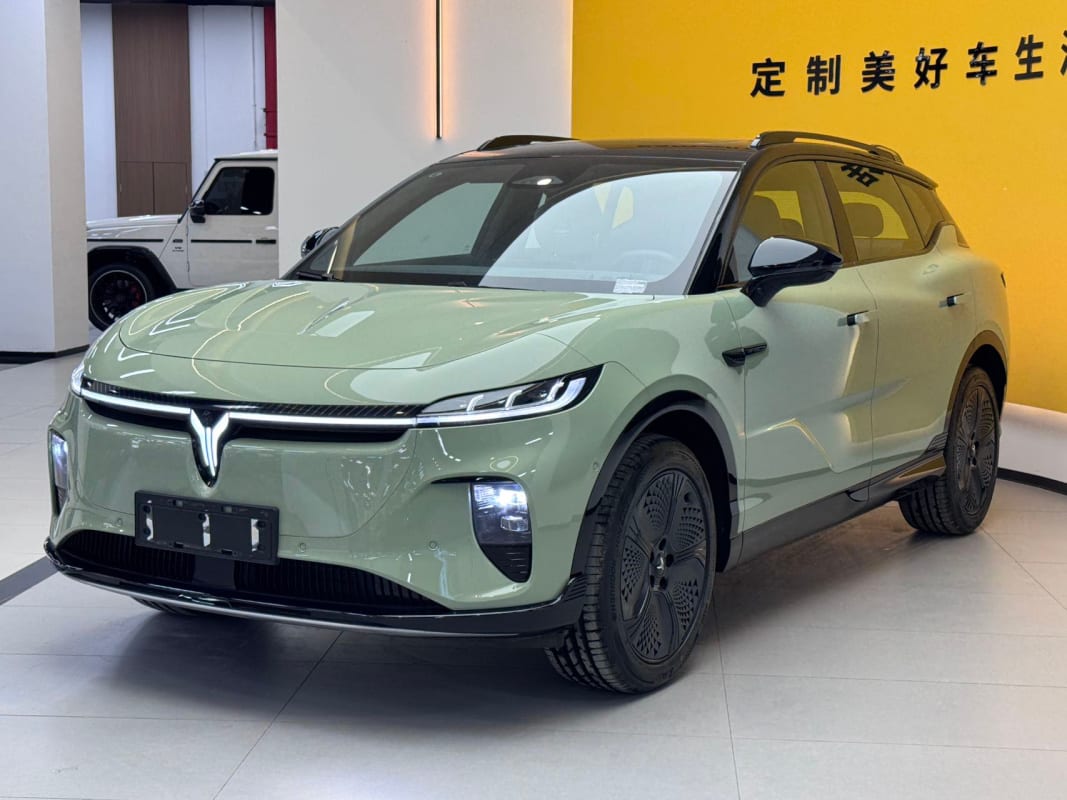
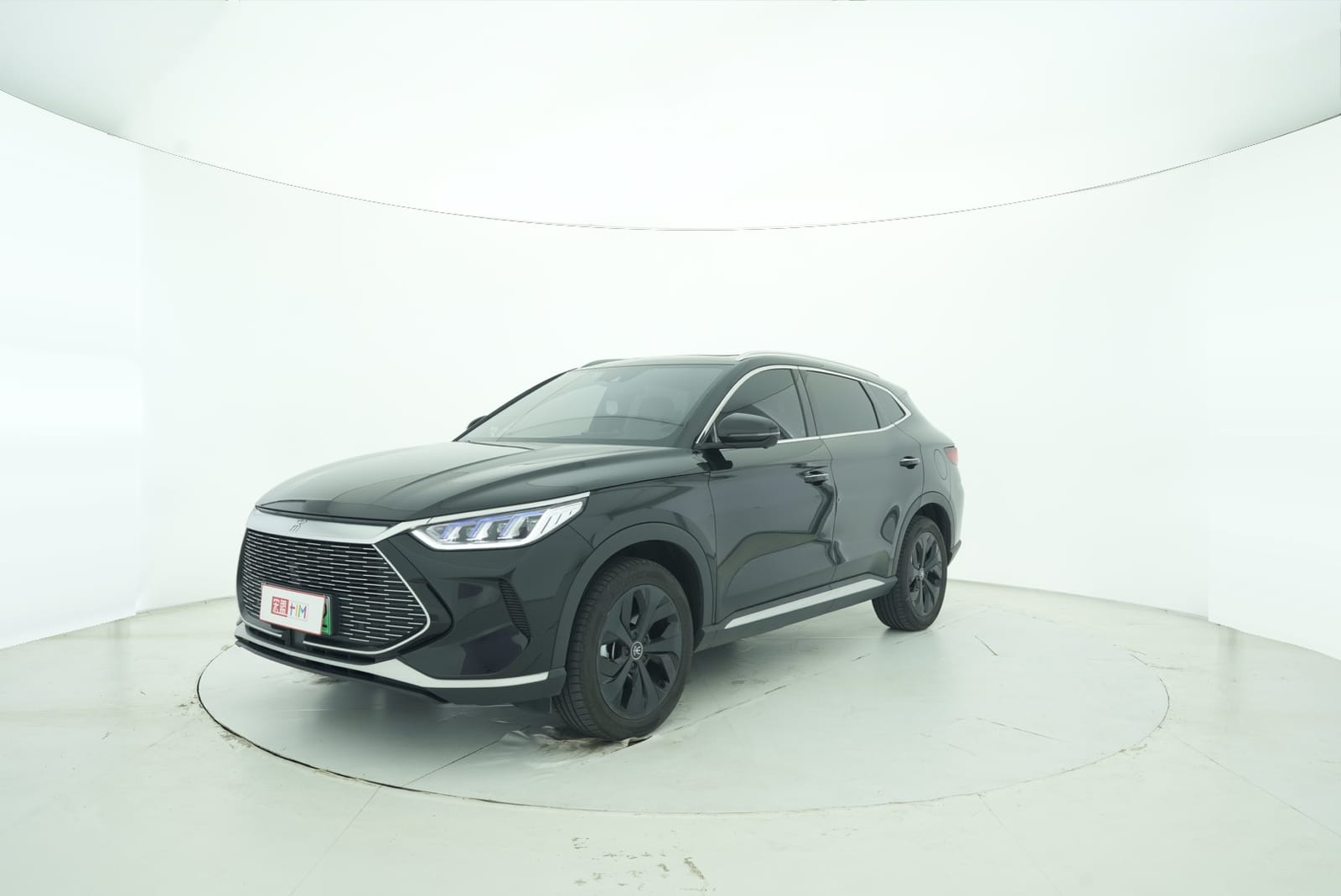
These are used-car statistics for the periods stated; they do not include new vehicles and are not national vehicle export totals. Attendance figures are the organiser's event numbers. The two photographs are real vehicle images, illustrative only.
CAAM Lifts China's 2026 Export Forecast Above 11 Million as October Shipments Top 1.06 Million
From Buying a Car to Using One: China's Shift to Usage-Based Auto Policy and What It Means for Used-Car Supply