JETOUR Dashing Buyer Guide: 2026 1.5T Youth Edition Elite vs 2023 Star PRO
Comparing two photographed JETOUR Dashing compact SUVs — a 2026 1.5T Youth Edition Elite in white and a 2023 1.5T Star PRO in grey. Both carry Chery's SQRE4T15C 1.5-litre turbo (156 PS, 230 N·m) and a six-speed wet dual-clutch gearbox, on a 4,590 mm unibody with a 2,720 mm wheelbase and a multi-link rear axle. This guide covers what the Dashing is, how the 1.5T + 6DCT drives, what separates the trims across the 2023-to-2026 gap, what a used example must be inspected for, which buyers and export markets it suits, and the export document trail.
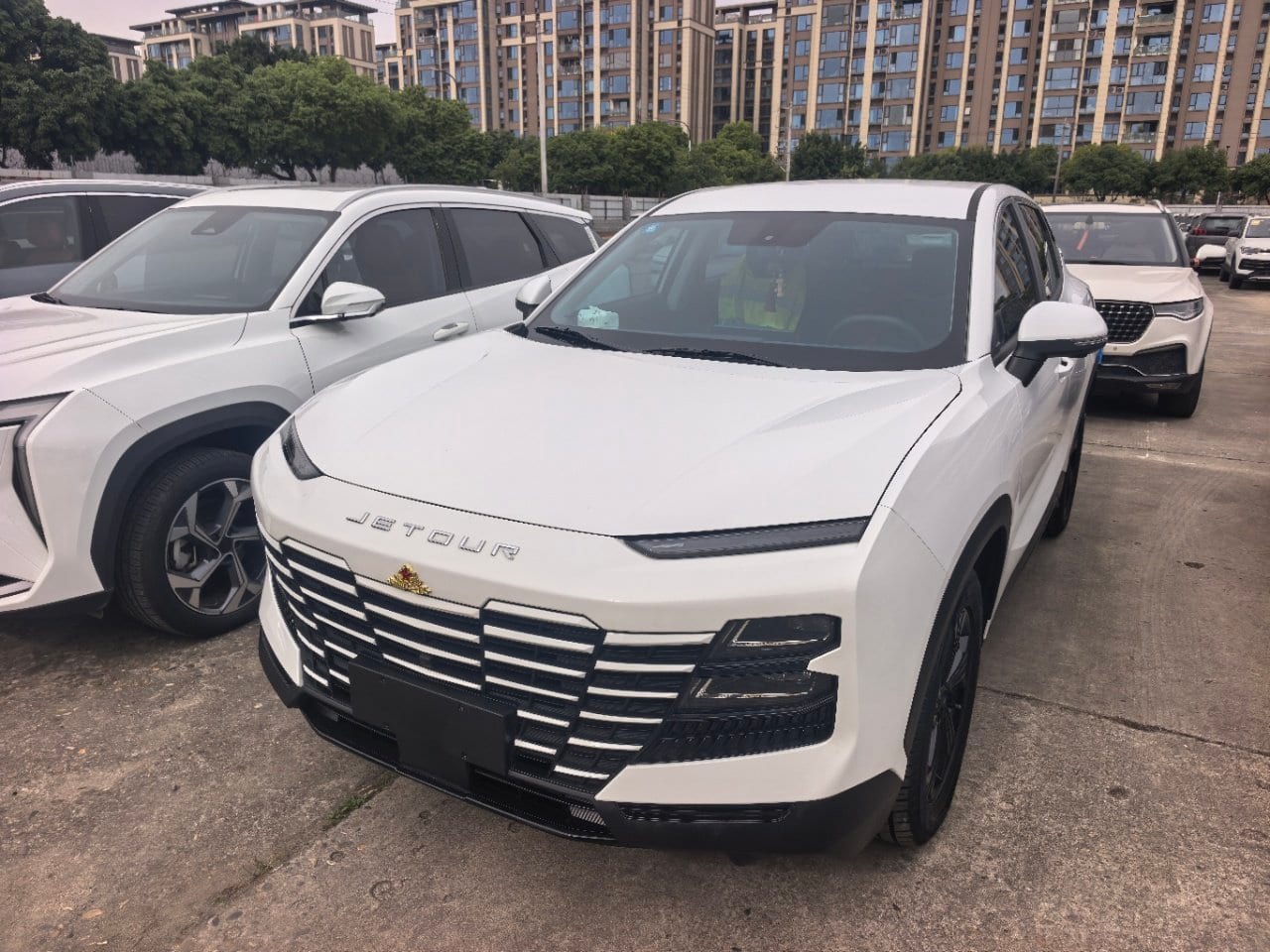
Chery's "Great Sage" Compact SUV
JETOUR (捷途) is the SUV-focused sub-brand Chery spun up in 2018 to chase two things the parent company already did well — value-for-money crossovers and export markets — and to do both faster than a legacy line-up allows. The Dashing (大圣, "Great Sage", the Monkey King's title in Journey to the West) is its compact flagship: a 4,590 mm five-seat SUV that arrived in 2022 and has since become one of JETOUR's highest-volume export models.
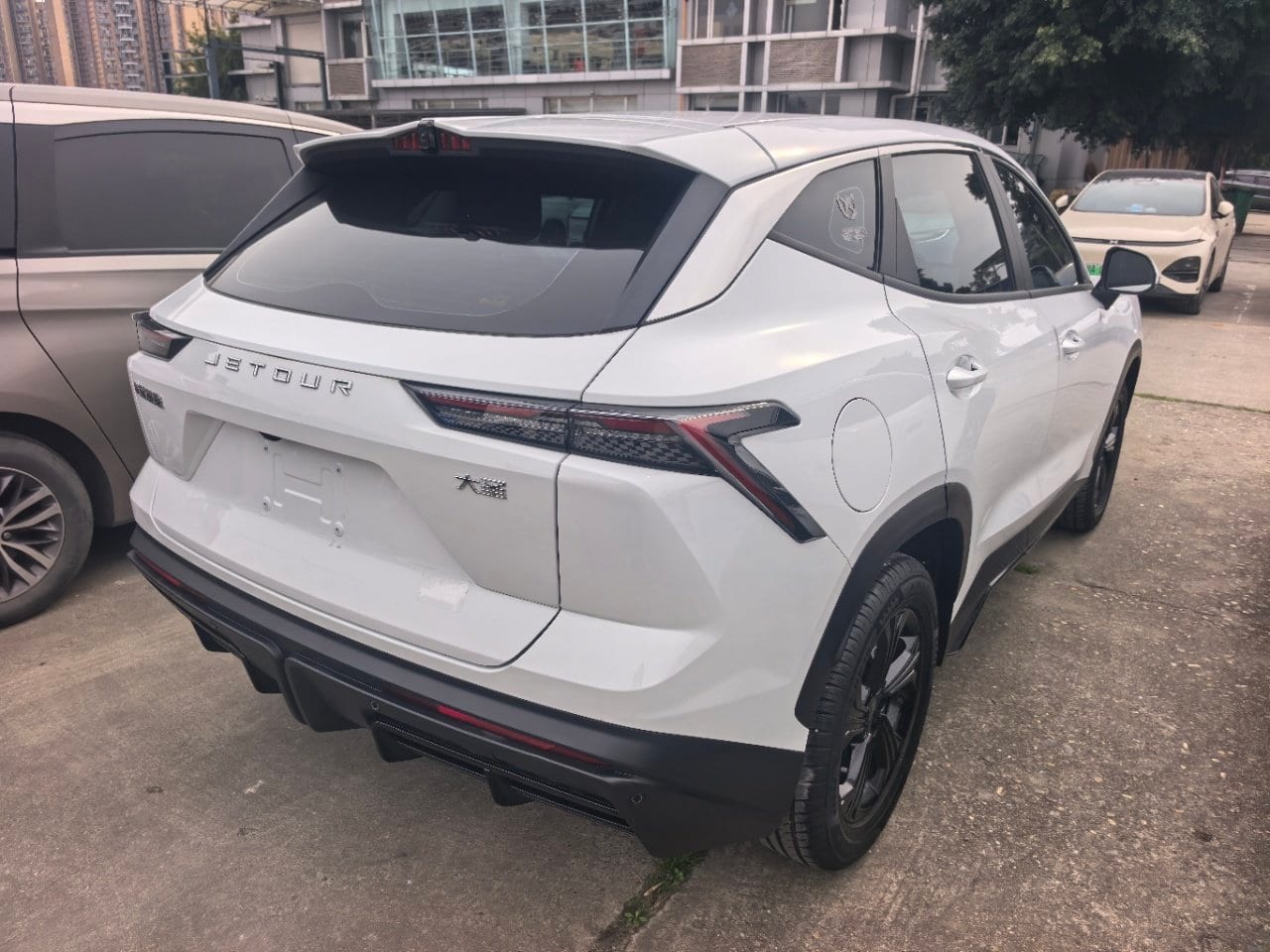
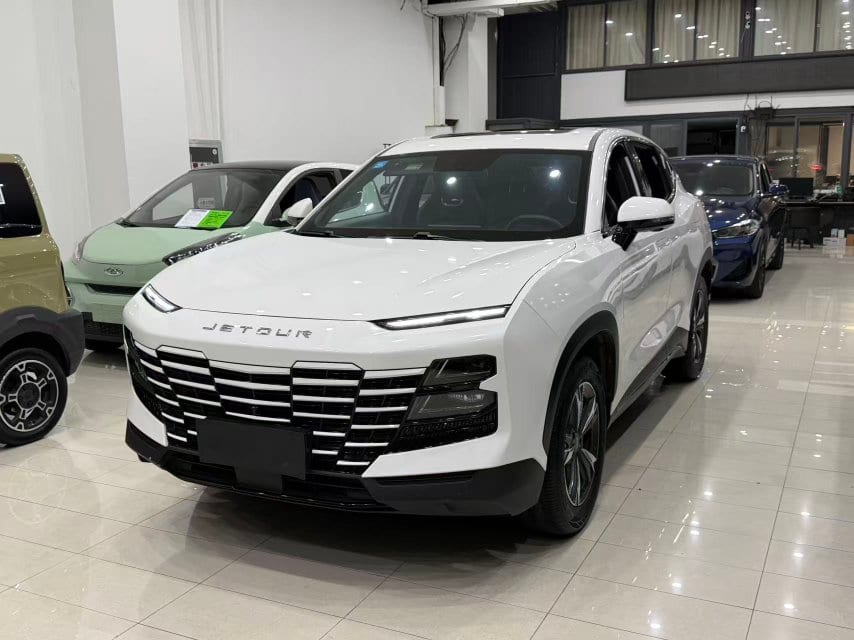
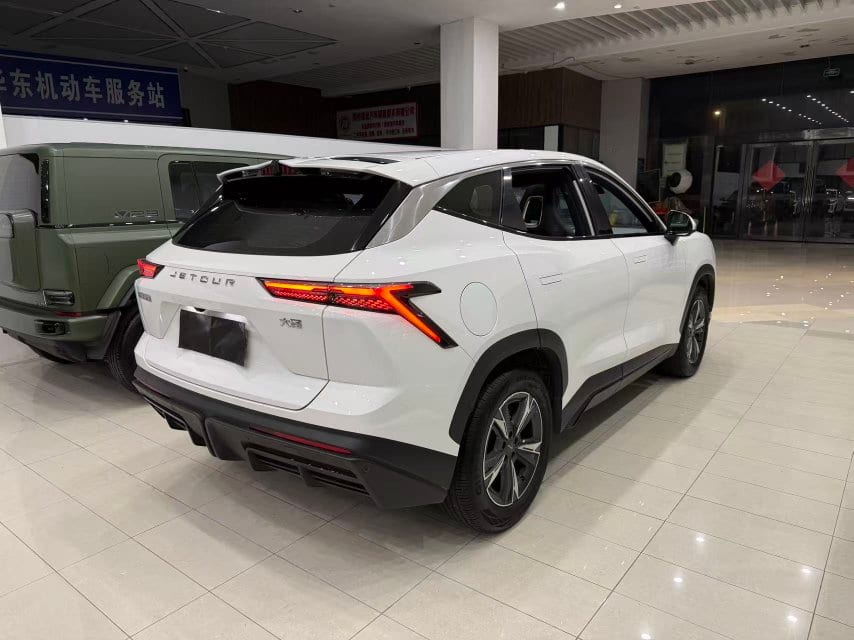
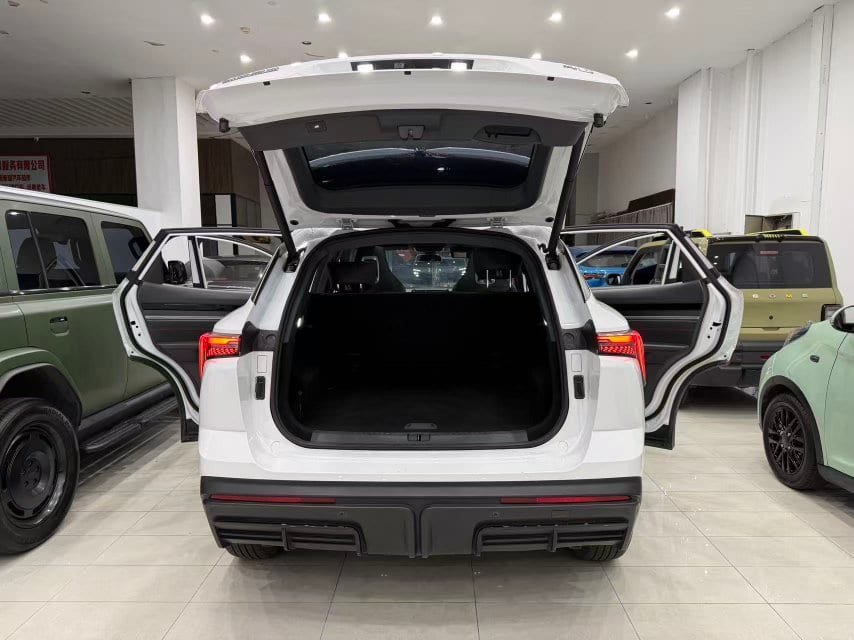
Two cars are photographed here. The first is a 2026 JETOUR Dashing 1.5T Youth Edition Elite, white; the second is a 2023 JETOUR Dashing 1.5T Star PRO, grey. They share the same platform, the same engine family and the same footprint — what separates them is model year, trim level and a handful of equipment decisions. Reading the two together shows how the Dashing has moved in four years.
Where the Dashing Sits
JETOUR's range is deliberately small and SUV-heavy: the X70, X90 and X95 people-movers at one end, and the Dashing and Shanhai (山海) crossovers at the other. The Dashing is the urban end of that range — a front-drive, monocoque compact crossover aimed at buyers who want the presence and ride height of an SUV without the fuel bill or the off-road complexity of a body-on-frame truck.
It is not a hard-core off-roader. There is no low-range transfer case and no locking differential. What it offers instead is a planted on-road stance, a multi-link rear axle that is unusual at this price point, and a cabin designed around screens and storage rather than tow hooks and skid plates.
The Dashing sits on Chery's Kunpeng-era architecture, sharing fundamentals with a number of Chery and JETOUR products. That shared engineering is why parts, service knowledge and workshop coverage are relatively easy to find in export markets — a real consideration when a car is being sent thousands of kilometres from its home market.
The 1.5T Powertrain
Both photographed cars carry the same engine: the SQRE4T15C, a 1.5-litre turbocharged inline-four with 16 valves and dual VVT. It makes 156 PS (115 kW) at 5,500 rpm and 230 N·m from 1,750 to 4,000 rpm, fed by multi-point fuel injection and tuned to run on 92-octane petrol. Emissions are China VI (b).
The gearbox is a six-speed wet dual-clutch driving the front wheels. The "wet" part matters: the clutch pack runs in oil, which copes better with stop-start traffic and low-speed creeping than a dry-clutch unit — the classic weak point of early dual-clutch boxes. The Dashing pairs this with an electrically assisted steering rack and disc brakes front and rear.
The higher-trim "King" (王者) versions step up to a 1.6-litre turbocharged engine with more power and a seven-speed dual-clutch. For a used export, the 1.5T + 6DCT is the volume combination and the one with the widest parts and service base.
What this means in daily use: 156 PS in a roughly 1.5-tonne crossover is adequate rather than fast. The torque arrives low and the 6DCT shifts quickly once moving; the engine is happiest on 92-octane fuel and is not designed to be revved hard. Fuel consumption sits around 7.8 L/100 km on the WLTC cycle.
Dimensions and Chassis
| Item | Specification |
|---|---|
| Length / width / height | 4,590 / 1,900 / 1,685 mm |
| Wheelbase | 2,720 mm |
| Body | 5-door, 5-seat unibody SUV |
| Kerb weight | ~1,530 kg |
| Fuel tank | 57 L |
| Front / rear suspension | MacPherson strut / multi-link |
| Tyres | 235/60 R18 (higher trims up to 255/45 R20) |
| Top speed | 180 km/h |
The numbers place the Dashing at the larger end of the compact crossover class: a 2,720 mm wheelbase gives a genuinely usable second row, and a 1,900 mm width is wide enough to notice in a parking bay but still manageable in export markets with narrow streets.
The multi-link rear is the specification worth pausing on. Many competitors at this end of the market use a cheaper torsion-beam rear axle. A multi-link layout isolates the two rear wheels better over broken surfaces — relevant because a used car exported to Africa, Central Asia or the Middle East will spend much of its life on imperfect roads.
Trims and the 2023-to-2026 Gap
The Dashing line-up is a ladder of trims. The Youth (青春版) is the entry point; the Youth PRO adds equipment; the Star (星耀) and Star PRO (星耀PRO) are the mid-to-upper trims; the King (王者) uses the 1.6T engine. The 2023 Star PRO here is the upper 1.5T trim of its year, while the 2026 Youth Edition Elite is a newer-year entry-plus trim — the naming has shifted as JETOUR re-tiered the range.
Across the four-year gap the fundamentals stayed constant: the 1.5T + 6DCT powertrain, the 2,720 mm wheelbase and the unibody platform did not change. What changed year on year is equipment — screens, driver-assistance features, trim finishes and lighting. When comparing two used examples, trim level matters more than model year for the mechanicals, but model year matters for which electronic features are present.
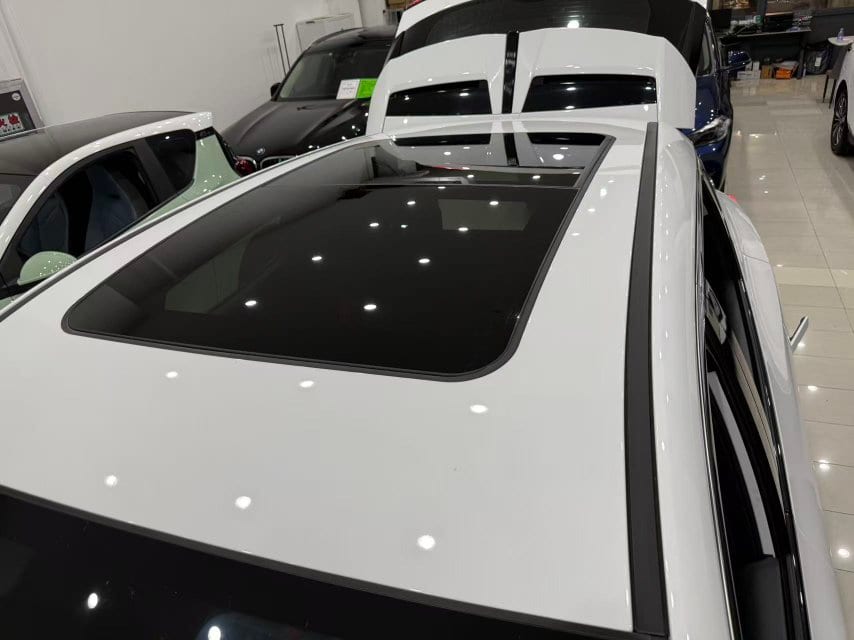
The Dashing's calling card is its design: a bold split headlight face, a coupe-like roofline and, on many trims, flush door handles. It is a deliberately "mecha" look that reads younger than most Chery-family crossovers.
What to Inspect on a Used Dashing
1. The dual-clutch box. Have the 6DCT checked for harsh engagement from standstill, judder in slow traffic and any delay between Drive and reverse. A wet-clutch unit is robust, but a poorly serviced example will show itself in creeping traffic.
2. Turbo and intake. Listen for a healthy spool and a clean idle; check for oil residue around the turbo inlet and intercooler pipes. The SQRE4T15C is a well-proven unit, but neglected oil changes shorten turbo life.
3. Electronics and screens. The Dashing puts a lot of the car's functions into its central screen. Confirm every function — climate, drive modes, door handles if power-operated — works before purchase, because screen-dependent features are the most common non-mechanical faults.
4. Suspension and alignment. Check the multi-link rear and the front strut mounts for wear and uneven tyre wear, especially if the car has spent time on poor roads.
5. Body and corrosion. Chinese-market cars are increasingly well protected, but check the usual points — sills, door bottoms, the boot floor — if the car has lived in a humid or coastal region.
Who the Dashing Suits, and Where It Exports
The Dashing is a city-first crossover for buyers who want SUV presence and a big screen without a big engine or a big fuel bill. It suits:
- Cost-conscious private buyers — the 1.5T + 6DCT is cheap to run on 92-octane fuel and parts are widely available.
- Fleet and ride-hailing operators — the 2,720 mm wheelbase gives a comfortable rear bench.
- Export buyers — JETOUR has built real distribution and after-sales networks in the Middle East, Central Asia, Russia, Africa and Latin America, which is what turns a good-value car into a supportable one.
The roof view shows the Dashing's full glass area and coupe-like line — a design-led feature that also matters for resale appeal in style-conscious markets.
Export Documents and Compliance
Bringing a used Dashing out of China follows the same paper trail as any used vehicle:
- Export licence — issued to the licensed exporter; the buyer's side is usually the destination-market importer.
- Registration certificate and cancellation — the car must be deregistered in China before export; the cancellation proof is part of the export file.
- Commercial invoice and packing list — the exporter's standard trade documents.
- Certificate of Origin — required by most destination customs authorities.
- Destination compliance — emissions class, left- or right-hand-drive, lighting and, increasingly, the after-sales confirmation for recently registered vehicles.
Because the Dashing is sold officially in many export markets, homologation and parts for most destinations already exist — a genuine advantage over less-established Chinese models.
Questions Buyers Ask
Is the 1.5T enough? For city and highway use, yes — 230 N·m arrives low and the car is not heavy. It is not a performance SUV, and no amount of trim will make it one.
Wet DCT — should I worry? Less than with a dry-clutch unit. The 6DCT is the proven JETOUR/Chery pairing. Just verify it has been serviced and drive it in slow traffic before deciding.
Star PRO or Youth Edition Elite? Mechanically they are close. Choose by equipment: the Star PRO of its year is a higher content level; the newer Youth Edition Elite may carry newer-year electronics. Compare the specific cars, not the names.
Is it expensive to maintain? No. The engine is a high-volume Chery unit, parts are plentiful, and 92-octane fuel keeps running costs down.
Can it handle rough roads? It is a front-drive unibody crossover with a multi-link rear. It handles broken pavement well but is not a body-on-frame off-roader — do not confuse it with a Land Cruiser.
Next Step
If a compact, value-led SUV with a proven 1.5T powertrain and a supportable export parts network is what you need, the JETOUR Dashing is one of the more sensible Chinese crossovers to consider. The two cars shown here — a 2026 Youth Edition Elite in white and a 2023 Star PRO in grey — illustrate the same platform at two different points in the range.
Tell us the destination country and the target spec, and we will match you to an in-stock Dashing that fits — with the export documents, compliance check and shipping handled end to end.
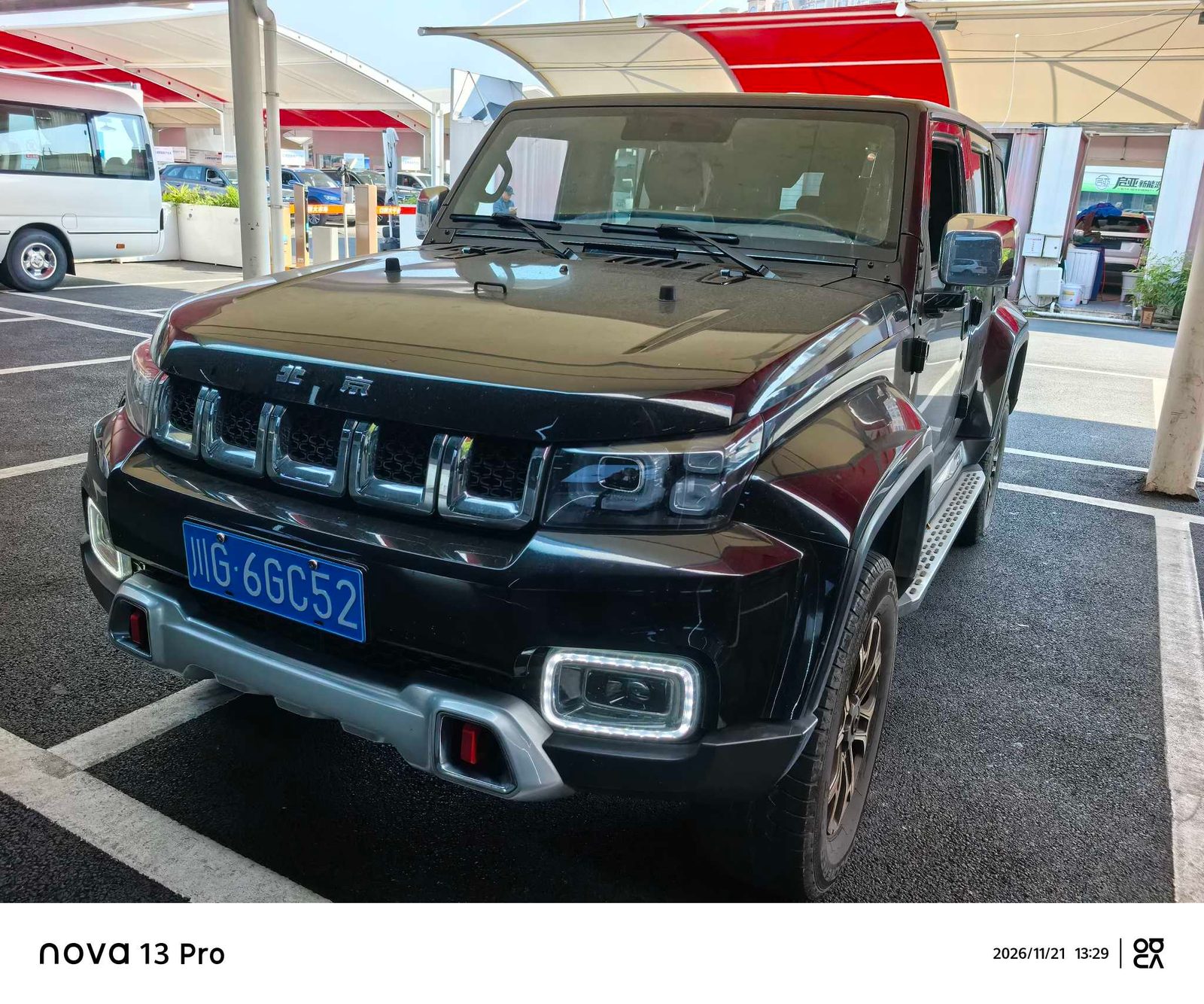
BAIC BJ40 PLUS Buyer Guide: 2018 2.0T City Hunter and the Body-on-Frame 4WD to Inspect
Product Research Team
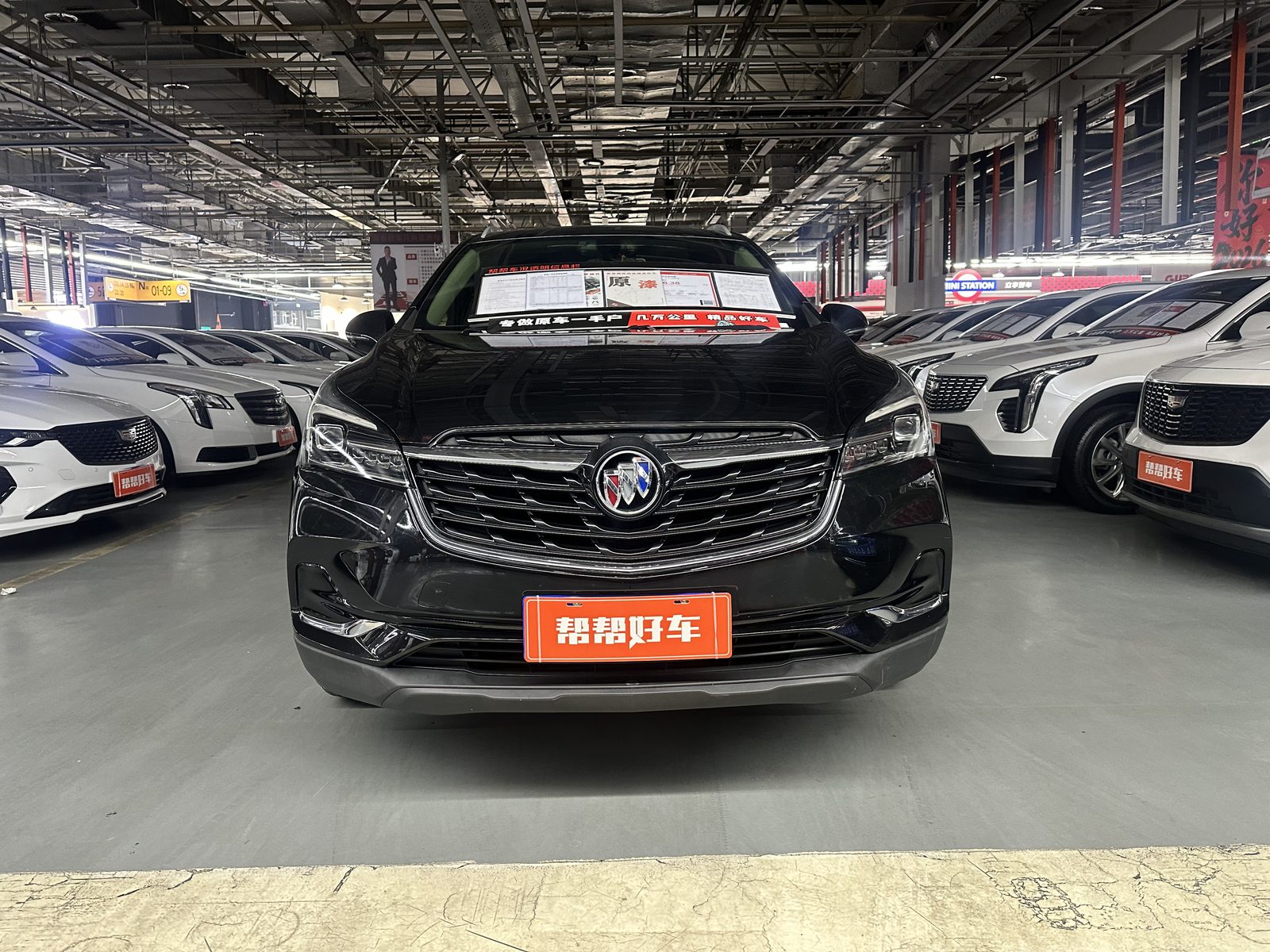
Buick Envision Buyer Guide: 2020 20T 1.5T and the Dry-DCT You Must Inspect
Product Research Team
Lexus LX Buyer Guide: 2019 LX 570 V8 vs 2022 LX 600 Twin-Turbo
Product Research Team