China Cuts the NEV Export VAT Rebate From 13% to 9%: What Used-Car Exporters Should Do Before April 2027
The Ministry of Finance and the tax authority published Announcement No. 29 of 2026 on 12 October: from 1 April 2027 the VAT export rebate on new-energy vehicles falls from 13% to 9%, under a list of 67 eight-digit customs codes. There is a 5.5-month window, and the rebate is set by the declaration date on the export customs form — which is the lever every exporter has.
What Was Announced
On 12 October 2026 the Ministry of Finance and the State Taxation Administration published Announcement No. 29 of 2026, "Adjustment of Export VAT Rebate Policy for Certain Products".
The operative line for this industry:
From 1 April 2027, the VAT export rebate rate for new-energy vehicles falls from 13% to 9%.
The affected products are listed in Annex 1 of the announcement as 67 eight-digit customs codes, covering battery-electric, plug-in hybrid and range-extender passenger cars and commercial vehicles. The announcement also removes the export rebate for electronic-cigarette devices from the same date, and leaves consumption-tax treatment unchanged.
Two mechanical details matter more than the headline:
- The rate is determined by the export date shown on the customs declaration, not by when the goods were produced or invoiced.
- There is no grandfathering clause — the switch is a single date.
The Timeline
| Date | What happens |
|---|---|
| 12 October 2026 | Announcement No. 29 published |
| 31 March 2027 | Last day of the 13% rate on the export declaration |
| 1 April 2027 | 9% rate applies to NEVs declared for export |
| 1 April 2027 | Export rebate removed for electronic-cigarette devices (separate list) |
That is a buffer of roughly 5.5 months — considerably longer than the half-month notice given to solar and battery exporters in the round of adjustments announced in 2024.
The Numbers Behind It
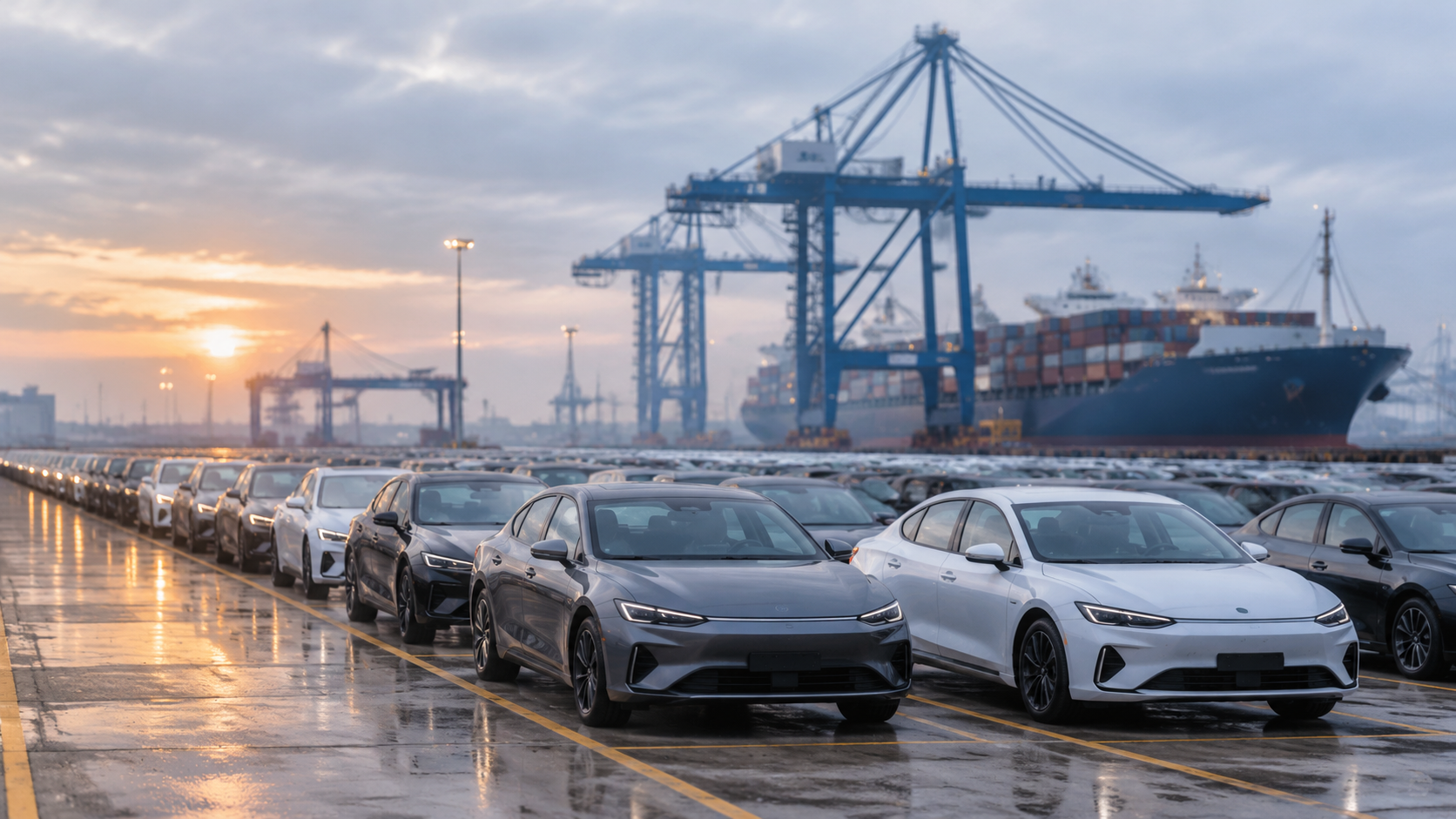
The policy lands on top of an export boom. Research from Orient Fortune Securities, published on 13 October, cites 8.205 million vehicles exported in January–September 2026, up 65.8% year on year, of which 4.006 million were new-energy vehicles, up 1.3 times.
This is not an isolated measure. It follows the Guidelines on Overseas Competitive Behaviour and Compliance in the Auto Industry, issued by the Ministry of Commerce with two other departments on 1 September 2026, and it sits alongside the ministry's 2027 export-licence application notice for vehicles and motorcycles (Shang Ban Mao Han [2026] No. 404), which tightens overseas after-sales requirements and the entry bar for modified vehicles.
The consistent direction of all three is the same: fewer, better-documented exporters, and an end to the practice of exporting domestic price competition.
What It Means for Used-Car Exporters
1. The rebate is a cash-flow item, not a sticker price. A four-point swing on the rebate changes the margin on an electrified unit, and that margin has to come from somewhere — the purchase price, the freight, or the buyer's price. Work out the number per car, per lane, before your next negotiation.
2. Second-hand NEVs are read the same way as new ones. China National Radio's report of 30 October states that the list does not distinguish new from used vehicles, so a used electric car exported under one of the listed codes falls inside the change. Treat the eight-digit code on the customs declaration as the deciding fact for any individual car, not the model year.
3. The deadline is on the declaration, not the contract. A contract signed in March does not preserve 13% if the goods are declared in April. Loading schedules, vessel bookings and port congestion now have a hard financial consequence.
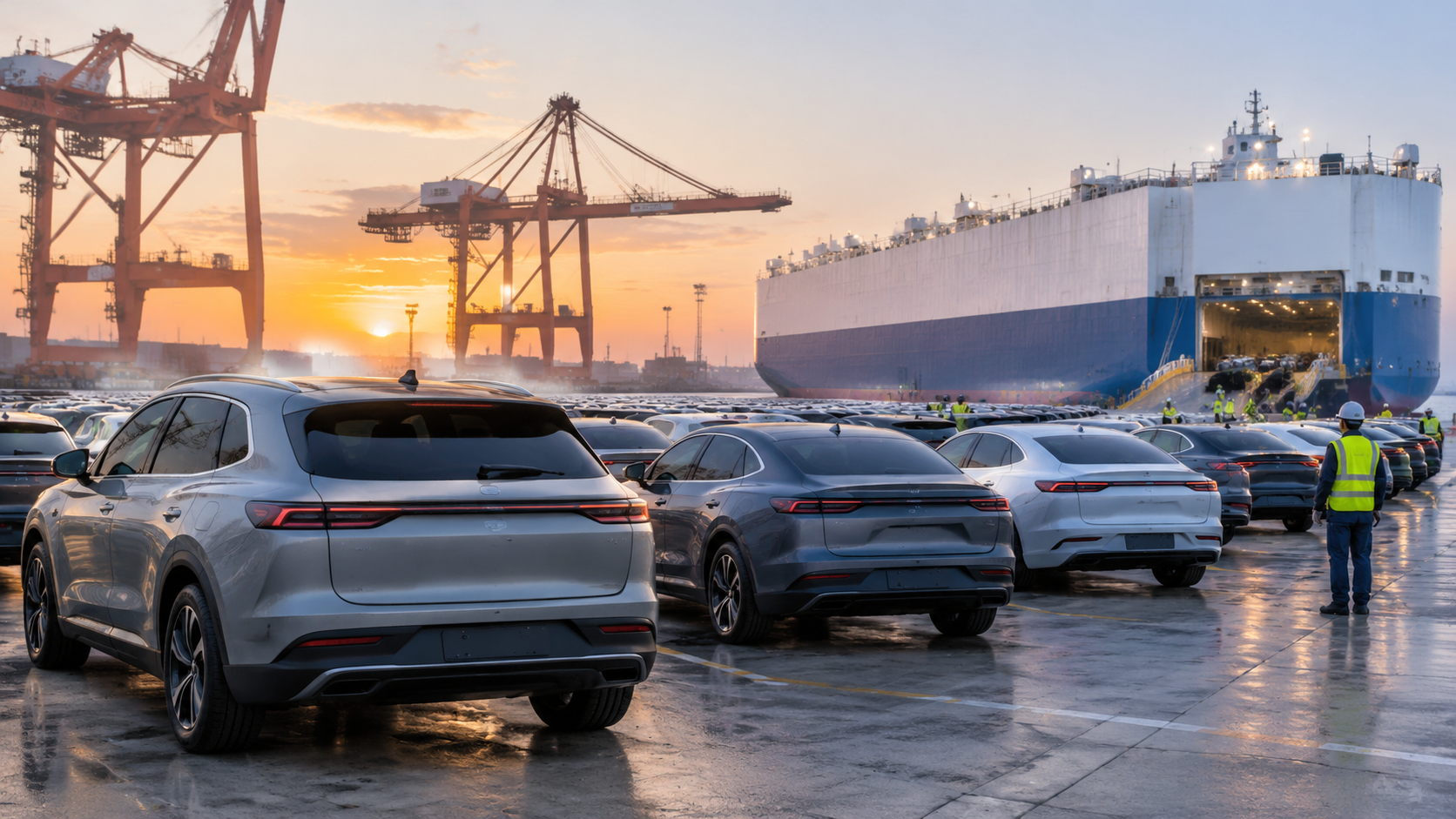
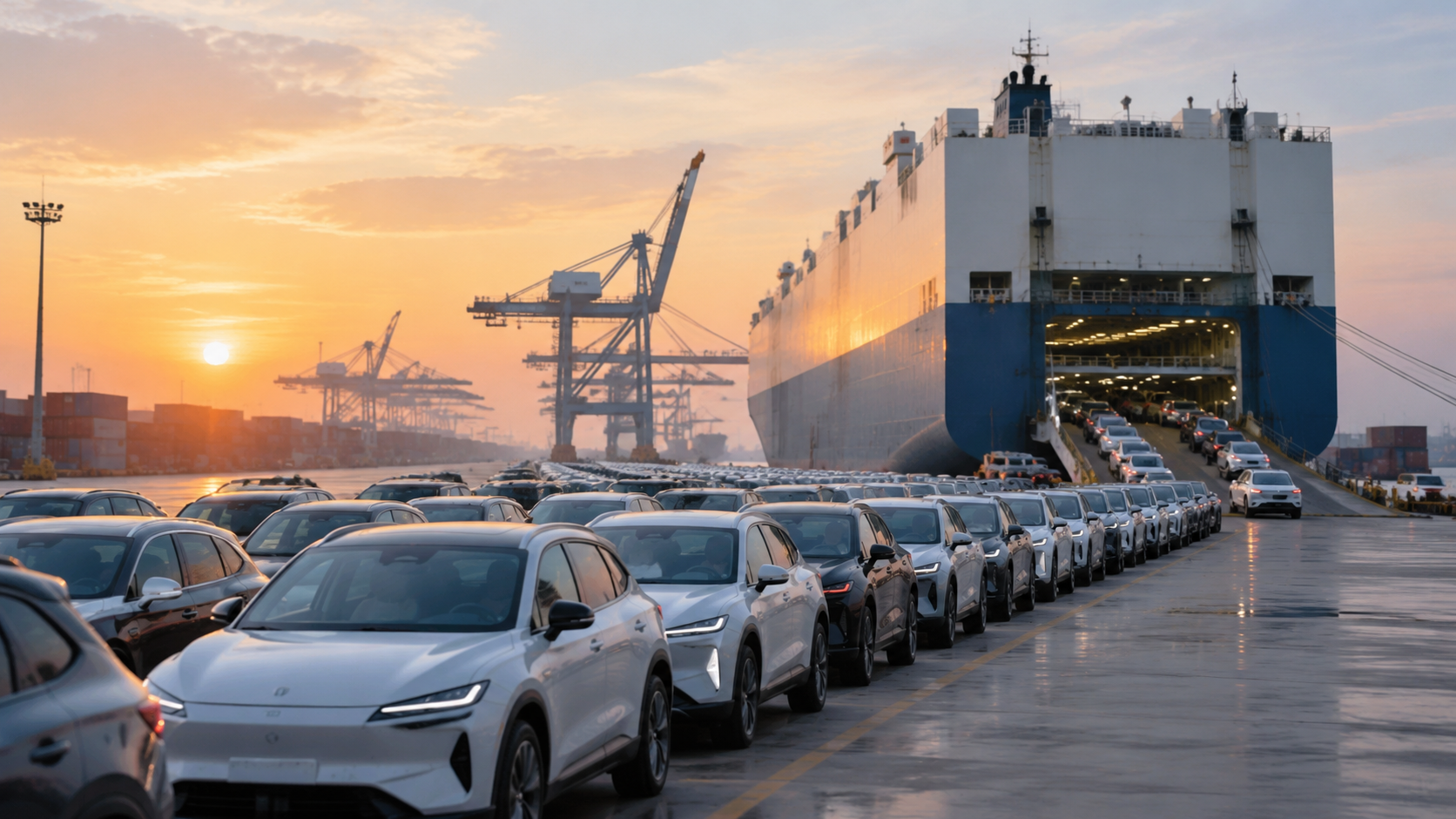
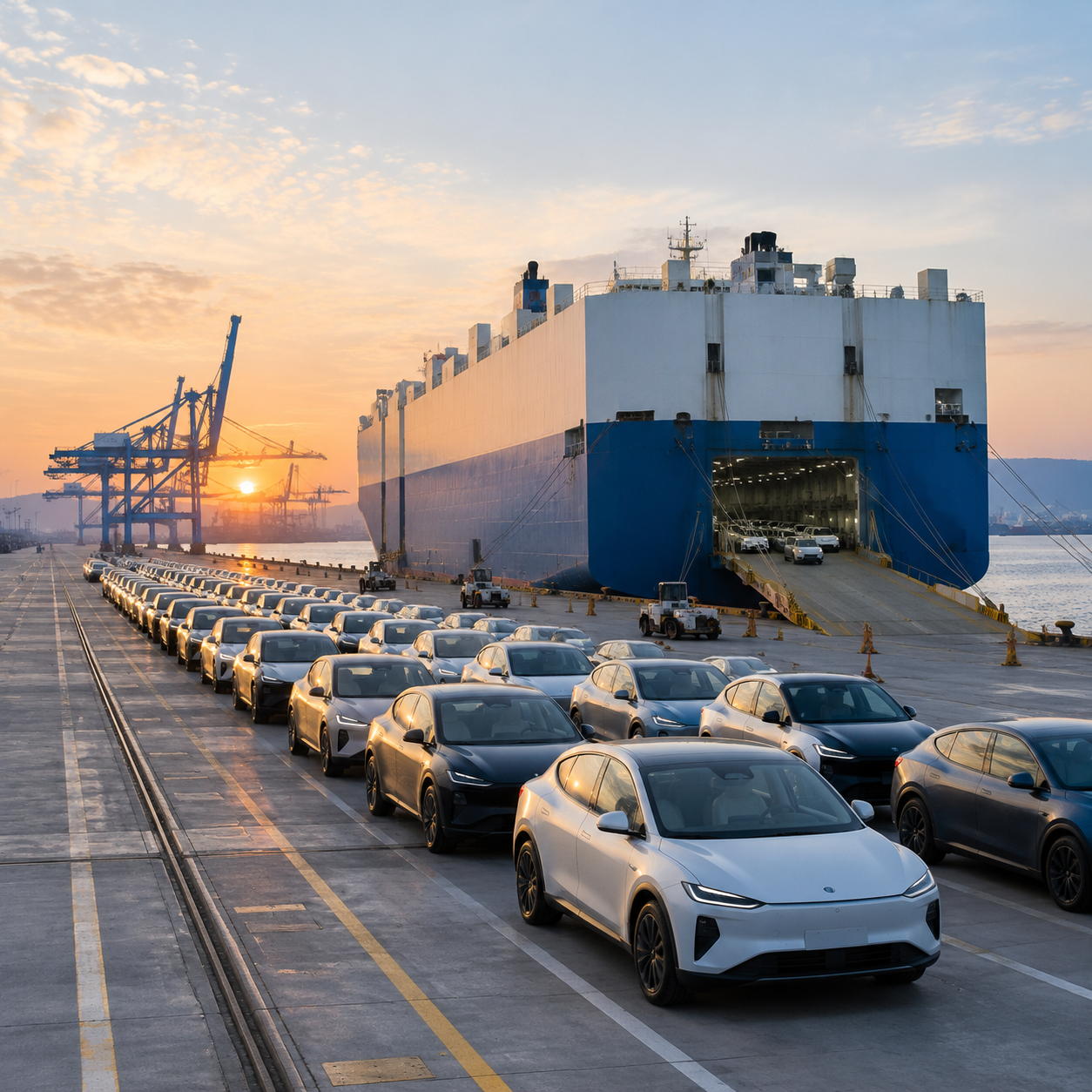
4. The last quarter of the window will be crowded. Everyone with an electrified unit and a willing buyer will try to declare before 31 March 2027. Ports, ro-ro space and customs brokers will be the bottleneck, and freight rates on the main lanes will move.
What to Do in the Next Five Months
- Model the per-unit effect now, using the actual codes on your declarations rather than an assumed category.
- Move existing electrified stock through the window where the buyer is ready; do not bank on a quiet March.
- Book shipping capacity earlier than usual for Q1 2027 declarations.
- Agree price-adjustment language with buyers for contracts that straddle 1 April.
- Re-check the code, not the brochure. The list is defined by eight-digit codes; two visually identical cars can sit on different lines.
A Note on Precision
The announcement text, the 1 April 2027 date and the 13%-to-9% change are published policy. The per-unit cost estimates circulating in Chinese media are industry modelling, not official figures, and they depend on assumptions about volume and mix. Where a number matters to a specific deal, use the customs code and the declaration date, and confirm with the broker handling that shipment.
Sources: Ministry of Finance / State Taxation Administration Announcement No. 29 of 2026 (published 12 October 2026); China National Radio report, 30 October 2026; Orient Fortune Securities auto-sector note, 13 October 2026.