EU Used Chinese EV Imports Jump 280% as Tariffs Hit Only New Cars
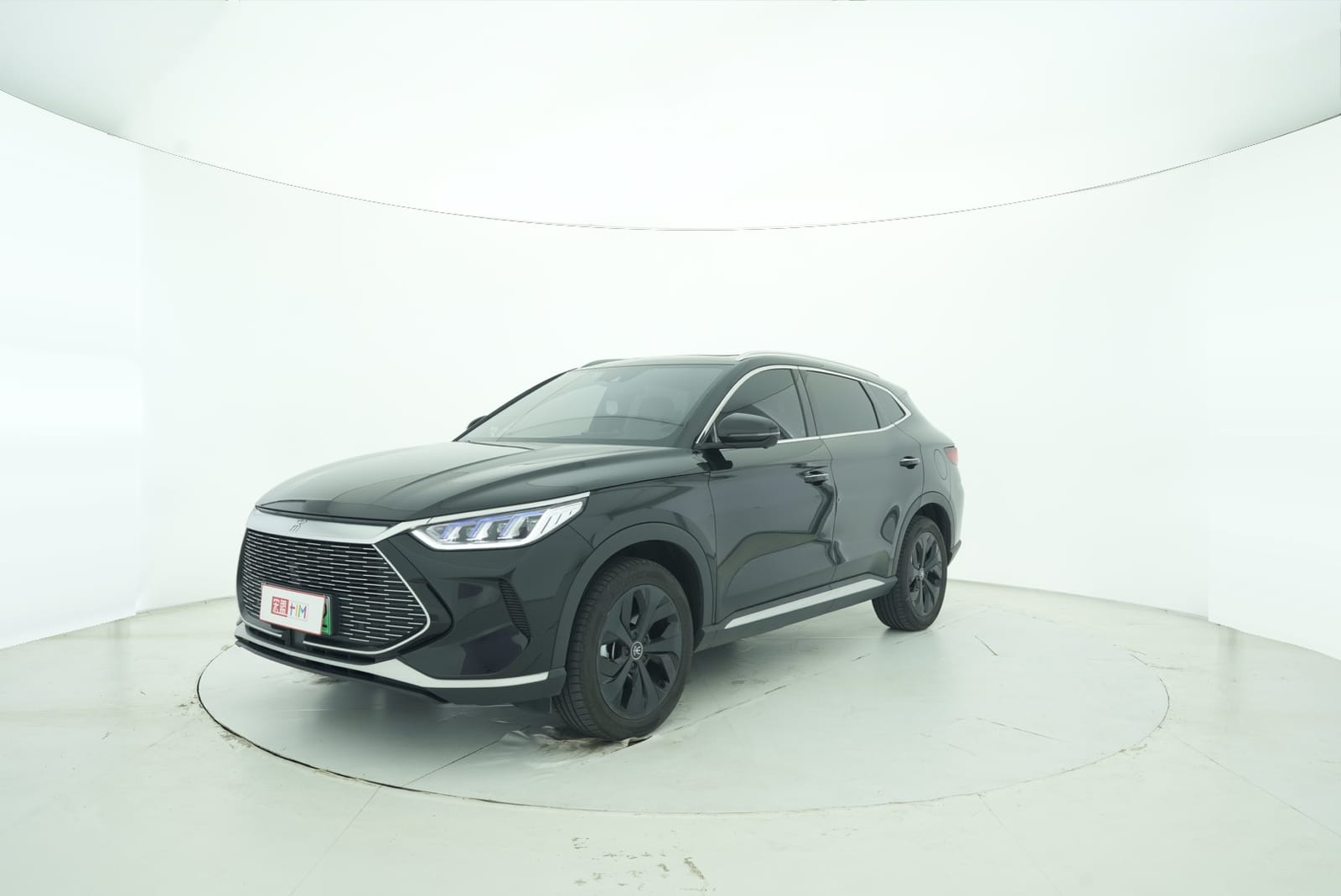
EU buyers imported about 7,900 used Chinese electric cars in January-September 2026, up 280% year on year, according to German EV site ElektroQuatsch citing China EV Marketplace data, while the same platform's new Chinese EV sales to the EU fell 44%. The shift follows the EU's countervailing duties on new Chinese battery-electric cars, in force since 30 October 2024: 17% for BYD, 18.8% for Geely and 35.3% for SAIC, plus the 10% base duty, up to 45.3%. A car classified as used pays only the 10% base duty. The EU defines used as permanently registered for more than six months and driven more than 6,000 km. The figures are platform data, not Eurostat totals, and the European Commission has previously said official data showed no significant rise.
What Happened
EU buyers imported about 7,900 used Chinese electric cars in January-September 2026, up 280% year on year, according to the German EV site ElektroQuatsch, citing data from China EV Marketplace, a Czech-registered platform that sources cars in China. Over the same period, the platform's sales of new Chinese EVs to the EU fell 44%.
The shift is a direct response to the EU's countervailing duties on new Chinese battery-electric cars, in force since 30 October 2024. New cars pay additional duties of 17% for BYD, 18.8% for Geely and 35.3% for SAIC, on top of the 10% base tariff, for a maximum of 45.3%. A car classified as used pays the 10% base duty only.
The EU's definition of "used" is strict. Under CN Explanatory Note C/2025/330 of 13 January 2025, a vehicle must have been permanently registered for more than six months and driven more than 6,000 km. If either condition is not met, it is treated as new for duty purposes.
The story matters beyond one platform. The EU and China also agreed a safeguard quota on new Chinese hybrids and plug-in hybrids: 350,000 units a year from 1 December 2026, rising 6% a year over four years. That quota covers new cars, not used ones. Reports of its start date and formal adoption should be checked against the official implementing act.
The Numbers and Their Scope
| Metric | Value | Scope |
|---|---|---|
| Used Chinese EV imports to the EU, Jan-Sep 2026 | about 7,900, +280% YoY | ElektroQuatsch / China EV Marketplace data, not Eurostat |
| New Chinese EV sales to the EU via the same platform | -44% | Platform sales data, not total EU market |
| Countervailing duty on new Chinese BEVs | BYD 17%, Geely 18.8%, SAIC 35.3% + 10% base, up to 45.3% | EU, in force since 30 Oct 2024 |
| Duty on a car classified as used | 10% base only | EU customs |
| EU "used" threshold | registered >6 months AND >6,000 km | CN Explanatory Note C/2025/330, 13 Jan 2025 |
| EU-China hybrid quota | 350,000 units/year from 1 Dec 2026, +6%/year, four years | Reported; new cars only; formal adoption not confirmed in sources reviewed |
Four cautions. First, the 7,900 and 280% figures are platform-derived, not official Eurostat import totals. The European Commission told the European Parliament in September 2025 that Eurostat data showed no significant rise in used EV imports, while confirming that some importers were temporarily registering new cars in third countries to pass them off as used. The platform data shows a trend, not the official market size.
Second, the 44% decline is the platform's new-car sales, not the total EU new-car market. It should not be compared with ACEA registration figures.
Third, the three regimes are different: new BEVs pay countervailing duties; new hybrids face the quota from December; used cars pay the 10% base duty but must meet the six-month/6,000 km test. Do not mix them.
Fourth, the hybrid quota's formal member-state approval and exact start date were not confirmed in the sources reviewed. The 1 December date is widely reported, but the implementing act should be checked before booking shipments.
Why the Used-Car Route Exists
The arithmetic is simple. A new Chinese EV facing a duty of up to 45.3% is expensive in Europe. A used one paying 10% is not. China EV Marketplace's chief operating officer, Jakub Geršl, told reporters that a near-new car with about 6,000 km can sell for roughly 40% below the Chinese original guide price. For European buyers looking for an affordable EV, that is a powerful difference.
Europe's used EV market is small but growing. The UK's SMMT reported that used battery-electric sales rose 67% year on year in the second quarter of 2026, though they were still only 5.5% of the used market. The IEA's Global EV Outlook 2026 estimated that BEVs were only about 4% of used-car transactions in Germany, France, the UK, Italy and Spain in 2025. Affordability, not choice, is the constraint.
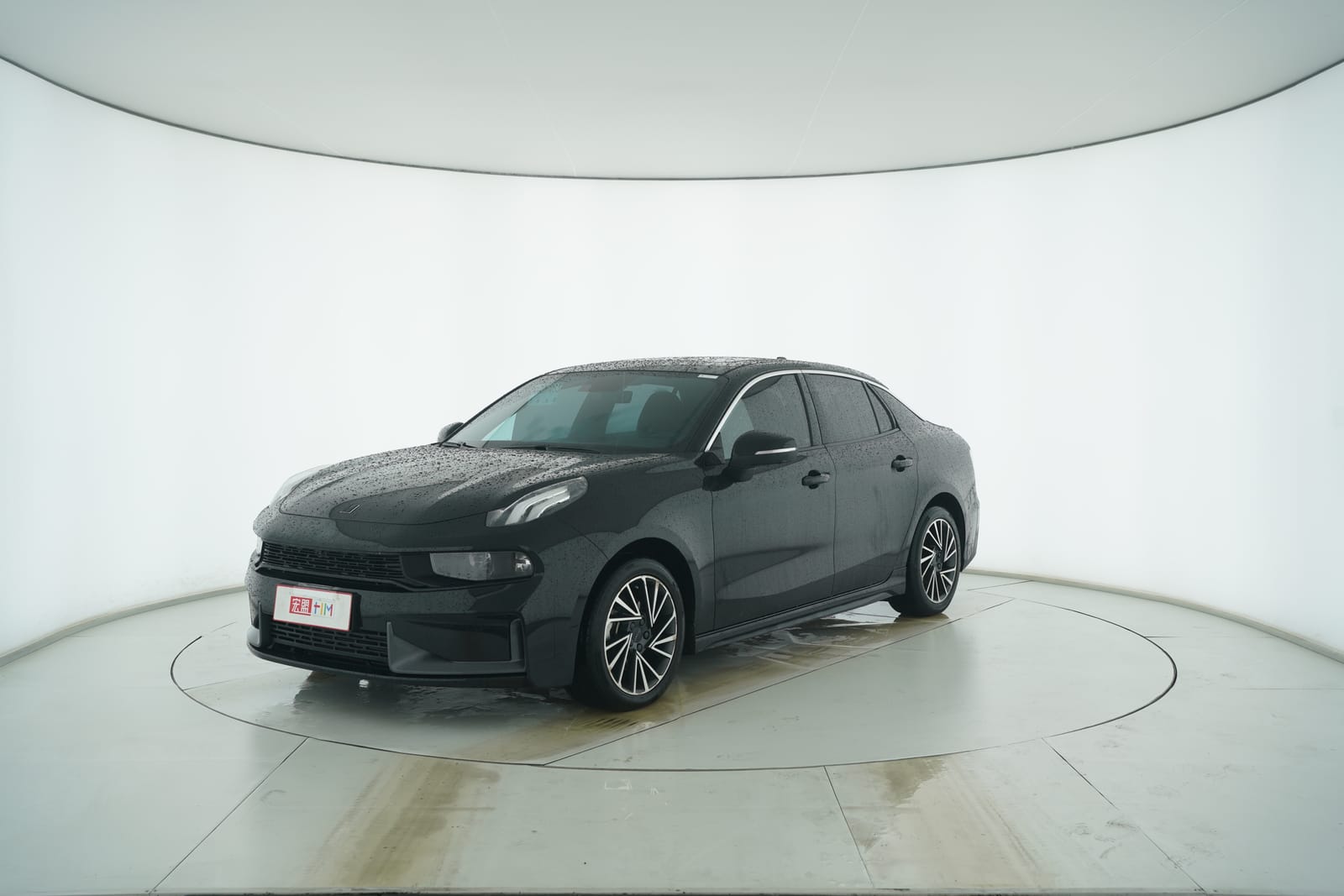
The trade is organised. China EV Marketplace lists more than 2,600 used EVs, including Xiaomi, BYD, Denza, Lynk & Co, Avatr and Zeekr models, and has opened a delivery centre in Prague. German platform Autohelden has said it plans to import about 50,000 Chinese vehicles a year, which prompted Xiaomi to start legal action against unauthorised imports and seek EU-wide seizure.
What It Means for Used-Car Exporters
1. The six-month/6,000 km line is the duty line. A "zero-kilometre" car or a car temporarily registered abroad is not used for EU customs. If it fails either test, the countervailing duty applies, and penalties may follow. Document the first registration date and the odometer, and keep the export and import paperwork consistent.
2. Price the duty correctly. A used car pays 10%; a new car can pay up to 45.3%. That difference changes the landed cost, the buyer's budget and the resale margin. Do not quote a used-car price for a car that EU customs will treat as new.
3. OEM opposition is real. Xiaomi's legal action shows that manufacturers can challenge unauthorised imports. Brand-certified used programmes are also competing: BYD offers a 179-point check with battery state of health of at least 90%, Chery's Omoda and Jaecoo offer at least two years' warranty on certified used cars, and MG offers a lifetime warranty on the three electric components of used non-commercial cars. Independent exporters need a clear story on inspection, battery health and warranty.
4. Charging standards still matter. Chinese-market cars use GB/T connectors; European buyers expect Type 2 and CCS2. An adapter may solve some AC cases, but DC fast charging needs communication between car and charger. Confirm the charging route before shipping.
5. The hybrid quota is not a used-car quota, but it signals intent. Brussels is closing the new-car loopholes. Expect more scrutiny of "new car sold as used" schemes, and more requirements for registration and mileage evidence.
6. Registration and tax are national. EU type approval, registration, VAT and incentives are handled by member states and can differ. Check the destination country's rules for the exact model and battery.
Method and Sources
The 7,900-unit and 280% figures, the 44% new-car decline and the 40% price gap come from ElektroQuatsch's reporting on China EV Marketplace data, as summarised by Sina Finance on 19 November 2026 and by Aerospace and Mechanical Insider on 4 November 2026. Newmobility.news reported the trend on 27 October 2026, and CarNewsChina covered the European used-EV market on 22 October 2026. The EU countervailing duty rates and the six-month/6,000 km definition come from EU CN Explanatory Note C/2025/330 (13 January 2025) and the European Commission's answer to Parliamentary Question E-002770/2025. The EU-China hybrid quota is from Itransports (18 November 2026), AutoTech News (12 October 2026) and European Parliament Question E-004226/2026. The used-vehicle figures are platform-derived, not Eurostat totals; the new-car decline is platform sales, not total EU registrations; the hybrid quota's formal adoption was not confirmed in the sources reviewed.
Wuhan's 500th China-Europe Train of 2026: What the Rail Numbers Do and Do Not Measure
China Auto Export Value Reaches USD 169.6 Billion: Four Statistical Lenses Exporters Must Separate