China's October Vehicle Exports Hit 1.07 Million as Domestic Retail Falls 25%
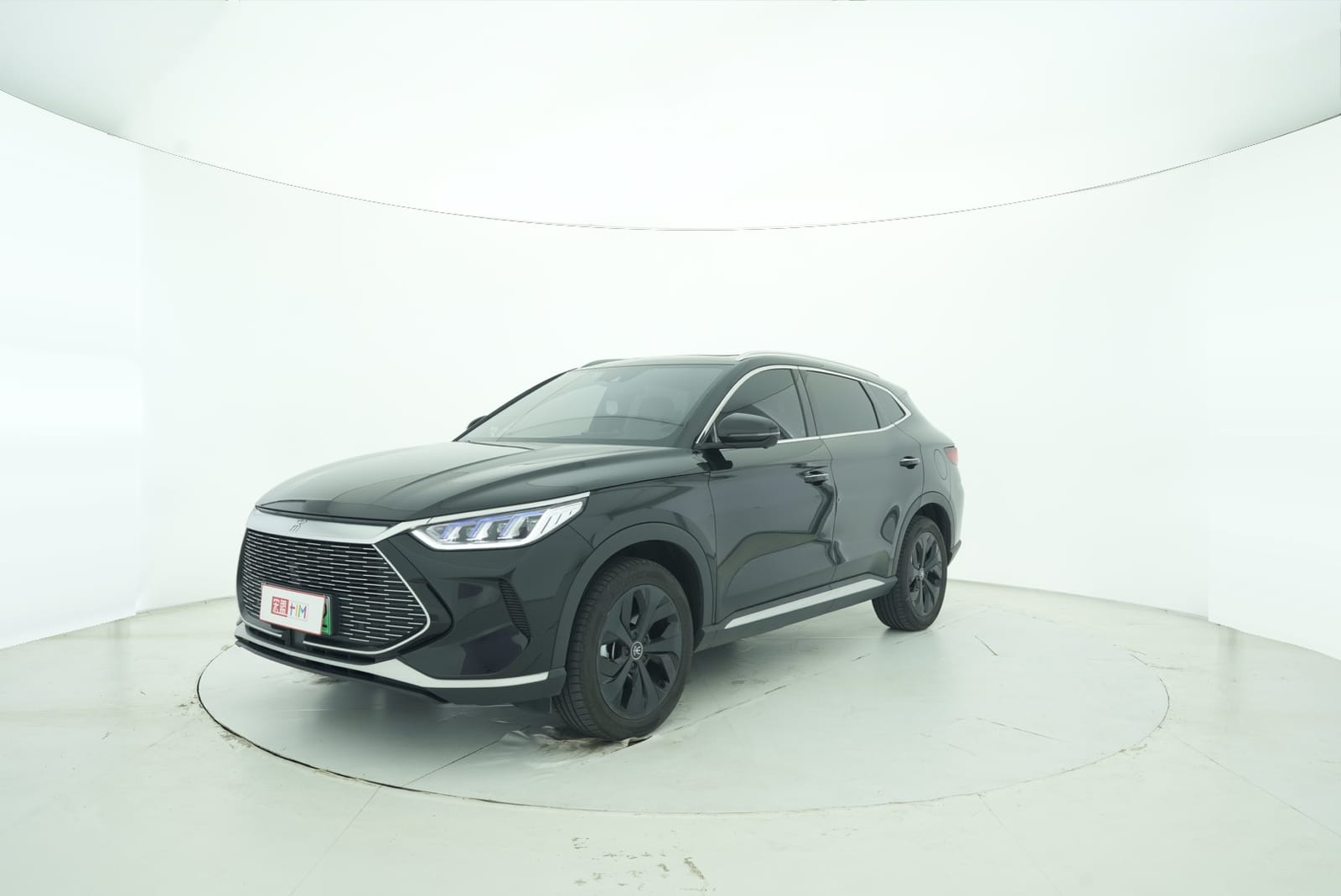
China exported 1.066 million vehicles in October 2026, up 60.2% year on year and the fifth consecutive month above one million, CAAM data reported on 18 November show. Passenger-car exports reached 927,000 and NEV exports 606,000, up 140%, while CPCA puts passenger exports at 928,000 and NEV passenger exports at 582,000. At home, retail passenger sales in 1-15 November fell 25% year on year to 611,000, with NEV retail penetration at 73.2%. The divergence matters to used-car exporters: the 1.07 million figure is new-vehicle export shipments, not used-car exports, which reached 325,000 in the first half of 2026. A planned cut in the NEV export VAT rebate from 13% to 9% on 1 April 2027 is pulling Q4 volume forward.
What Happened
China's vehicle exports kept running above one million units a month. According to the China Association of Automobile Manufacturers (CAAM), October 2026 exports reached 1.066 million vehicles, up 60.2% year on year and 1.3% month on month, the fifth consecutive month above one million. For January-October, exports totalled 9.271 million, up 65.1% year on year.
The breakdown: passenger cars 927,000 (+62.3%), commercial vehicles 139,000 (+47.1%), new energy vehicles 606,000 (+140%, or 1.4 times), and conventional fuel vehicles 460,000 (+12.3%). In the first ten months, NEV exports reached 4.612 million (+130%).
The China Passenger Car Association (CPCA) reported a consistent picture on 9 November: 928,000 passenger-car exports in October, up 68.5%, of which 582,000 were NEV passenger cars, up 144.7%. NEVs accounted for 62.8% of passenger-car exports, and exports equalled 35% of manufacturers' sales.
At home, the picture is the opposite. The CPCA/CADA weekly scan published on 18 November reported 611,000 passenger-car retail sales in 1-15 November, down 25% year on year and 6% month on month. Retail NEV sales were 447,000, down 13%, while NEV retail penetration reached 73.2%; wholesale NEV penetration was 82%. For October, CPCA reported passenger retail of 1.643 million (-27.1%) and NEV retail of 1.109 million (-13.7%), a retail penetration of 67.5%.
Pickups show the same export pull: October pickup exports were 47,000, up 85%, and January-October exports reached 352,000, up 49%, or 64% of October pickup sales.
CAAM deputy secretary-general Chen Shihua has said full-year exports are expected to exceed 11 million vehicles, according to China Automotive News. That is a forecast, not a reported result.
Reading the Numbers Without Mixing Calibers
The figures above describe different things, and conflating them is the most common error in export commentary.
| Metric | October 2026 | Scope |
|---|---|---|
| Total vehicle exports | 1.066 million (+60.2% YoY) | CAAM, new-vehicle export shipments |
| Passenger-car exports | 927,000 (+62.3%) CAAM; 928,000 (+68.5%) CPCA | New passenger vehicles; CPCA includes CKD and uses a different reporting scope |
| NEV exports | 606,000 (+140%) CAAM; 582,000 NEV passenger (+144.7%) CPCA | New NEVs; CPCA covers passenger cars only |
| Domestic passenger retail, 1-15 Nov | 611,000 (-25% YoY) | CPCA/CADA weekly retail |
| NEV retail penetration | 73.2% (1-15 Nov retail); 67.5% (October retail) | CPCA retail; not the same as CAAM's share of total sales |
| Used-car exports, H1 2026 | 325,000 (+61%); USD 7.6 billion (+54%) | CADA association data, not customs totals |
Three clarifications matter most. First, the 1.066 million is new-vehicle exports, measured as manufacturer shipments; it is not used-car export volume. Second, NEV share of total exports is about 56.8% (606,000/1.066 million), while CPCA's 62.8% refers to NEV share of passenger-car exports; both are correct within their scopes. Third, the 64.3% NEV share of new-vehicle sales reported by CAAM for October is a different measure from CPCA's 67.5% retail penetration, because one is sales/wholesale and the other is retail.
Why Exports Are Running Hot
Three forces are visible in the data. Global demand for Chinese electrified vehicles remains strong, especially in developing markets where price and running costs matter. Domestic retail is weak — down 25% in early November and 27.1% in October — so manufacturers are allocating more output to exports, which reached 35% of sales. And policy is pulling volume forward: China's Ministry of Finance and State Taxation Administration announced on 12 October 2026 that the VAT export rebate for new energy vehicles will fall from 13% to 9% for exports declared on or after 1 April 2027. The customs declaration date determines the rate, leaving roughly four and a half months from mid-November.
That creates a classic pre-deadline window. Exporters and manufacturers have an incentive to ship before April, and brokers expect Q4 export volumes to stay strong. The risk is payback: some of the Q1/Q2 2027 volume may have been pulled into late 2026. Overseas tariff windows and quota arrangements add a second timing incentive, though the details differ by market.
What It Means for Used-Car Exporters
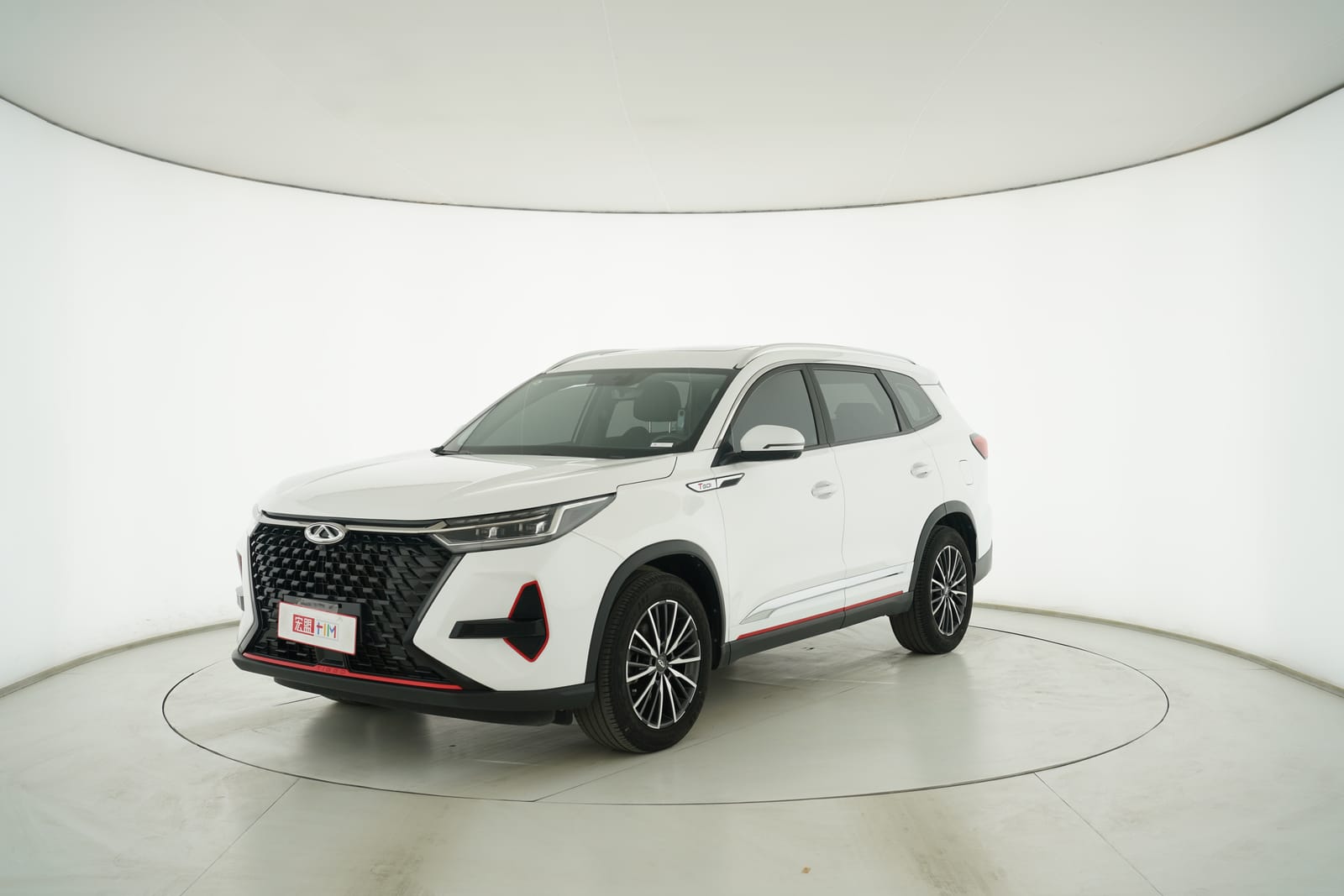
1. Do not treat 1.07 million as your market size. The CAAM figure is new vehicles. Used-car exports were 325,000 in the first half of 2026, up 61% year on year, worth USD 7.6 billion, up 54%, according to China Auto Dealers Association data. That is about 6.4% of the 5.096 million new cars exported in the same period. Used cars are a real growth channel, but they are not the headline number.
2. The 2026 used-car data is cleaner, not directly comparable. Since 1 January 2026, a four-ministry notice has required a manufacturer after-sales service confirmation for vehicles exported within 180 days of registration, closing the "zero-kilometre new car sold as used" route. The 2025 nominal total of 746,000 used-car exports included a large number of those quasi-new cars. The 2026 figures describe a more genuine used-car trade and should not be read as a like-for-like slowdown or acceleration.
3. The mix is shifting. CADA reports that 3-5 year-old vehicles account for 64% of used-car exports and that NEVs are now more than 30% of the total, growing 196% year on year. Russia remains a major destination: 75,000 used passenger cars were imported from China in January-August, almost double the 38,000 in the same period of 2025.
4. The rebate cut changes new-car flows, not used-car pricing directly. The 13%-to-9% change applies to the NEV export VAT rebate on new vehicles. Used-car exports have their own tax and licensing treatment. The indirect effects matter: a Q4 rush for new cars can tighten shipping space, port capacity and container availability, and a post-April slowdown in new-car exports may change trade-in supply and competition for the same buyers.
5. Compliance is now the differentiator. For used cars, the binding constraints are the 180-day rule and after-sales confirmation, consistent export-licence data (brand, model, registration date, transfer date), destination emissions and age limits, and a documented inspection. Getting these right is more valuable than chasing a headline growth rate.
Method and Sources
CAAM's October data were released on 11 November 2026 and reported by Sina Finance on 18 November 2026; the same figures were carried by Global Times on 11 November and People's Daily Online on 12 November. CPCA's October passenger-car data were released on 9 November 2026 and reported by China News and Securities Daily. The 1-15 November retail, wholesale and penetration figures come from the CPCA/CADA weekly market scan published on 18 November 2026. Used-car export figures for the first half of 2026 come from China Auto Dealers Association data reported by Sina Finance on 23 October 2026; they are association estimates, not customs totals. The rebate change is from Ministry of Finance and State Taxation Administration Announcement No. 29 of 2026, published on 12 October 2026. The used-car export management rules are from the four-ministry notice published in November 2025 and effective 1 January 2026. All export figures refer to new vehicles unless stated; forecasts are labelled as forecasts.
Wuhan's 500th China-Europe Train of 2026: What the Rail Numbers Do and Do Not Measure
China Auto Export Value Reaches USD 169.6 Billion: Four Statistical Lenses Exporters Must Separate