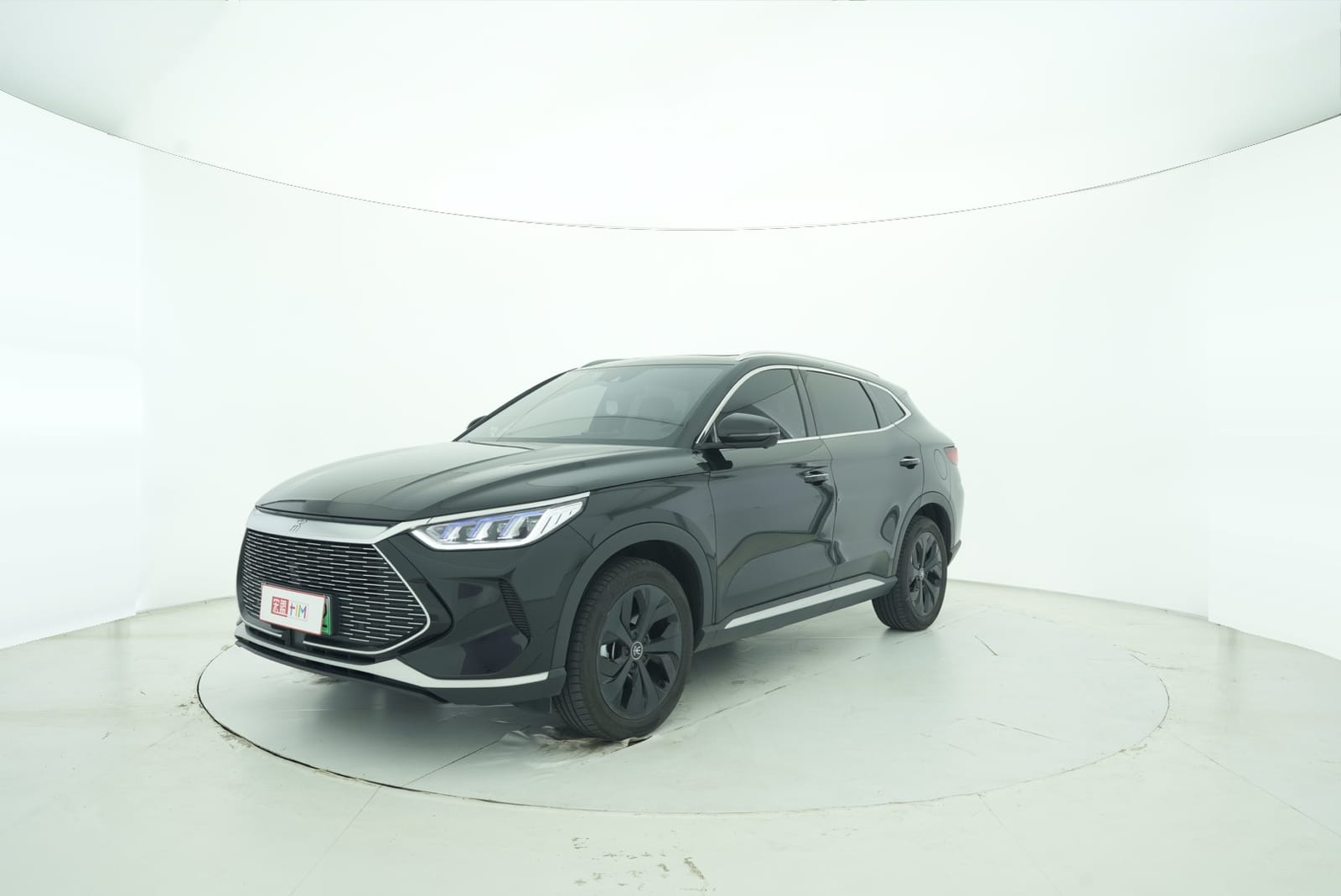
Canada to Review Where Chinese EVs Can Drive as Tariff Quota Opens Market
Canadian Transport Minister Steve MacKinnon told Global News on 18 November 2026 that access for Chinese electric vehicles to military and government facilities will be part of a cross-governmental review involving Public Safety, as Ottawa weighs the security risks of connected cars. The review comes after Canada replaced its 100 per cent surtax on Chinese EVs with a 6.1 per cent tariff inside an initial annual quota of 49,000 vehicles, confirmed by China's Ministry of Commerce on 16 January 2026. The quota covers new Chinese-built EVs, not used-car imports, and the review is a proposal, not an enacted ban. Germany has separately restricted listed Chinese-made vehicles at barracks and secure zones, per Der Spiegel reporting of 11 November. Certification of some Chinese manufacturers in Canada is still ongoing.
What Happened
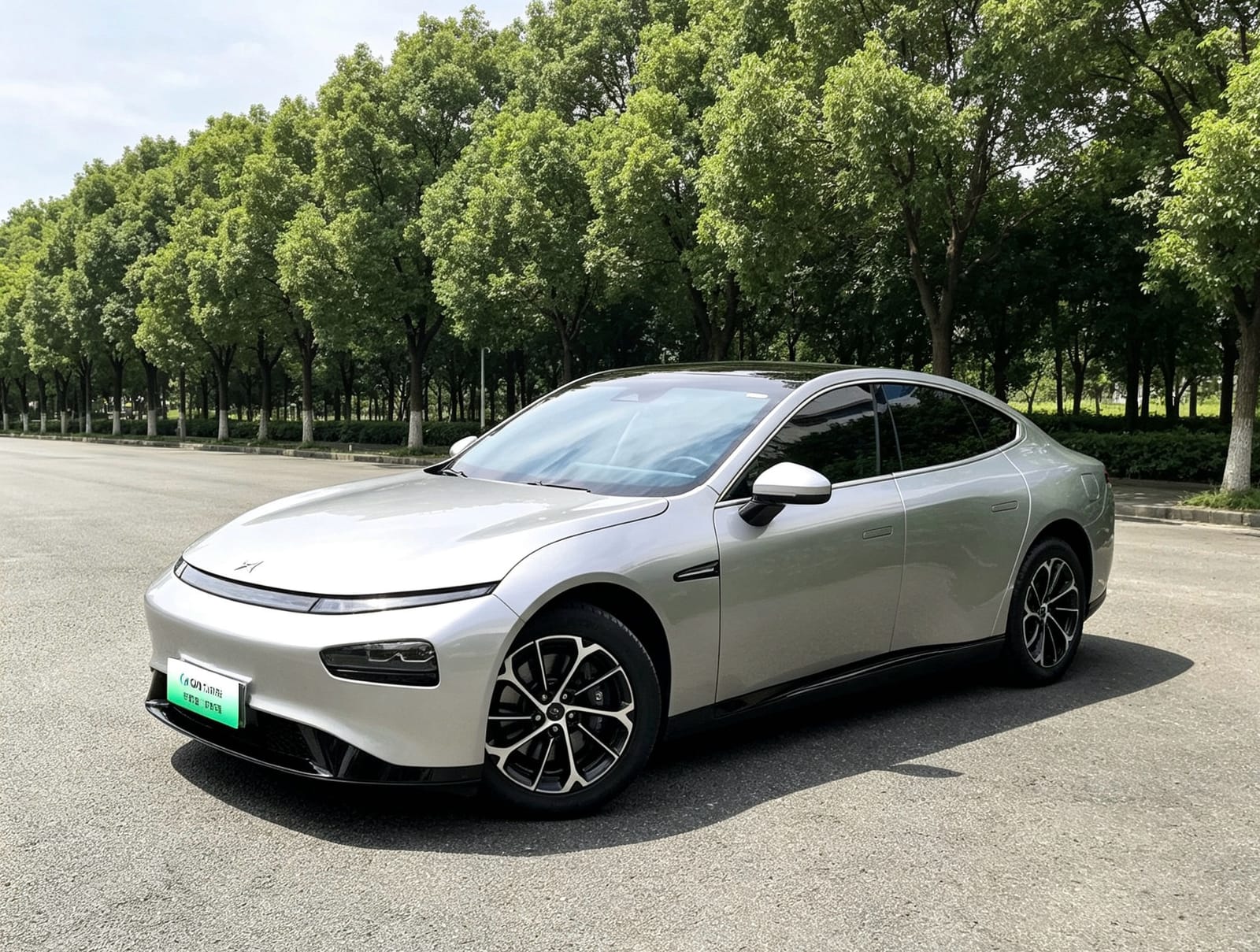
Canada is preparing to review where Chinese electric vehicles will be allowed to drive, even as it opens its market to them. Transport Minister Steve MacKinnon told Global News, in a report published on 18 November 2026, that access to military and government facilities would be "part of a more cross-governmental review of that matter that would involve Public Safety and other departments". Asked why Canada would admit cars that might require driving restrictions, he said the government is "always on the lookout for risks" that connected vehicles bring.
The comments land in the middle of a trade opening. In January 2026, Prime Minister Mark Carney's government cut Canada's 100 per cent surtax on Chinese electric vehicles to a 6.1 per cent most-favoured-nation tariff, initially allowing up to 49,000 vehicles a year, with the cap increasing over time. China's Ministry of Commerce described the same arrangement on 16 January: an annual quota of 49,000 Chinese-built EVs at the 6.1 per cent rate, replacing the 100 per cent surtax imposed in 2024.
MacKinnon also said Transport Canada is still certifying some Chinese manufacturers to sell cars in Canada. BYD and Chery have publicly expressed interest, and International Trade Minister Maninder Sidhu visited a Chery manufacturing facility in China earlier in November.
The security framing is not unique to Ottawa. Germany's Bundeswehr has restricted listed Chinese-made vehicles — including models from BYD, Geely and NIO — from entering barracks and designated secure zones because their cameras and sensors could record and transmit sensitive information, according to a Der Spiegel report carried by Deutschlandfunk on 11 November. Global News also cited restrictions in the United Kingdom, Poland and Czechia on military bases, a US ban on BYD cars at its base in Okinawa, and a warning from US Ambassador Pete Hoekstra that Canadians trying to drive a Chinese car into the United States would be blocked at the border.
The Numbers and Their Scope
1. The tariff change is real, but it is a quota, not free trade. The 100 per cent surtax was replaced by a 6.1 per cent tariff for vehicles inside an annual quota of 49,000 units, rising over time. Vehicles outside the quota are not covered by that rate. The arrangement was announced during Carney's January visit to China and confirmed by both Canadian reporting and the Chinese Ministry of Commerce.
2. The quota covers new vehicles, not used-car imports. The 49,000-unit figure describes Chinese-built electric vehicles entering under the trade arrangement. It is not a used-car import quota and should not be quoted as one. Canada's rules for importing used vehicles from outside North America are a separate regime, with their own admissibility requirements.
3. The driving review is a proposal, not a decision. MacKinnon described a cross-governmental review involving Public Safety and other departments. No final list of restricted locations, no geofencing mandate and no implementation date has been published in the sources reviewed for this article. It would be wrong to describe Chinese EVs as already banned from Canadian military or government sites.
4. The German measure is a site restriction, not a sales ban. The Bundeswehr restrictions reported by Der Spiegel concern military barracks and secure zones for listed Chinese-made vehicles. They do not amount to a nationwide German prohibition on selling or registering Chinese EVs, and the same distinction applies to the UK, Polish and Czech measures described in the Canadian reporting.
5. Certification is unfinished. MacKinnon said Transport Canada is still in the process of certifying some Chinese manufacturers. Market access, therefore, is not yet complete even where the tariff and quota framework exists.
What It Means for Used-Vehicle Exporters
The compliance question is moving from tariffs to data. For years the main export question was duty and quota. Canada's review shows the next layer: whether a connected vehicle's cameras, sensors, microphones and connectivity can be trusted near sensitive sites. Exporters should expect destination markets to ask what a car records, where the data goes and whether the manufacturer can access it remotely.
Software behaviour is now part of the sales file. A vehicle that can be remotely updated, geofenced or disabled is a different product from a mechanically identical car without those functions. Before shipping, document what the car's connectivity actually does: embedded SIM, navigation, manufacturer app, remote locking, over-the-air updates and data transmission. Buyers in security-sensitive markets will want this in writing.
Do not promise unrestricted use. A customer buying a Chinese EV for use near government, military, airport or critical-infrastructure sites should be told that access rules are under review in some countries. Selling a car as usable everywhere without qualification is a liability, not a selling point.
Used vehicles are outside the quota, but not outside the scrutiny. The Canadian arrangement concerns new Chinese-built EVs, yet the data-security logic applies to used connected cars just as much. A used vehicle with the same cameras and connectivity faces the same questions at registration and at sensitive sites.
Track certification and final rules. Certification of Chinese manufacturers in Canada is ongoing, and the driving review has not produced final rules. Exporters should monitor Transport Canada and Public Safety announcements rather than rely on headlines, and should treat any restriction as destination-specific rather than global.
Method and Sources
The Transport Minister's remarks, the 100-to-6.1 per cent tariff change, the 49,000-unit initial quota, the certification status and the manufacturer interest come from Global News's national report of 18 November 2026. The quota and tariff terms were independently confirmed by China's Ministry of Commerce on 16 January 2026. The German restrictions are from Der Spiegel's reporting carried by Deutschlandfunk on 11 November 2026 and are described as site-specific restrictions at barracks and secure zones. No Canadian government decision document has been published in the reviewed sources, so the driving review is reported as a proposal under review, not as an enacted ban. All figures refer to new Chinese-built electric vehicles unless stated otherwise; they are not used-car import statistics.
Wuhan's 500th China-Europe Train of 2026: What the Rail Numbers Do and Do Not Measure
China Auto Export Value Reaches USD 169.6 Billion: Four Statistical Lenses Exporters Must Separate