China's October Exporter Scoreboard: Chery Stays Above 200,000, Geely Exports Jump 158 Percent, GWM Sells More Abroad Than at Home
Company filings released on 1 November 2026 show how three leading Chinese groups rode the export boom in October. Chery shipped 200,618 vehicles abroad, up 58.7 percent year on year, its third month above 200,000, taking January-October exports to 1,751,766 units, up 64.8 percent. Geely's Hong Kong filing reports October exports of 107,153 units against 41,568 a year earlier, a 158 percent jump, with nine-month cumulative exports up 168 percent. Great Wall Motor sold 62,862 vehicles overseas, 52.2 percent of its October total, even as group sales fell 15.9 percent; its year-to-date overseas share reached 51.8 percent. All figures are unaudited company wholesale shipments, not registrations or used-car trade, and Geely's export definition includes Hong Kong, Macau and Taiwan.
What the Company Filings Show
On 1 November 2026, China's major listed automakers released their October production and sales announcements. Read together, the filings show that overseas demand is no longer a supplementary revenue line: for at least one group, foreign markets are now larger than the home market.
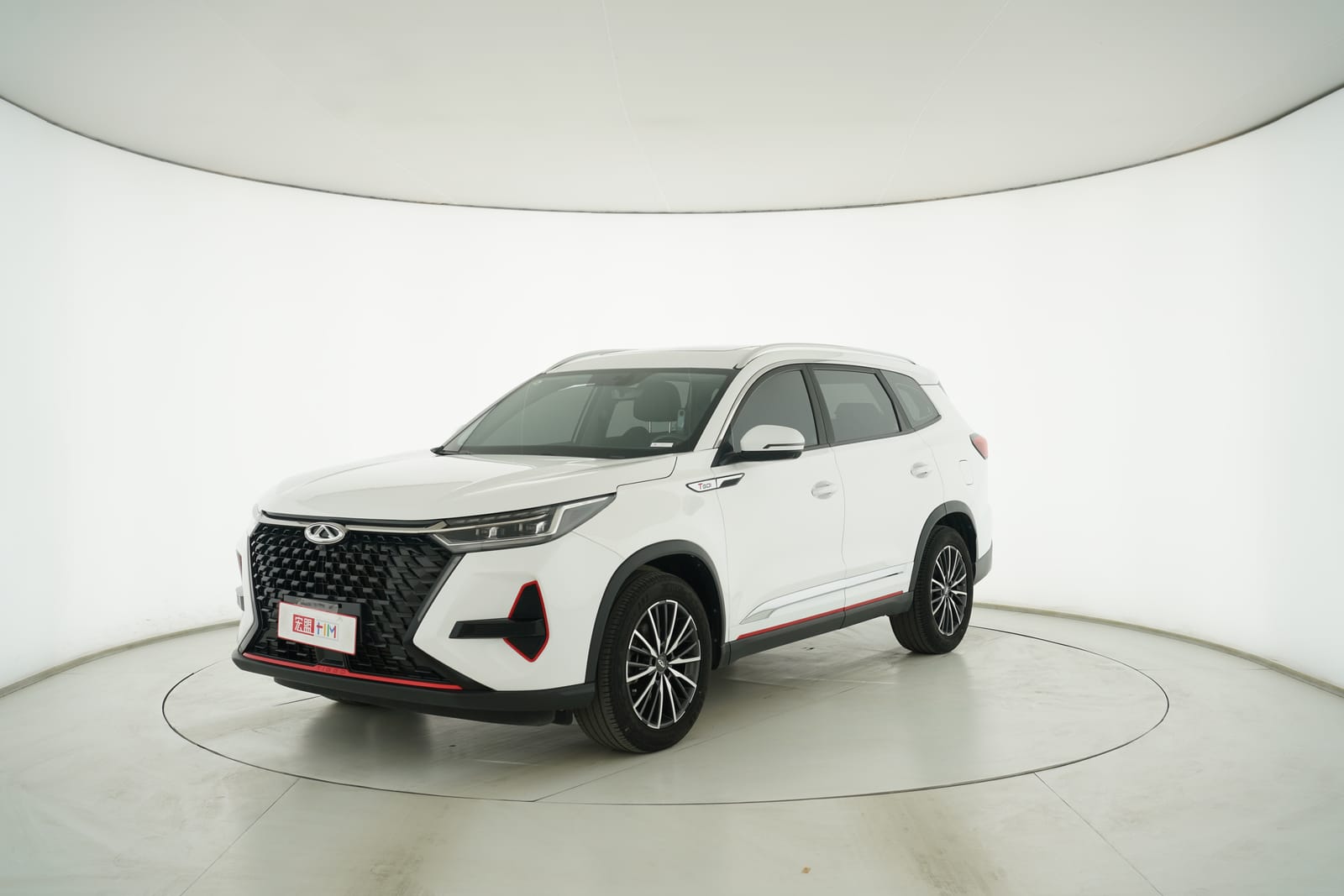
Chery led the exporter ranking for another month. The company reported October group sales of 295,934 units, up 5.3 percent year on year, of which exports were 200,618 units, up 58.7 percent — the third month this year above 200,000. For January to October, group sales reached 2,502,723 units, up 9.3 percent, while exports reached 1,751,766 units, up 64.8 percent, meaning roughly seven in ten Chery vehicles sold this year went abroad. New energy sales were 140,893 units in October, a record and the seventh consecutive month above 100,000.
Geely Automobile Holdings reported total October sales of 310,183 units, up about 1 percent, in its unaudited Hong Kong Stock Exchange announcement. The export line tells a different story: 107,153 units against 41,568 in October 2025, a 158 percent increase as rounded in the filing. Cumulative exports for the first ten months were 904,823 units against 337,696 a year earlier, up 168 percent — the fastest growth rate among the large listed exporters, albeit from a smaller base than Chery.
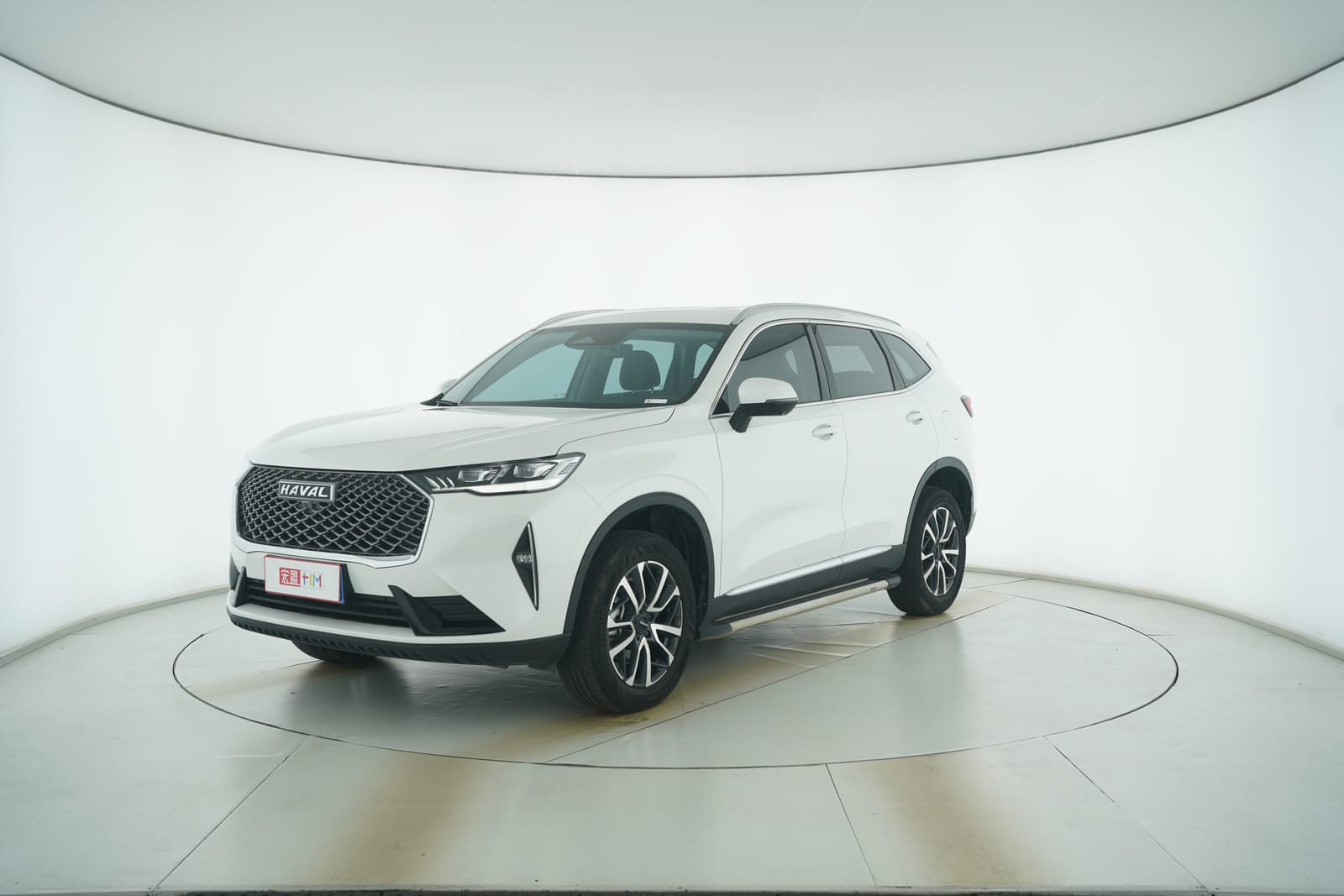
Great Wall Motor (GWM) reported October sales of 120,374 units, down 15.87 percent year on year, with year-to-date sales of 1,040,676 units, down 2.42 percent. Inside that decline, overseas sales were 62,862 units in October, or 52.2 percent of the monthly total, and 538,839 units over ten months, or 51.8 percent of the group total. GWM also reported 49,499 NEV sales in October and 311,466 cumulatively.
Scope: What These Numbers Do and Do Not Count
Three scope distinctions matter before anyone quotes these figures commercially.
First, these are company-level wholesale shipments into export and overseas channels, counted when vehicles leave the manufacturer's control. They are not destination-country registrations, not retail transactions and not used-car sales. A car shipped in October may be registered weeks later, and some volume goes to overseas plants and bonded yards rather than directly to buyers.
Second, definitions differ by company. Geely's filing explicitly defines export as countries and regions outside mainland China, including Hong Kong, Macau and Taiwan. GWM reports "overseas sales volume" as a separate line, while Chery reports exports against group sales. The three series should not be added together or compared line-by-line without these definitions in mind.
Third, all three announcements are unaudited and explicitly subject to later adjustment. Brokerage notes and media summaries sometimes round or restate the figures — for example, reporting Geely's October export growth as 157.8 percent rather than the filing's rounded 158 — so the exchange filing should always be treated as the primary source.
For industry context, CAAM reported total Chinese vehicle exports of 1.066 million units in October, up 60.2 percent, the fifth consecutive month above one million. The company scoreboard explains where that aggregate comes from, but the two series measure different populations and must be quoted separately.
Three Structural Signals
Export dependence is becoming a business model. At roughly 70 percent of sales, Chery now behaves more like an export-led manufacturer than a domestic one. GWM has crossed the 50 percent overseas threshold even while shrinking overall. That concentration helps volume but raises exposure to destination-country tariffs, shipping costs and currency moves.
The growth leaders and the volume leaders differ. Chery has scale; Geely has velocity. A 168 percent ten-month increase matters because it shows newer entrants to the export channel — including the Galaxy, Zeekr and Lynk & Co brands — are now flowing abroad in volume, widening the model mix that used-car buyers will later see in their markets.
Overseas assembly is changing what "export" means. GWM already sends a substantial share of its foreign volume as knocked-down kits for local assembly rather than finished cars, and Chinese groups are building plants across Southeast Asia, Latin America and Europe. Kit shipments and locally built units will take an increasing share of the headline export numbers, which gradually reduces the finished-car trade that independent used exporters compete in.
What Used-Vehicle Exporters Should Take Away
- Follow the brand footprint, not just the headline. A manufacturer shipping 1.7 million cars abroad builds the dealer network, parts supply and buyer recognition that later support resale values for used examples of the same brands.
- Expect more factory-backed competition. New cars with warranties and local importers are arriving on the same corridors. Verifiable inspection reports, battery documentation and reliable delivery become the used trader's actual product rather than price alone.
- Watch tariff and localisation rules closely. As Thailand, Indonesia and the European Union tighten local-content and duty regimes, the line between tradable finished cars and locally assembled volume will keep moving; sourcing plans should assume the finished-car window narrows over time.
- Treat company figures with the right caveats. Unaudited wholesale shipments are a demand signal, not a market-size statistic for the used trade, and definitional differences — including Geely's inclusion of Hong Kong, Macau and Taiwan — should be passed on to buyers rather than silently harmonised.
Method and Sources
The Chery figures come from the company's official October sales announcement of 1 November 2026. The Geely figures come from its unaudited October 2026 sales volume announcement filed with the Hong Kong Stock Exchange on 1 November, including its stated export definition. The GWM figures come from its voluntary October 2026 production and sales announcement to the same exchange on 1 November. Industry totals are from CAAM's October briefing, published 12 November 2026. Percentage shares in this article are calculated from the reported unit figures and rounded to one decimal place. All company data are unaudited wholesale shipments, not registrations, retail sales or used-vehicle exports.
XPeng's Q3 Overseas Deliveries Surge 153 Percent as It Targets 100,000 Exports in 2026

South Korea Becomes Asia's Biggest Buyer of Chinese EVs, Imports Nearly Double to $3.36 Billion