Volkswagen Sagitar Buying Guide for Export Buyers: 280TSI, DSG and the 2018–2019 Generation Change
A 2018 and a 2019 Chinese-market Volkswagen Sagitar can share the 280TSI DSG description while belonging to different body generations. This guide explains the Chinese model, the real meaning of the badge, why DSG is a transmission family rather than one universal specification, and the engine, gearbox, chassis and document checks to complete before export.

Identify the Chinese Sagitar Before Reading the Badge
The Volkswagen Sagitar is a four-door compact sedan produced for China by FAW-Volkswagen. It has close links with the Jetta nameplate, but an exporter should not assume that every Chinese Sagitar has the same wheelbase, body, equipment or powertrain as a Jetta sold in another market.
The 2018–2019 boundary is especially important. A 2018 car and a 2019 car can both be described as 280TSI DSG yet sit on opposite sides of a body-generation change. The later Chinese model introduced a new design and a longer-body package; the earlier car has a visibly different cabin and rear body. Matching the full trim, model year and physical body is more reliable than relying on the engine badge.
Do not confuse model year with first-registration date. Grilles, wheels and screens can also vary or be replaced, so use them as supporting evidence alongside factory and registration records.
What 280TSI and DSG Actually Tell You
On these configurations, 280TSI identifies a 1.4-litre turbocharged petrol powertrain. The number is a Volkswagen performance or torque-class designation, not a 2.8-litre displacement figure. It does not establish that every car carrying the badge has identical equipment, output calibration or condition.
DSG is Volkswagen's dual-clutch transmission family, not one universal gearbox code. The applicable fluid, service procedure and diagnostic information must be established for the exact vehicle. Avoid transferring a maintenance recommendation from another Volkswagen merely because both descriptions contain DSG.
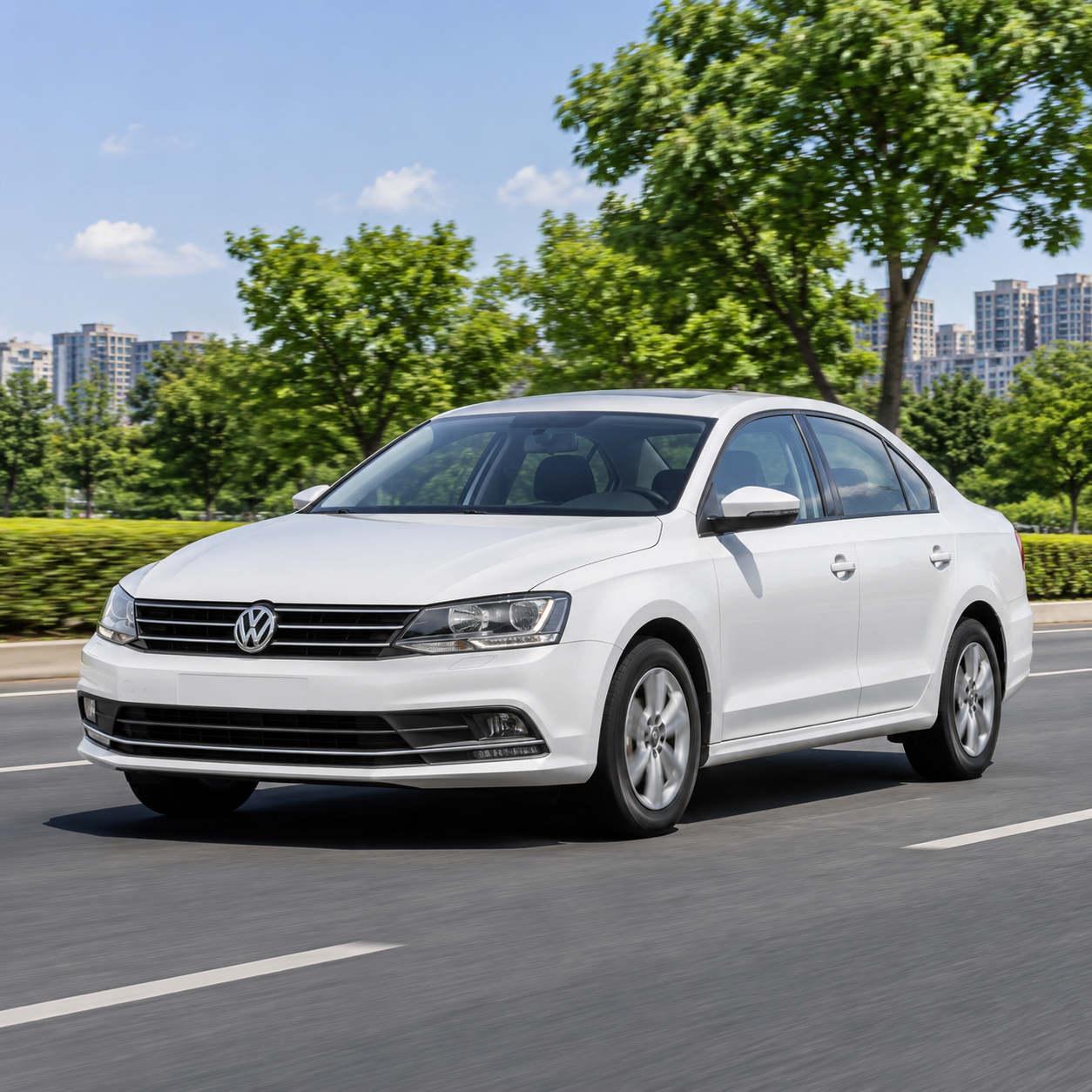
The engine and transmission need separate assessments. For the turbocharged engine, inspect cold starting, oil and coolant condition, leaks, hoses, mounts and diagnostic faults. For the transmission, test engagement and low-speed manoeuvres from cold, then repeat acceleration, cruising and stop-start driving when fully warm.
Real-Car Exterior References
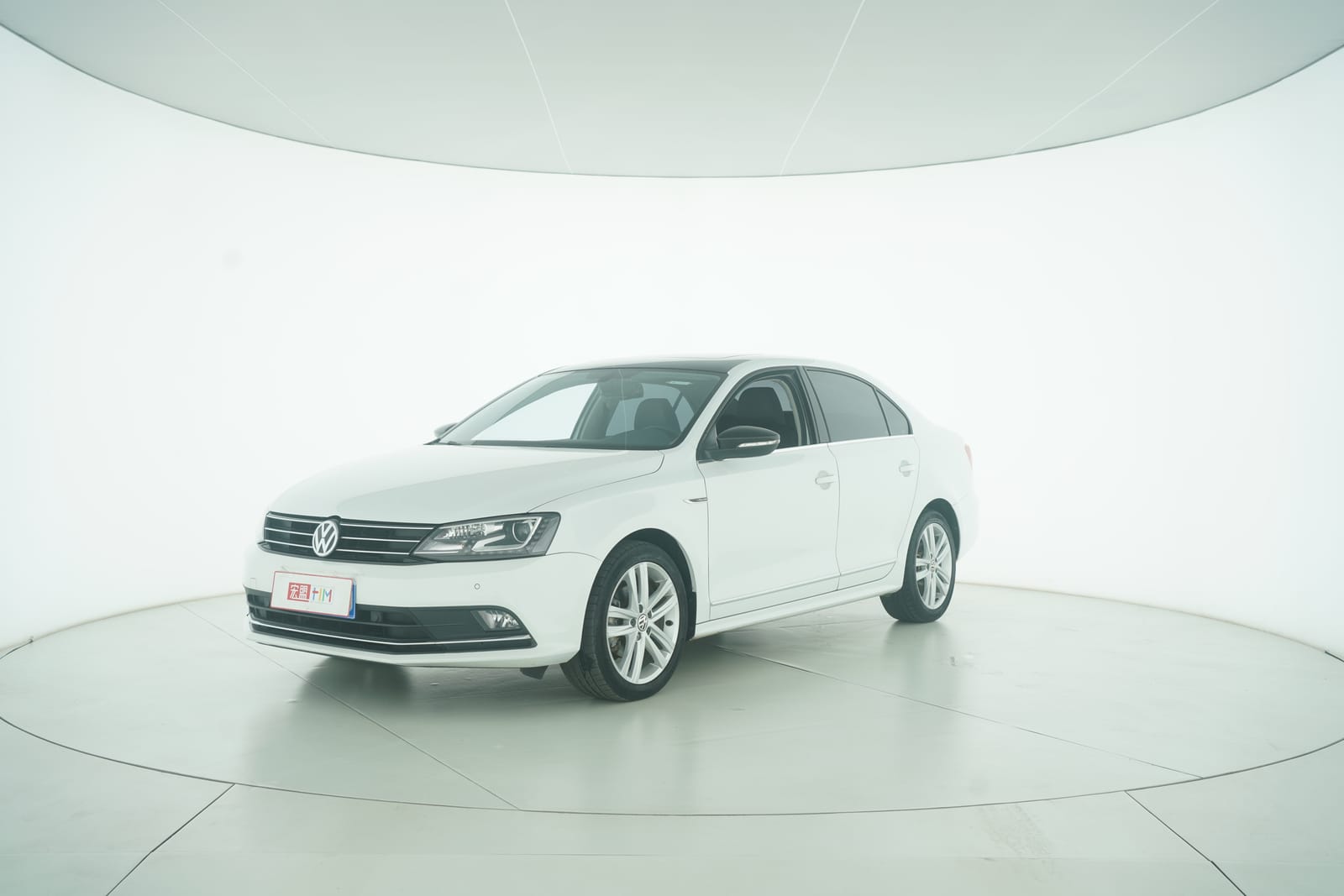
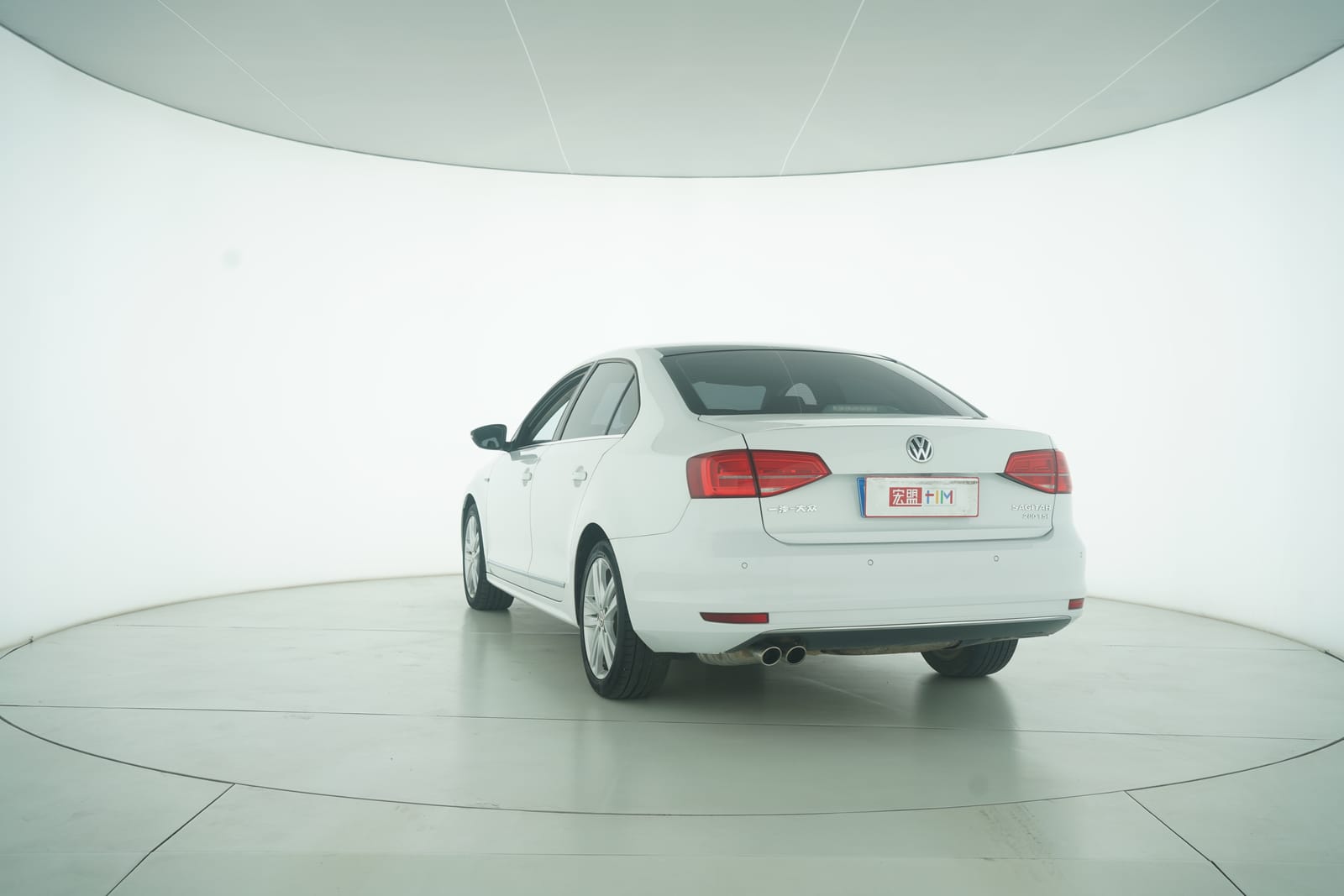
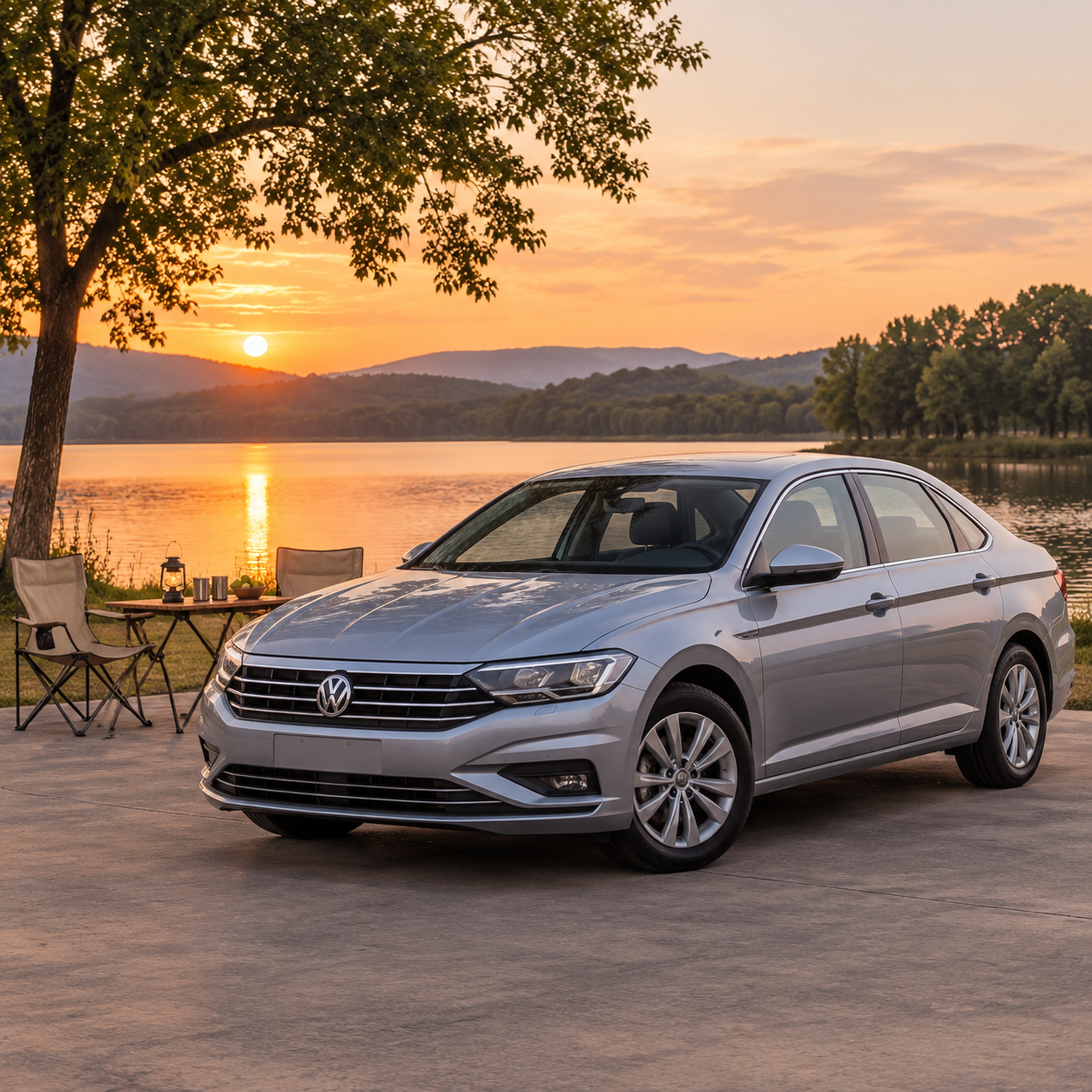
The following photographs document exterior design, visible trim and colour. They do not establish mechanical condition, hidden equipment, service history or document content.
2018 Sagitar 280TSI DSG Luxury, White
2019 Sagitar 280TSI DSG Comfort, Grey
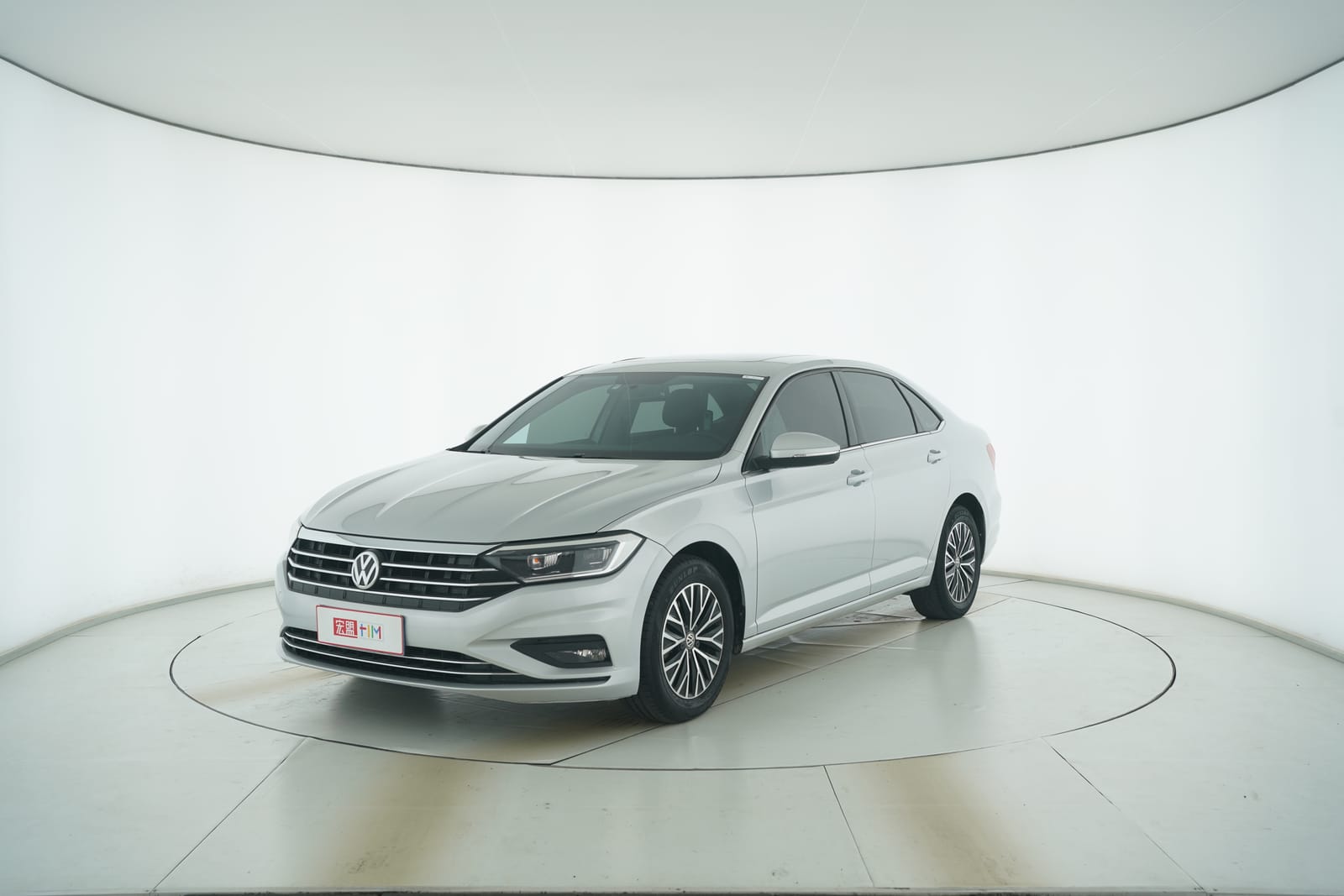
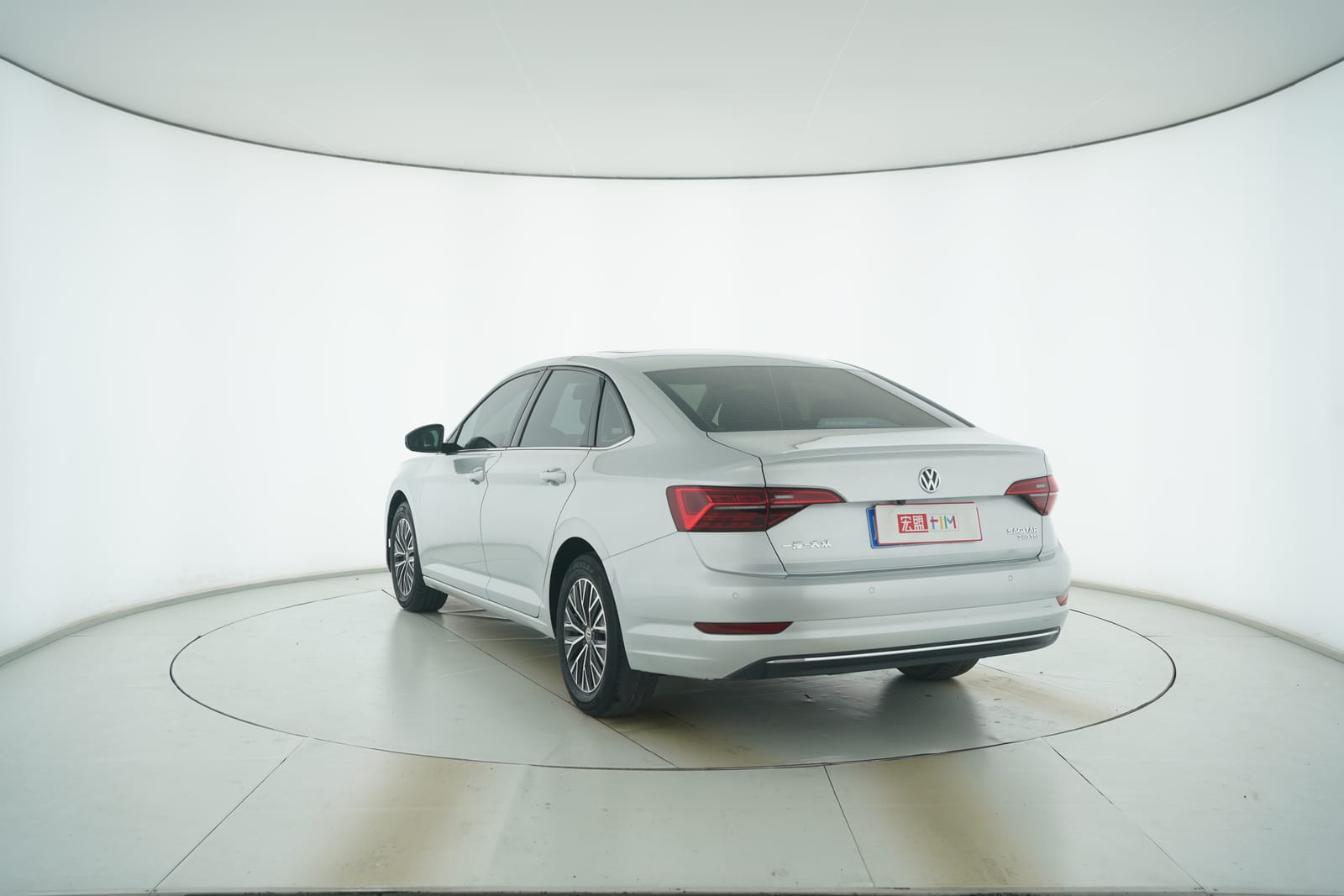
The photographs make the body-design difference easy to see. They do not make Luxury and Comfort interchangeable equipment packages: each feature must still be checked on the individual vehicle, and replacement parts must not be mistaken for factory identification.
How to Road-Test the Dual-Clutch Transmission
A useful test begins before the drivetrain is warm. With the brake applied, engage drive and reverse and observe response. During parking manoeuvres, note hesitation, shudder, abrupt engagement or unusual noise. On the road, check moderate acceleration, steady cruising and gentle stop-start movement.
After a longer drive, repeat the same low-speed checks. Heat can change behaviour that a short test misses. Warning messages, unexpected engine-speed rise, vibration, delayed engagement or repeated harsh shifts need diagnosis rather than a generic promise that every DSG behaves that way.
Review service invoices and fluid records where available. A clean gear-selection display is useful, but it does not replace a cold-and-hot road test, underbody leak inspection and diagnostic scan.
Inspect Cabin, Structure and Running Gear
The later body may offer a different rear-cabin and luggage-compartment experience, but measure usefulness with actual occupants and luggage rather than inferring it from model year. Check rear access, headroom, belts, seat mounts, required child-seat anchors, boot operation and the floor beneath the luggage-compartment trim.
Look for moisture around seals, drainage paths and carpets. Combine paint-thickness readings with inspection of panel gaps, weld points, pillars, suspension mounts and the underbody. Steering pull, vibration, uneven tyre wear or noises over bumps call for brake, suspension and alignment checks on either generation.
Six Checks Before Export
- Separate model year from generation. Match the full trim, physical body and factory records. Do not assume that adjacent model years share an architecture.
- Read 280TSI correctly. Treat it as a designation, not engine displacement. Confirm the exact powertrain and inspect the turbocharged engine rather than relying on the badge.
- Identify the actual DSG application. Use vehicle-specific service information. Test cold and hot engagement, parking manoeuvres, acceleration and cruising; investigate warnings, delay, shudder or abnormal rpm behaviour.
- Inspect structure and chassis together. Check paint, welds, mounting points, tyres, brakes, steering and suspension. Resolve pull, vibration and knocks before shipment.
- Verify fitted equipment individually. Test lighting, climate control, infotainment, cameras, parking aids and driver-assistance hardware where fitted. Trim names do not prove that every optional feature is present or operational.
- Match documents and destination rules. Reconcile registration, ownership and export records. The emissions standard must be verified vehicle by vehicle against the certificates supplied with that car and the destination's import requirements.
Which Configuration Makes Sense?
An earlier Sagitar can be a sound choice when its structural condition, turbo-engine health and dual-clutch behaviour are properly documented. A later-body car may provide a different cabin and equipment layout, but newer styling does not remove the need to identify the exact transmission application or complete the same mechanical checks.
The right export decision is based on the individual car: verified identity, sound structure, consistent maintenance evidence and normal cold-and-hot operation. The shared 280TSI DSG wording is only the start of that assessment.

Latin America Used Car Import Guide 2026: Mexico, Brazil, Chile & Peru
Latin America Market Desk
Central Asia Used Car Import Guide 2026: Kazakhstan, Uzbekistan, Kyrgyzstan & Tajikistan
Central Asia Market Desk

China Used Car Export Policy 2026: Complete Guide
Policy Analysis Team