Volkswagen Passat: China Plays by Its Own Rules, and the Same 330TSI Badge Can Hide Two Engines
The Passat sold in China has never been quite the same car as the one sold in Europe. The 2011–2018 generation was built on the American NMS; the 2019 car moved to MQB and added the starry grille option in 2022. What the badges mean on each side of that divide, which gearboxes age well, and the five checks before committing.
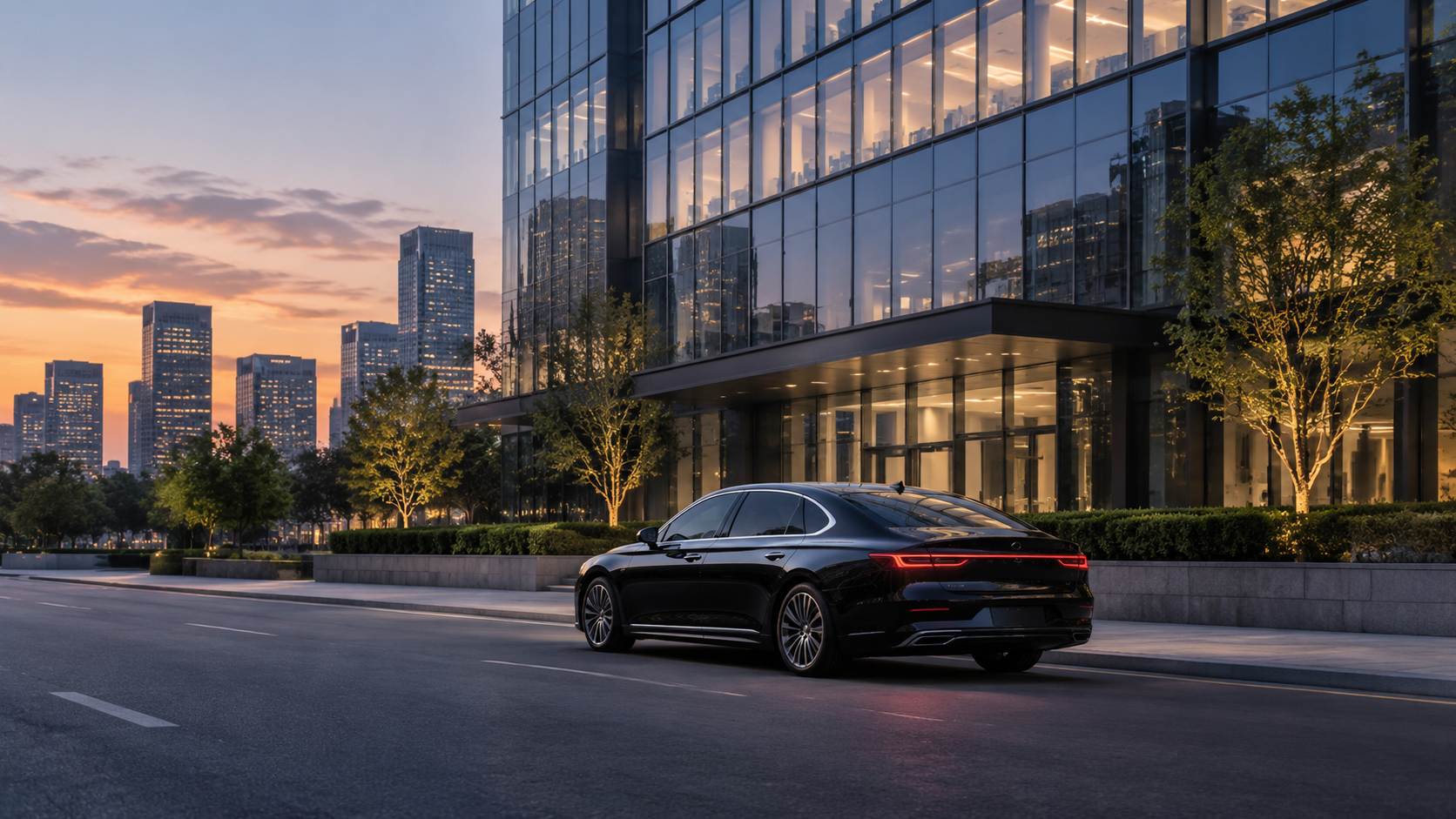
Not the Passat You Know
The Passat has been built in Shanghai by SAIC Volkswagen for decades, but the Chinese car has followed its own product plan. The generation sold from 2011 to 2018 was based on the NMS — the bigger, simpler platform Volkswagen developed for North America — not on the European Passat of the same years. The replacement that arrived for 2019 moved onto the MQB architecture and is a genuinely modern car; in 2022 it picked up a second face, the 星空 (starry) grille that gives the front a dotted-chrome look alongside the classic horizontal bars.
For a used-car buyer abroad, the practical consequence is simple: model year tells you more than the badge, and two Passats of similar age can be separated by an entire platform.
The Two Eras
- 2011–2018, the NMS-based car. Big, soft, conservative. Engines were the 1.4 and 1.8 turbo fours and a 2.0 turbo, sold under the 280/300/330/380 TSI badges. This is the car that dominated official fleets — the black Passat outside a government building is almost always this one.
- 2019 onwards, the MQB car. Lower, wider, much better to drive, with a modern digital interior on the higher trims. The badges stayed, but the engines behind some of them changed: the 330TSI, which was a 1.8-litre in the old car, became a 2.0-litre in the new one.
- The 2022 facelift. Two front ends on the same car — classic chrome bars or the starry grille — plus updated lights and bumpers.
The two cars photographed for this article sit one on each side: a 2017 330TSI from the old platform and a 2023 330TSI with the starry face. Same badge, different engine, different car.

Reading the Badge: 280, 330, 380
On the current car: 280TSI is the 1.4-litre turbo, 330TSI the 2.0-litre turbo in its standard tune, 380TSI the stronger 2.0. All of them use a 7-speed dual-clutch gearbox. On the older NMS-based cars, 280 stayed the 1.4 but 330 meant the 1.8-litre turbo — which is why the trim name and the registration year matter more than the tailgate.
Trim names do their usual work on top: 商务版 and 政采版 are business and government-procurement editions with lean equipment lists; 精英, 豪华, 尊贵 and 尊荣 climb the private-buyer ladder. Two cars with the same badge and year can be far apart in equipment, so read the full trim name.
The Gearbox Question
All China Passats of both eras use dual-clutch gearboxes, but not the same one. The 1.4-litre cars use a dry-clutch unit, the 1.8 and 2.0 cars a wet-clutch unit. The wet unit tolerates heat and city crawling far better and is the one that ages gracefully; the dry unit deserves a careful low-speed test — hesitation, shudder or a metallic clunk when creeping are the classic complaints. None of this is a reason to walk away from a good car, but it decides which questions to ask on the test drive.
Five Things to Check Before Committing
- The emission certificate of the individual car. China V and China VI cars overlap around 2019–2020, and the emission field in a listing does not always match the paperwork. Only the certificate that ships with the car tells the truth, and your destination market decides which class it accepts.
- Low-speed gearbox behaviour. Creep in traffic, reverse up a gentle slope, and a few full-throttle kickdowns. Any shudder, hesitation or clunk goes on the negotiation list.
- A cold start and an oil-level check. Later generations of the 1.8 and 2.0 turbos are far better on oil than the early ones, but any engine that smokes on start-up or reads low on the dipstick has a story to tell.
- Water pump and thermostat housing. Seepage here is a known pattern on these engines. Look for dried coolant traces on the block and under the car.
- Fleet history. Many of these cars worked for a living — government pools, company drivers, ride services. A verifiable service history and consistent ownership records matter more than the odometer alone.
Two Cars From Our Own Stock
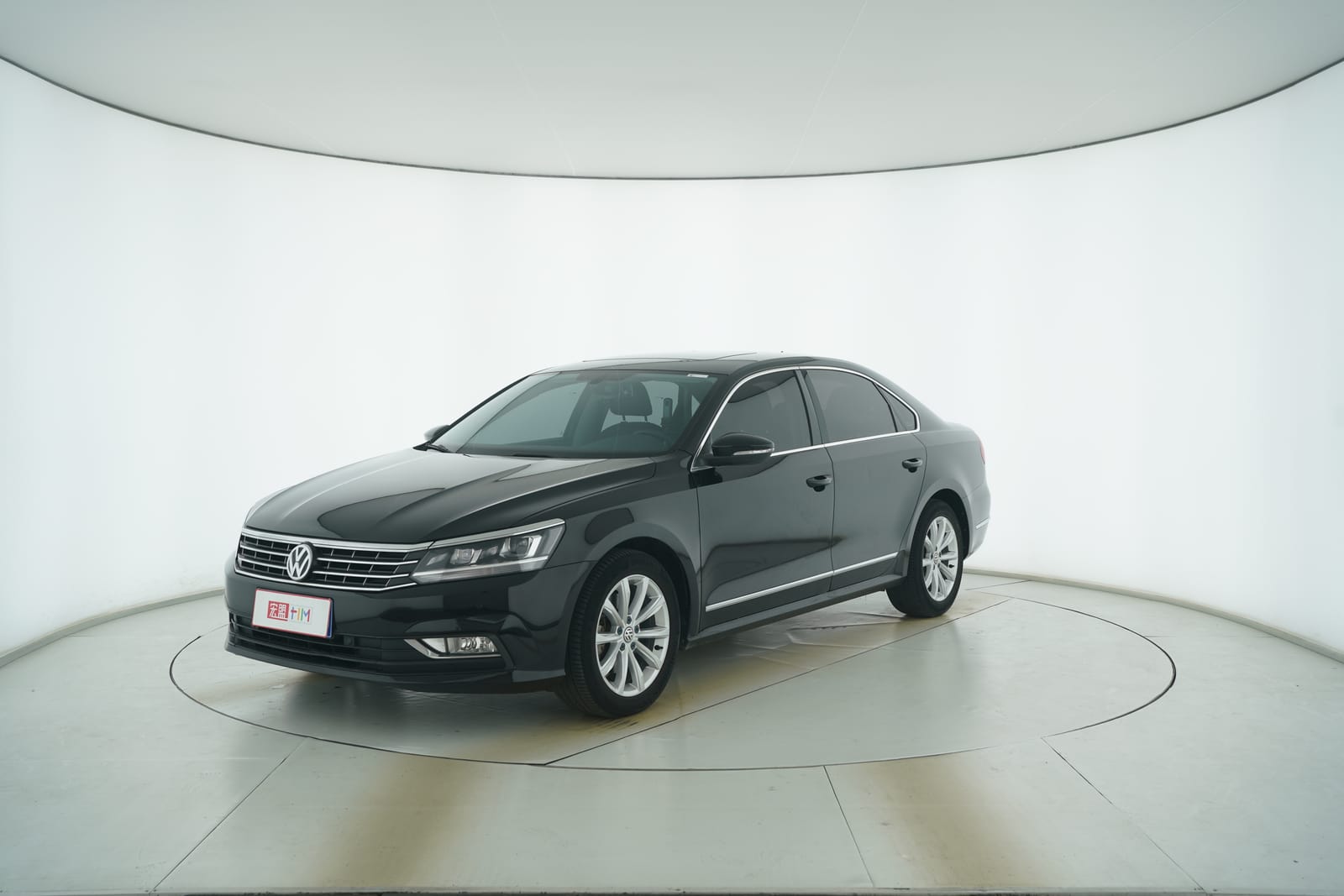
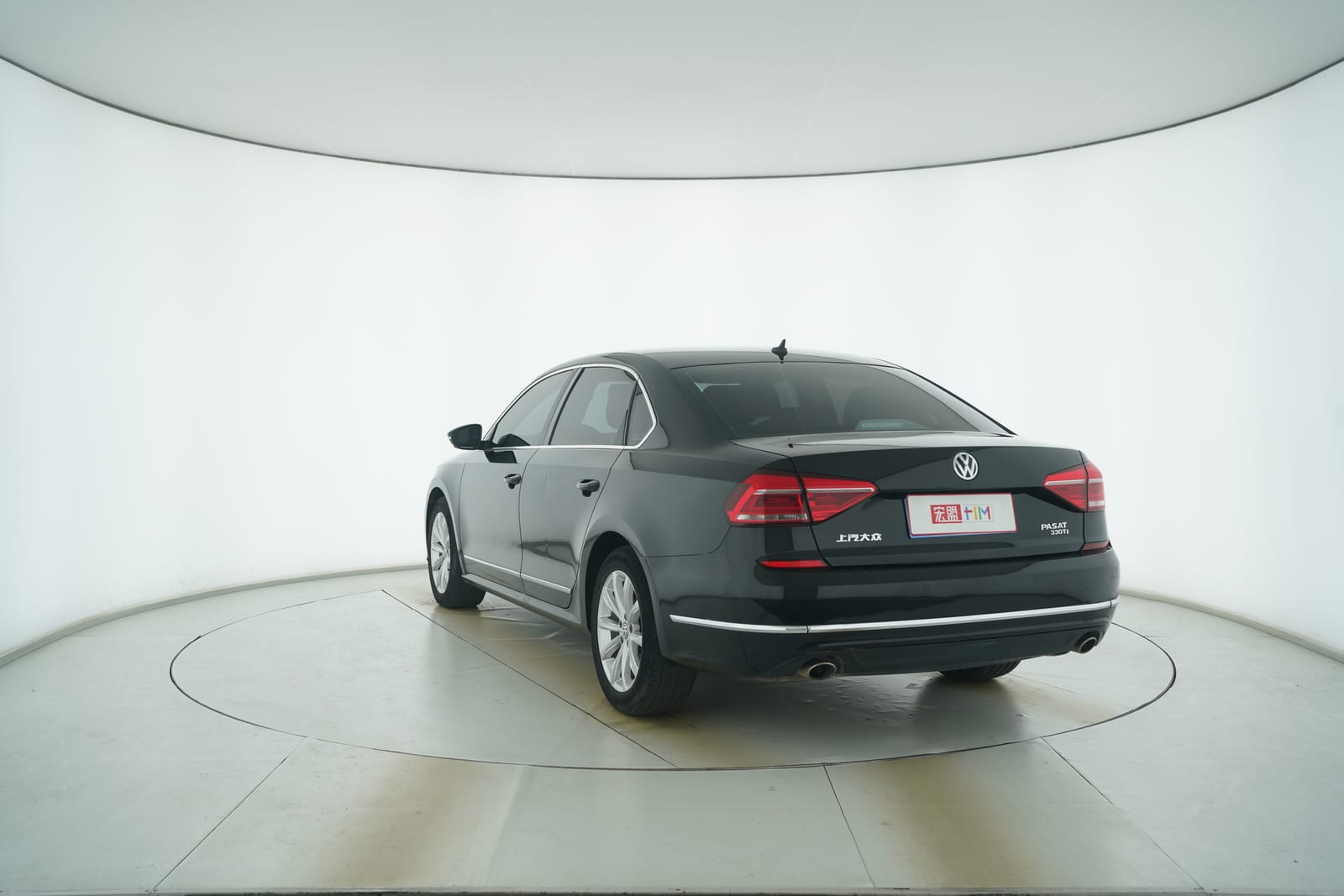
The black 2017 car is the old platform in its classic specification: formal, chrome-barred, and powered by the 1.8-litre turbo that this badge carried at the time.
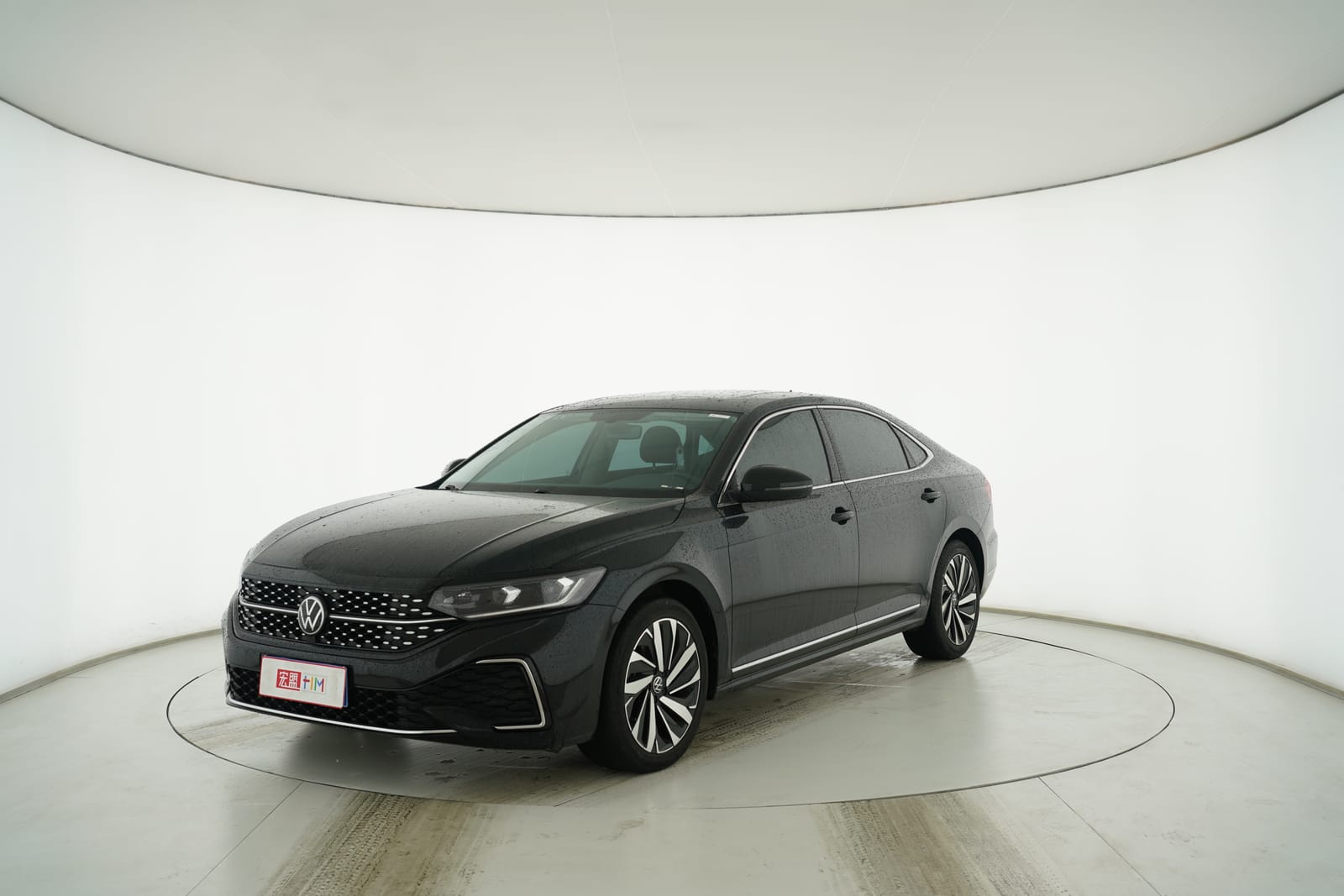
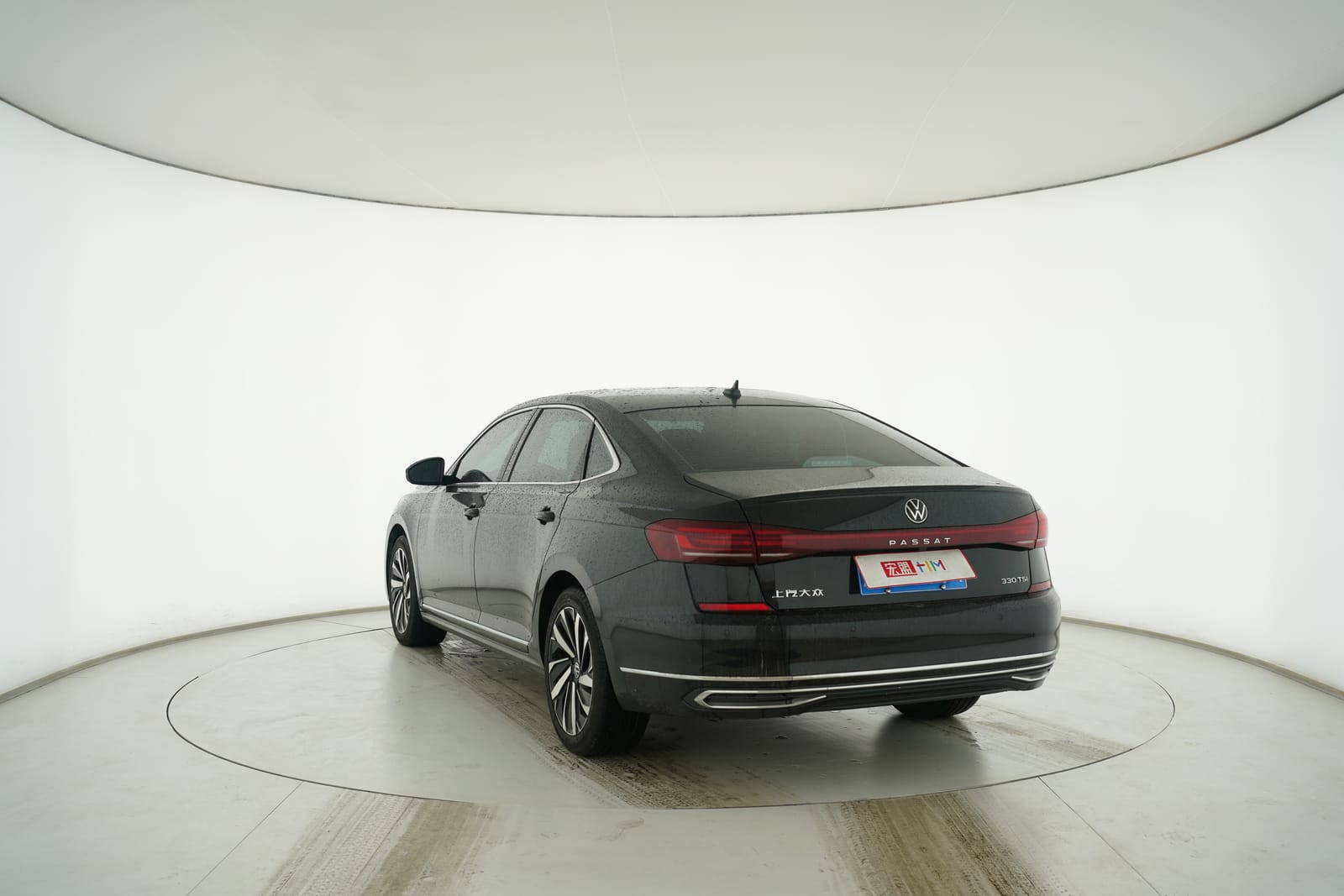
The 2023 car is the new platform with the starry grille and the 2.0-litre behind the same 330TSI badge. Parked nose to nose, the two generations are impossible to confuse.
Who This Car Suits
- Buyers who need a formal sedan at an informal budget. The Passat's stance — upright, black-friendly, badge-recognised — works in a great many markets.
- Markets with deep Volkswagen service coverage. Both generations share their mechanicals with millions of other VW-group cars, so parts and knowledge are easy to find.
- Highway and fleet use. These cars were designed around the Chinese expressway network and it shows: stable, quiet, unbothered by distance.
Think twice if:
- Your market is strict on emission class. The answer comes from each car's certificate, not from the badge, the model year, or the listing field.
- The buyer dislikes dual-clutch gearboxes on principle. There is no torque-converter alternative in the range; point them at a different model rather than arguing.
- You are buying blind from photos of the badge. The same 330TSI script sits on a 1.8 and on a 2.0 depending on the era — confirm the engine from the paperwork, not the tailgate.

Latin America Used Car Import Guide 2026: Mexico, Brazil, Chile & Peru
Latin America Market Desk
Central Asia Used Car Import Guide 2026: Kazakhstan, Uzbekistan, Kyrgyzstan & Tajikistan
Central Asia Market Desk

China Used Car Export Policy 2026: Complete Guide
Policy Analysis Team