Volvo XC60 Export Guide: T5, B5, All-Wheel Drive and Real-Vehicle Inspection
A practical Volvo XC60 guide for overseas buyers: distinguish model year from registration date, understand T5 and B5 variant labels, inspect all-wheel-drive operation and cabin equipment, compare real exterior photographs, and verify condition, documents and emissions certificates vehicle by vehicle before export.
Start With the Complete XC60 Identity
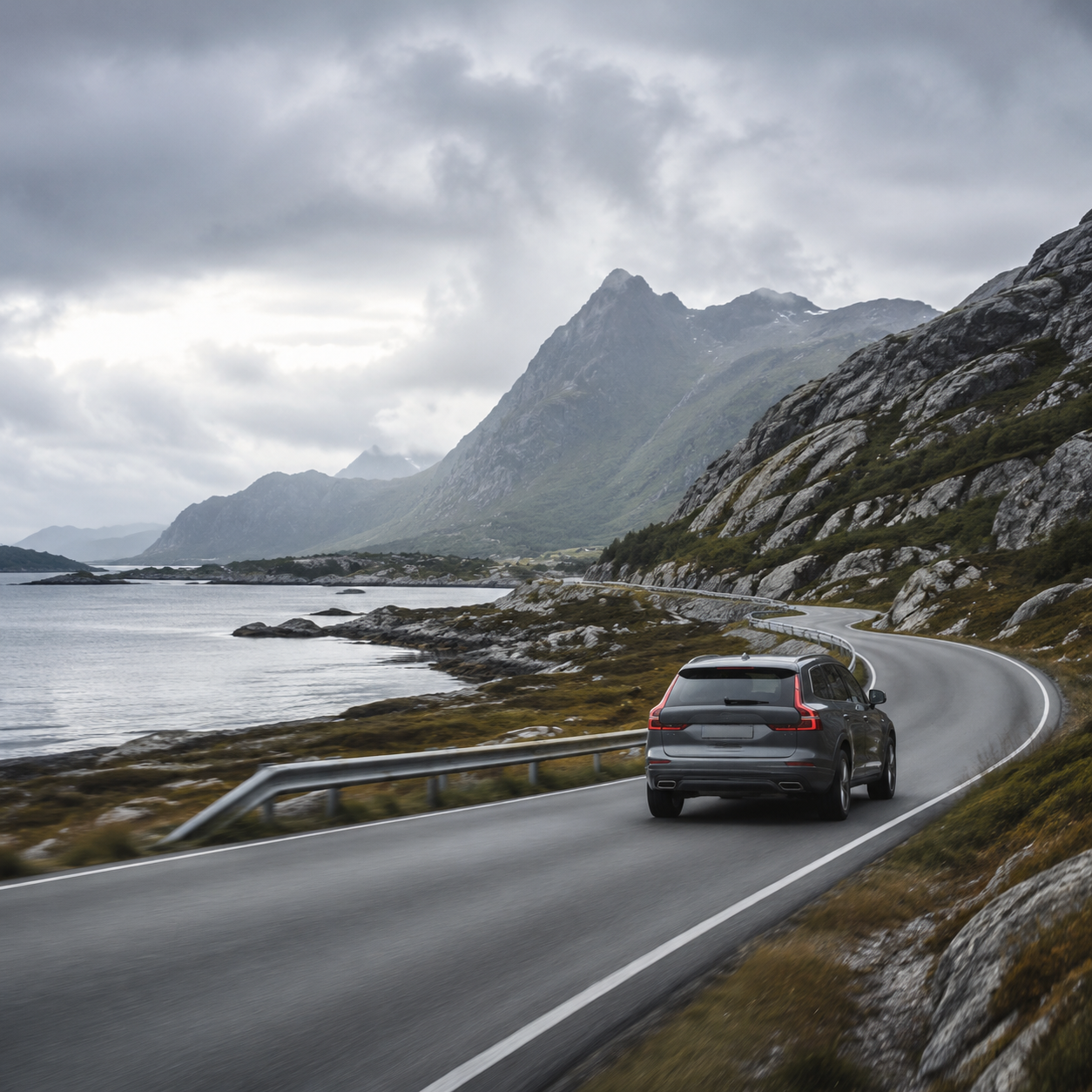
The Volvo XC60 is a premium mid-size SUV, but the model name alone does not establish a vehicle's powertrain, equipment or condition. Begin with the model year, full original trim description, factory information and registration records, then match them to the actual vehicle.
Model year and first-registration date are separate facts. A vehicle registered later has not become a later factory version. Replacement lamps, grilles, wheels or exterior packages can also change its appearance, so visual identification should support document checks rather than replace them.
Keep the complete trim wording in the purchase and inspection records. A translated short name may omit useful information such as the variant label or all-wheel-drive designation.
T5 and B5 Are Variant Labels, Not Condition Reports
T5 and B5 identify different factory variants within the XC60 range. They should not be read as trim grades on one identical powertrain, and output, displacement or electrical architecture should not be inferred from the badge alone. Confirm the individual vehicle's actual specification through its factory and registration information.
Start the vehicle cold where possible. Observe starting, idle, leaks, warning messages and abnormal noise, then repeat the assessment after it is fully warm. Test acceleration, gear changes and deceleration without treating hesitation, vibration or warning lights as normal premium-SUV behaviour.
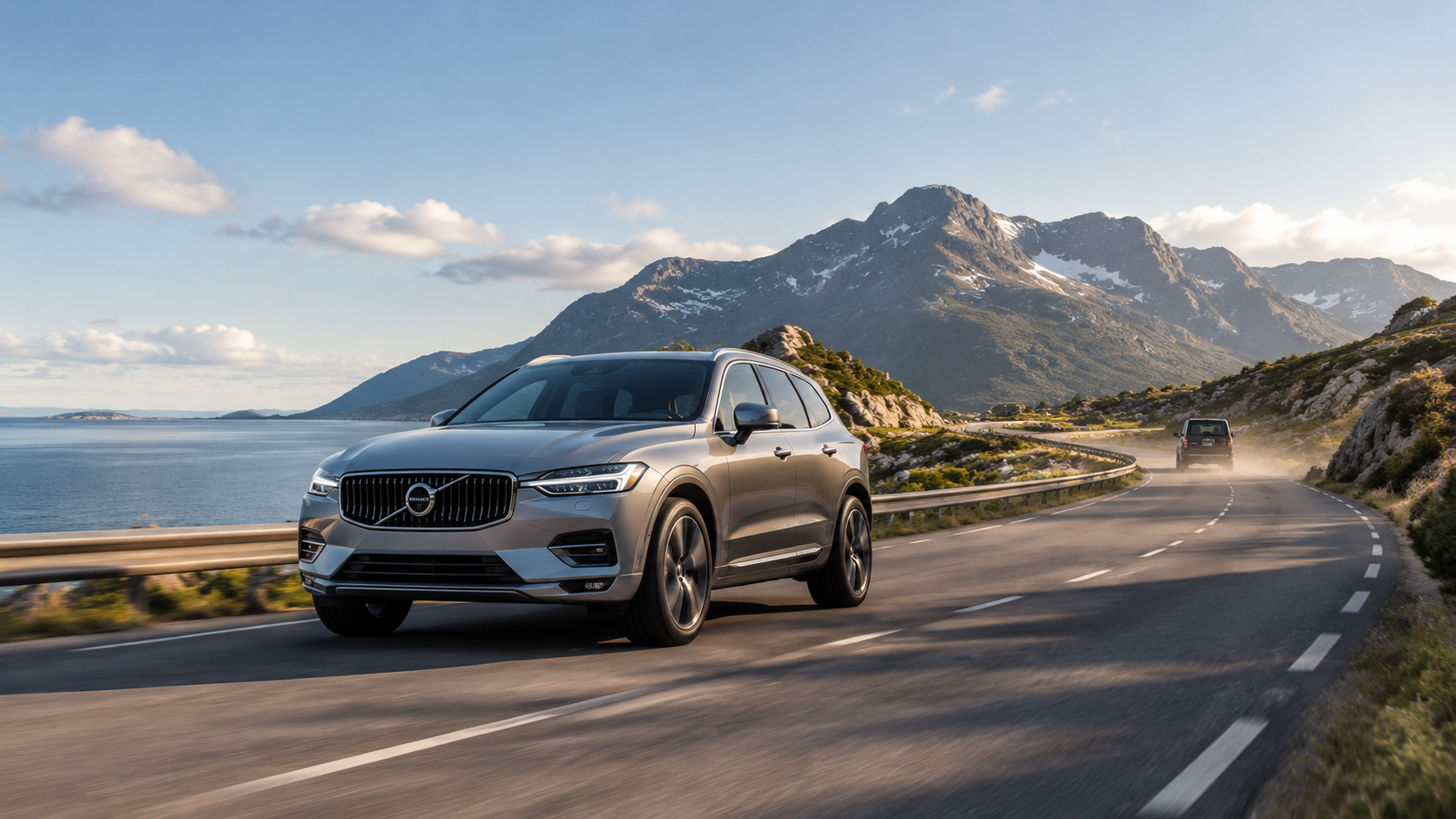
A diagnostic scan should accompany the road test. Compare stored faults with symptoms and maintenance records, and check whether any hybrid-related equipment fitted to a particular variant operates without warnings. No general model description can replace that vehicle-specific evidence.
All-Wheel Drive Must Be Tested on the Actual Car
An all-wheel-drive designation in the full trim name identifies the configured drivetrain, not its present health. Do not assume every XC60 has the same drivetrain or that a badge proves all components are working correctly.
During inspection, check for fluid leaks, damaged boots, uneven tyre specifications and abnormal noise. On a suitable road test, assess pulling away, steady driving, deceleration and low-speed turns for vibration, binding or delayed response. Investigate chassis and drivetrain warnings with appropriate diagnostic equipment.
Service documents should identify the same vehicle and show a coherent maintenance history. A clean engine bay or a clear dashboard is useful, but neither proves the condition of internal drivetrain components.
Verify Luxury Equipment by Operating It
Trim descriptions containing Luxury or similar equipment names are useful starting points, but they do not prove that every expected feature remains fitted and functional. Equipment can differ by year and original specification, while repairs and modifications can change an individual vehicle.
Test the seats and their adjustments, seat belts, climate control, displays, steering-wheel controls, lighting, cameras, parking sensors, tailgate and installed driver-assistance functions. Check infotainment connectivity as well as visible hardware, and document warning messages, non-original parts and missing accessories.
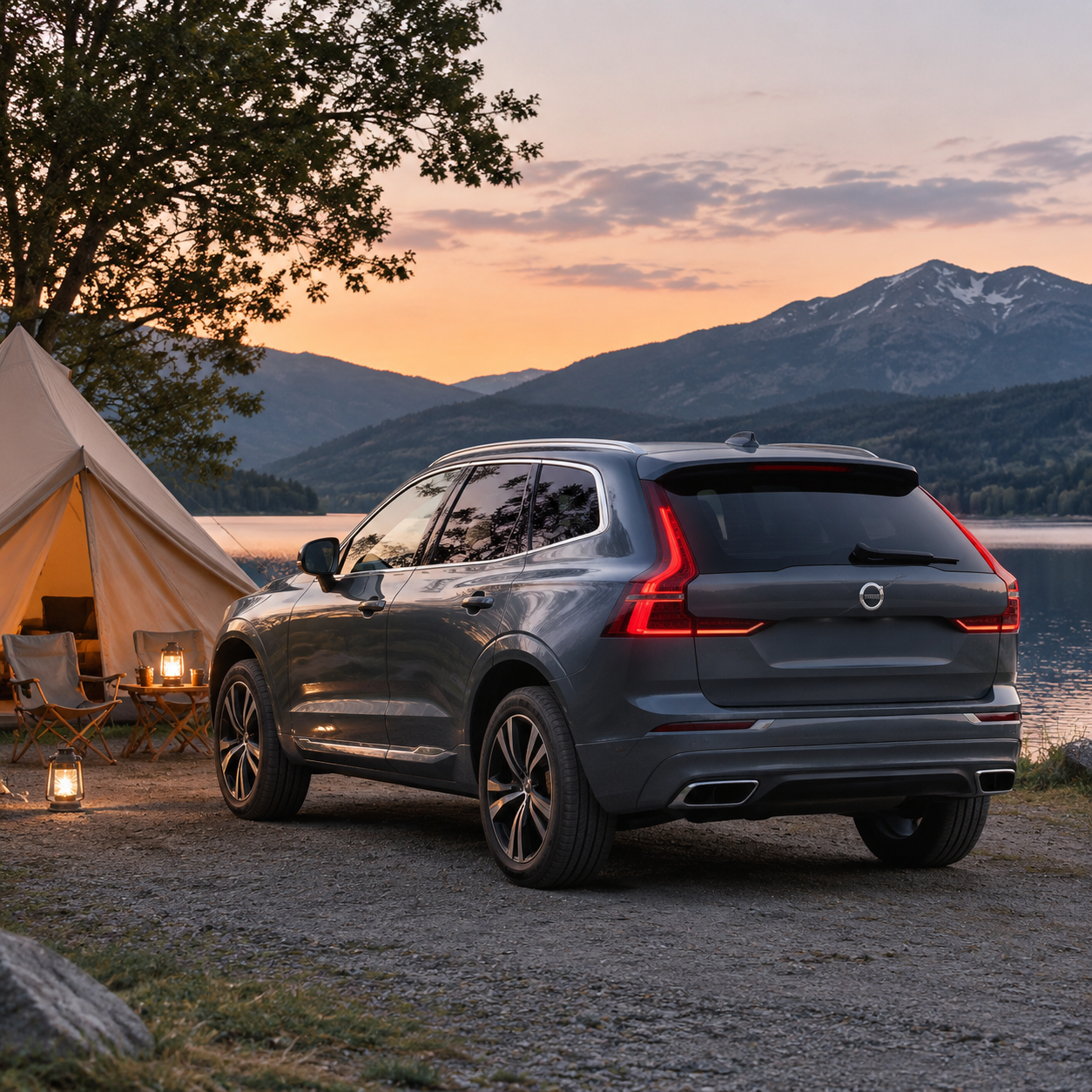
Exterior styling also needs direct comparison. Confirm the actual wheels, tyres, lamps and roof equipment instead of promising a feature because it appears in a brochure or a photograph of another XC60.
Real-Car Exterior References
The following photographs record the exterior styling, lights, wheels, visible badges and colours of two XC60 examples. They are appearance references only, not evidence of mechanical condition, complete equipment, maintenance history or document content.
2021 Volvo XC60 T5 All-Wheel Drive Luxury, white

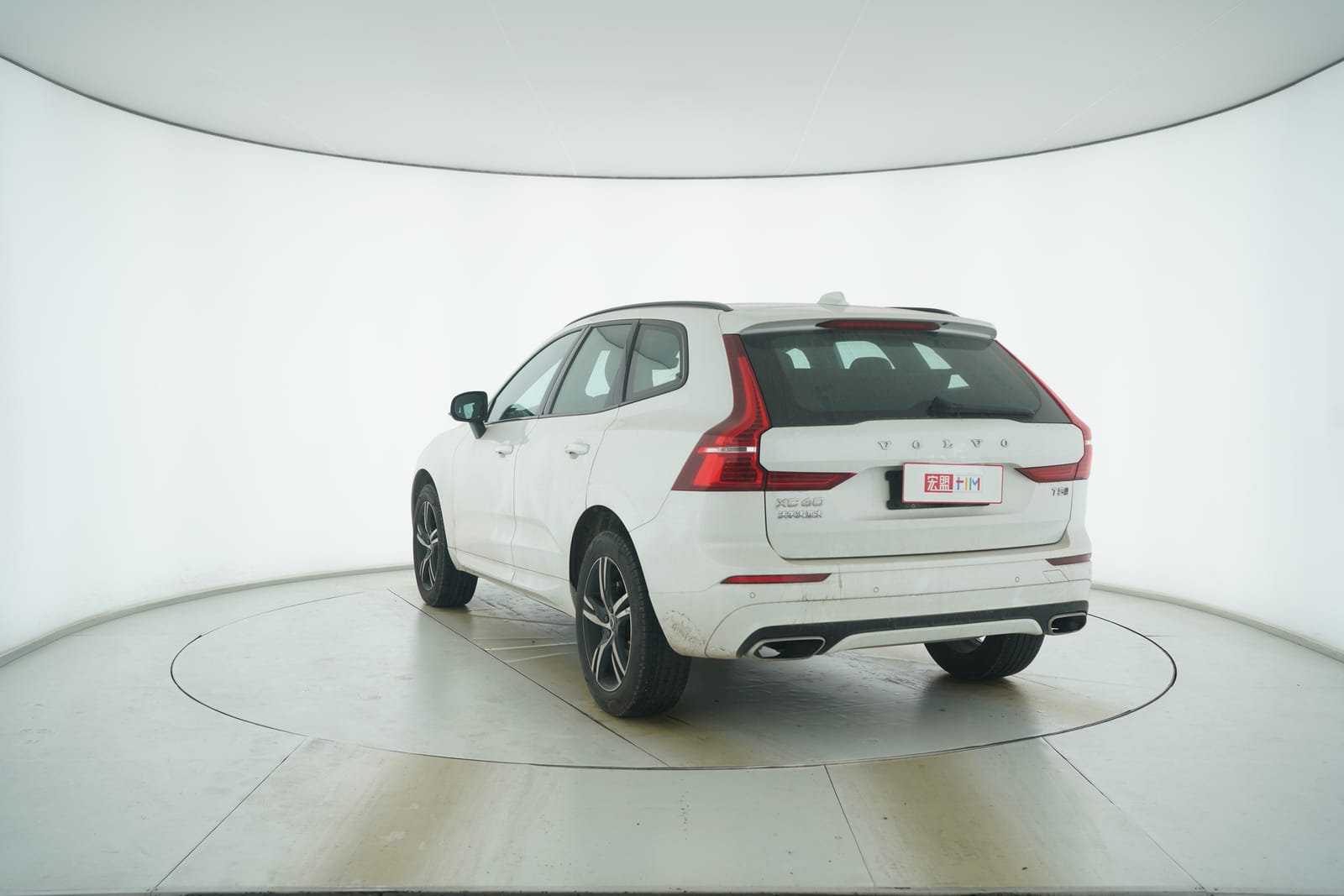
2024 Volvo XC60 B5 All-Wheel Drive Luxury, black
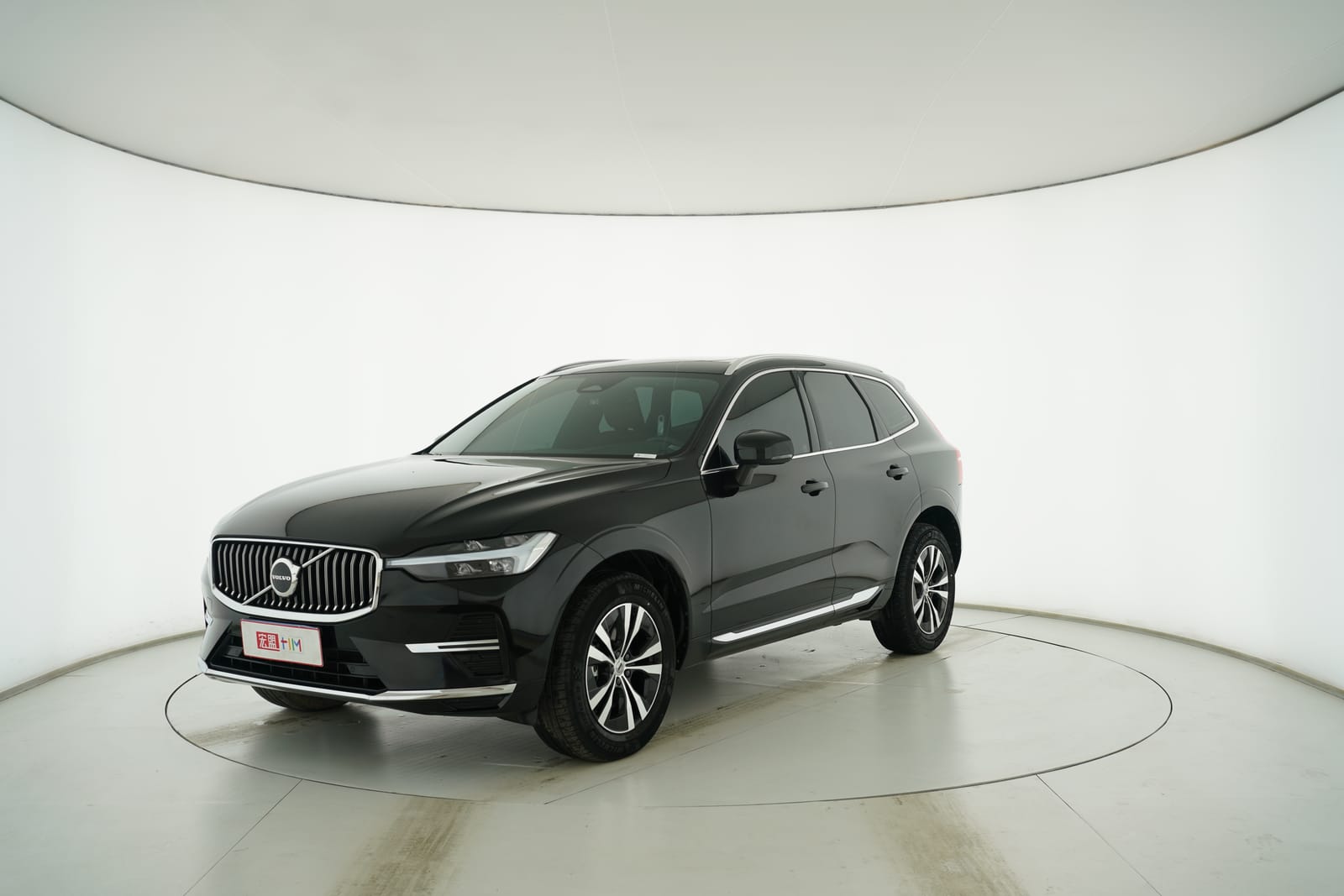
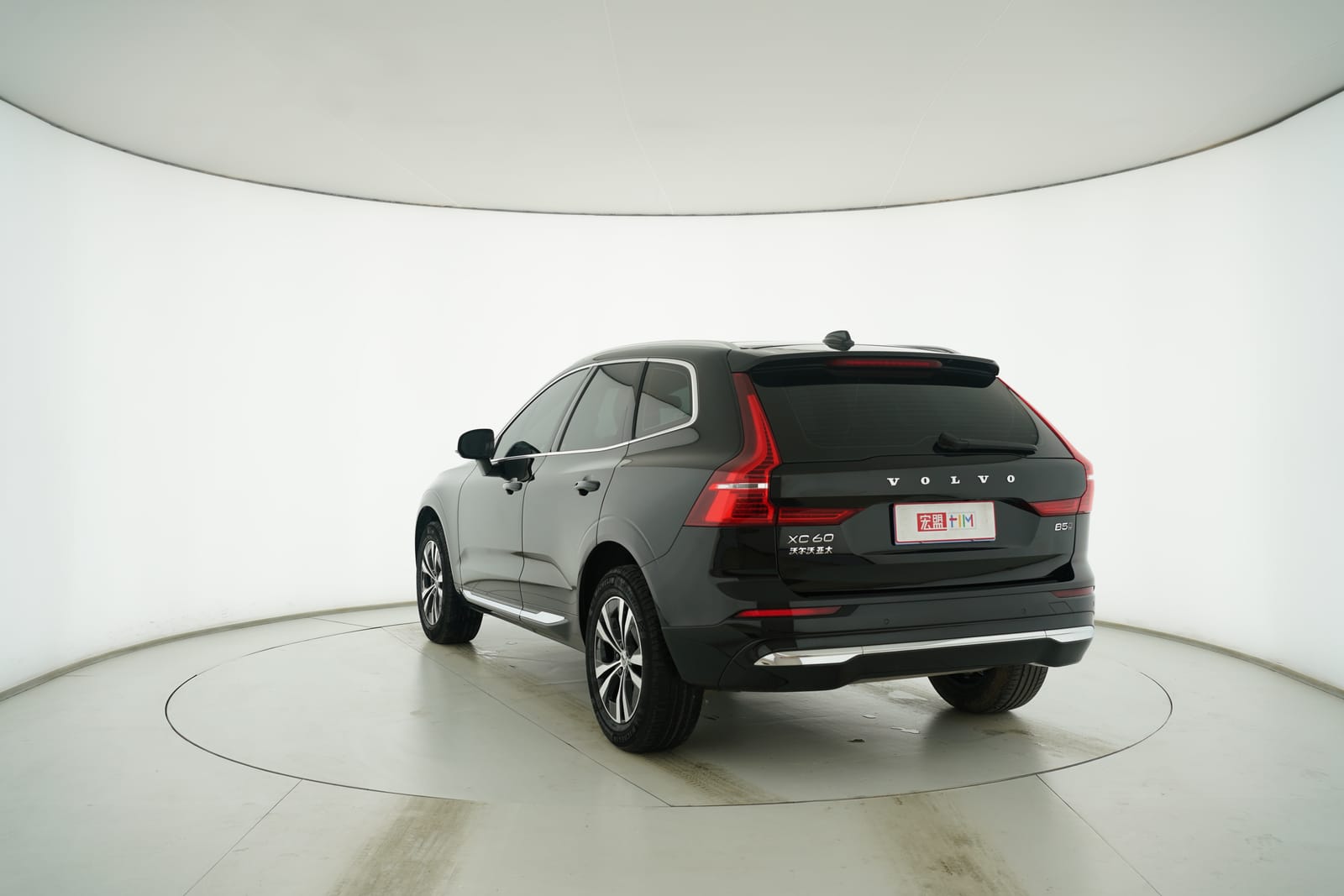
Similar trim wording does not make different vehicles interchangeable. Each XC60 still requires its own inspection, diagnostic results, road test and document review.
Body, Chassis and Cabin Inspection
Examine panel gaps, paint, glass markings, lights and evidence of structural repair. Inspect the underside, suspension mounting points and luggage-compartment floor, not just cleaned visible surfaces. Record replaced panels and non-original components and reconcile them with available documents.
Check all tyres for matching specifications, damage and uneven wear. Assess braking, steering and suspension during a complete road test, including low-speed manoeuvres and rough surfaces where safe. Pulling, vibration or abnormal noise requires diagnosis rather than an assumption based on the model's reputation.
Inside, inspect carpets, lower trim, seat mountings and cargo-area panels for moisture or repair traces. Operate every seat, belt and adjustment mechanism. Water ingress or previous repairs should be documented before shipping rather than discovered after arrival.
Six Checks Before Export
- Confirm identity. Match model year, full trim, factory specification and registration records to the actual vehicle.
- Identify the variant. Verify T5, B5 or another designation through documents rather than assuming technical parameters from the badge.
- Test the drivetrain. Combine cold and warm checks, diagnostic scanning and a road test covering the engine, transmission and configured all-wheel-drive system.
- Inspect body and chassis. Check structural repairs, underside, tyres, brakes, steering, suspension and signs of moisture in the cabin and luggage area.
- Verify equipment and modifications. Operate each function and record non-original parts, software changes and destination-compatibility questions.
- Reconcile export documents. Check ownership, registration, modification and transport paperwork. Emissions compliance must be verified vehicle by vehicle against the certificates supplied with that car and destination import requirements.
Compare Documented Condition, Not Just T5 or B5
The XC60 range includes different model years, variants and equipment specifications. Neither a T5 nor a B5 badge guarantees condition, and an all-wheel-drive label does not replace mechanical inspection.
A sound export decision follows complete identification, physical inspection, diagnostics, a road test and document verification. Compare each XC60 by its demonstrated condition and suitability for the destination, not by a short trim name or exterior appearance alone.

Latin America Used Car Import Guide 2026: Mexico, Brazil, Chile & Peru
Latin America Market Desk

Central Asia Used Car Import Guide 2026: Kazakhstan, Uzbekistan, Kyrgyzstan & Tajikistan
Central Asia Market Desk

China Used Car Export Policy 2026: Complete Guide
Policy Analysis Team