Toyota RAV4 Buying Guide for Export Buyers: XA40 vs XA50, Petrol and Hybrid
The Chinese-market Toyota RAV4, known locally as RAV4 Rongfang, spans two distinct used-car generations with very different platforms and drivetrains. This guide separates XA40 from TNGA-based XA50, explains the 2.0 petrol CVT, earlier 2.5 automatic and 2.5 hybrid layouts, and details the transmission, all-wheel-drive, hybrid-system, body and document checks that matter before export.
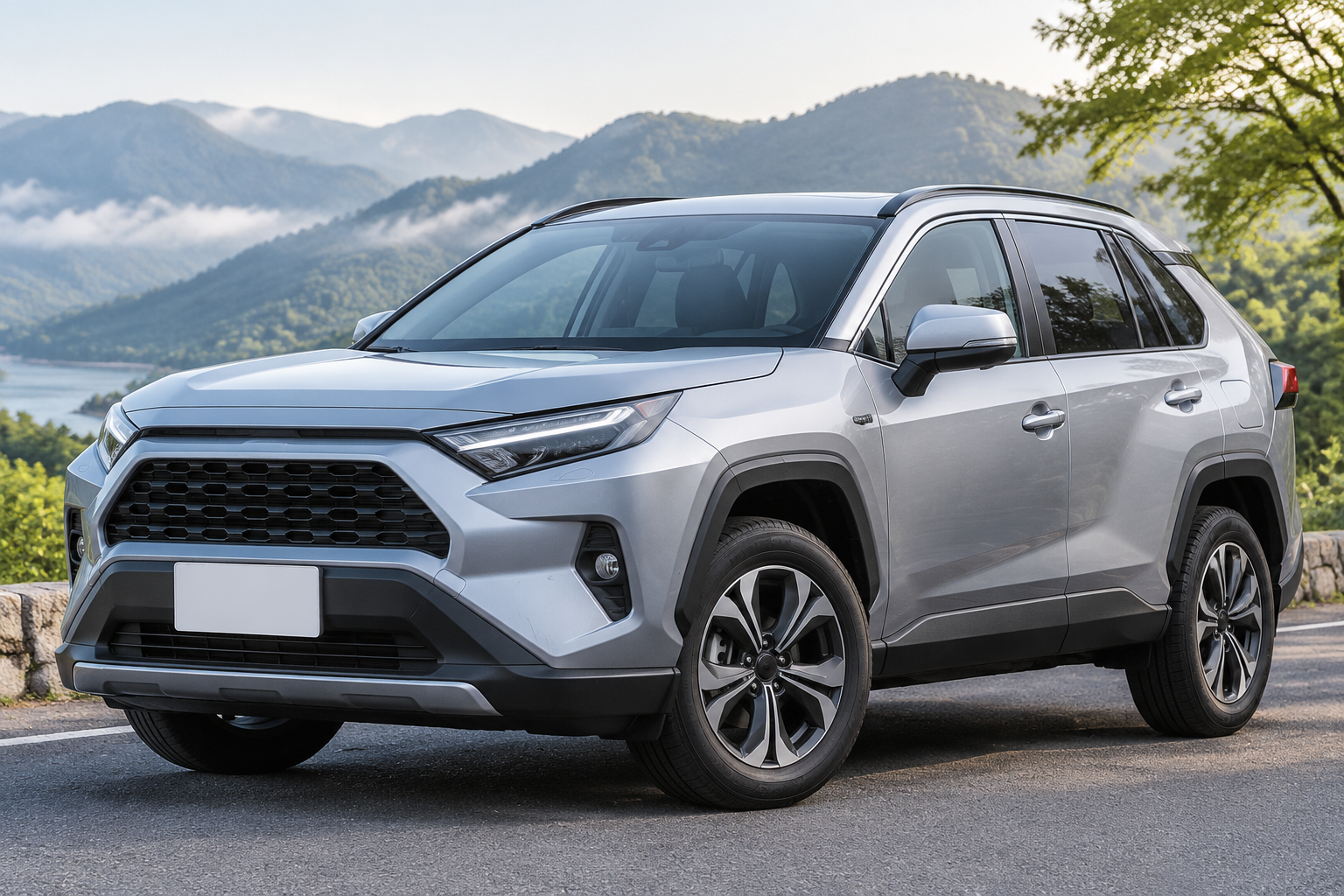
One Name, Two Very Different Used-Car Generations
The Toyota RAV4 is a compact five-seat SUV built for everyday road use rather than a body-on-frame off-road formula. Chinese-market cars are commonly associated with FAW Toyota production. For export buyers, the key distinction is not simply the model year: it is whether the vehicle belongs to the XA40 generation or the later XA50 generation on Toyota's TNGA architecture.
The fourth-generation XA40 was launched in China in 2013. Its 2016 facelift brought a sharper front-end design and wider use of the Chinese name Rongfang. The fifth-generation XA50 followed in China in 2019, with more angular bodywork, a different cabin and a substantially revised chassis and powertrain family. Treating both as interchangeable RAV4s can lead to the wrong expectations about driving feel, equipment and service needs.
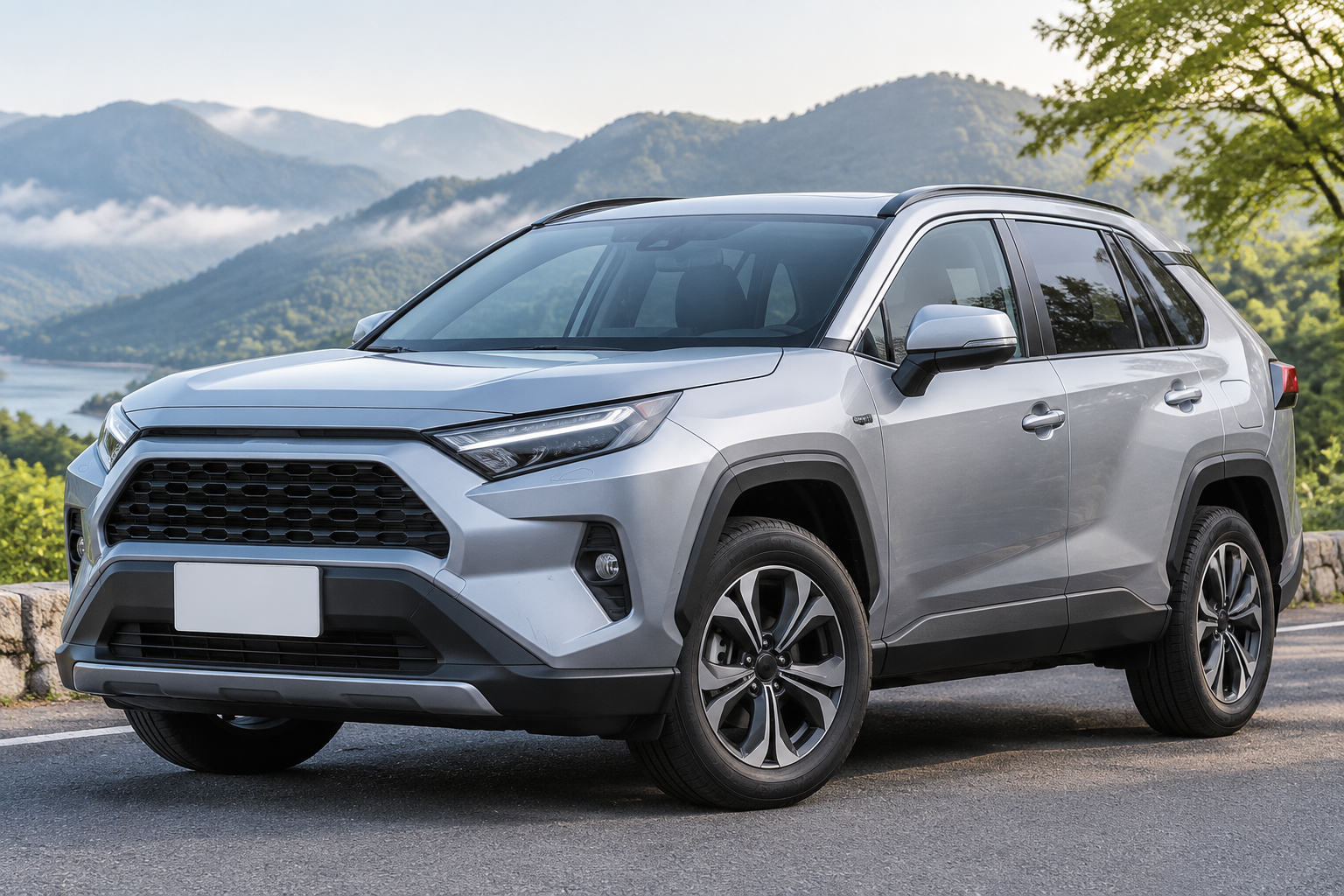
XA40: Understand the Engine and Gearbox Pairing
Chinese-market XA40 cars are most often encountered with naturally aspirated 2.0-litre or 2.5-litre petrol engines. The typical layout pairs the 2.0 with a continuously variable transmission, while the 2.5 uses a conventional six-speed automatic. Front-wheel drive and all-wheel drive were offered, but availability depends on the exact trim and model year.
This makes the badge alone insufficient. A buyer should confirm the engine, gearbox and drive layout from the vehicle documents and physical inspection, then test that specific combination. On a CVT car, listen for abnormal noise and check for hesitation, flare or vibration during gentle and moderate acceleration. On a 2.5 automatic, assess cold and warm shifts, engagement from rest and consistency under changing throttle.
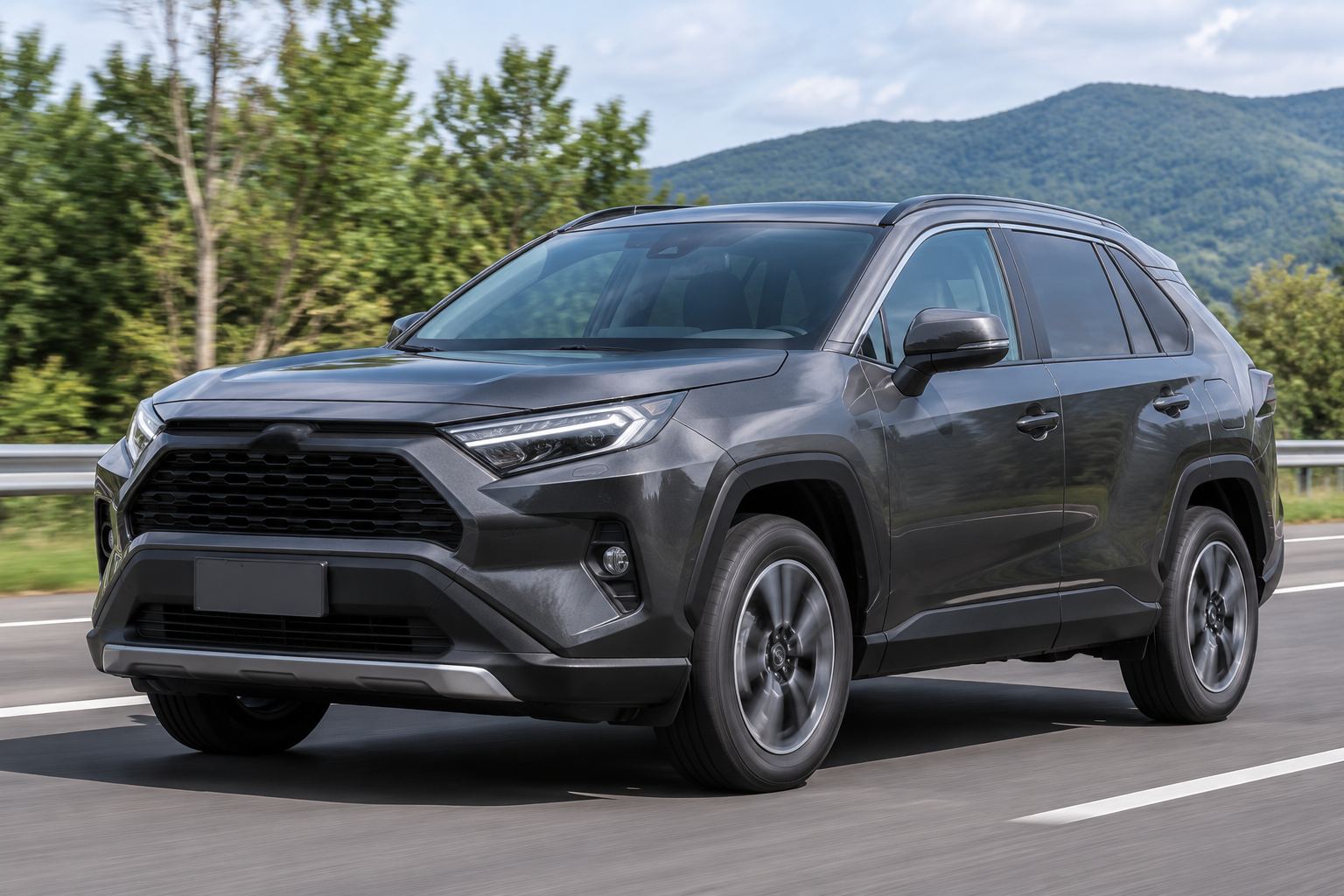
XA50: Petrol CVT and Hybrid Are Not the Same Drivetrain
The XA50 moved to Toyota's TNGA-based compact architecture. In China, used examples commonly feature either a 2.0-litre petrol engine with CVT or a 2.5-litre hybrid system with an electronically controlled continuously variable transmission. The hybrid's e-CVT describes a power-split arrangement using motor-generators; it should not be understood as the same belt-and-pulley transmission as a conventional petrol CVT.
All-wheel-drive specifications also need individual verification. Depending on the powertrain, the rear wheels may be driven through a mechanical driveline or, on certain hybrid versions, by a separate rear electric motor. The inspection route is therefore different: a mechanical system requires attention to the rear driveline and coupling, while an electric rear-drive layout requires relevant hybrid and control-system diagnostics.
Our Photographed XA50 Examples
The vehicles below illustrate how trim and drive layout can differ within the same generation. They are not substitutes for the equipment list and documents of any other vehicle.
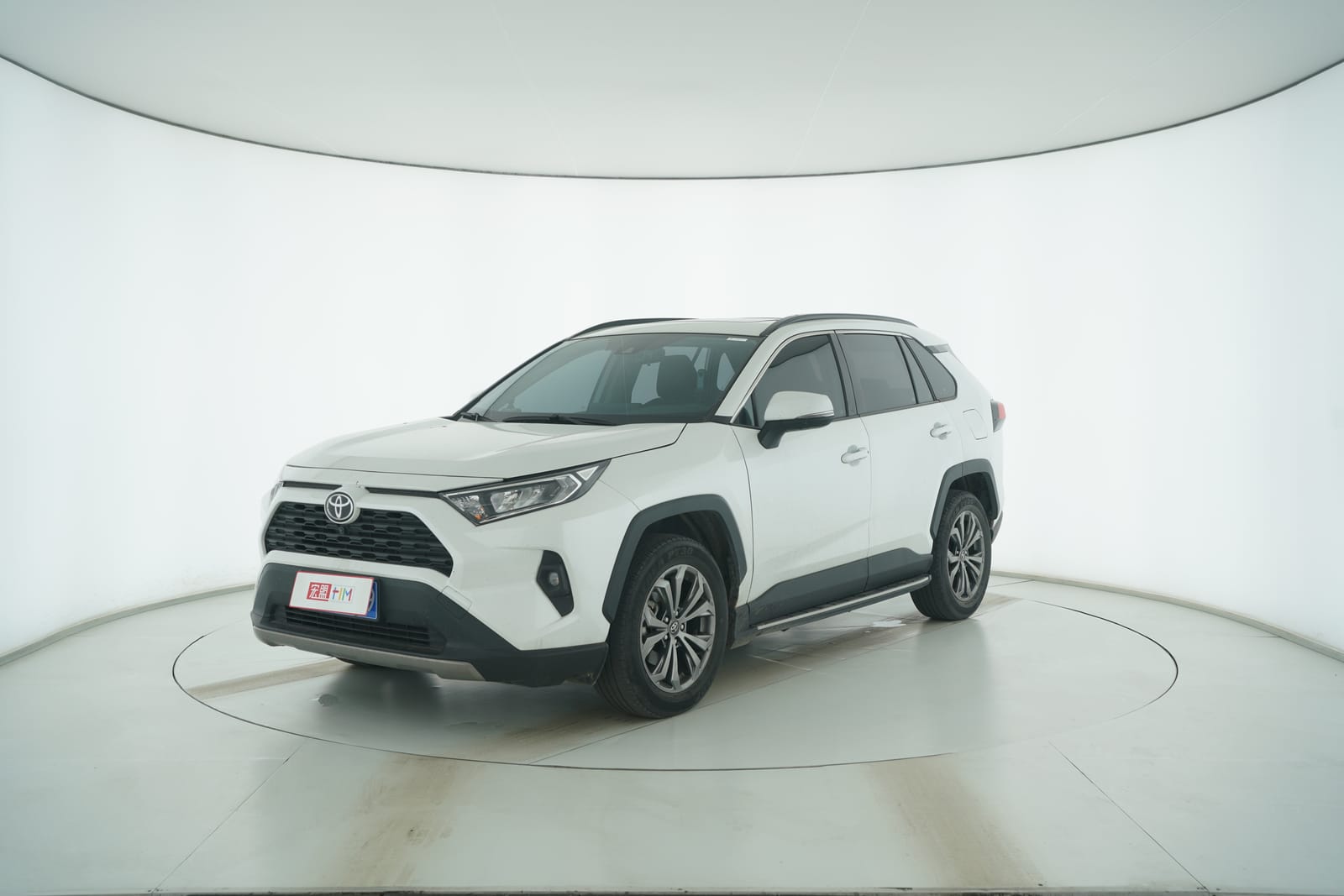
*2024 RAV4 2.0L CVT two-wheel-drive Fengshang trim, white.*
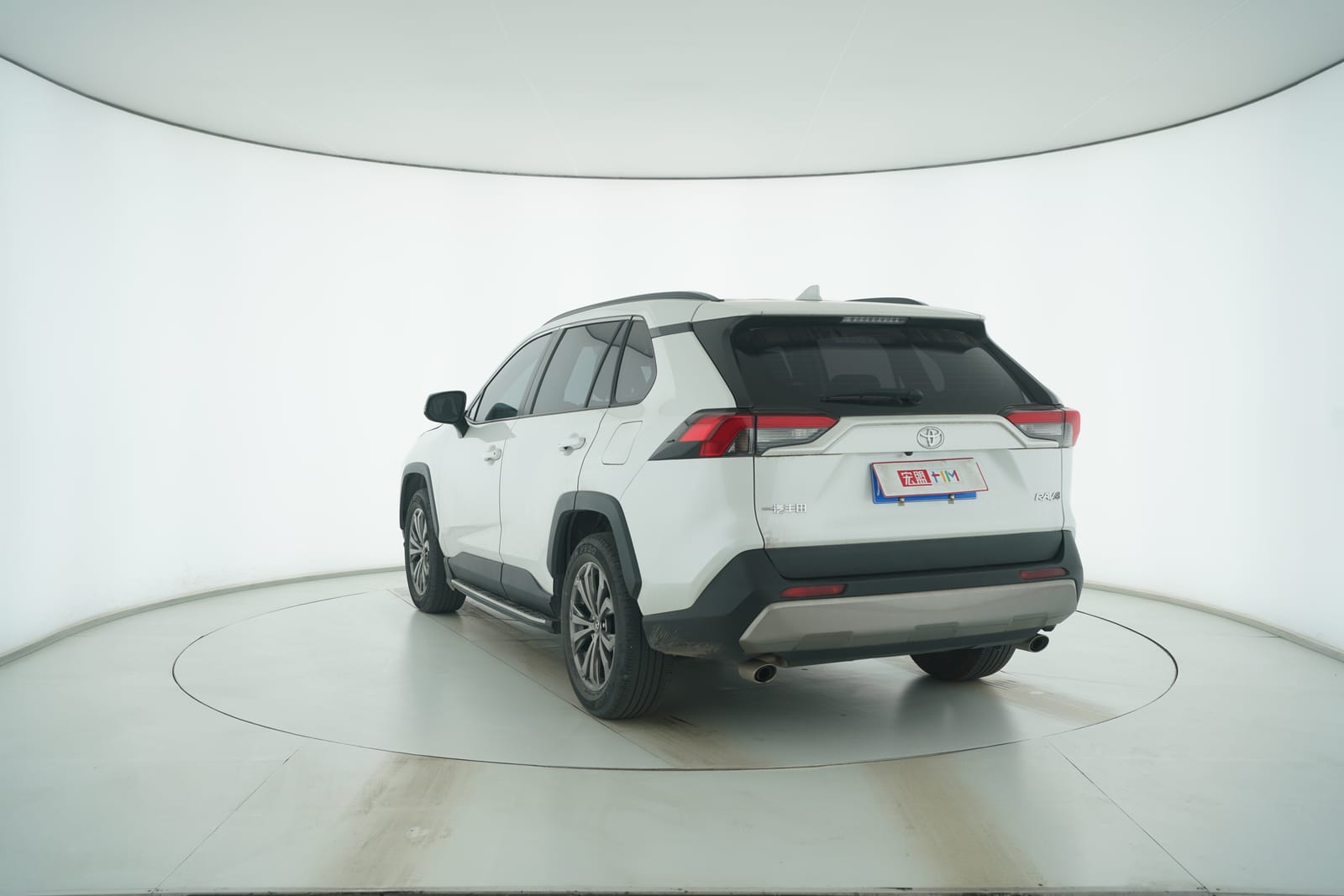
*2024 RAV4 2.0L CVT two-wheel-drive Fengshang trim, white.*
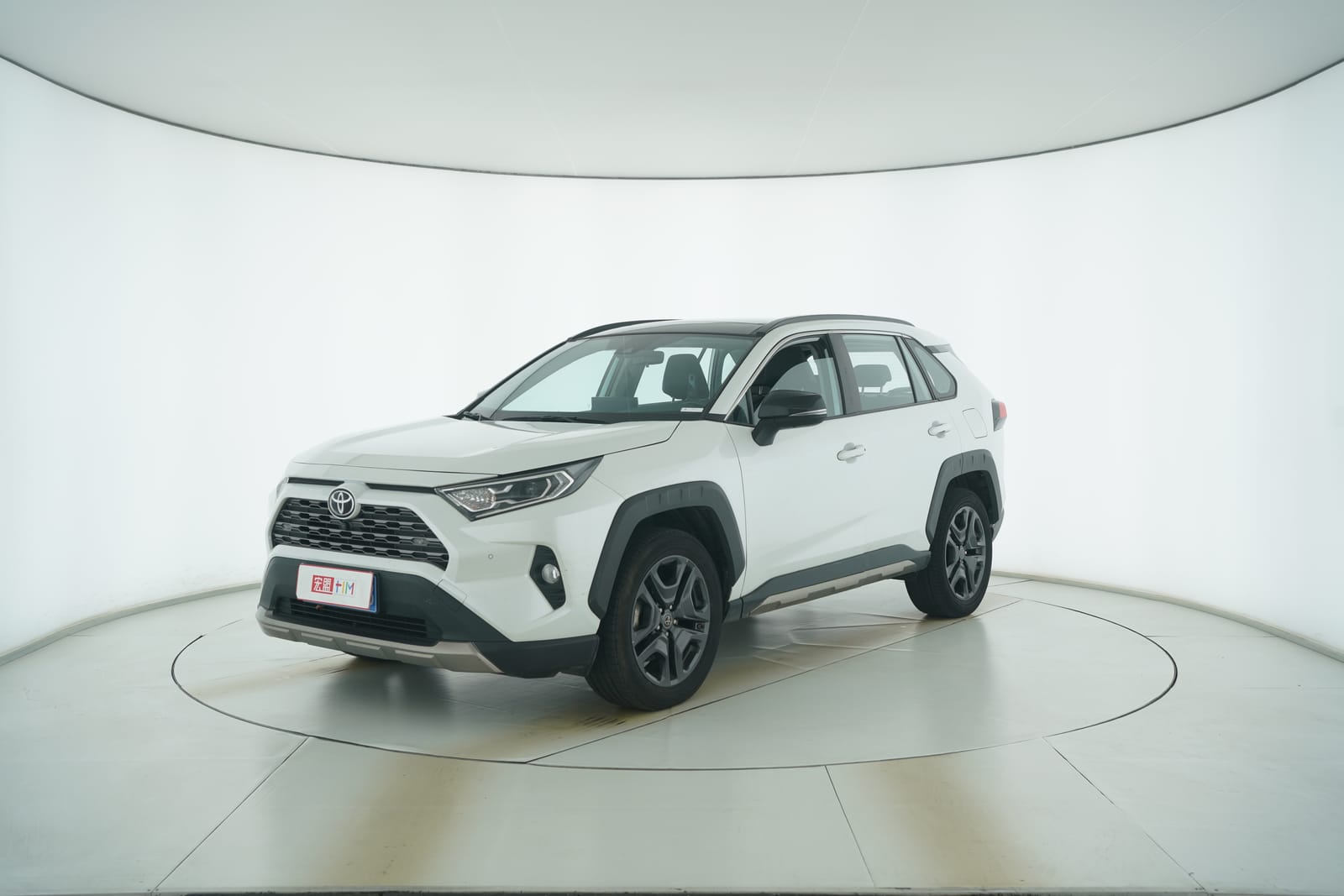
*2022 RAV4 2.0L CVT four-wheel-drive Fengshang Plus trim, white.*
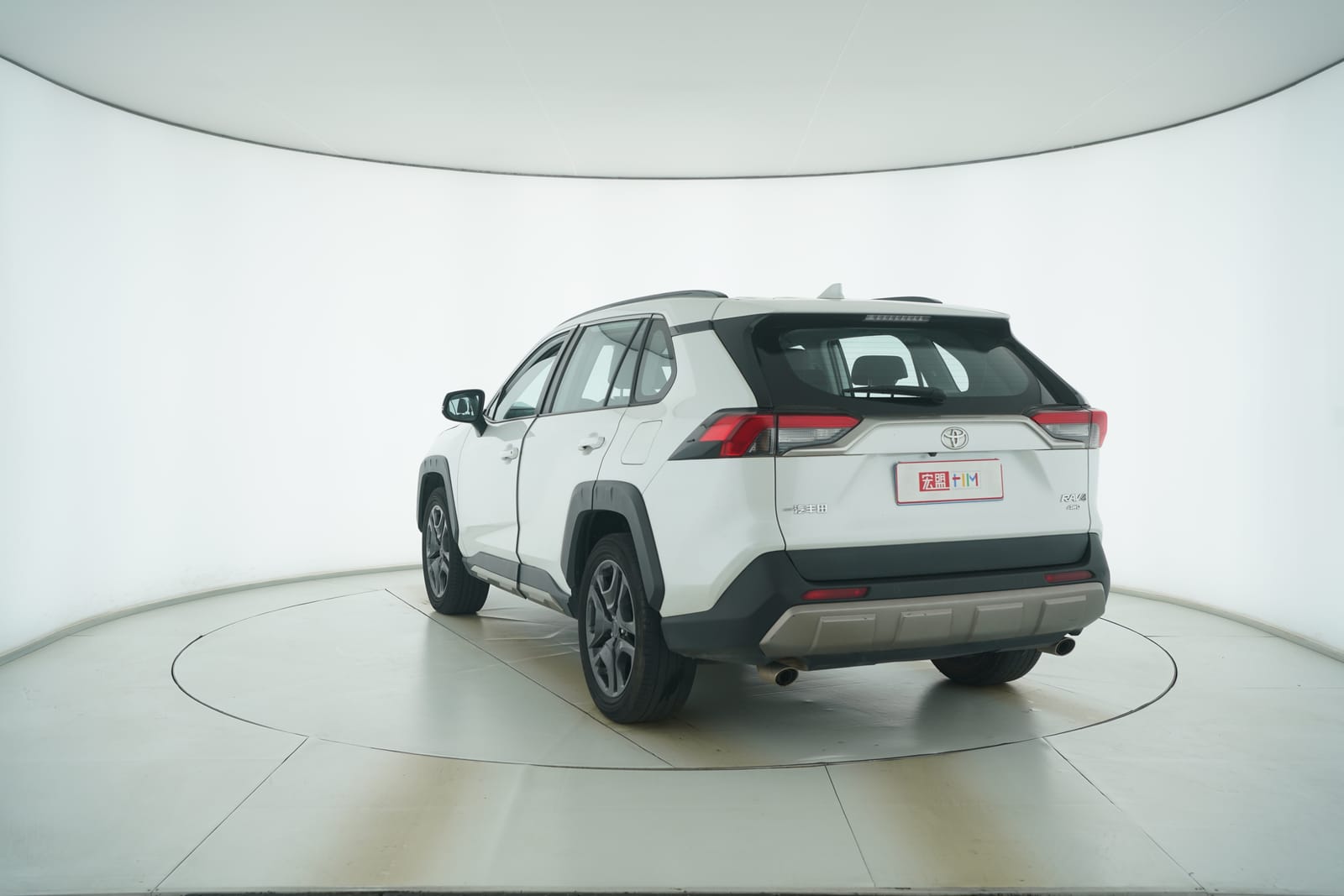
*2022 RAV4 2.0L CVT four-wheel-drive Fengshang Plus trim, white.*
Cabin, Safety Equipment and Everyday Use
Both generations offer a five-seat layout, but their cabins and equipment should not be generalised. Screen size, instrument layout, seat adjustment, parking cameras and driver-assistance functions vary by year and trim. Where Toyota Safety Sense functions are fitted, test warnings and controls and check for accident repairs or windscreen replacement that could require camera or radar calibration.
The RAV4's practical appeal lies in its rear-seat access, luggage opening and manageable road footprint. Inspect the rear bench and folding mechanisms, load floor, tailgate struts and seals. On cars with a sunroof, check drainage and headlining for water marks. None of these checks requires assuming off-road use; they apply equally to a family car that has carried luggage and operated on poor urban roads.
A Used-Car Inspection Priorities List
- Match records to the exact powertrain. Confirm service history and fluid-maintenance evidence appropriate to the fitted CVT, six-speed automatic or hybrid system. Do not apply one maintenance rule to every RAV4.
- Test cold and warm behaviour. Transmission engagement, idle stability and warning messages can change after the car reaches operating temperature.
- Inspect the drive layout actually fitted. On mechanical all-wheel drive, look for rear-driveline leaks, impact damage and abnormal noise. On a hybrid, obtain suitable battery, power-control and fault-code diagnostics rather than judging health from the dashboard alone.
- Check suspension and tyres as a set. Uneven tyre wear, steering pull, worn bushings or noise over bumps can indicate alignment or suspension work is needed.
- Verify driver-assistance hardware. A trim name is not enough. Confirm the presence and operation of cameras, radar and parking aids on the individual car.
- Check export documents per vehicle. Emissions compliance must be verified against the accompanying vehicle certificates and destination requirements; never infer an emissions rating solely from model year or a database field.
Which RAV4 Suits Which Buyer?
An XA40 can suit a buyer who wants an older, mechanically familiar compact SUV and is prepared to assess age-related wear carefully. The 2.0 CVT and 2.5 automatic should be evaluated as different vehicles, not merely different power outputs.
An XA50 suits buyers seeking the later platform and cabin, with a choice between conventional petrol and hybrid operation depending on the actual car. The petrol version keeps the mechanical layout comparatively straightforward; the hybrid adds components that require model-specific diagnostics but can offer a different driving character. In every case, condition, documented maintenance and correct export paperwork matter more than a broad reputation for durability.

Latin America Used Car Import Guide 2026: Mexico, Brazil, Chile & Peru
Latin America Market Desk

Central Asia Used Car Import Guide 2026: Kazakhstan, Uzbekistan, Kyrgyzstan & Tajikistan
Central Asia Market Desk

China Used Car Export Policy 2026: Complete Guide
Policy Analysis Team