Toyota Corolla Buying Guide for Export Buyers: 1.2T, 1.5L, Hybrid and TNGA
Chinese-market Toyota Corolla sedans span eleventh- and twelfth-generation designs and several distinct powertrains. This guide separates the 1.2T S-CVT, the later TNGA 1.5L CVT and the 1.8-litre hybrid, explains what TNGA does and does not identify, and sets out the transmission, engine, chassis, safety-system and document checks needed before export.
Separate the Generations Before Comparing Cars
The Toyota Corolla is a compact road-focused sedan, with Chinese-market cars produced by FAW Toyota. For used-car export, the Corolla name alone is too broad: an eleventh-generation car and a later TNGA-based model differ in body architecture, cabin electronics and available powertrains.
The eleventh generation arrived in China for the 2014 model year, followed by styling and equipment revisions. The twelfth generation reached the Chinese market in 2019, bringing TNGA architecture to the range. Model year and registration date are not interchangeable, so the exact generation should be established from the vehicle documents and configuration rather than a single date field.
Exterior details help distinguish the generations, but a grille or lamp shape is not a complete identification method. Confirm the engine, transmission and trim with the records for the specific car.
Understand 1.2T, 1.5L and Hybrid as Different Vehicles
The 1.2T S-CVT combines a small turbocharged petrol engine with a continuously variable transmission. The later TNGA 1.5L CVT uses a naturally aspirated petrol engine and should not be treated as the same mechanical package with a different badge. Their service history, driving response and diagnostic priorities differ.
The 1.8-litre hybrid, commonly identified by Toyota's Dual Engine naming in China, adds electric drive, power electronics and a high-voltage battery. Its transmission and braking behaviour need a separate inspection routine. TNGA itself identifies an architecture, not a particular engine, hybrid system or drivetrain layout.
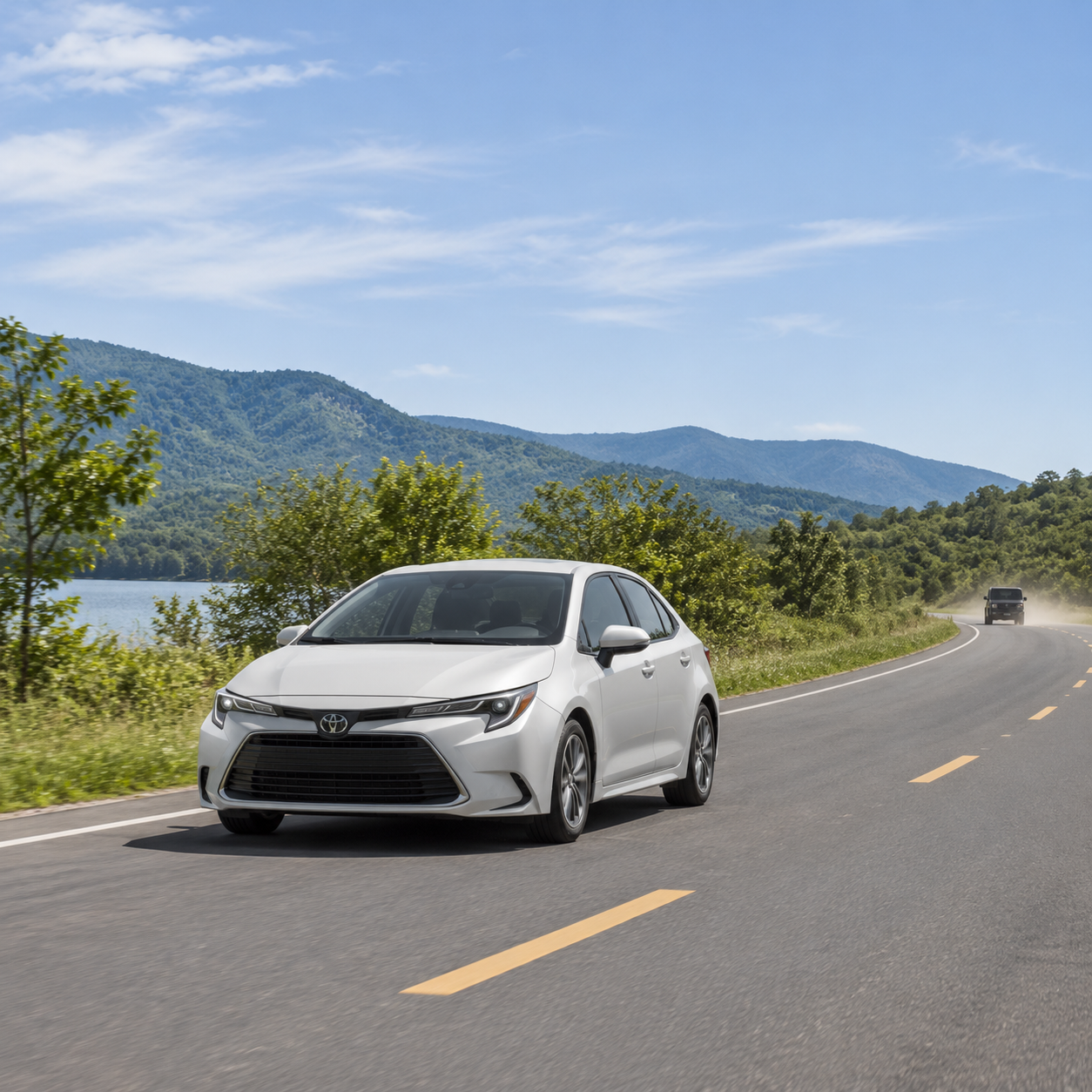
Older naturally aspirated Corolla versions add further variation. Avoid assuming that a maintenance interval, fluid specification or fault diagnosis applies across the whole model range; match technical information to the installed powertrain.
Real-Car Exterior References
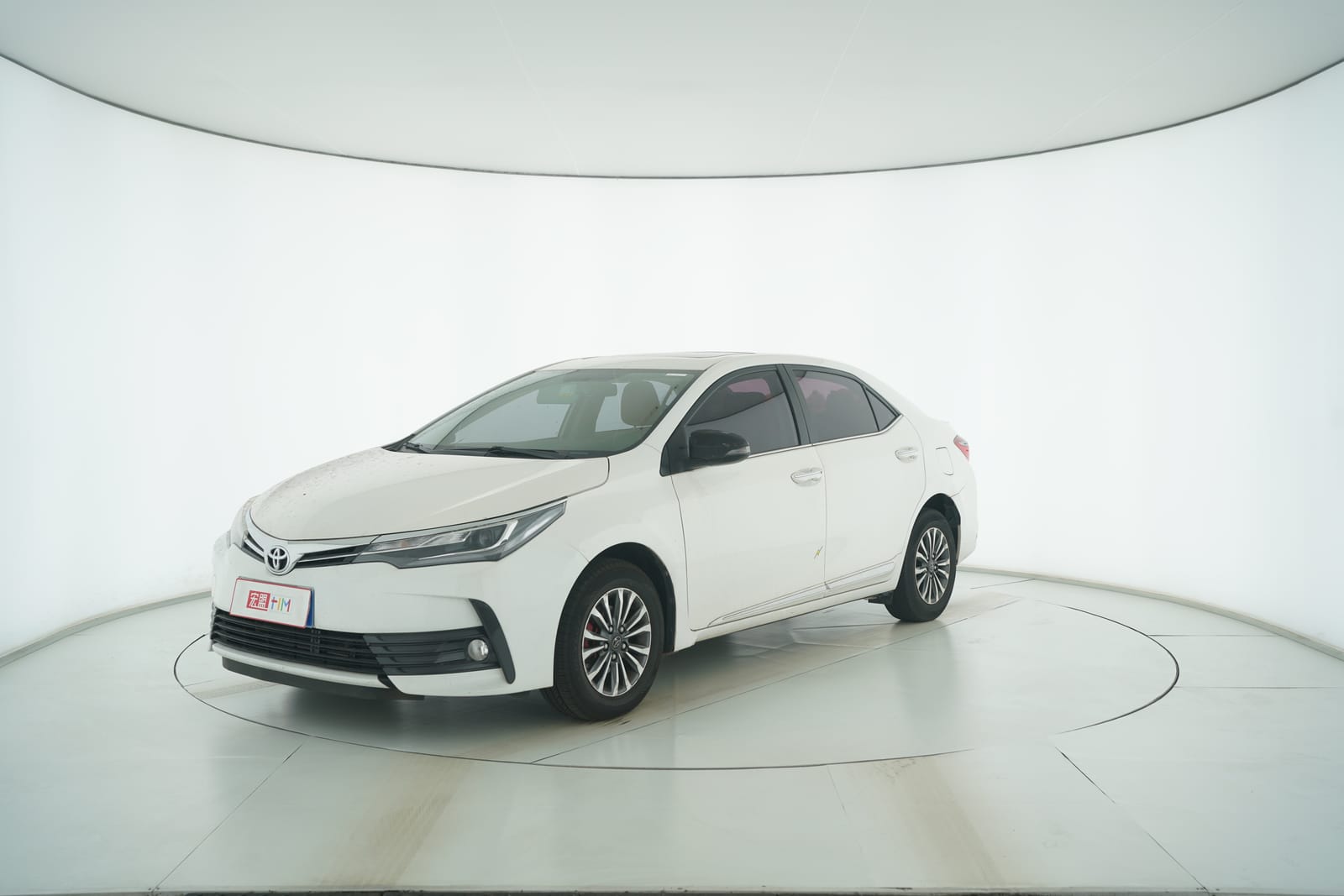
These real-car photographs show exterior form, visible trim and colour. They do not establish hidden options, maintenance condition or the contents of the registration documents.
2018 Corolla 1.2T S-CVT GL-i Zhihui, White
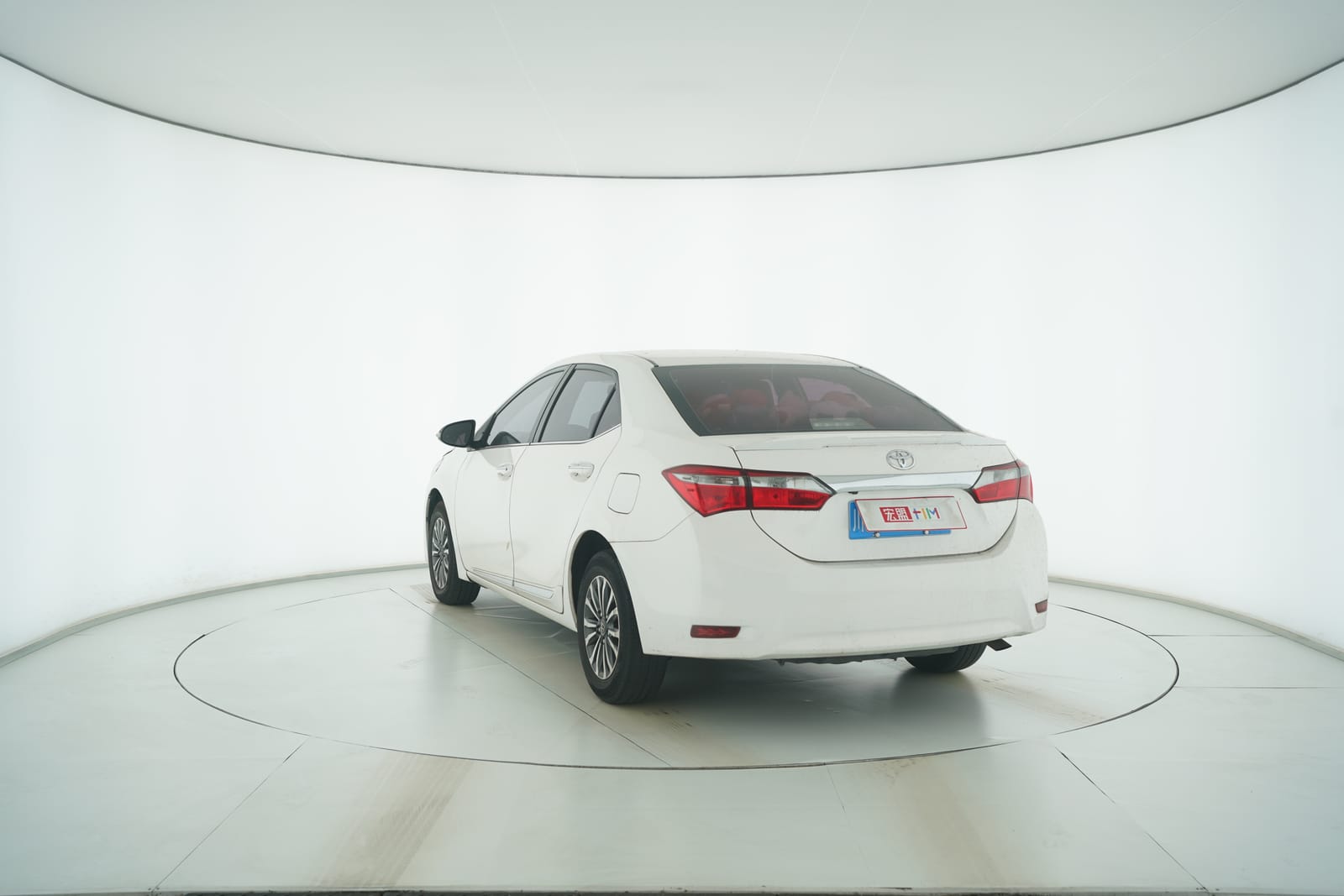
2022 Corolla TNGA 1.5L CVT Pioneer, White
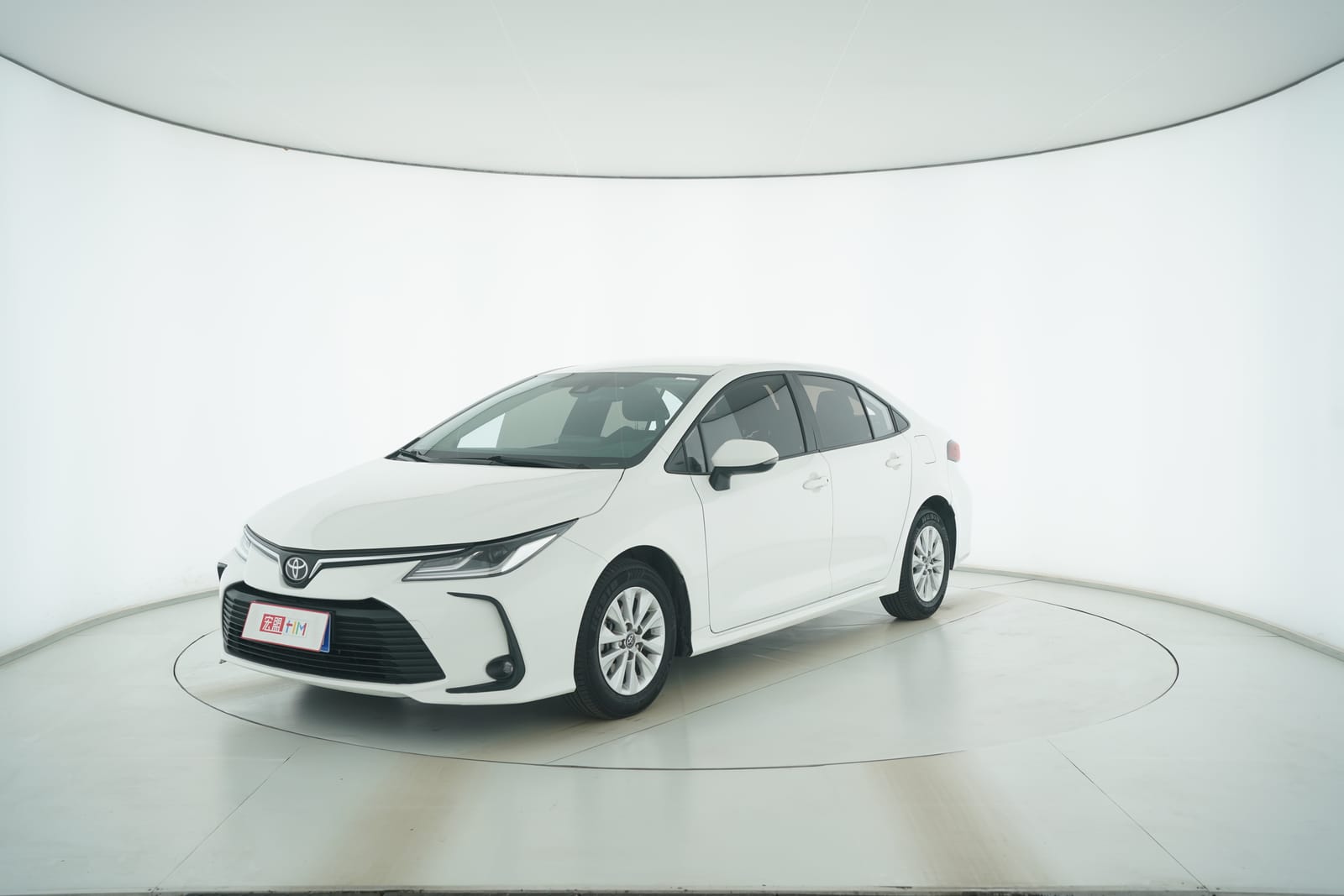
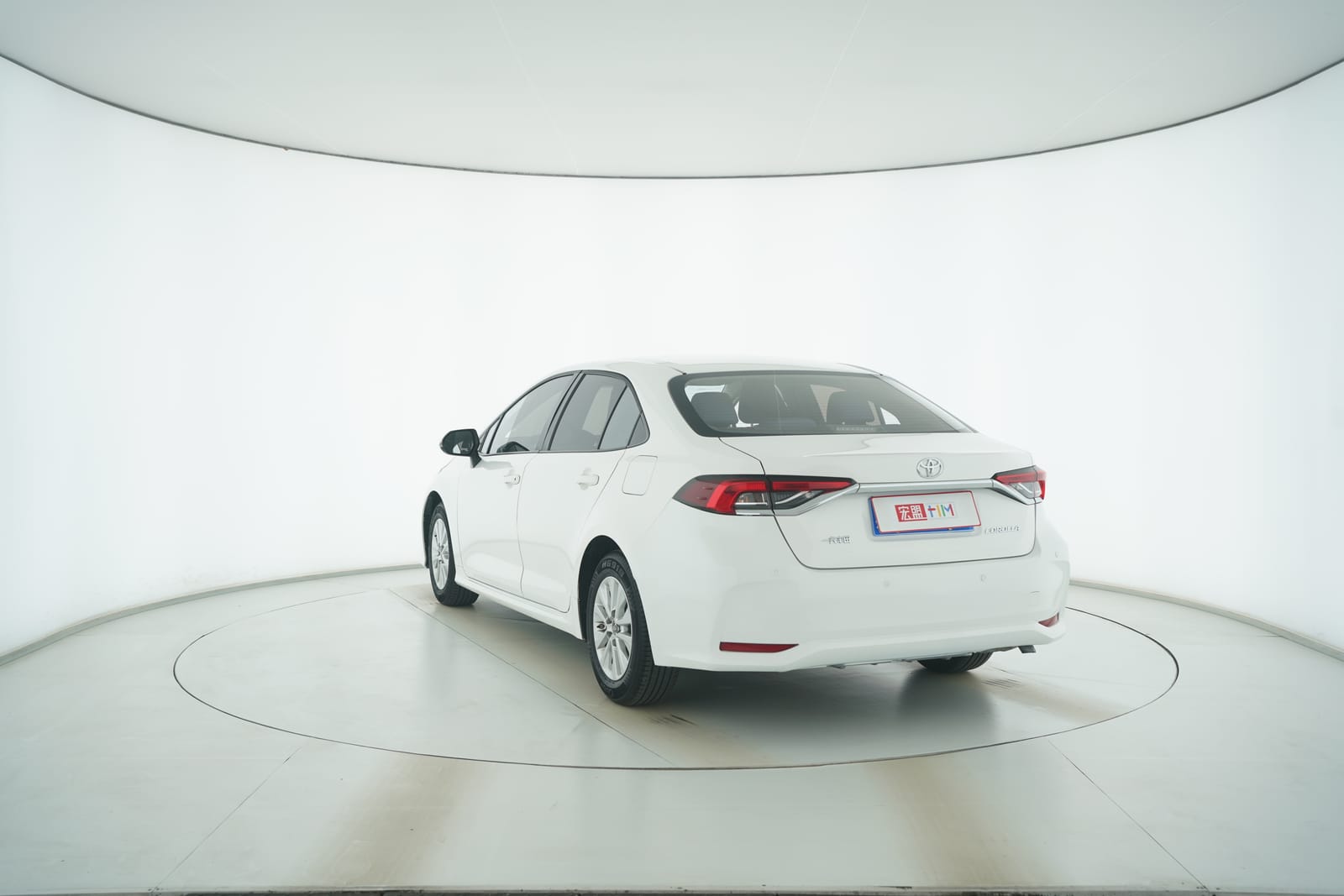
The body differences visible here are a useful starting point, but the year, engine and trim must still correspond to the individual vehicle's paperwork. Similar paint and badging do not make two configurations equivalent.
Check Everyday Practicality and Previous Repairs
A compact sedan should be assessed with the intended passengers and luggage in mind. Check rear legroom and headroom, seat-belt operation, child-seat anchors where required, and the boot opening and load floor. Inspect boot channels, door seals and carpets for moisture rather than assuming a dry cabin from photographs.
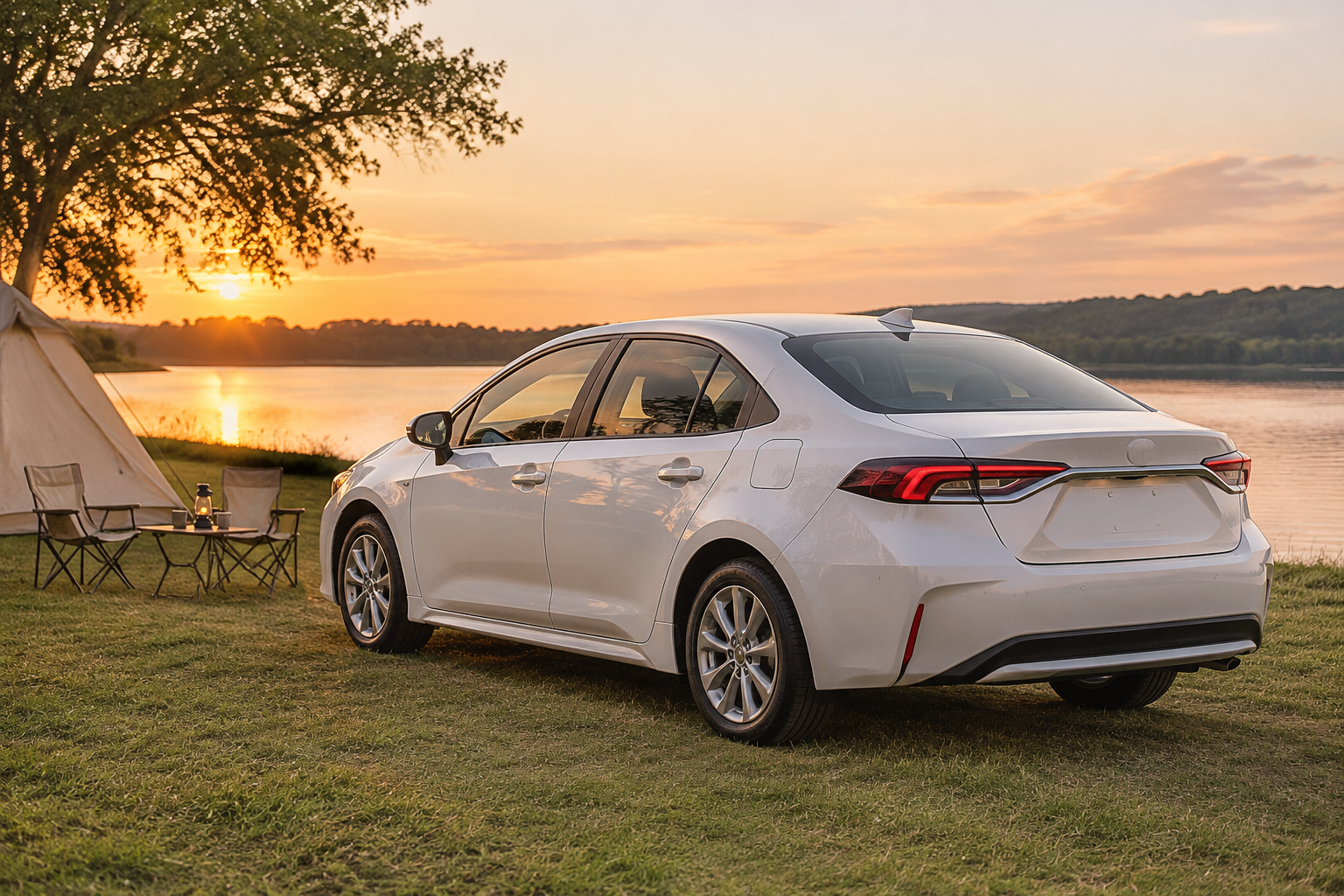
Look beneath the clean surfaces. Paint-thickness readings, panel gaps, weld points, suspension mounts and underbody condition can reveal structural repairs. Uneven tyre wear, steering pull and noises over bumps call for alignment and suspension checks before shipment.
Inspection Priorities Before Export
- Evaluate the CVT on the exact car. Test engagement, acceleration, steady cruising and slow manoeuvres from cold and fully warmed. Investigate shudder, flare, hesitation, abnormal noise or warnings, and review fluid-service evidence.
- Match engine checks to the powertrain. On the 1.2T inspect turbo-related plumbing, oil and coolant condition and cold-start behaviour. On the 1.5L check service records, leaks, mounts and diagnostic faults without applying turbo-specific assumptions.
- Diagnose a hybrid as a complete system. For a hybrid, inspect battery and power-electronics data, cooling paths and high-voltage warnings. A dashboard without a warning light is not a full battery assessment.
- Test brakes and chassis together. Check friction components, tyre condition, suspension joints and wheel alignment. Hybrid braking feel should be assessed with its control system, not compared only with a non-hybrid pedal.
- Verify safety equipment physically. Camera- and radar-based functions vary by generation and configuration. Confirm fitted hardware, dashboard warnings and actual operation rather than relying on a trim name.
- Complete a document check for each car. Match registration, ownership and export records. The emissions standard must be verified vehicle by vehicle against the certificates supplied with that car and the destination requirements.
Which Corolla Fits the Buyer
The 1.2T S-CVT suits buyers considering an earlier car with turbo petrol performance, provided the engine and transmission histories are clear. The TNGA 1.5L CVT offers the later body and cabin architecture with a naturally aspirated drivetrain; it still requires the same rigorous CVT and condition checks.
A hybrid may be attractive where its operating characteristics suit the driver's routes and local service support exists. It is not automatically the best choice for every destination. Across all versions, documented maintenance, sound structure, functioning electronics and export eligibility matter more than the Corolla's general reputation.

Latin America Used Car Import Guide 2026: Mexico, Brazil, Chile & Peru
Latin America Market Desk
Central Asia Used Car Import Guide 2026: Kazakhstan, Uzbekistan, Kyrgyzstan & Tajikistan
Central Asia Market Desk

China Used Car Export Policy 2026: Complete Guide
Policy Analysis Team