Nissan X-Trail Buying Guide: VC-Turbo 300, 2.0L, CVT, 2WD and 4WD
Chinese-market Nissan X-Trail listings can combine different generations, engines and drivetrains under similar model-year descriptions. This guide explains why VC-Turbo 300 is not a 3.0-litre or 300-horsepower claim, what 2.0L, CVT, 2WD and 4WD do and do not establish, and which cold-and-hot drivetrain, chassis, equipment and document checks matter before export.

Model Year Alone Does Not Identify the X-Trail
Chinese-market Nissan X-Trail descriptions can span a change of body generation and powertrain naming. A 2021 model-year label, for example, does not by itself prove that every car has the same engine, front styling, cabin equipment or drivetrain. The full trim description, factory information and physical vehicle must be matched before making a comparison.
This matters when an older-design 2.0L CVT vehicle and a newer-design VC-Turbo 300 CVT vehicle appear within a close model-year period. They share the X-Trail name, but that does not make their mechanical inspection or equipment lists interchangeable.
First-registration date is another separate fact. It should not be substituted for model year, production information or generation. Keep those identifiers distinct in the purchase and export file.
Read VC-Turbo 300, 2.0L and CVT Carefully
VC-Turbo 300 must not be read as a 3.0-litre engine or a 300-horsepower rating. It is part of the version and powertrain designation, not permission to convert the number into another unit. Establish the exact engine specification through factory records and the vehicle itself.
A 2.0L description identifies nominal engine displacement, but it does not establish present output, mechanical wear, oil consumption or service condition. Two engines with the same displacement description can behave very differently after years of use.
CVT identifies a continuously variable transmission description. It does not prove that every X-Trail uses identical fluid history, software or cooling condition. Nor does the word automatic tell a buyer whether engagement, acceleration and deceleration are normal on the individual car.
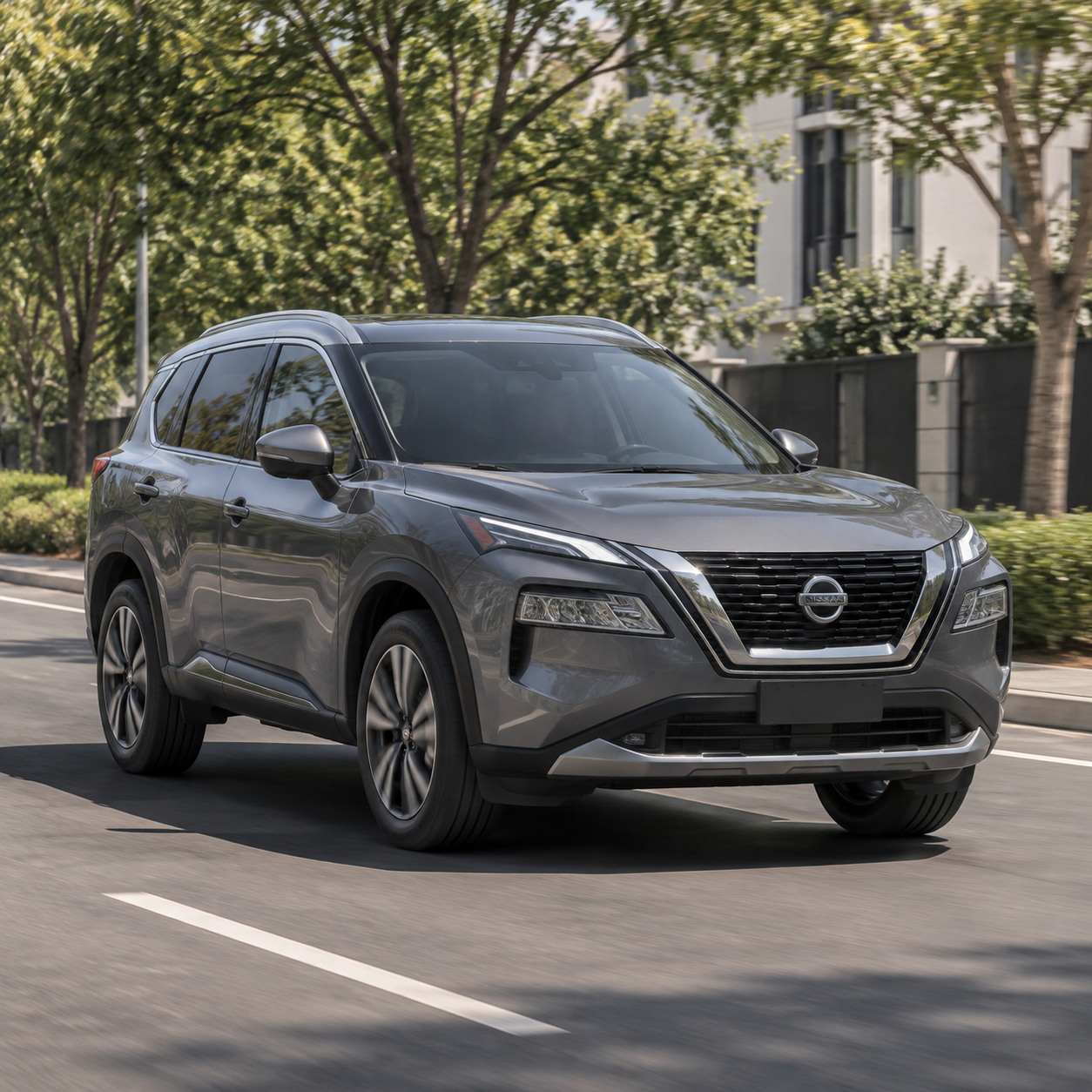
Likewise, 2WD and 4WD describe driven-wheel layouts, not overall condition or unlimited off-road capability. Confirm the layout on the actual vehicle and inspect every component included in that configuration.
Real-Car Exterior References
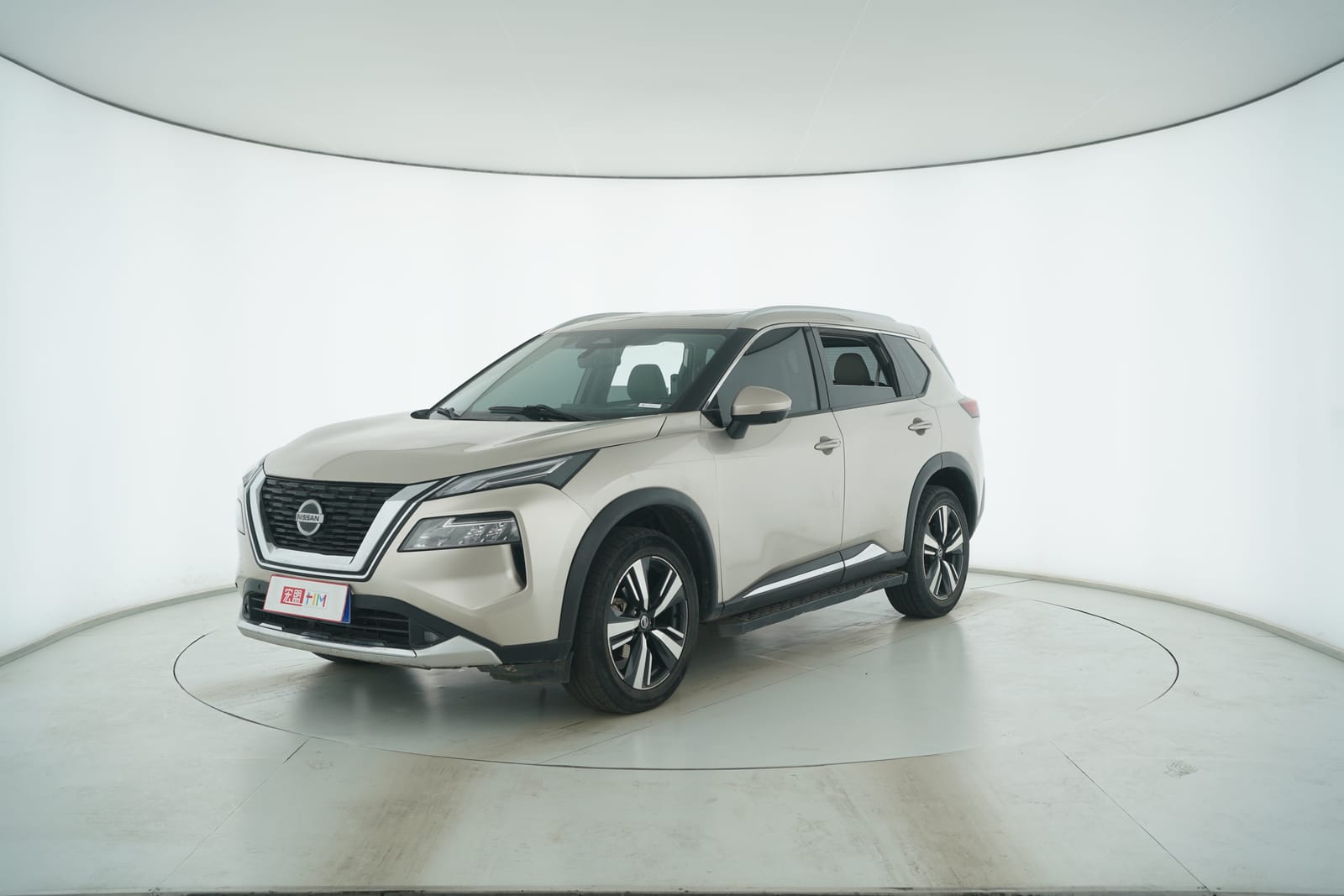
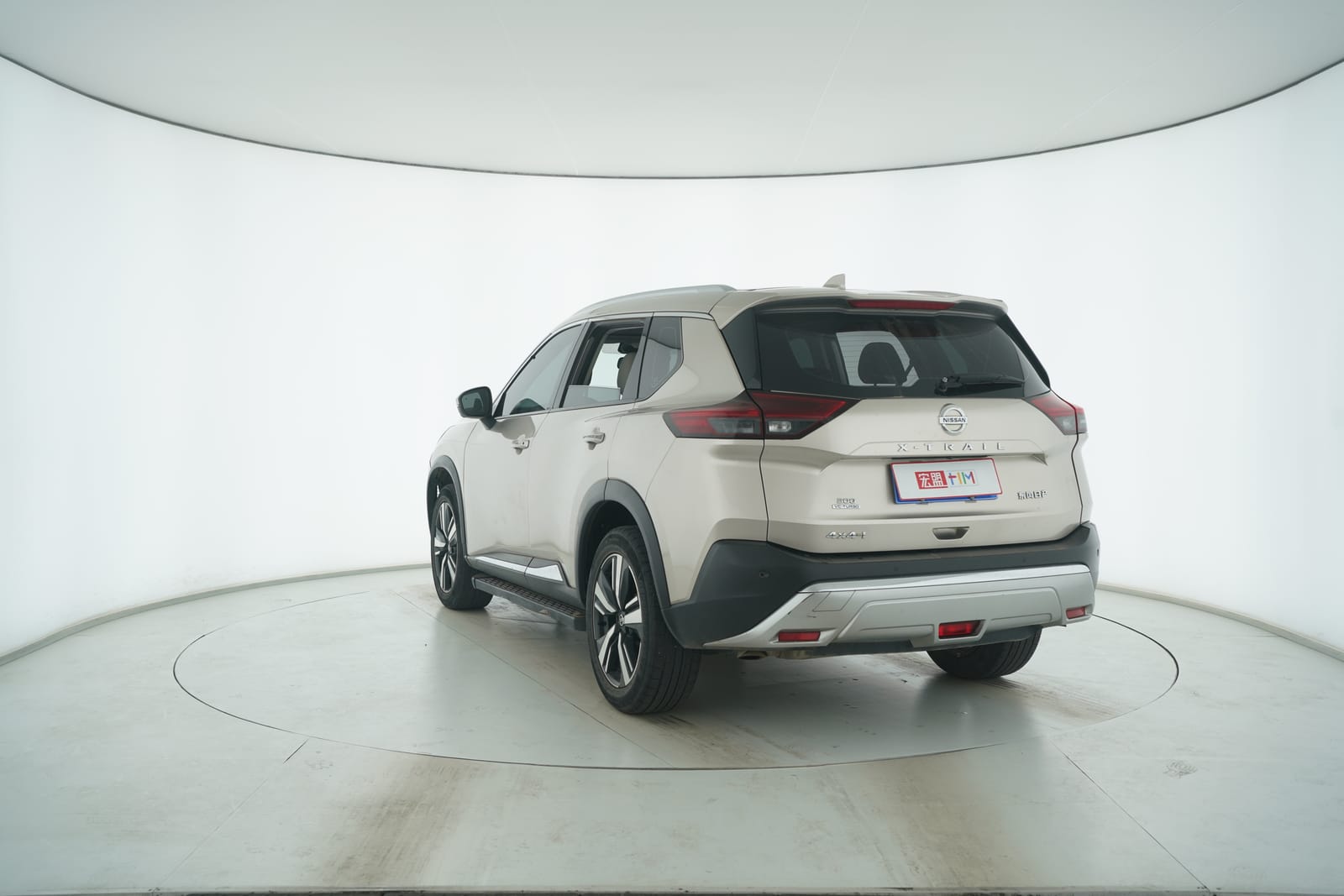
These photographs document body styling, lights, wheels, visible details and colour. They do not prove engine identity, transmission health, hidden equipment, modification status or document content.
2021 X-Trail VC-Turbo 300 CVT 4WD Flagship, Grey
2019 X-Trail 2.0L CVT Connected Five-Seat Comfort 2WD, White

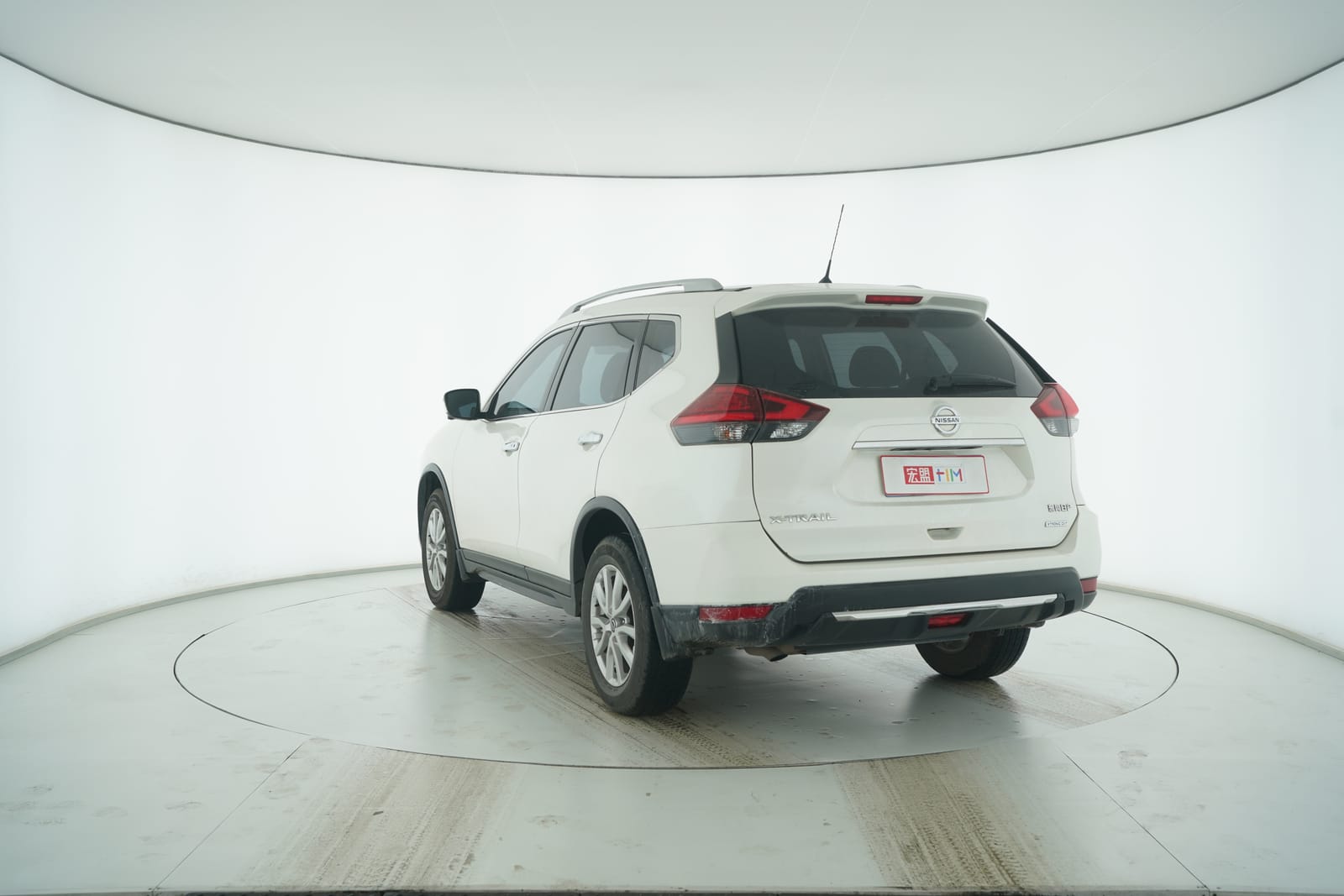
The visible front and rear treatments help distinguish the designs, but replacement lamps, wheels, grilles and badges can change appearances. Trim names such as Flagship and Comfort still require a function-by-function equipment check.
Test the Engine, CVT and Driven-Wheel Layout
Start with a cold engine. Check starting, idle, fluid condition, leaks, cooling-system evidence, intake plumbing, mounts and stored diagnostic faults. During driving, assess response and temperature behaviour without treating one acceleration run as a complete test.
With the brake applied, engage drive and reverse and observe CVT response. Check low-speed manoeuvres, moderate acceleration, steady cruising and gentle deceleration. Note delay, shudder, engine-speed flare without corresponding acceleration, vibration, warning messages or repeated abnormal noise. Repeat the important checks fully warm.
On a 4WD vehicle, inspect the rear driveline, couplings, boots, mounts and underbody evidence, and investigate warnings or abnormal noise. Use the vehicle-specific inspection procedure rather than improvised tests that could damage the driveline. A 2WD vehicle still needs careful front driveline, suspension and tyre checks.
Inspect Structure, Cabin and Modifications
Record non-factory wheels, suspension, lighting, intake, exhaust or software changes. Assess installation, condition and destination-market legality. Original badges do not prove that the vehicle remains factory-standard.

Combine paint-thickness readings with panel gaps, weld points, pillars, suspension mounts and underbody inspection. Uneven tyre wear, steering pull, vibration or noises over bumps call for brake, suspension and alignment checks. A 4WD badge does not excuse poor tyres, damaged underbody components or neglected running gear.
Test seat belts, seat mounts, rear access, required child-seat anchors and luggage-area operation with real occupants and luggage. Operate climate control, cameras, parking aids, infotainment and assistance functions where fitted. Inspect carpets, seals, the luggage floor and drainage paths for moisture.
Six Checks Before Export
- Separate model year from generation. Match full trim, body design, factory records and registration information instead of assuming that a year identifies one mechanical specification.
- Verify the engine without decoding 300. Do not turn VC-Turbo 300 into litres or horsepower. Treat 2.0L as displacement information, not a condition report.
- Test the CVT cold and hot. Investigate engagement delay, shudder, flare, leaks, warnings and abnormal temperature behaviour using the correct vehicle-specific service information.
- Confirm 2WD or 4WD physically. Inspect the associated driveline, tyres, mounts and underbody, and do not equate 4WD with unrestricted off-road use.
- Document equipment and modifications. Operate the actual cabin and assistance functions, and record replacement or non-factory parts before shipment.
- Match documents and destination rules. Reconcile ownership, registration, modification and export records. The emissions standard must be verified vehicle by vehicle against the certificates supplied with that car and the destination's import requirements.
Choose the Verified Vehicle, Not the Strongest-Sounding Badge
The X-Trail name, a 4WD description or a higher-sounding trim does not settle mechanical condition. A useful comparison starts only after engine identity, generation, drivetrain and installed equipment have been confirmed.
The stronger export choice is the individual vehicle with consistent documents, sound structure, normal cold-and-hot operation and a clear maintenance and modification history. Use the badge as a starting clue, then complete the assessment on the car itself.

Latin America Used Car Import Guide 2026: Mexico, Brazil, Chile & Peru
Latin America Market Desk

Central Asia Used Car Import Guide 2026: Kazakhstan, Uzbekistan, Kyrgyzstan & Tajikistan
Central Asia Market Desk

China Used Car Export Policy 2026: Complete Guide
Policy Analysis Team