Nissan Teana Buying Guide: 2.0L Across Generations, XL, XL-TLS and CVT Checks
Nissan Teana cars from different generations can share 2.0L and CVT wording without sharing one complete mechanical specification or maintenance history. This guide explains why XL and XL-TLS are trim identifiers rather than engine codes, how model year differs from first registration, and which cold-and-hot engine, CVT, ageing chassis, cabin-equipment and document checks matter before export.

The Same 2.0L Label Can Cross Generations
Chinese-market Nissan Teana vehicles from different model years can carry the same 2.0L description while differing in body design, detailed engine specification, electronics and equipment. Nominal displacement is only one identifier. It does not prove that parts, maintenance procedures, software or mechanical condition are interchangeable across generations.
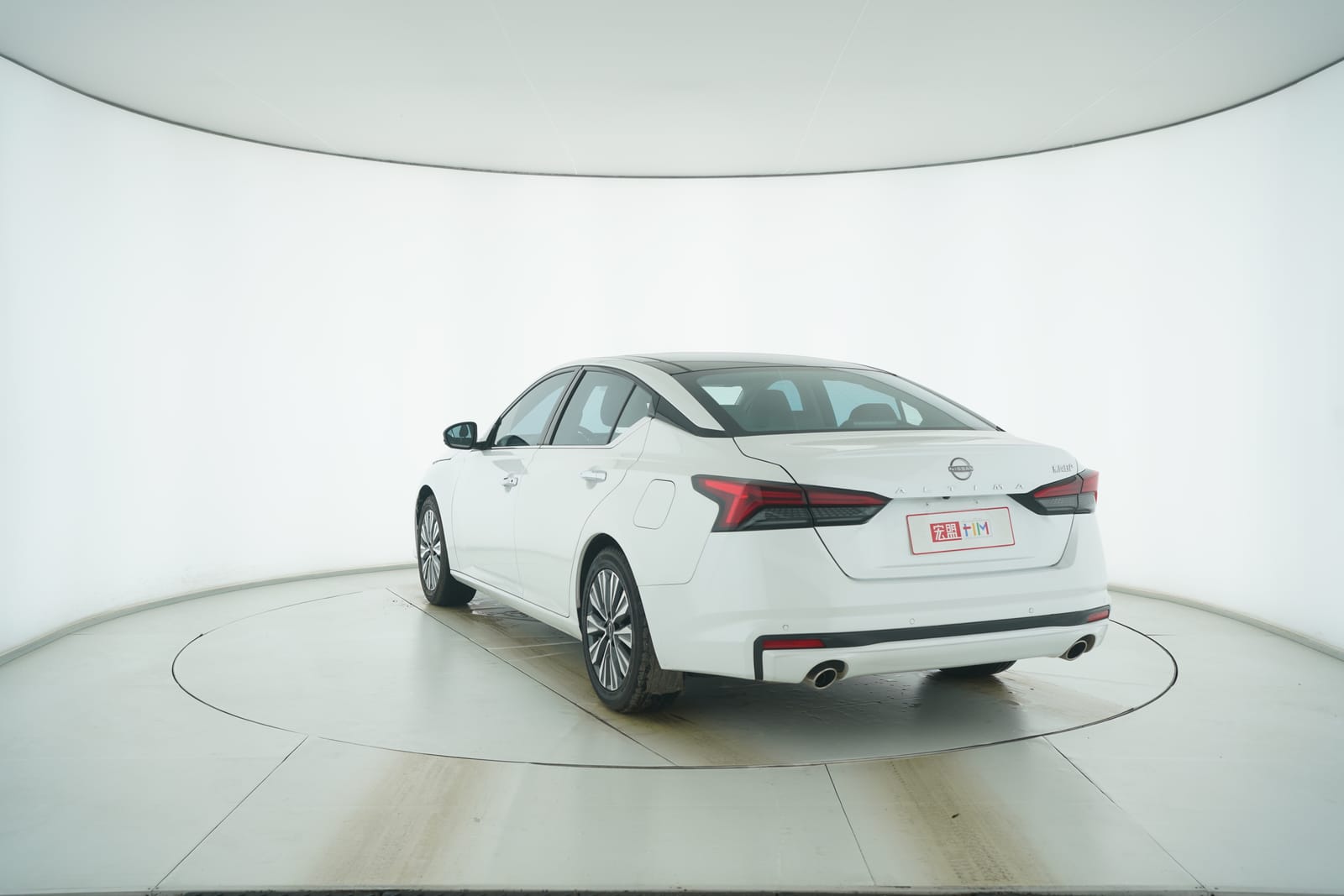
Rear naming and exterior styling can also change with the vehicle's design period. Use the full trim description and factory records to identify the car, rather than assuming that a familiar grille, badge or model name establishes every mechanical detail.
Model year, production information and first-registration date are separate facts. A later registration does not turn a vehicle into a newer model year, and a newer-looking replacement lamp or wheel does not establish its generation.
XL and XL-TLS Are Not Engine Codes
Descriptions such as 2.0XL, 2.0L XL and 2.0L XL-TLS combine displacement wording with trim identifiers. XL and XL-TLS should not be decoded as additional engine sizes, power outputs or transmission specifications. Their equipment meaning must be checked against the relevant model-year information and the actual vehicle.
A trim name such as Comfort or Enjoy likewise does not prove that every optional or market-specific feature is present. Seats, displays, cameras, lighting and driver-assistance functions should be operated individually, especially where previous repairs or modifications may have changed the original equipment.

CVT identifies the transmission description, but it does not create one universal service history across all Teana generations. Fluid specification, service records, cooling condition and software information must apply to the exact vehicle rather than being copied from another Nissan.
Real-Car Exterior References
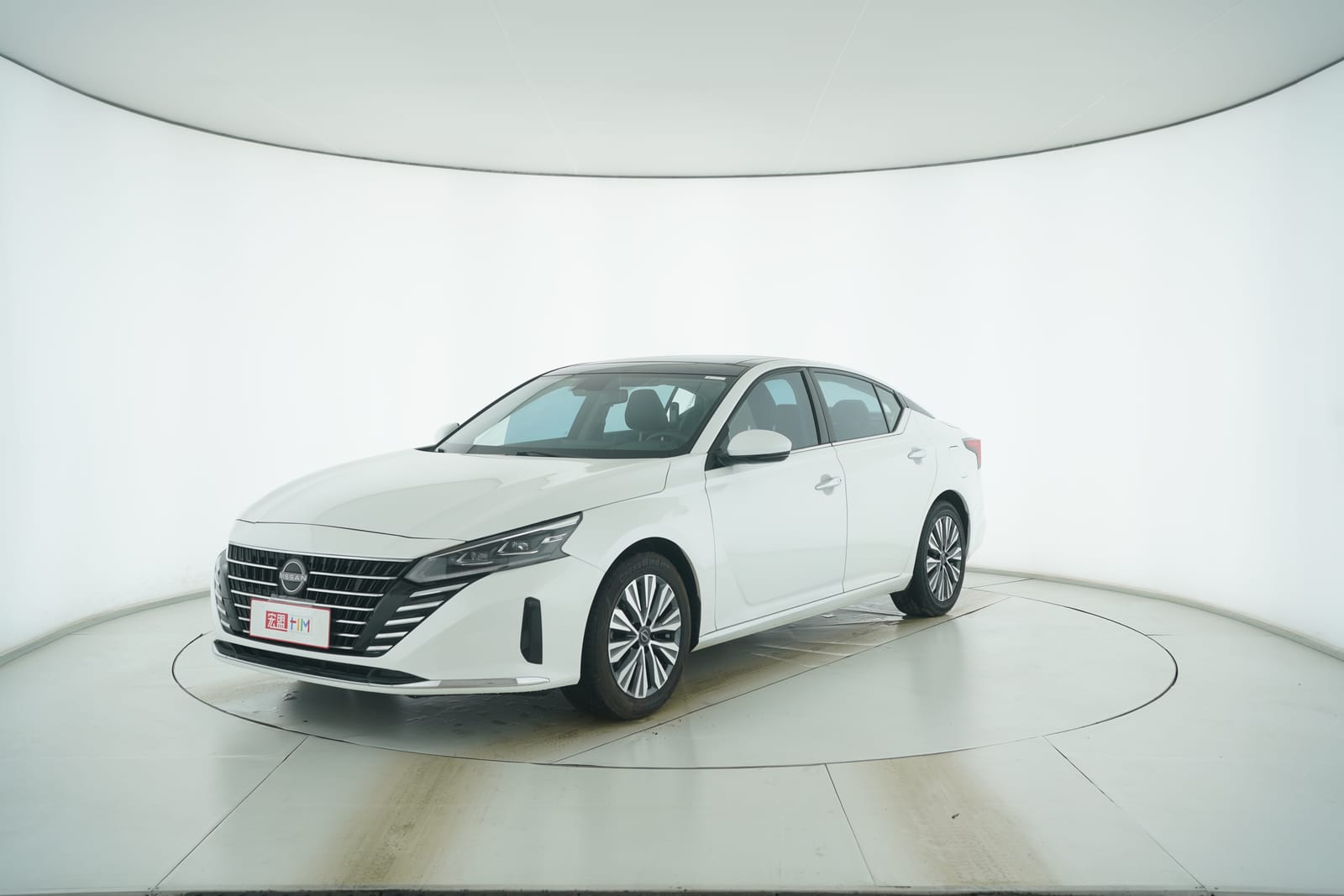
These photographs document body styling, lights, wheels, visible details and colour. They do not prove detailed engine specification, CVT health, hidden equipment, modification status or document content.
2022 Teana 2.0L XL-TLS Enjoy, White
2013 Teana 2.0XL Comfort, White

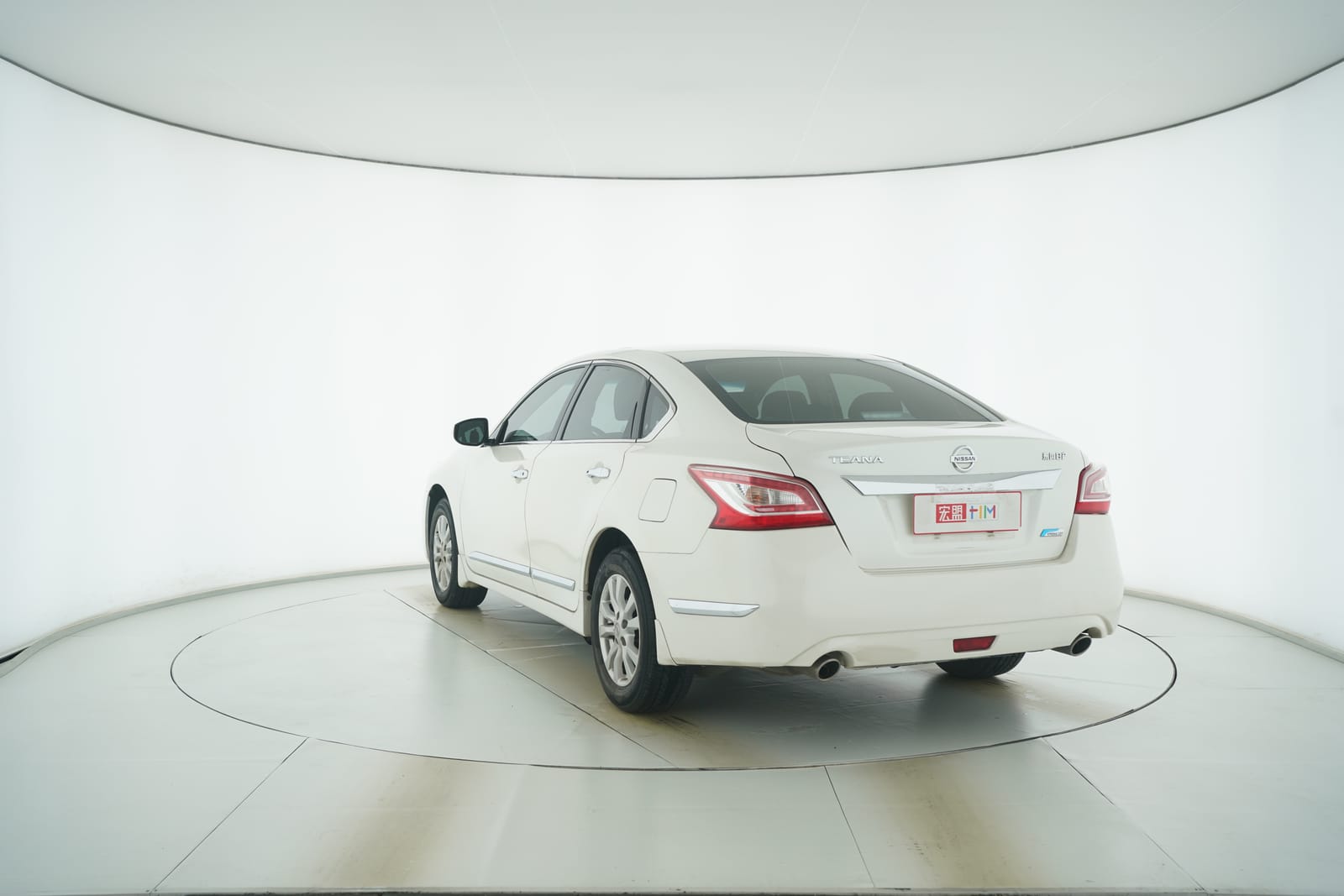
The shared colour and displacement wording show why identification needs more than a quick visual comparison. Different front and rear designs are useful clues, but replacement panels, lamps, grilles and badges can alter appearances.
Test the Engine and CVT Cold and Fully Warm
Start with a cold engine. Check starting, idle, fluid condition, leaks, cooling-system evidence, belts, hoses, mounts and stored diagnostic faults. During driving, assess response and temperature behaviour without treating one acceleration run as a complete test.
With the brake applied, engage drive and reverse and observe CVT response. Check low-speed manoeuvres, moderate acceleration, steady cruising and gentle deceleration. Record engagement delay, shudder, engine-speed flare without corresponding acceleration, vibration, warning messages or repeated abnormal noise.
Repeat the key checks after a longer drive. Heat can reveal behaviour hidden during a short demonstration. Investigate symptoms rather than dismissing them as normal for every 2.0L engine or CVT. Use vehicle-specific fluid and service information, and distinguish documented maintenance from verbal claims.
Inspect Age-Related Wear, Structure and Cabin Functions
Older vehicles require particular attention to cooling hoses, seals, suspension bushings, mounts, brake lines and underbody corrosion, but model year alone does not determine condition. Storage, climate, maintenance and previous repairs all matter.
Record non-factory wheels, suspension, lighting, intake, exhaust or software changes. Assess installation, condition and destination-market legality. Original badges do not prove that the car remains factory-standard.

Combine paint-thickness readings with panel gaps, weld points, pillars, suspension mounts and underbody inspection. Uneven tyre wear, steering pull, vibration or noises over bumps call for brake, suspension and alignment checks regardless of trim level.
Test seat belts, seat mounts, rear access, required child-seat anchors and boot operation with real occupants and luggage. Operate climate control, infotainment, cameras, parking aids and assistance functions where fitted. Inspect carpets, seals, the luggage floor and drainage paths for moisture.
Six Checks Before Export
- Identify the generation and exact configuration. Match body design, full trim, factory records and registration information instead of relying on 2.0L alone.
- Keep trim and engine identifiers separate. Do not turn XL or XL-TLS into engine or power specifications, and operate the actual equipment rather than trusting a trim name.
- Test the CVT cold and hot. Investigate delay, shudder, flare, leaks, warnings and abnormal temperature behaviour using the correct vehicle-specific service information.
- Inspect ageing and structural condition. Check fluids, cooling, rubber components, mounts, paint, welds, underbody, tyres, brakes and suspension, resolving pull, vibration and abnormal noises.
- Document modifications and cabin functions. Record non-factory parts and test seats, climate, infotainment, cameras and fitted assistance systems before shipment.
- Match documents and destination rules. Reconcile ownership, registration, modification and export records. The emissions standard must be verified vehicle by vehicle against the certificates supplied with that car and the destination's import requirements.
Compare the Individual Car After Confirming Its Identity
A shared 2.0L label does not make different Teana generations mechanically identical, and a higher-sounding trim does not guarantee better condition. Useful comparison begins only after the exact configuration and installed equipment have been confirmed.
The stronger export choice is the individual vehicle with consistent documents, sound structure, normal cold-and-hot operation and a clear maintenance and modification history. Treat displacement, trim and CVT wording as identification clues, then complete the assessment on the car itself.

Latin America Used Car Import Guide 2026: Mexico, Brazil, Chile & Peru
Latin America Market Desk

Central Asia Used Car Import Guide 2026: Kazakhstan, Uzbekistan, Kyrgyzstan & Tajikistan
Central Asia Market Desk

China Used Car Export Policy 2026: Complete Guide
Policy Analysis Team