Nissan Sylphy Buying Guide for Export Buyers: Classic vs Newer Body, 1.6L and CVT
The Chinese-market Nissan Sylphy Classic can be sold alongside a newer body while both use 1.6L CVT descriptions. This guide explains what Classic and XE do and do not identify, why this CVT should not be confused with a hybrid e-CVT, and which cold-and-hot drivetrain, cabin, structure and document checks matter before export.

Classic Is a Model Identity, Not Just a Trim Adjective
The Nissan Sylphy is a compact four-door sedan produced for China by Dongfeng Nissan. In the Chinese market, the Classic name has been used for an earlier body design sold alongside a newer-generation Sylphy. A later model year attached to a Classic does not turn it into the newer body.
This matters because a Classic and a newer car can both carry a 1.6L CVT description while differing in exterior design, cabin layout and equipment. Match the model year, full trim and physical vehicle before comparing them. Do not treat Classic as a wheel, colour or infotainment package that can be added to any Sylphy.
Model year and first-registration date are separate facts. Headlamp, grille and screen differences can help identification, but replacement parts mean they should be checked together with factory and registration records.
Understand 1.6L, XE and CVT Separately
The selected configurations use a 1.6-litre naturally aspirated petrol engine and a continuously variable transmission. The displacement and transmission description define the broad powertrain layout, not a universal equipment level or maintenance history.
In 1.6XE, XE belongs to the trim naming rather than serving as a second engine-displacement code. It does not prove that every comfort, camera or assistance feature is installed. Confirm each function on the actual car.
This ordinary CVT should also not be confused with a hybrid e-CVT. The selected petrol configurations are not identified as hybrids, so hybrid power-split diagnostics and high-voltage battery checks should not be imposed on them. Use the service information for the exact vehicle and transmission.
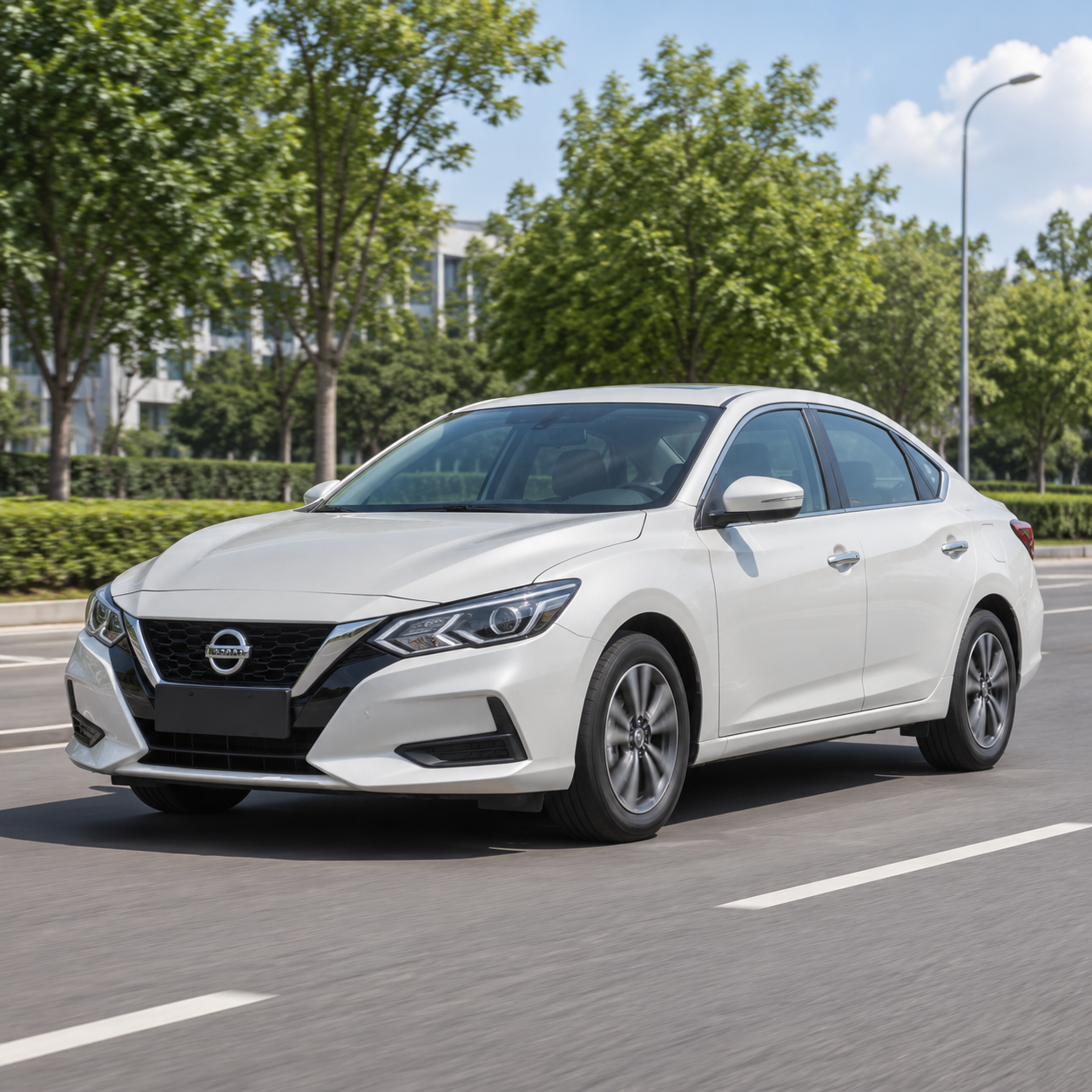
Inspect the engine and CVT independently. Cold starting, oil and coolant condition, leaks, accessory operation, mounts and diagnostic faults belong to the engine assessment. Engagement, low-speed response, acceleration and warm cruising belong to the transmission assessment.
Real-Car Exterior References
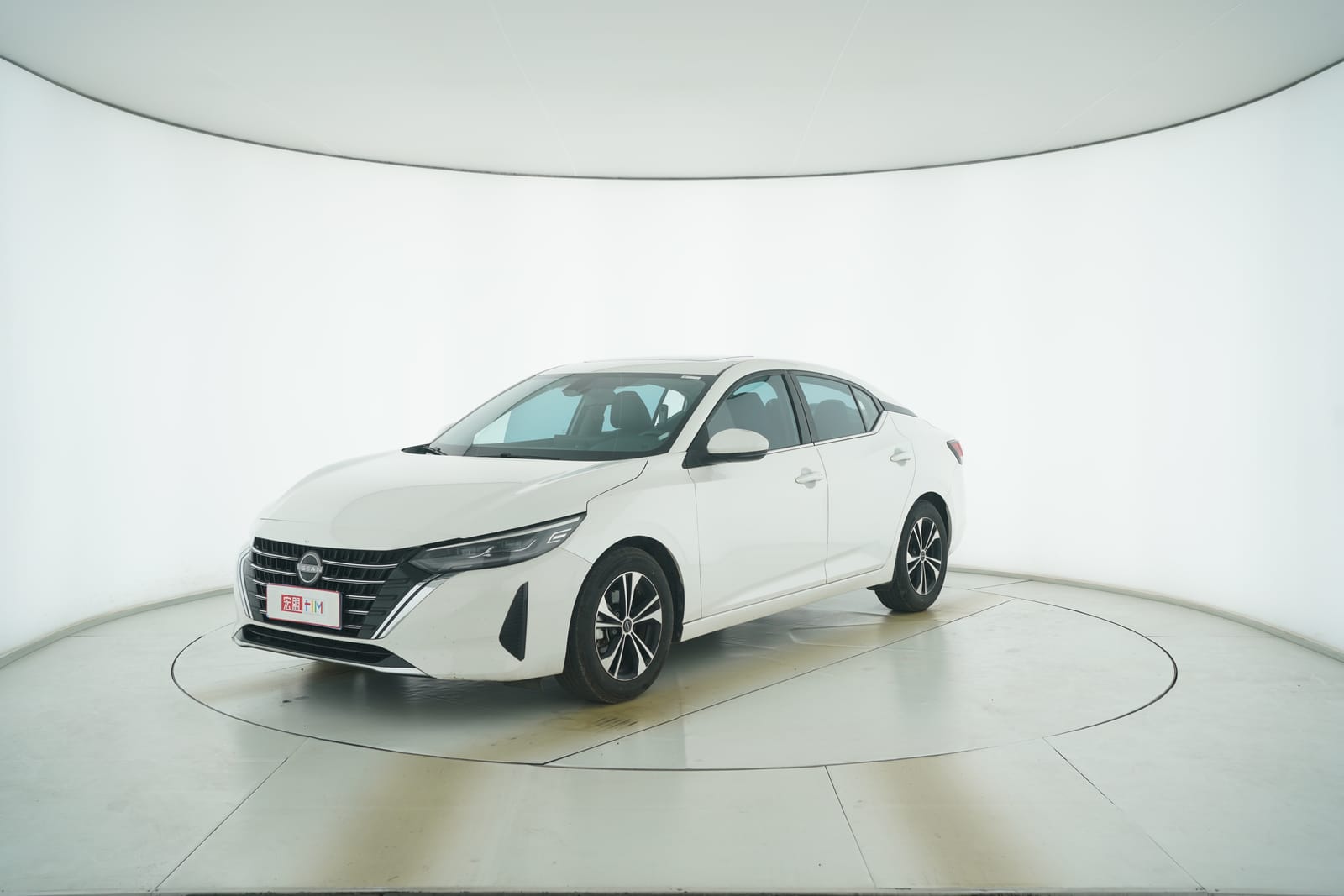
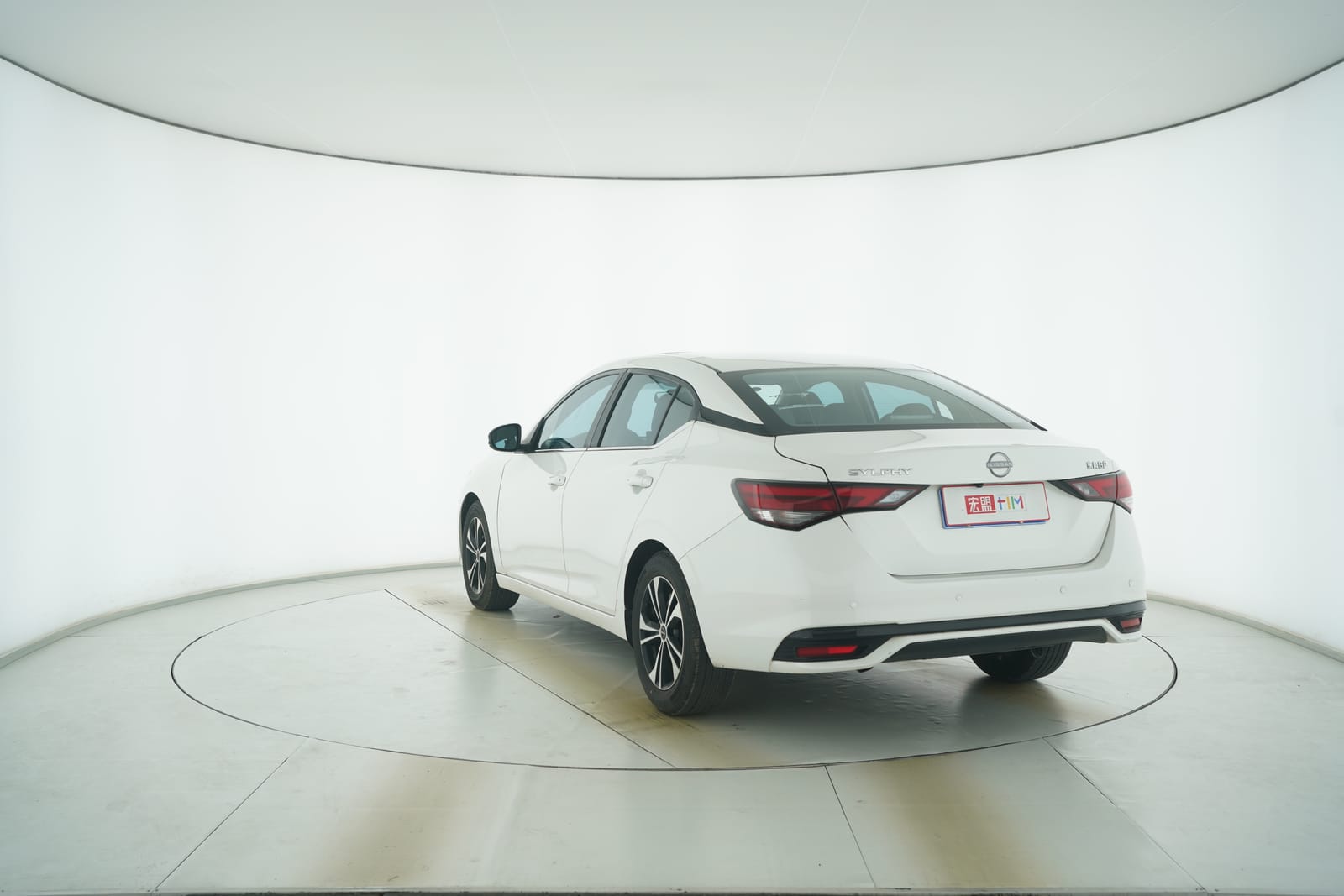
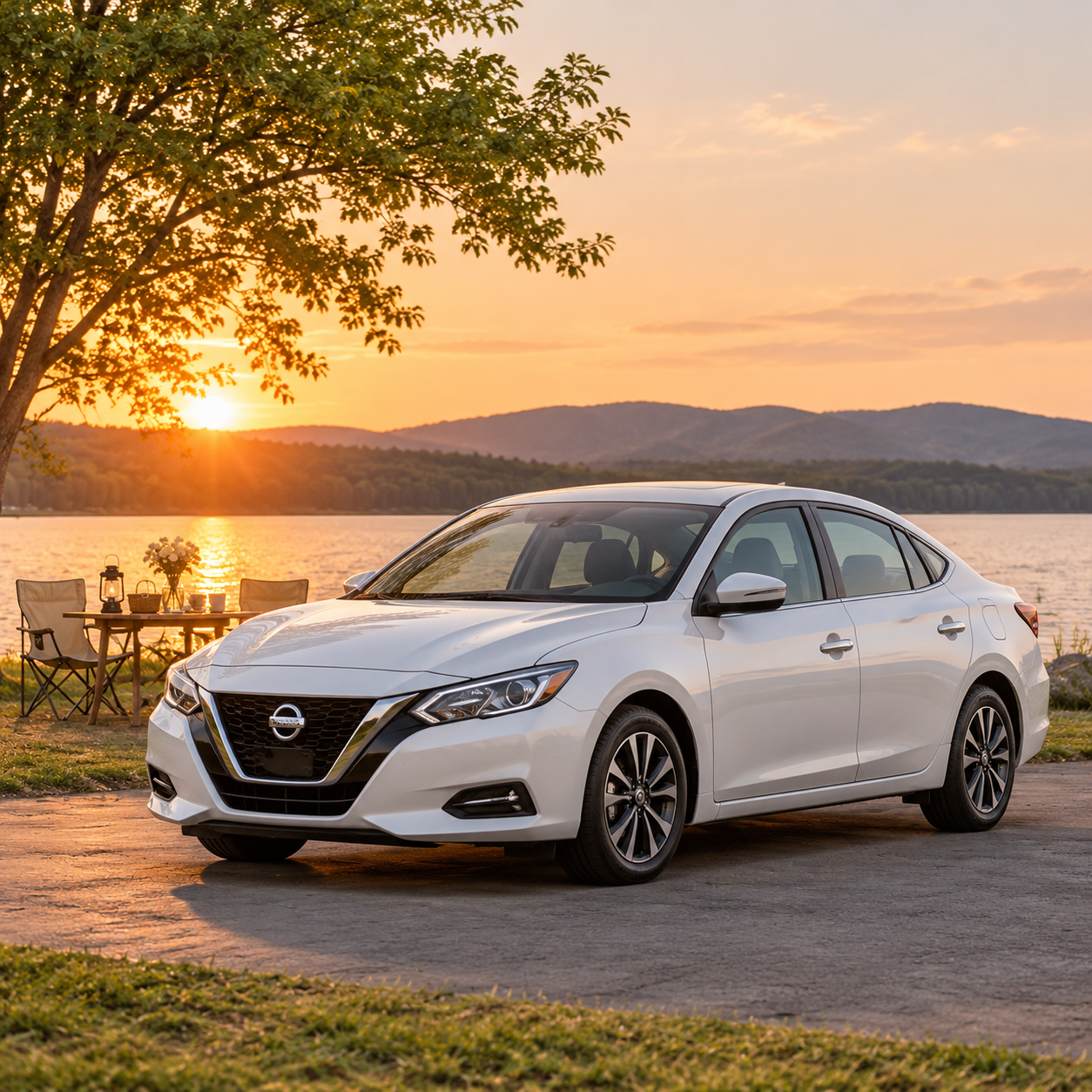
These photographs document exterior design, visible trim and colour. They do not prove mechanical condition, hidden options, maintenance history or document content.
2023 Sylphy 1.6L CVT Enjoy, White
2022 Sylphy Classic 1.6XE CVT Comfort, White
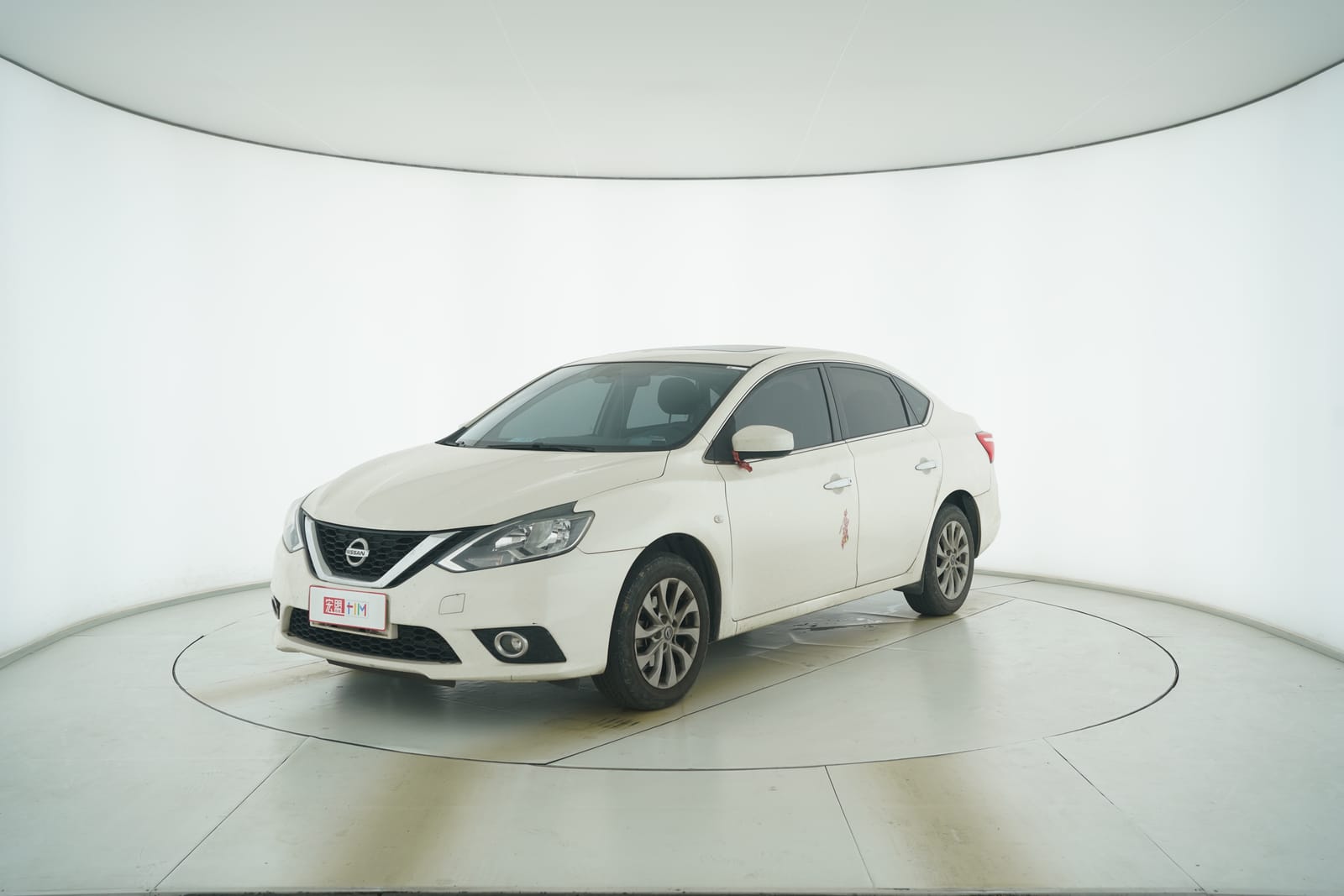
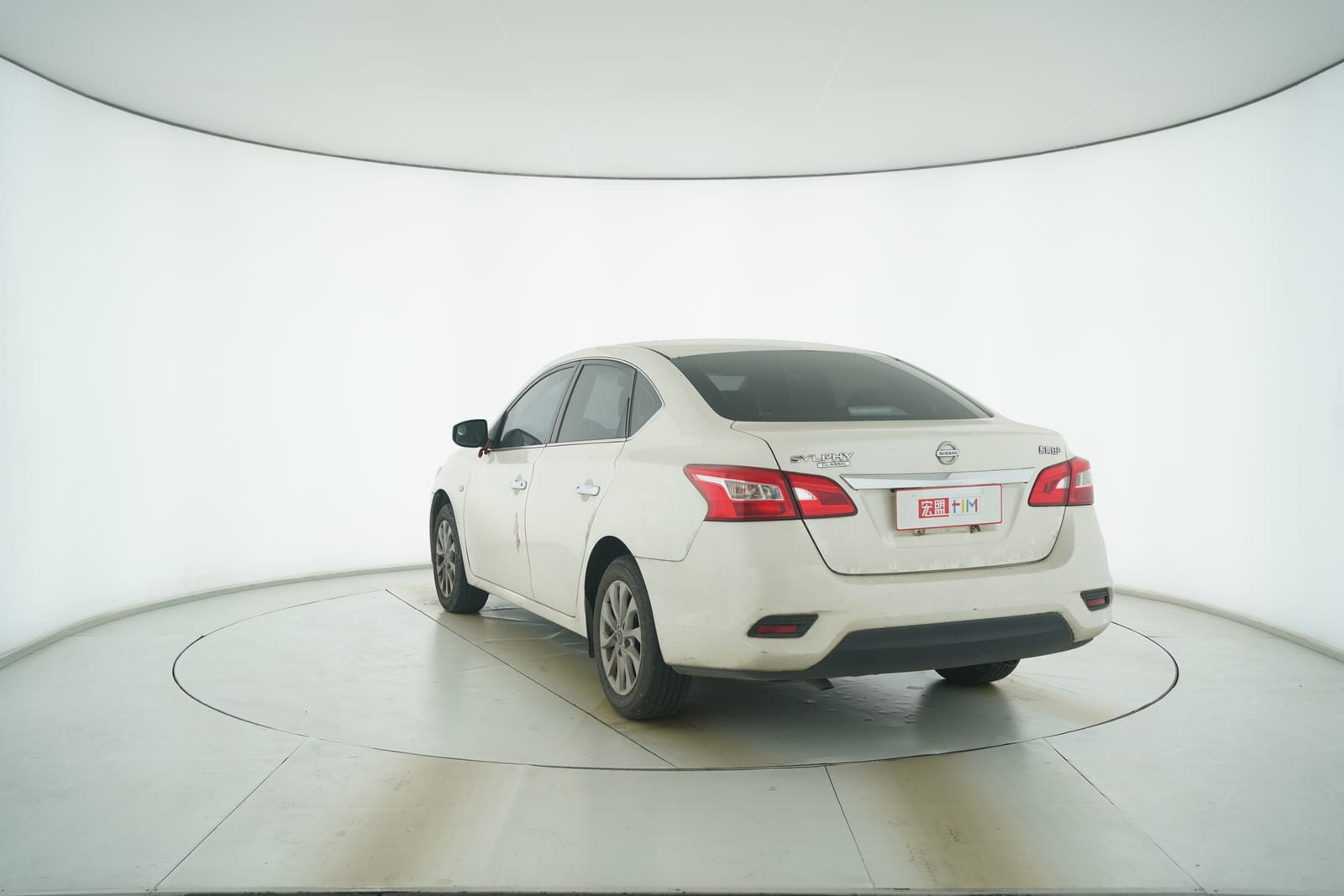
The shared colour makes the difference in body design particularly clear. It does not make the cars mechanically interchangeable. Enjoy and Comfort remain configuration names, and each vehicle still needs its own identity and equipment verification.
Road-Test the CVT Cold and Fully Warm
Begin with a cold drivetrain. With the brake held, engage drive and reverse and observe response. During low-speed manoeuvres, note delay, shudder, abrupt engagement or unusual noise. Then test moderate acceleration, steady cruising and gentle deceleration.
After a longer drive, repeat the parking and low-speed checks. Heat can reveal behaviour that a short test misses. Unexpected engine-speed flare without matching acceleration, vibration, hesitation, warning messages or repeated abnormal noise requires diagnosis rather than being dismissed as normal for every CVT.
Use maintenance records and the fluid specification applicable to the exact vehicle. Do not substitute an internet interval or fluid recommendation from a different Nissan transmission. A smooth short drive is useful evidence, but not a substitute for cold-and-hot testing, leak inspection and a diagnostic scan.
Evaluate Family-Sedan Practicality and Structure
A newer body does not automatically settle rear-seat comfort or luggage usefulness. Test access, headroom, seat belts, seat mounts, required child-seat anchors and boot operation with real occupants and luggage. Inspect the luggage-compartment floor and areas beneath removable trim.
Check seals, drainage paths and carpets for moisture. Combine paint-thickness readings with inspection of panel gaps, weld points, pillars, suspension mounts and the underbody. Steering pull, uneven tyre wear, vibration or noises over bumps call for brake, suspension and alignment checks on either body design.
Six Checks Before Export
- Separate Classic from the newer body. Match model year, full trim, exterior design and factory records. A newer model year does not change the Classic's underlying identity.
- Read the powertrain description precisely. Confirm the 1.6L petrol engine and actual transmission; XE is not a displacement code and CVT is not proof of hybrid technology.
- Test the drivetrain cold and hot. Check engine start, fluids, leaks and diagnostics together with CVT engagement, manoeuvres, acceleration and cruising. Investigate flare, delay, shudder or warnings.
- Inspect structure and running gear together. Check paint, welds, mounting points, tyres, brakes, steering and suspension. Resolve pull, vibration and knocks before shipment.
- Verify equipment on the actual car. Test lighting, climate control, infotainment, cameras, parking aids and assistance hardware where fitted. Trim names do not prove every option is present or functional.
- Match documents and destination rules. Reconcile registration, ownership and export records. The emissions standard must be verified vehicle by vehicle against the certificates supplied with that car and the destination's import requirements.
Choosing Between Classic and the Newer Body
A Classic can be a rational choice when its identity, service history, engine condition and CVT behaviour are well documented. The newer body may offer a different cabin and equipment layout, but its styling does not replace a mechanical inspection or prove that every desired feature is installed.
The stronger export choice is the individual car with verified identity, sound structure, consistent maintenance evidence and normal cold-and-hot operation. The shared 1.6L CVT wording should start the assessment, not end it.

Latin America Used Car Import Guide 2026: Mexico, Brazil, Chile & Peru
Latin America Market Desk

Central Asia Used Car Import Guide 2026: Kazakhstan, Uzbekistan, Kyrgyzstan & Tajikistan
Central Asia Market Desk

China Used Car Export Policy 2026: Complete Guide
Policy Analysis Team