Nissan Qashqai Buying Guide for Export Buyers: 2.0L CVT, Model Years and Honor Trim
Chinese-market Nissan Qashqai listings can span different body generations and later Honor derivatives while sharing 2.0L CVT naming. This guide explains why model year alone does not identify the architecture, what the powertrain badge does and does not confirm, and which CVT, engine, chassis, electronic and document checks matter before export.
Do Not Treat Model Year as a Generation Code
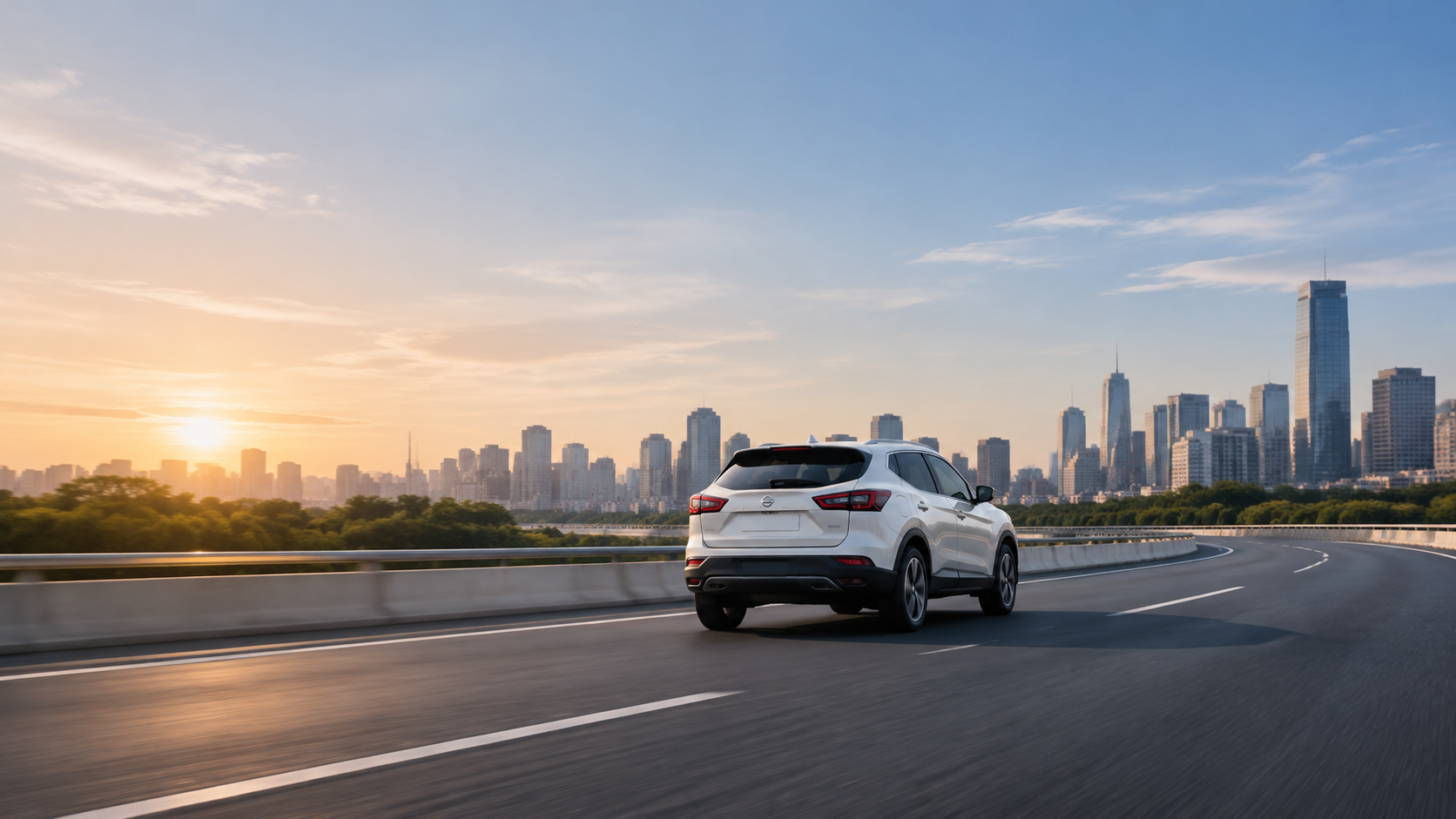
The Nissan Qashqai is a compact road-focused crossover produced for China by Dongfeng Nissan. Chinese-market listings can include earlier body designs, later derivatives and Honor-named versions. A newer model year does not automatically prove that a car uses the newest architecture, just as a similar 2.0L CVT description does not make every configuration identical.
Start with the full trim name, registration record and physical vehicle. Establish the body generation and equipment from those matching details rather than assuming that a 2025 model must share every feature with another current listing or that a 2017 car differs only in its styling.
Model year and first-registration date are different facts. Headlamps, grilles, wheels and infotainment screens can also vary or be replaced, so they should support identification rather than serve as the only evidence.
Understand the 2.0L CVT Description
The selected configurations use a 2.0-litre naturally aspirated petrol engine with a continuously variable transmission. That description identifies the broad powertrain layout, but it does not establish a universal output figure, equipment level or service history for every Qashqai carrying the same wording.
The CVT should be assessed on the individual car. From cold and fully warmed, test engagement, low-speed manoeuvres, moderate acceleration and steady cruising. Hesitation, shudder, abnormal engine-speed flare, vibration, noise or warning messages require diagnosis. Review maintenance evidence and use the fluid specification applicable to the exact vehicle rather than a generic internet schedule.
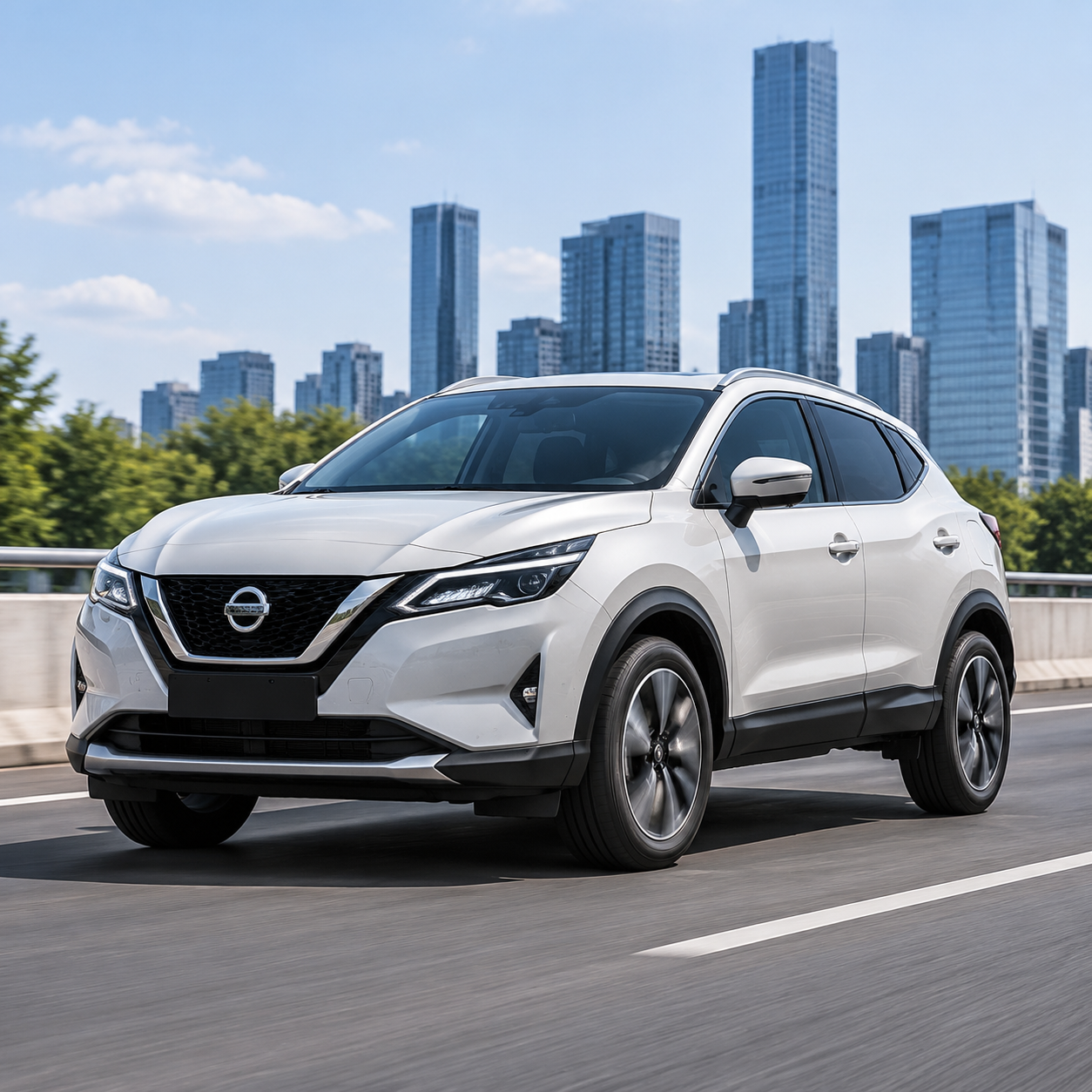
The naturally aspirated engine needs its own inspection: cold-start behaviour, oil and coolant condition, leaks, accessory operation, mounts and diagnostic faults. Do not apply turbocharger or hybrid-system checks to a configuration that does not have those systems.
Real-Car Exterior References
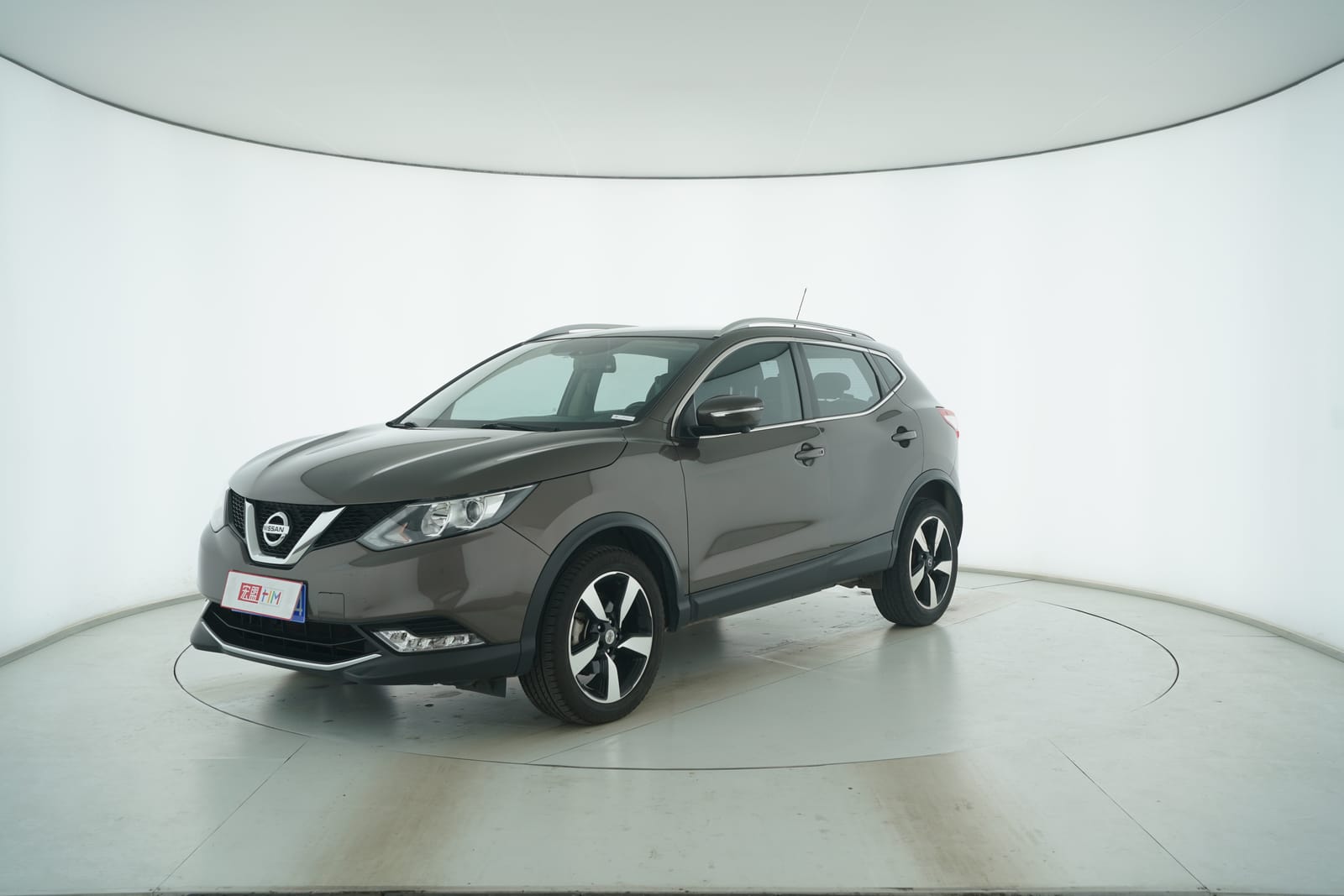
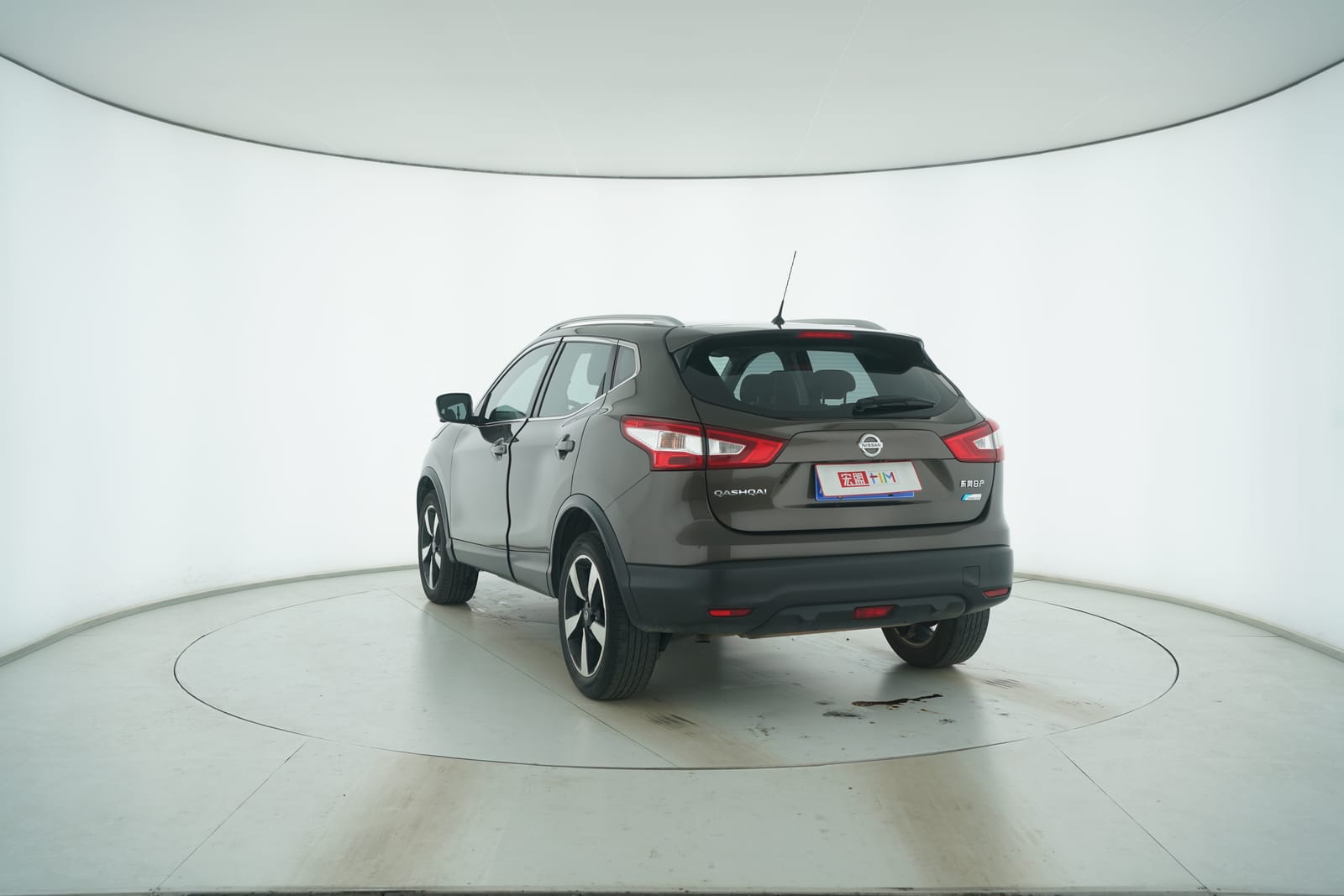
The photographs below show exterior design, visible trim and colour. They do not prove mechanical condition, hidden options, maintenance history or document content.
2017 Qashqai 2.0L CVT Luxury, Brown
2025 Qashqai Honor 2.0L CVT XV+ Leading, White
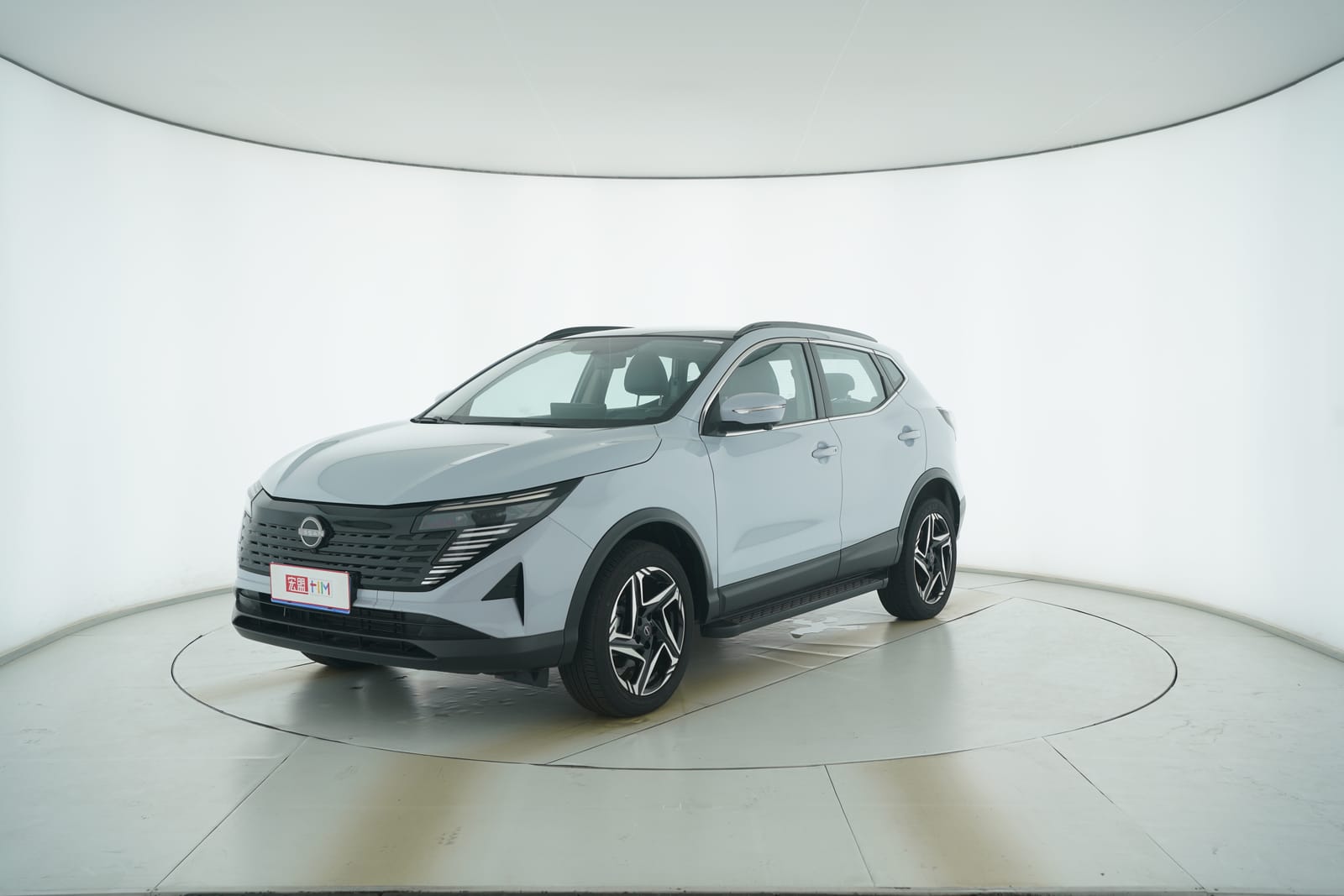
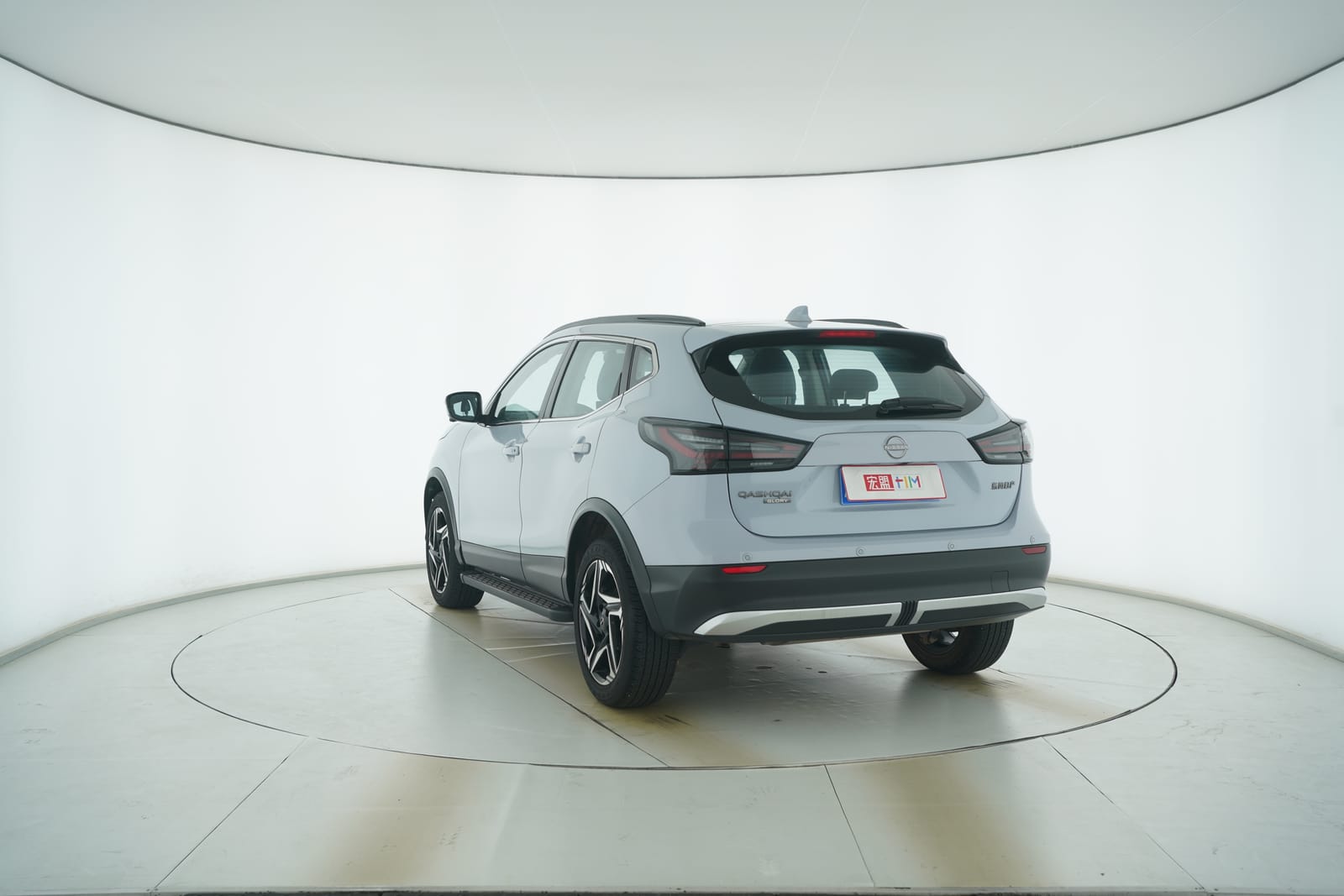
The exterior references help separate the configurations visually, but a buyer still needs to match the year, full trim and equipment to each vehicle. Honor and XV+ are naming elements, not substitutes for a physical options check.
Check Practical Space and Structural Condition
A compact crossover should be evaluated with real passengers and luggage. Check rear-seat access, headroom, seat-belt operation, child-seat anchors where required, tailgate function and the luggage-compartment floor. Inspect seals, drainage paths and carpets for moisture before shipment, including areas beneath removable trim.

Look beyond clean paint and a tidy cabin. Combine paint-thickness measurements with inspection of panel gaps, weld points, pillars, suspension mounts and the underbody. Steering pull, uneven tyre wear, vibration or noises over bumps call for wheel-alignment, brake and suspension checks. Do not assume that the crossover body makes underbody inspection unnecessary.
Inspection Priorities Before Export
- Confirm the exact configuration. Match model year, full trim, body design and factory records. Do not infer architecture or options from the Qashqai name alone.
- Evaluate the CVT cold and hot. Check engagement, shifting behaviour, acceleration and cruising. Investigate abnormal rpm behaviour, shudder, delay, noise or warnings and review service documentation.
- Inspect the 2.0L engine systematically. Check cold start, fluids, leaks, hoses, mounts and diagnostic information. A quiet idle alone does not establish complete engine health.
- Test brakes, steering and suspension together. Inspect tyres, friction components, joints and alignment. Address pull, vibration or knocks before export rather than masking them with a short road test.
- Verify every fitted electronic feature. Test lighting, climate control, cameras, parking aids and driver-assistance hardware where fitted. Equipment varies by year and trim; confirm operation on the actual car.
- Complete document and destination checks. Match registration, ownership and export records. The emissions standard must be verified vehicle by vehicle against the certificates supplied with that car and the destination's import requirements.
Choosing Between Earlier and Later Configurations
An earlier Qashqai can make sense when its service history, CVT behaviour and structural condition are well documented. A later Honor-named version may offer a different styling and equipment package, but its newer model year does not remove the need to identify the underlying configuration and inspect the same mechanical fundamentals.
The better export choice is the individual vehicle with verified identity, sound structure, consistent maintenance evidence and fully functioning systems. Similar engine and transmission wording should never replace a car-by-car assessment.

Latin America Used Car Import Guide 2026: Mexico, Brazil, Chile & Peru
Latin America Market Desk
Central Asia Used Car Import Guide 2026: Kazakhstan, Uzbekistan, Kyrgyzstan & Tajikistan
Central Asia Market Desk
China Used Car Export Policy 2026: Complete Guide
Policy Analysis Team