Mercedes-Benz S-Class Buying Guide: W222 vs W223, S 400 L to S 450 e L
The S-Class is a long-wheelbase flagship built around the rear seat, and the used market mixes two very different generations. This guide separates W222 from W223, explains what the L and 4MATIC badges do and do not prove, covers the 2.5T, 3.0T and plug-in hybrid drivetrains sold in China, and lists the air-suspension, electrical, battery and document checks that decide whether a particular car is worth exporting.
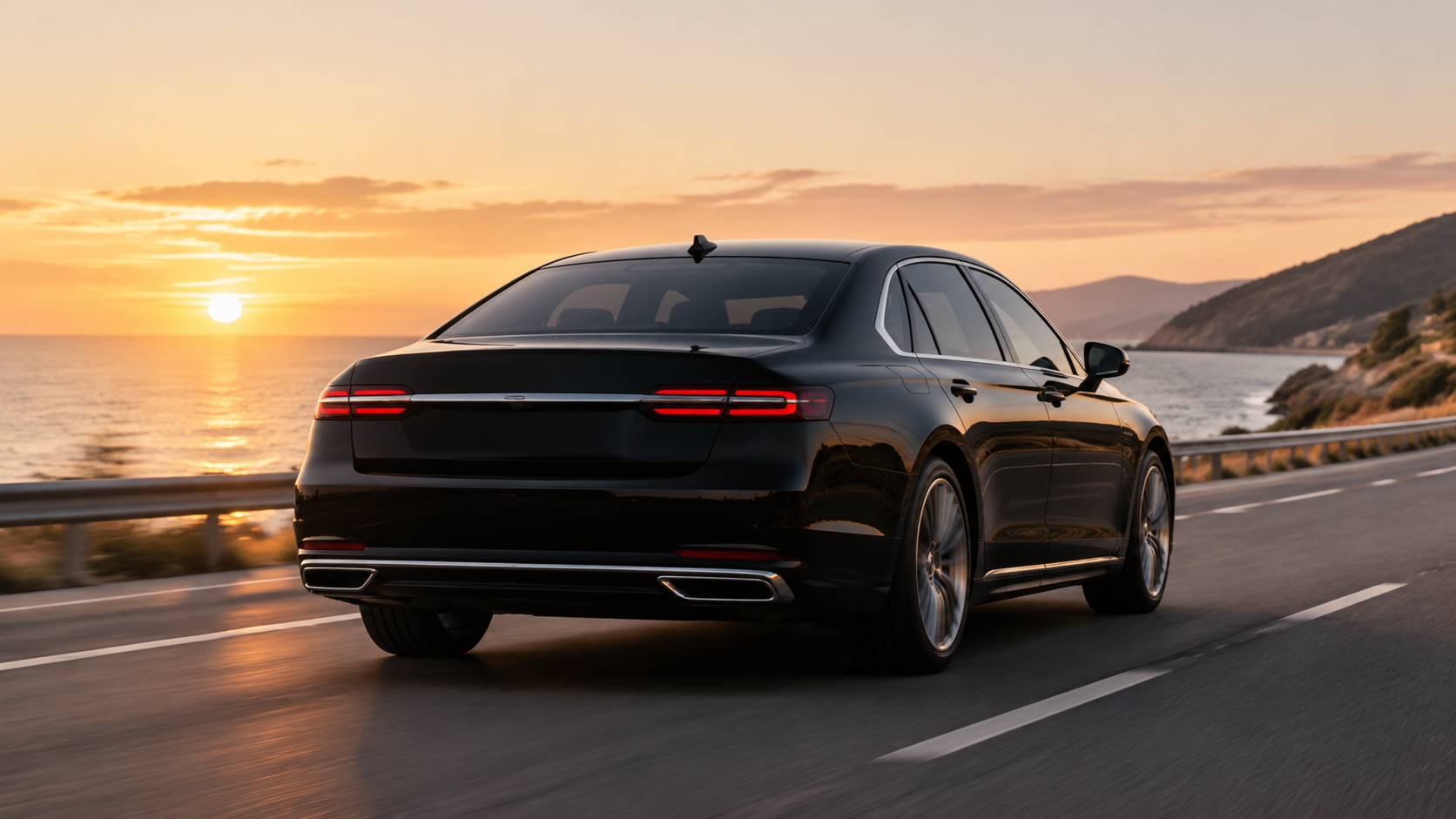
A Flagship Built Around the Rear Seat
The Mercedes-Benz S-Class has spent decades as the brand's technology flagship, and in China it is imported almost exclusively in long-wheelbase form. That single fact should shape how an export buyer evaluates one. The S-Class is not simply a large sedan for the driver; many of its most expensive systems exist to serve the rear passengers. Executive seats, independent rear climate, sunshades, entertainment screens, soft-close doors and rear airbags all add comfort, and all add things that can fail, wear out or be expensive to repair.
The used market also mixes two generations with fundamentally different engineering. Treating every car advertised as an S-Class as the same product is the fastest way to buy the wrong one.
W222 and W223 Are Different Cars
W222, broadly the 2014–2020 model years. This is the generation that established the twin-screen dashboard layout and a very quiet, cushioned ride. Chinese-market cars include the S 320 L with a 3.0-litre V6, S 400 L and S 450 L with turbocharged six-cylinders, and S 500 L variants that appeared with different six- and eight-cylinder engines over the run. A 2017 facelift revised the lighting, grille and interior details. Do not use a single model year as a proxy for the exact engine; the badge and the vehicle record must agree.
W223, from 2021 onward in China. The body is more upright, the lighting is slimmer and the cabin moved to the MBUX generation. Depending on the individual car, equipment can include rear-axle steering, digital headlights, rear-seat airbags and an extensive rear entertainment package. Chinese-market S 400 L and S 450 L cars use a 2.5-litre turbocharged inline-six with 48-volt mild assistance, while the S 500 L uses a 3.0-litre inline-six. The S 450 e L is a plug-in hybrid and is a separate engineering proposition, not simply a more powerful trim.
Cars imported from other markets can differ in engine, emissions hardware, lighting, audio and assistance systems even when the badge looks familiar. Identify the market specification before comparing two cars.
What the Badges Do and Do Not Prove
- L denotes the long wheelbase. On the S-Class it is the norm in China and the reason the rear compartment is usable for business travel.
- 4MATIC denotes all-wheel drive where it was fitted. It is not universal across the range, and it should be confirmed from the vehicle rather than assumed from the model name.
- S 400 L, S 450 L and S 500 L describe output tiers, but engine displacement and assistance systems changed across generations and model years.
- 商务型, 豪华型 and 臻藏版 are equipment packages. Two cars with the same engine can differ substantially in rear-seat fittings, audio, cameras and driver assistance.
- AMG styling can be added to a standard car. Body kits do not create an AMG drivetrain.
Badges are also easy to change. Check the VIN, the door-jamb plate, the registration documents and the physical drivetrain together.
The Rear Cabin Is Where the Money Goes
Open both rear doors and operate everything. Move each seat through its full range, including recline and massage where fitted. Check the headrests, footrests, sunshades, reading lights, climate controls, charging points and screens. Test the soft-close doors repeatedly and listen for the latch. Look for wear on the seat bolsters, door armrests and switches, which is where a chauffeur-driven car shows its real use.
Water ingress is a particular concern in cars with panoramic roofs and complex door seals. Lift the mats, inspect the lower trim and smell for dampness. A clean carpet can hide a long-standing leak.
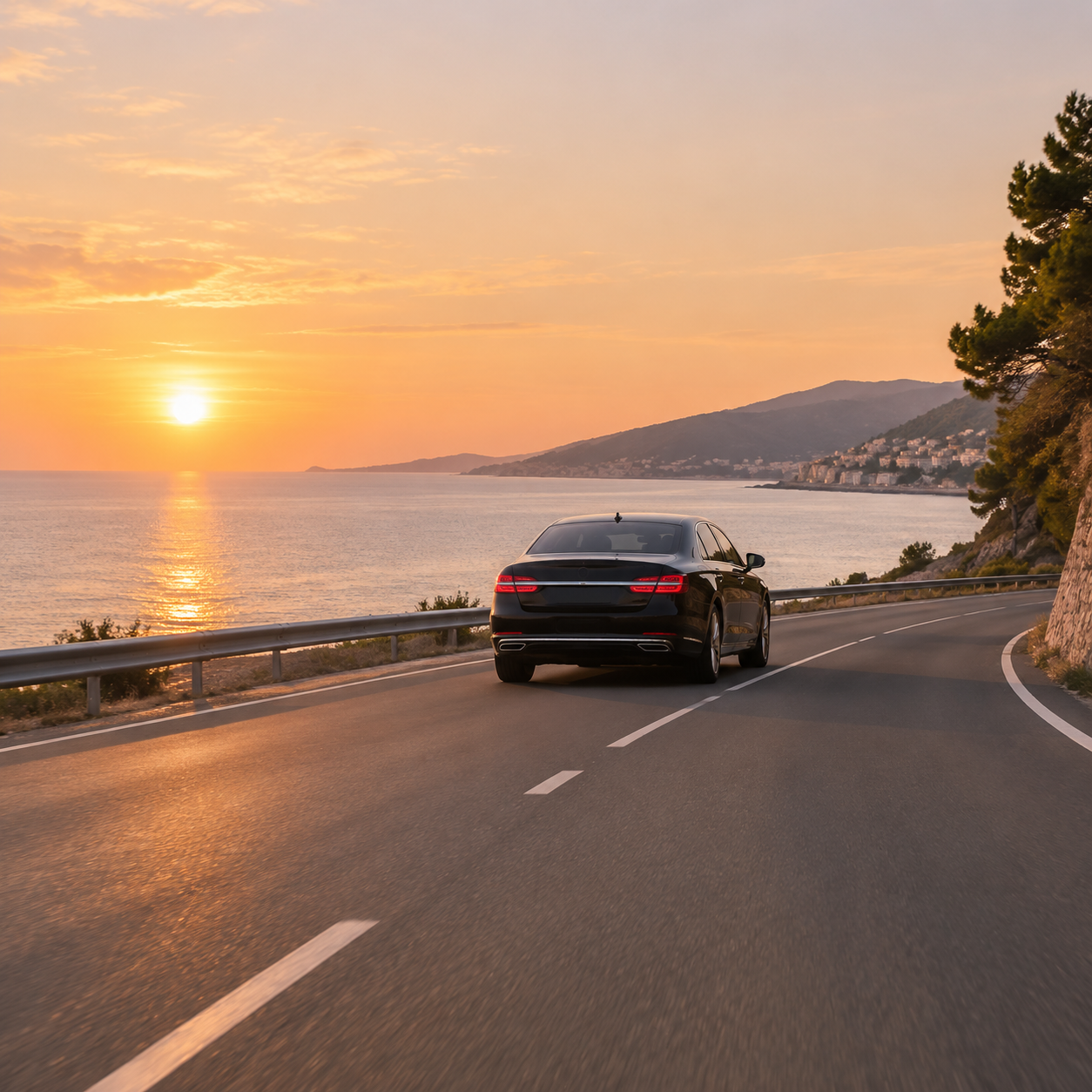
Two Real Cars, Two Different Answers
The two cars below are presented to show how much can differ within one generation. They are inspection examples, not a claim that every S-Class is configured the same way.
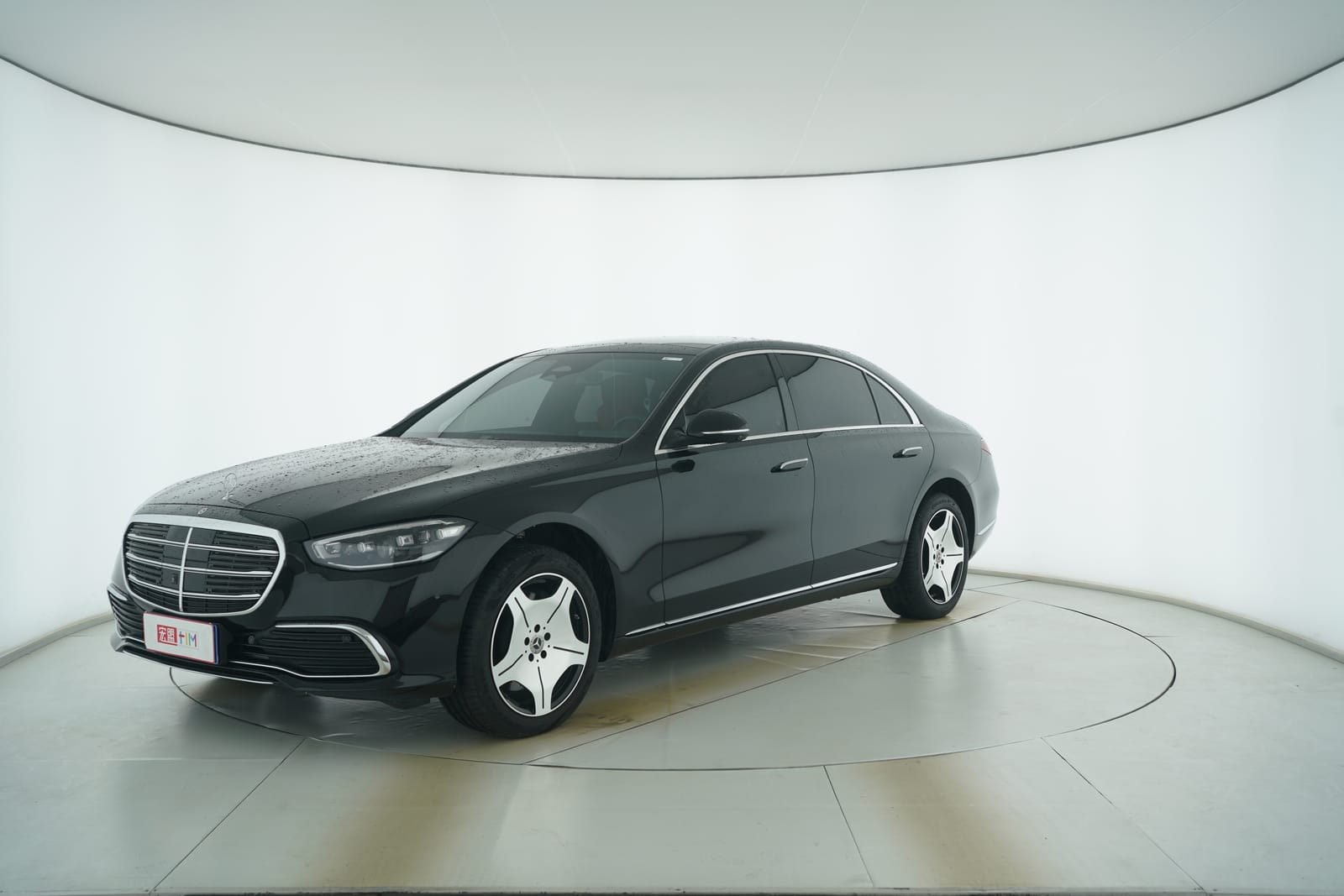
*2024 model year Mercedes-Benz S 400 L Luxury, black.*
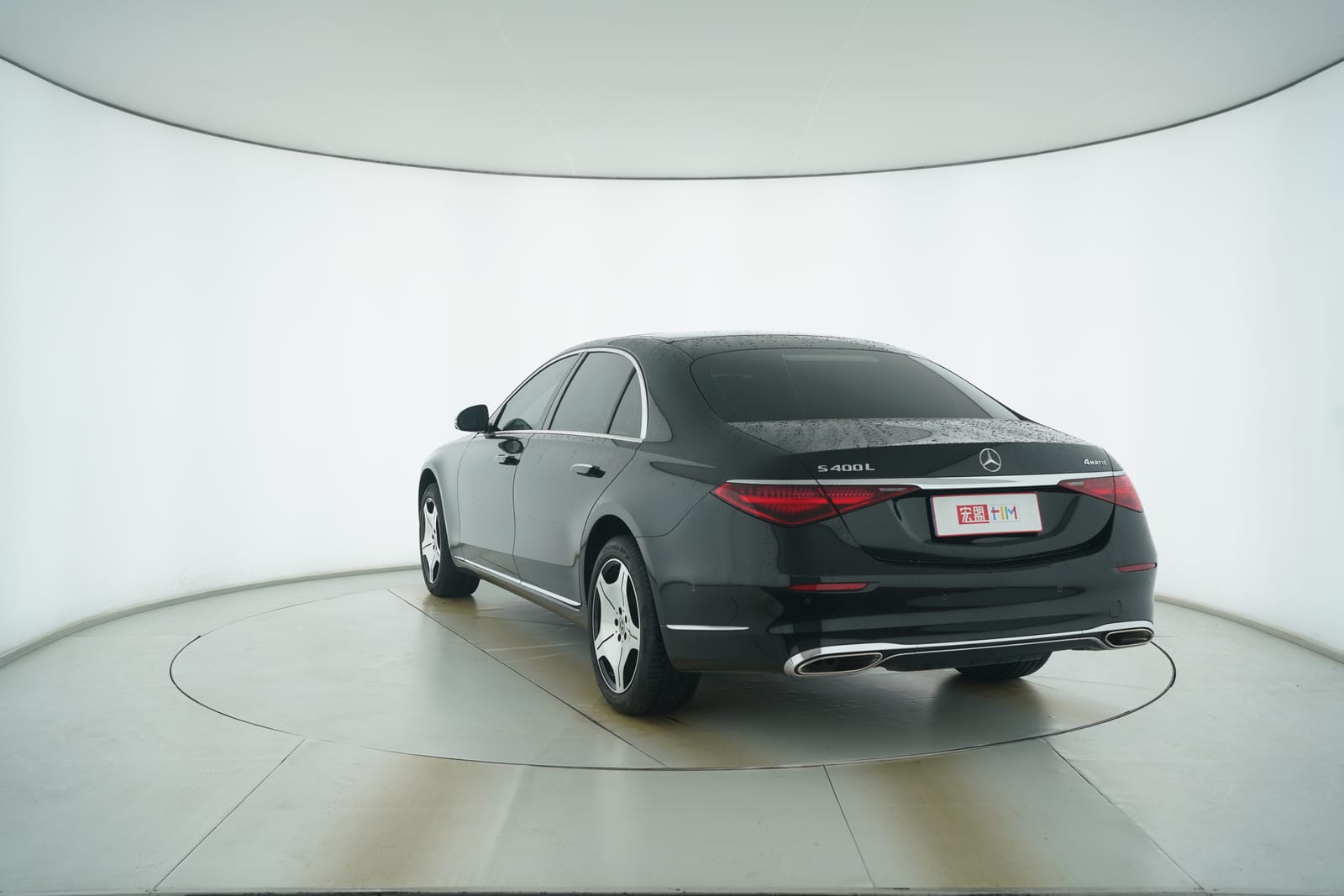
*2024 model year Mercedes-Benz S 400 L Luxury, black.*
The S 400 L is the more conventional petrol choice: a 2.5-litre turbocharged inline-six with 48-volt assistance, driving through a nine-speed automatic. It suits a buyer who wants the W223 cabin and presence without the additional high-voltage system of the hybrid.
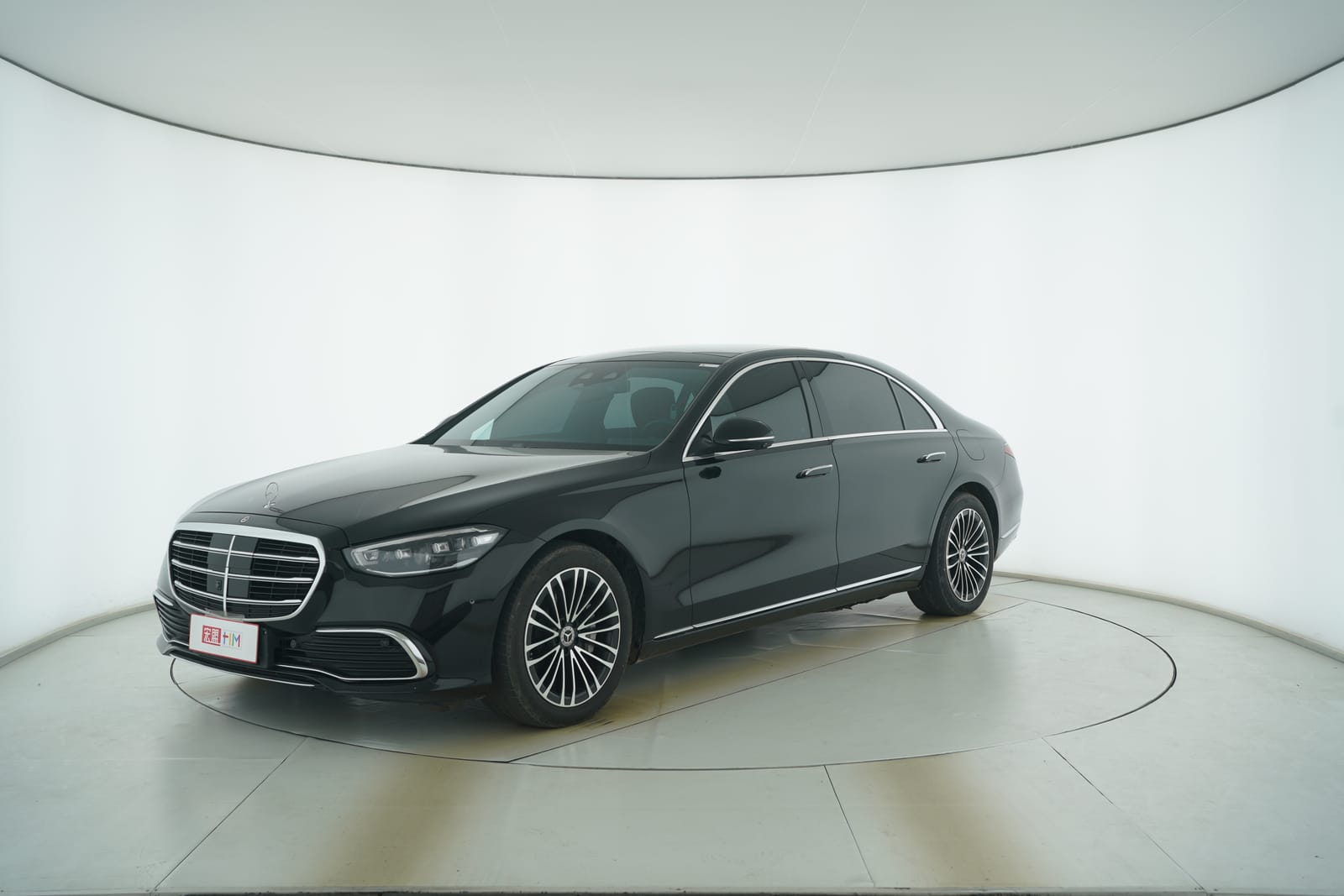
*2023 model year Mercedes-Benz S 450 e L plug-in hybrid, black.*
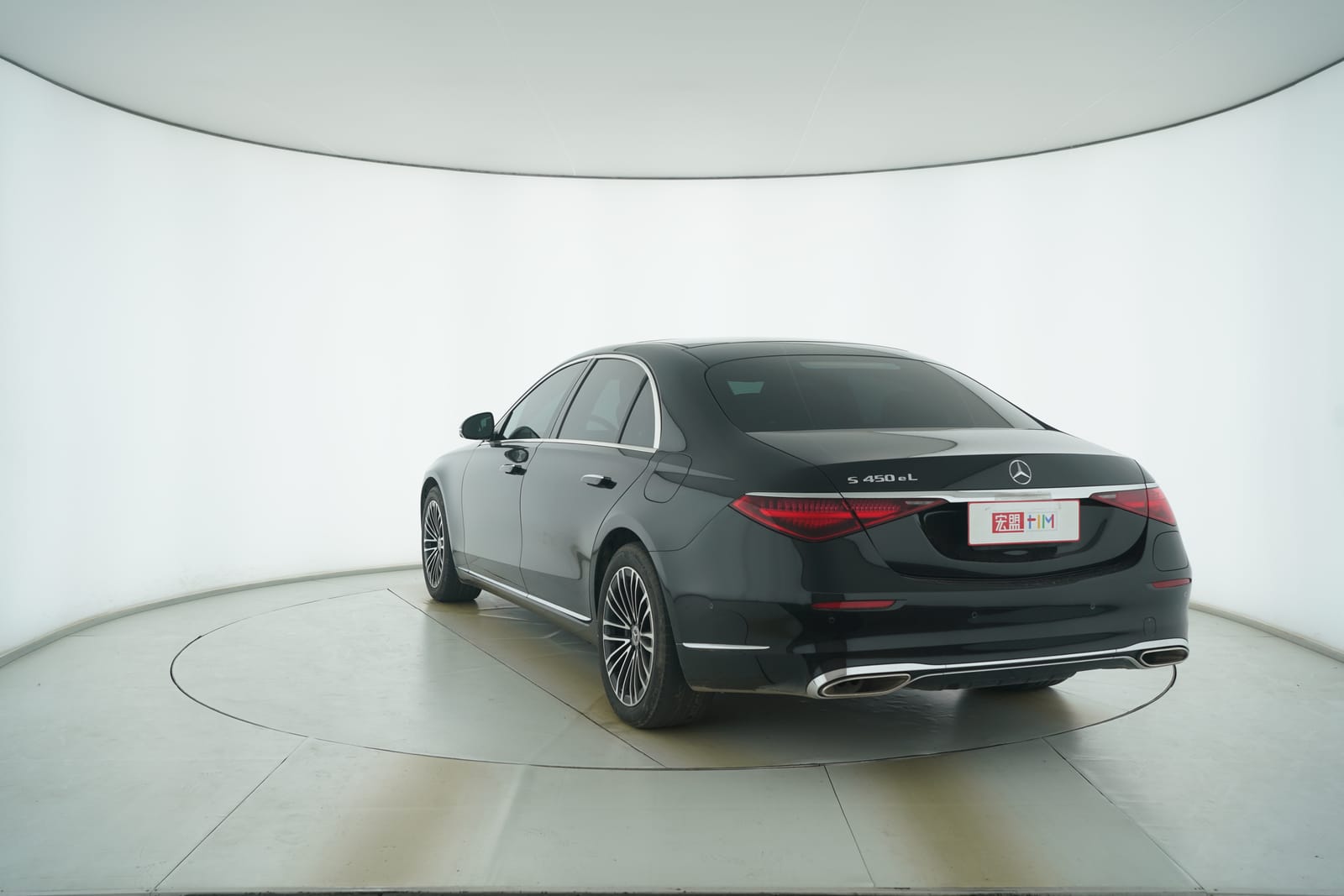
*2023 model year Mercedes-Benz S 450 e L plug-in hybrid, black.*
The S 450 e L adds a charging port, a high-voltage battery and electric drive. That can be attractive where charging is reliable, but it changes the inspection and the ownership calculation. Battery health, charger compatibility, cooling and fault codes matter as much as the engine.

Inspection Priorities for Any S-Class
- Air suspension. Check ride height at all four corners, listen for the compressor, look for leaking struts and confirm there are no suspension warnings. Repairs are costly and parts vary by generation.
- Hybrid and 48-volt systems. On mild-hybrid cars, confirm the assistance system and battery are functioning without warnings. On the S 450 e L, obtain a high-voltage battery health check, test AC and DC charging where possible, and inspect the charging port and cooling circuit.
- Transmission behaviour. Test the nine-speed automatic from cold and warm, at low speed and under light acceleration. Harsh engagement, delayed selection or shuddering deserves diagnosis before purchase.
- Brakes, tyres and suspension. The S-Class is heavy. Look for uneven tyre wear, worn bushes, steering pull and vibration. A set of premium tyres and brake work can be a significant cost.
- Body and structure. Check panel gaps, paint thickness and signs of structural repair. Inspect the underbody and boot floor. Aluminium panels require appropriate repair methods, and poor previous work is a long-term risk.
- Electrical completeness. Test every screen, camera, seat function, sunshade, soft-close door and boot function. Faults can be intermittent; test twice.
- Documents and identity. Match VIN, model year, trim, engine and drive layout to the vehicle. Review service history and mileage evidence. Emissions compliance must be checked per car against the accompanying certificate and the destination country's rules; never assume a rating from the model year alone.
Export Considerations
Chinese-market S-Class cars are left-hand drive, which suits many export destinations. The long wheelbase is a genuine advantage in chauffeur and executive markets. Before shipping, confirm the destination's age limit, import approval route and any requirement for local modification.
For the S 450 e L, charging standards are not universal. Check whether the car's charging interface and onboard charger can work with the equipment available at the destination, and whether high-voltage service support exists there. A plug-in hybrid without local diagnostic support can become an expensive ornament.
Parts availability also differs by generation and market specification. A W223 with digital headlights and rear-axle steering is not the same parts proposition as a W222. Budget for consumables and diagnostics rather than assuming flagship status means easy servicing.
Which S-Class Suits Which Buyer
A well-documented W222 can be the more straightforward engineering proposition: mature systems, a huge parts ecosystem and a cabin that still feels special. The risk is age-related wear in the air suspension and electronics, so condition and history matter more than a low asking price.
A W223 suits buyers who want the later cabin, assistance systems and presence. It is also the more complex car, so a pre-purchase diagnostic scan is essential. The S 450 e L only makes sense where charging is practical and high-voltage service is available.
In every case, the decisive question is not which S-Class is best on paper. It is whether this particular car has a straight body, a healthy suspension and electrical system, a documented history, and paperwork that matches the vehicle and the destination.

Latin America Used Car Import Guide 2026: Mexico, Brazil, Chile & Peru
Latin America Market Desk
Central Asia Used Car Import Guide 2026: Kazakhstan, Uzbekistan, Kyrgyzstan & Tajikistan
Central Asia Market Desk
China Used Car Export Policy 2026: Complete Guide
Policy Analysis Team