Mercedes-Benz GLC: The Long-Wheelbase GLC L Is the Car China Actually Bought
In China the GLC became the GLC L, with a longer wheelbase and a rear seat that sells the car. What separates the pre-facelift, facelift and new generation, what the 260 and 300 badges actually mean, the infotainment caveat every exporter should know, and the five checks to run before committing.

One Name, Two Cars
The GLC arrived in 2016 as the replacement for the boxy GLK, and it has been built locally by Beijing Benz ever since. In most of the world the GLC is a compact premium SUV. In China it became something slightly different: from late 2018 the standard car was joined, and then effectively replaced, by the GLC L, a long-wheelbase version with roughly 100 mm added between the axles, almost all of it handed to the rear seat. When a Chinese listing says GLC today, it almost always means the GLC L.
For an export buyer this is mostly good news. The rear seat is the reason Chinese families chose this car over its direct rivals, and it is the first thing your own customers will notice too.
Generations and Facelifts
- 2016 to 2019, first generation (X253), pre-facelift. A 2.0-litre turbo four-cylinder in several power levels, a 9-speed automatic, and 4MATIC all-wheel drive on most trims. Infotainment is the older COMAND or Audio 20 system with a small screen.
- 2020 to 2022, the facelift. Revised lights and bumpers, and on most trims the newer MBUX system with a wide central touchscreen. The engine family moved from the M274 to the updated M264.
- 2023 onwards, second generation (X254). A new car on a new platform, again sold in China as a long-wheelbase GLC L, now with 48-volt mild-hybrid assistance and, unusually for this class, an optional third row of seats.
Most of what sits in Chinese used-car stock today is the facelifted first generation, model years 2020 to 2022. That is also where the two cars photographed for this article come from.

What the Badges Mean: 200, 260 and 300
All three badges sit on the same 2.0-litre turbocharged four-cylinder in different states of tune. On facelift cars the GLC 260 L is quoted at 197 hp and the GLC 300 L at 258 hp; both shift through a 9-speed automatic, and 4MATIC is standard on the L versions sold in China.
In daily driving the 260 is honestly enough for most owners: the step up to the 300 is felt in mid-range overtaking and at motorway speeds, not in town. The bigger difference is usually equipment. The 动感型 (Dynamic) trim is the volume seller with the essentials; the 豪华型 (Luxury) trim is where the larger wheels, upgraded audio, driver-assistance packages and the nicer interior trim tend to live. Two cars with the same badge can be far apart in equipment, so read the trim name, not just the tailgate.
The Infotainment Caveat
China-spec MBUX ties navigation, voice control and connected services to Chinese servers and, on many cars, a Chinese data plan. Outside China, expect some connected functions to be limited or silent. The interface language on many units can be switched to English, but certain menus and apps remain Chinese-only. None of this affects how the car drives, yet it changes the ownership experience enough that you should verify it on the specific unit, and never promise a buyer full connected functionality abroad.
Five Things to Check Before Committing
- The emission certificate of the individual car. China V and China VI cars were registered side by side in 2021 and 2022, and the emission field in a listing does not always match the paperwork. Only the certificate that ships with the car tells the truth, and your destination market decides which class it accepts.
- A proper cold start. Listen to the engine in the first seconds after an overnight stop. Timing hardware on these four-cylinders should be quiet; a persistent rattle that fades as the engine warms deserves a closer look before any deposit moves.
- Gearbox behaviour. The 9-speed automatic should shift cleanly hot and cold. Hesitation, a shudder at walking speed, or a thump on downshifts are negotiation points at best and a walk-away signal at worst.
- The panoramic roof and its drains. Clogged drains let water into the headliner and footwells. Check the headliner corners and under the floor mats for staining or damp, and run the roof through its full travel.
- Every electric convenience. Tailgate, seat adjustment and memory, cameras, parking sensors, sunroof, ambient lighting. They all work on the day of inspection or they go on the repair list, in writing.
Two Cars From Our Own Stock
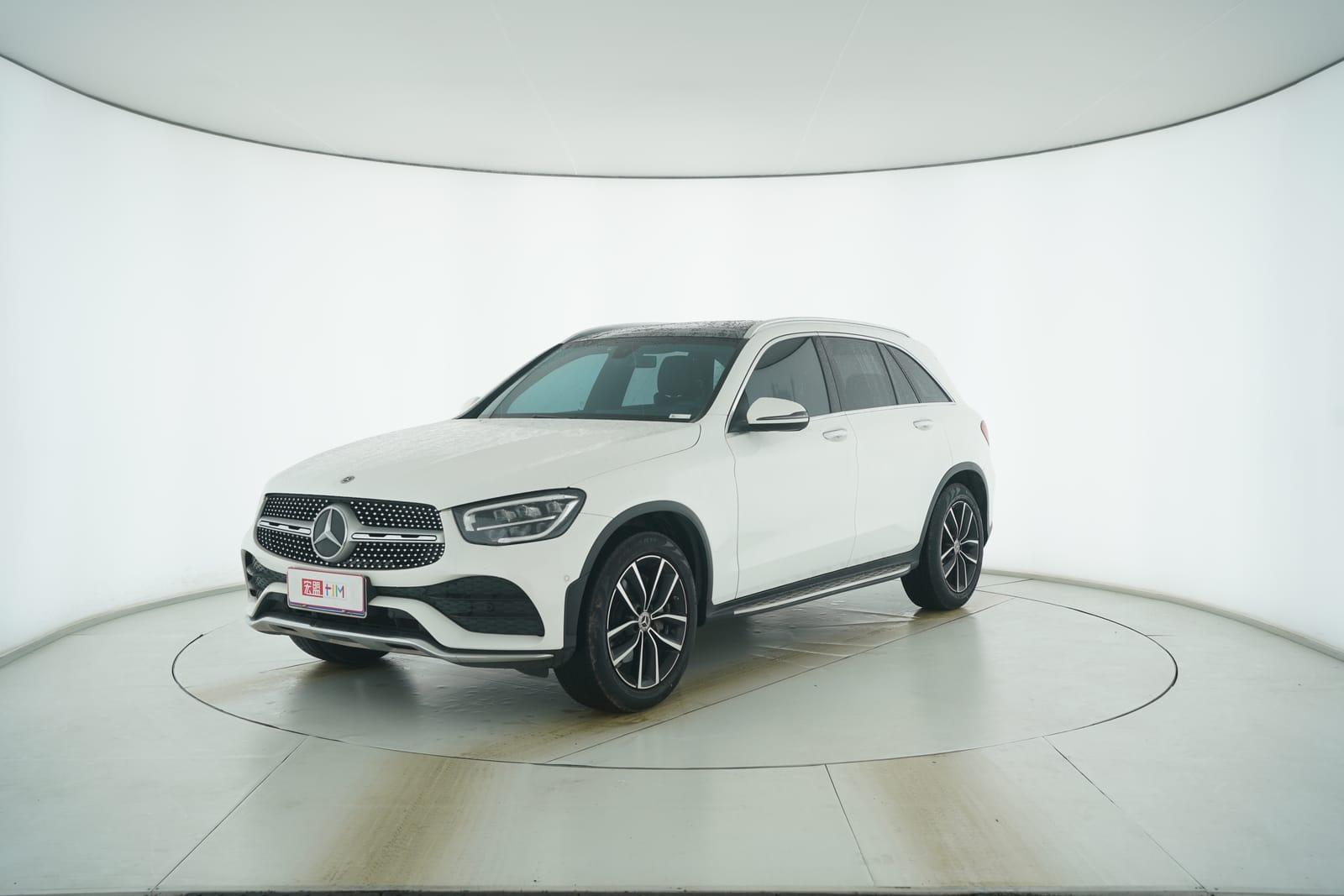
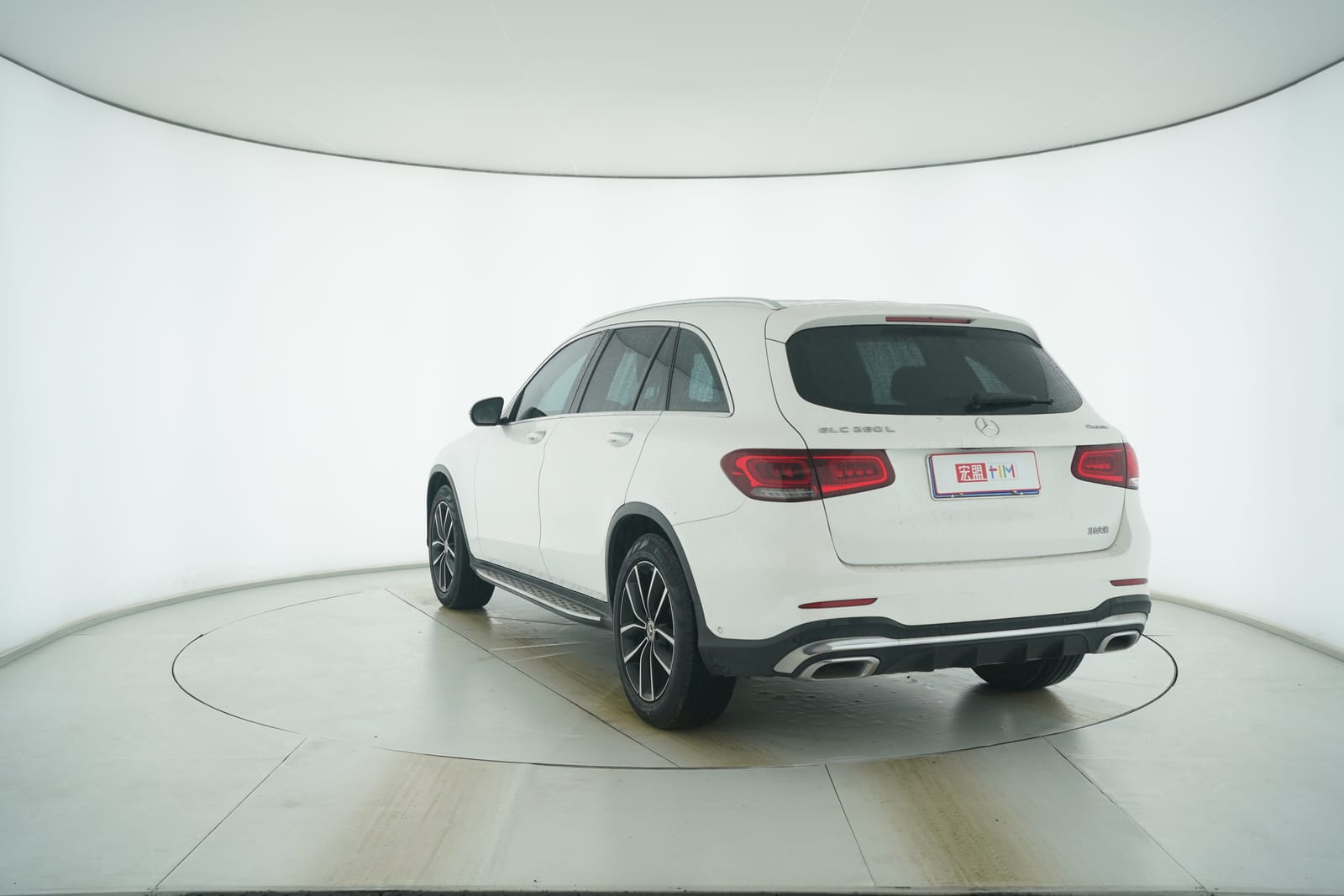
The white 260 L Dynamic is the specification most Chinese buyers actually ordered: the sensible engine in the trim that holds the essentials.
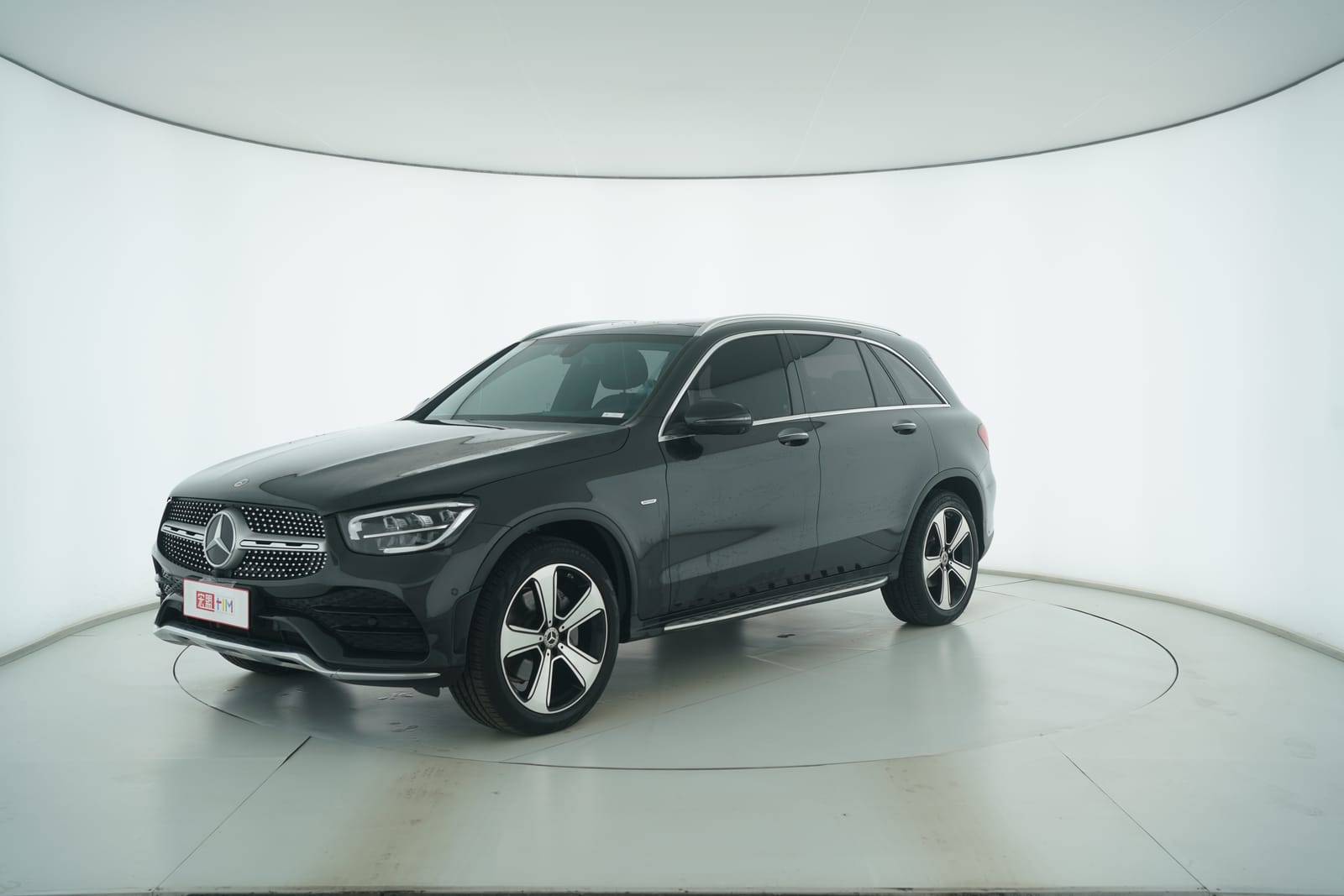
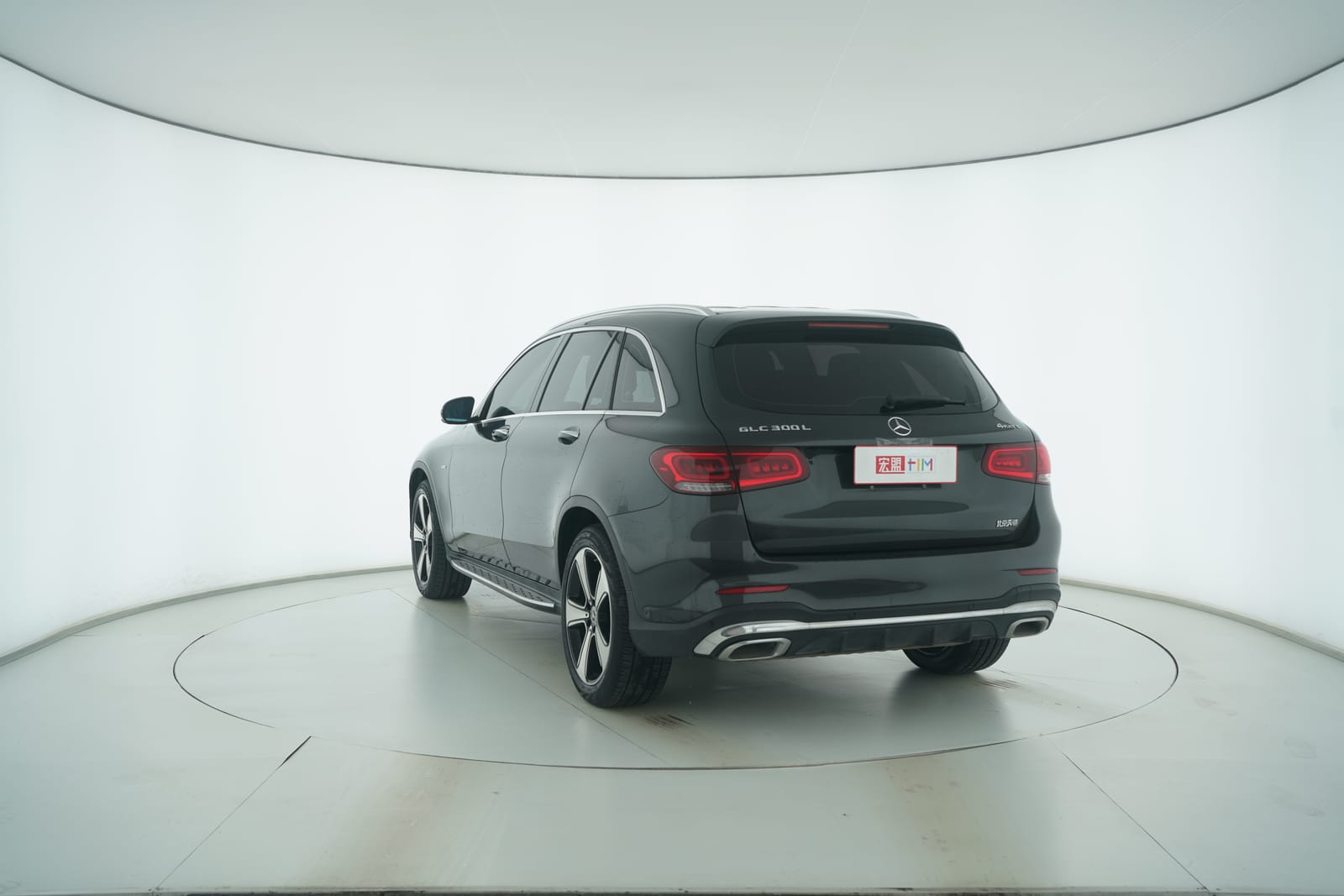
The black 300 L Luxury shows the other end of the range: the stronger engine and the trim level where the equipment list gets long.
Who This Car Suits
- Family buyers who want the badge and the space. The GLC L's rear legroom is its strongest argument and it photographs well in any showroom.
- Markets with Mercedes-Benz service coverage. Parts and diagnostic knowledge for this car exist worldwide, which keeps long-term ownership predictable.
- Buyers who drive mostly on tarmac. 4MATIC here is about wet-road security and stability, not rock crawling, and the car is happiest on proper roads.
Think twice if:
- Your market is strict on emission class. The answer comes from each car's certificate, not from the badge, the model year, or the listing field.
- The buyer expects fully working connected navigation and voice control abroad. Confirm what the specific unit can do before it becomes a dispute.
- The buyer compares against the price of a new GLC at home. On both sides of the deal, this is a used-car business, and the value case has to be argued on condition and equipment.


Latin America Used Car Import Guide 2026: Mexico, Brazil, Chile & Peru
Latin America Market Desk
Central Asia Used Car Import Guide 2026: Kazakhstan, Uzbekistan, Kyrgyzstan & Tajikistan
Central Asia Market Desk

China Used Car Export Policy 2026: Complete Guide
Policy Analysis Team