Lexus ES Buying Guide for Export Buyers: Japan-Built, China-Tested, Globally Wanted
The ES is Lexus's best-selling sedan in China and one of the few premium cars there that is still fully imported from Japan — a combination that makes China-spec cars unusually attractive for export. This guide covers the seventh-generation car, decodes the 200 and 300h badges and the trim ladder, and lists the checks that matter, from the hybrid battery to the import paperwork.
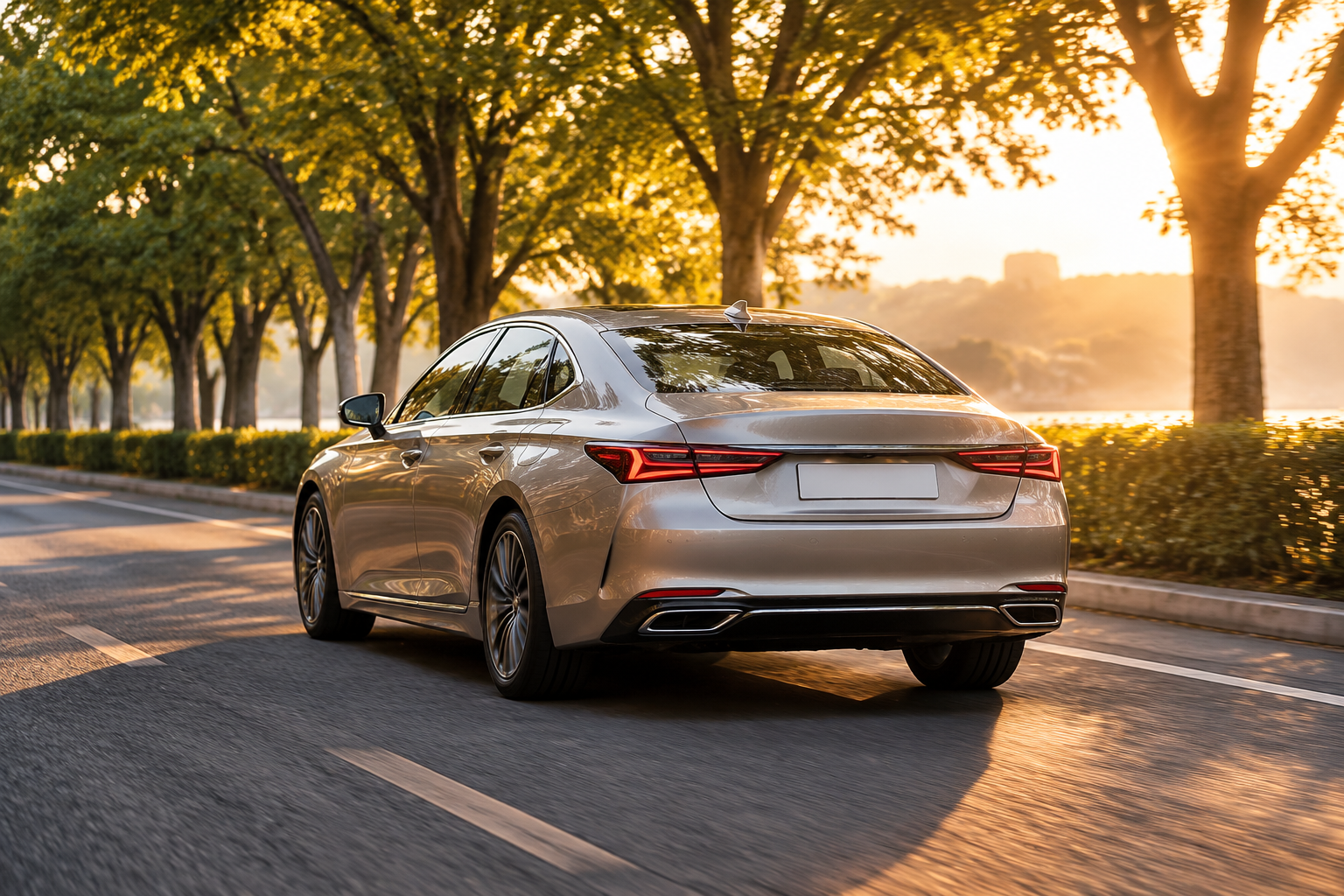
The Imported Premium in a Localised Market
Almost every premium sedan sold in volume in China is built in China — BMW in Shenyang, Mercedes in Beijing, Audi in Changchun. The Lexus ES is the exception: every ES on a Chinese plate rolled off a line in Japan. For the export buyer that single fact does a lot of work. "Japan-built" reads as a quality statement in every market from the Gulf to Central Asia, and it shortens the conversation with sceptical buyers.
The ES has another advantage: it is everywhere. The seventh generation, launched in 2018 on Toyota's GA-K platform, became Lexus China's volume backbone, and the model's famously conservative owners tend to service at the dealer and keep the paperwork. The result is a used supply of imported, dealer-maintained sedans in exactly the colours — white, silver-grey, black — that export markets order.
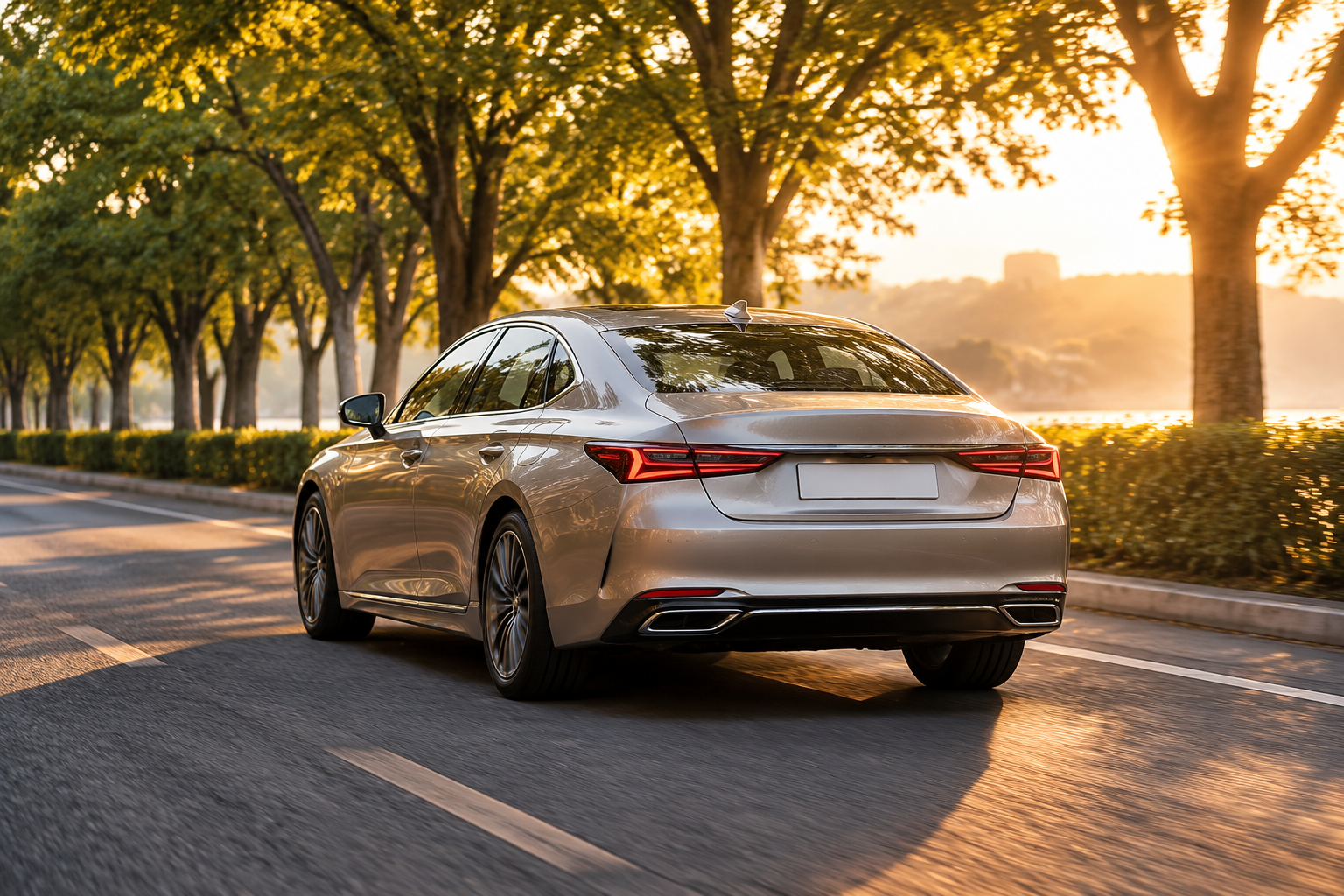
Generation Map: What You Will Actually See
Seventh generation (2018–present). The only generation that matters for late-model sourcing. Sharp spindle grille, GA-K platform shared with the Camry and Avalon, and a 2021 facelift that finally replaced the much-criticised Remote Touch touchpad with a touchscreen. When a listing says 2022 or later, expect the facelifted interior.
Sixth generation (2013–2018). Still common and still respected — these are the cars that built the model's Chinese reputation. Interior tech is a generation behind, but the mechanicals are simple and known.
One line to keep straight: Chinese-market ES sedans are front-wheel drive only. There is no xDrive or quattro conversation to have here.

Decoding the Badges: 200, 300h, and the Trims
The China range is simpler than it looks:
- ES 200 — 2.0-litre naturally aspirated four-cylinder with a CVT (Toyota's launch-gear Direct Shift unit on later cars). The volume seller: unhurried, smooth, cheap to run. Performance is the trade — overtaking reserves are modest.
- ES 300h — the 2.5-litre hybrid with e-CVT. The one most export buyers should prioritise: stronger, quieter in town, and the hybrid badge carries real resale weight in Central Asia and the Middle East. A 260 petrol variant existed in the early years of the generation but is rare.
The trim ladder typically reads 卓越版 (entry) → 尊享版 (mid), with F SPORT styling and the flagship 行政版 reserved for the hybrid. The jump that matters most abroad: the bigger screen, seat ventilation and the full safety suite live above the base trim. Every current ES carries the Lexus Safety System+ pack as standard — a genuine selling point that costs nothing extra to claim, because it is true of every car.
Our Inspection Cars
The grey car is a 2022-model ES 300h Excellence — the hybrid in its volume trim. The white car is a 2023-model ES 200 Excellence — the petrol entry version, post-facelift. Together they cover the two drivetrains this article compares.
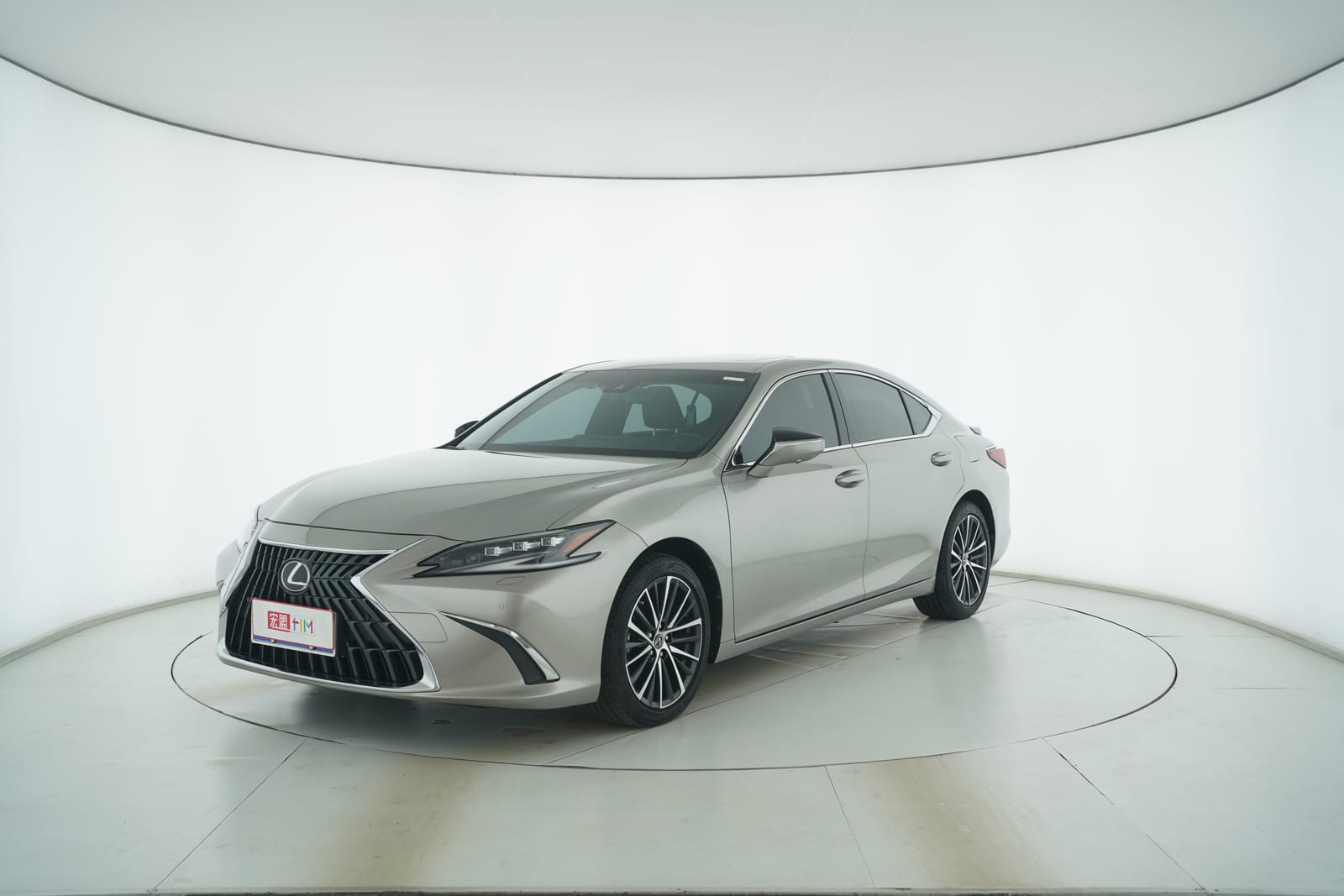
*2022-model ES 300h Excellence, grey*
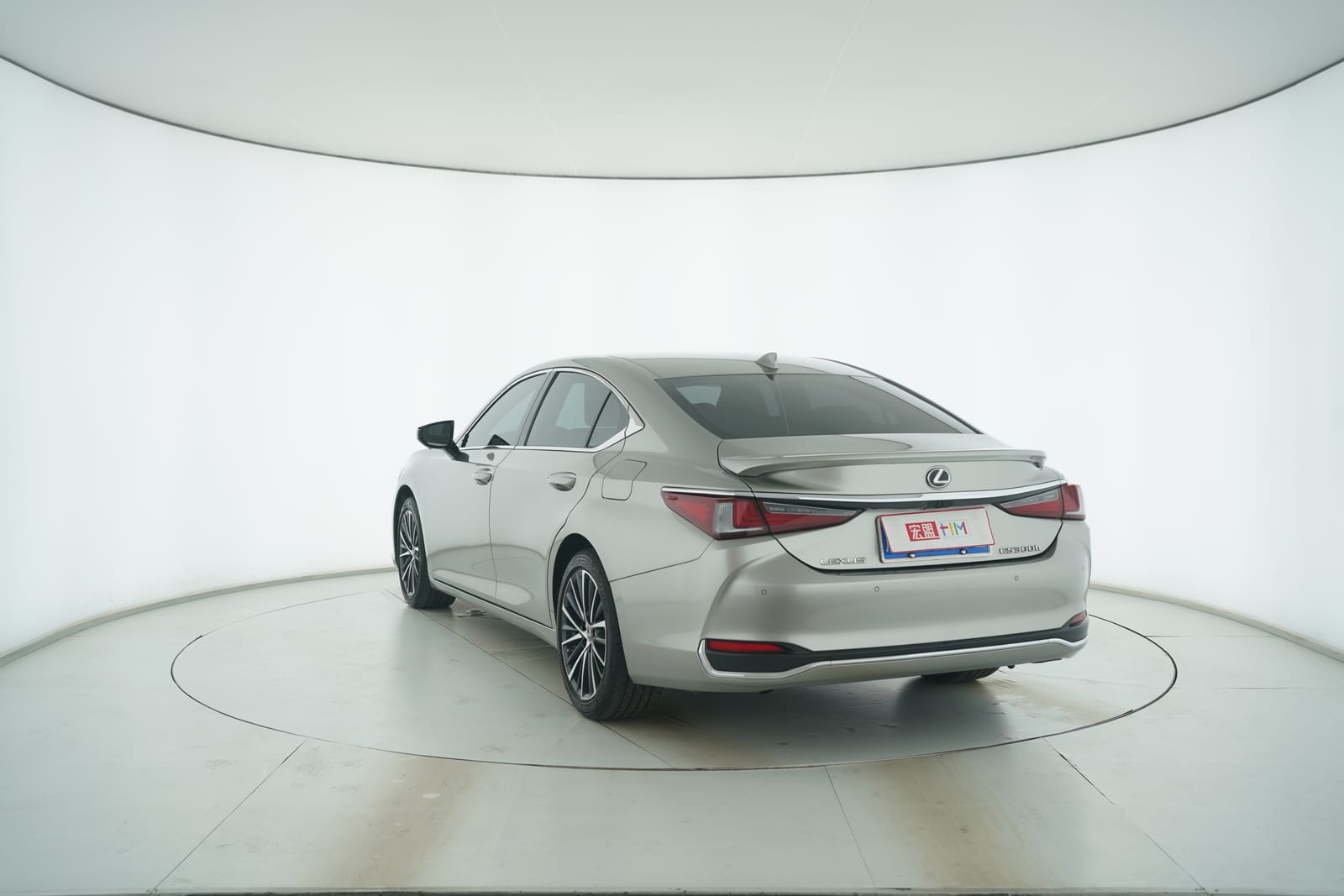
*2022-model ES 300h Excellence, grey*
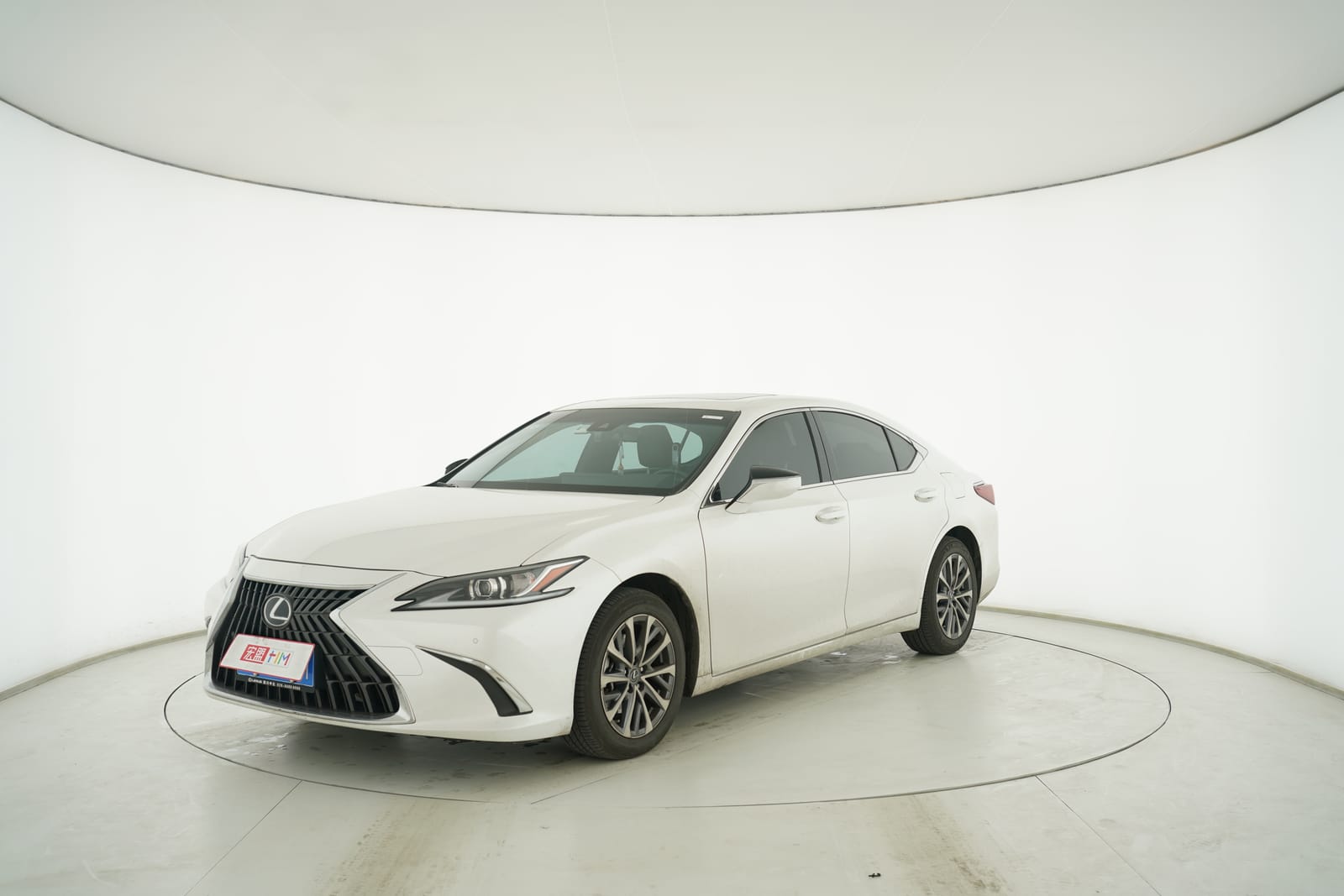
*2023-model ES 200 Excellence, white*
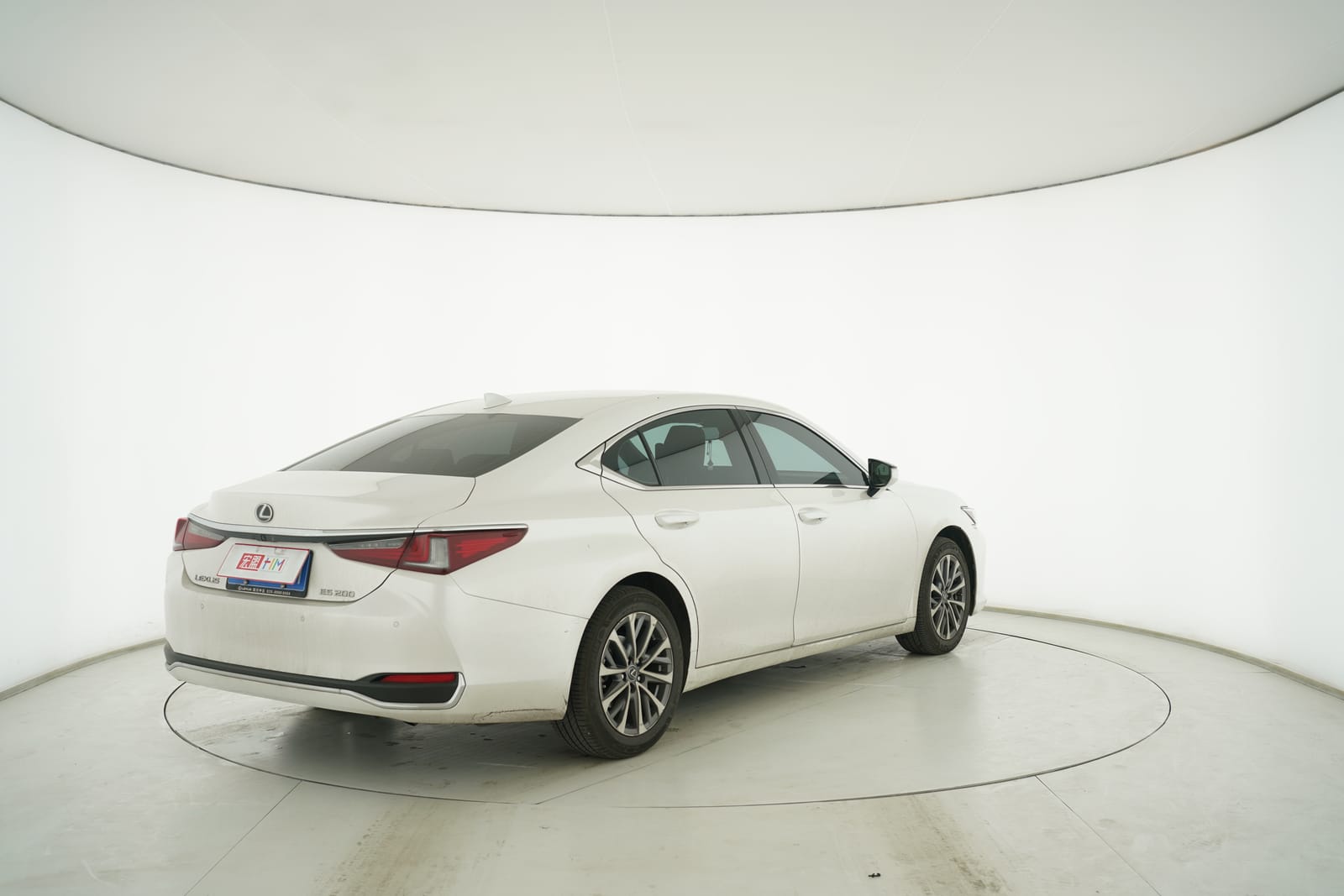
*2023-model ES 200 Excellence, white*
What to Inspect Before Export
- Hybrid system health on the 300h. Ask for a diagnostic read on the battery; on the car itself, check the battery cooling intake and filter behind the rear seat — a clogged filter shortens battery life, and it takes minutes to inspect.
- CVT behaviour on the 200. The launch-gear CVT should pull away crisply without flare or whine. Test it cold; a gearbox that is smooth warm and rough cold is telling you something.
- Dealer service history. The ES's ownership profile means most cars have full dealer records — treat a car without them as a different, cheaper car.
- Import paperwork. These are imported vehicles: customs declaration and conformity documents must be complete and match the car. Gaps here become your problem at the destination port, not the seller's.
- Electronics and comfort features. Ventilated seats, the Mark Levinson audio where fitted, cameras and the safety suite — verify everything works; imported-car parts are available everywhere but not cheap.
- Emissions certificate, car by car. China V and China VI cars both circulate in this model range; what counts at your destination is the certificate of the individual vehicle. Verify it before purchase.
The Export Verdict
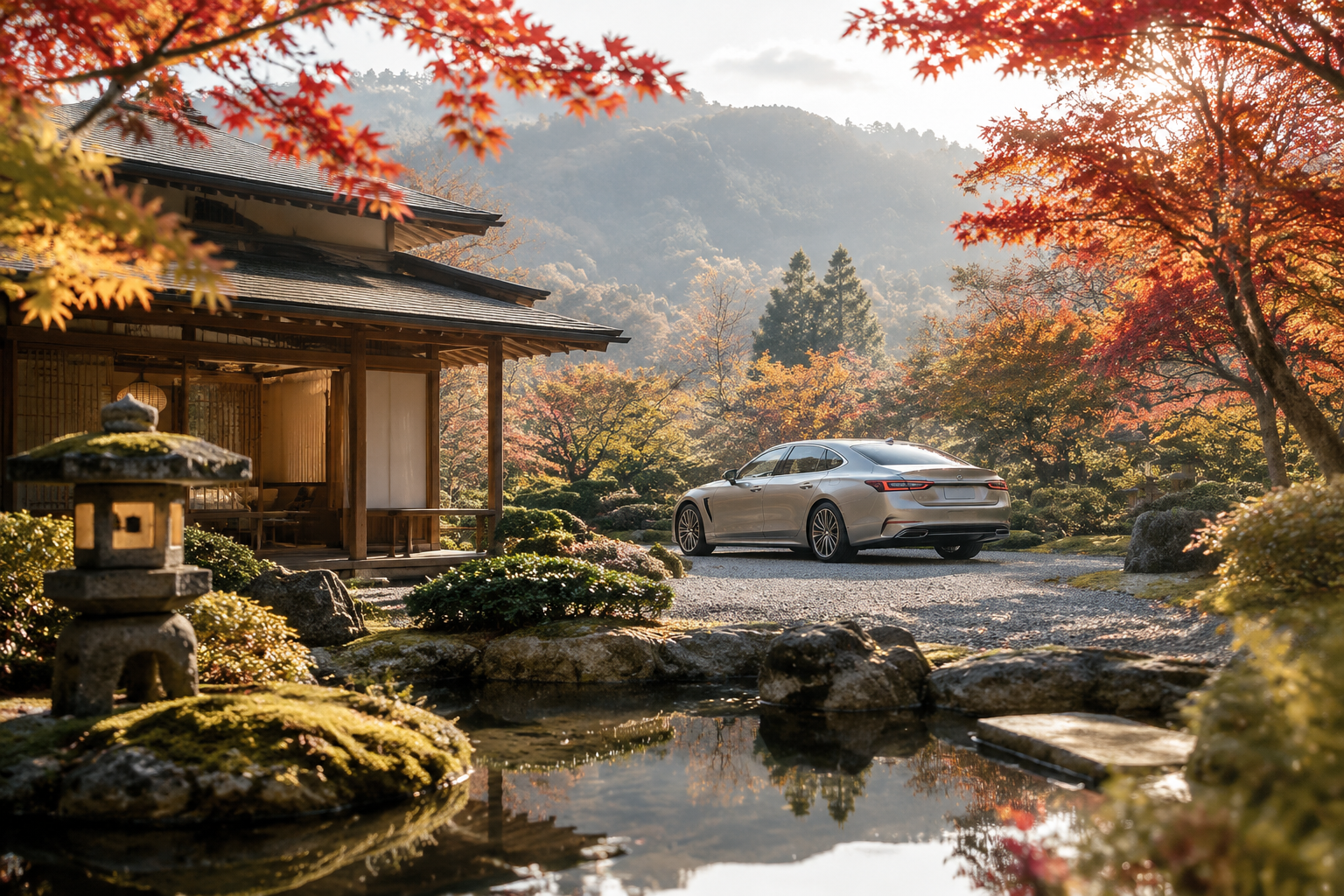
The ES is the low-drama premium buy: Japan-built, dealer-serviced, mechanically conservative, and recognised on every market that matters. Pick the 300h where the budget allows, the 200 where the entry price rules, and let the hybrid diagnostic and the import file decide between individual cars.

Latin America Used Car Import Guide 2026: Mexico, Brazil, Chile & Peru
Latin America Market Desk

Central Asia Used Car Import Guide 2026: Kazakhstan, Uzbekistan, Kyrgyzstan & Tajikistan
Central Asia Market Desk

China Used Car Export Policy 2026: Complete Guide
Policy Analysis Team