Hongqi H5: China's State-Brand Sedan, Two Generations Compared
Hongqi is the marque that built China's official limousines; the H5 is its attempt at a mainstream sedan. A black 2024 second-generation car and a grey 2019 first-generation car show how far the design moved, what the 1.5T and 2.0T versions offer, and what an export buyer should know about parts, diagnostics and software for a brand that is rare outside China.
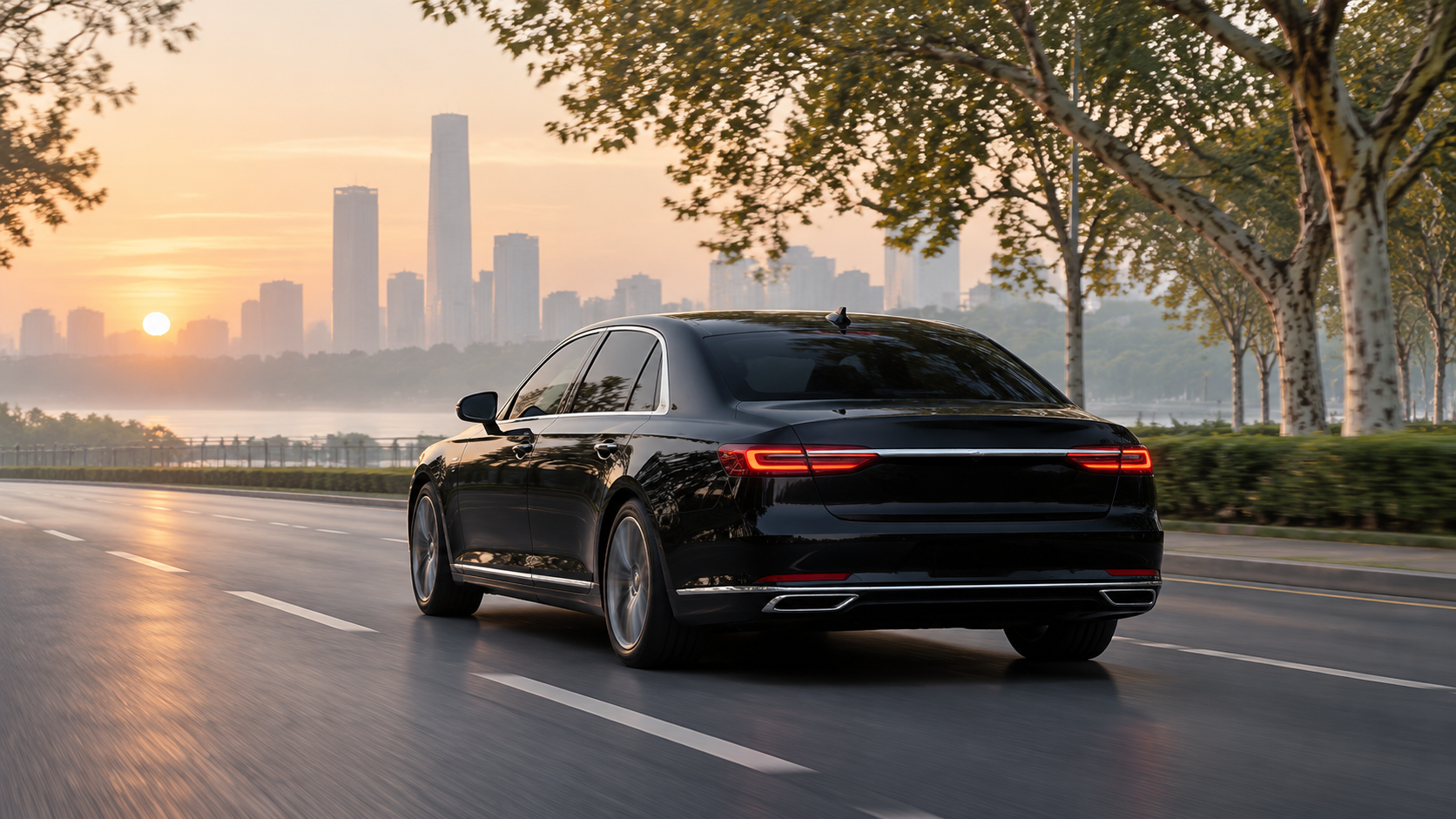
The Brand Behind the Car
Hongqi means "red flag". The marque belongs to FAW, the state-owned group based in Changchun, and for decades it built the parade cars and official limousines that ordinary buyers could not purchase.
That changed around 2018, when FAW relaunched Hongqi as a civilian brand with a broad model range. The H5 was part of that push: a mid-size sedan aimed at private buyers and corporate fleets rather than protocol duty.
The result is an unusual product. It has the styling cues of a state car, a long bonnet and, on many versions, a red flag ornament running down the hood, but it is priced and equipped like a mainstream family sedan. Buyers get presence without the running costs of a genuine limousine.
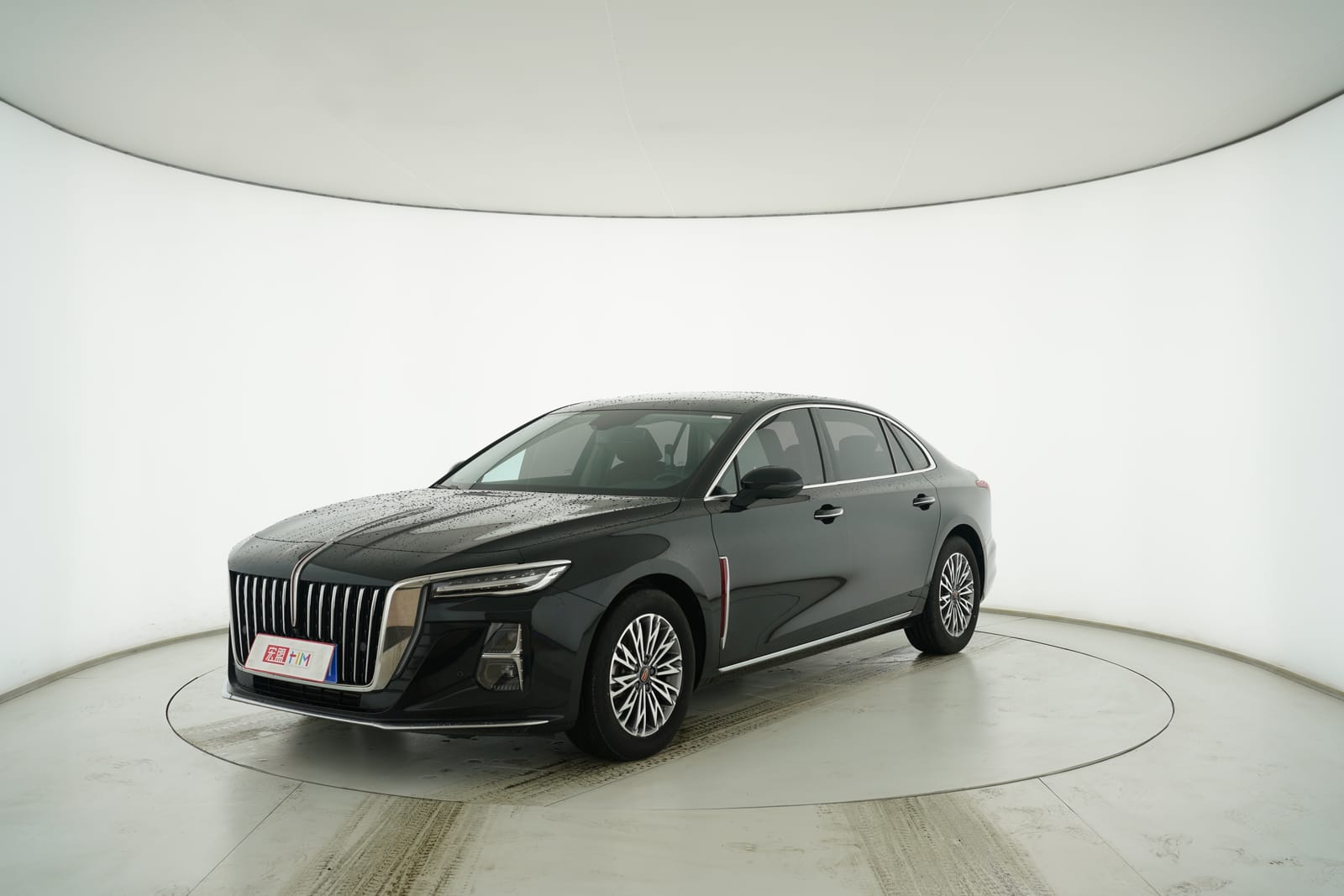
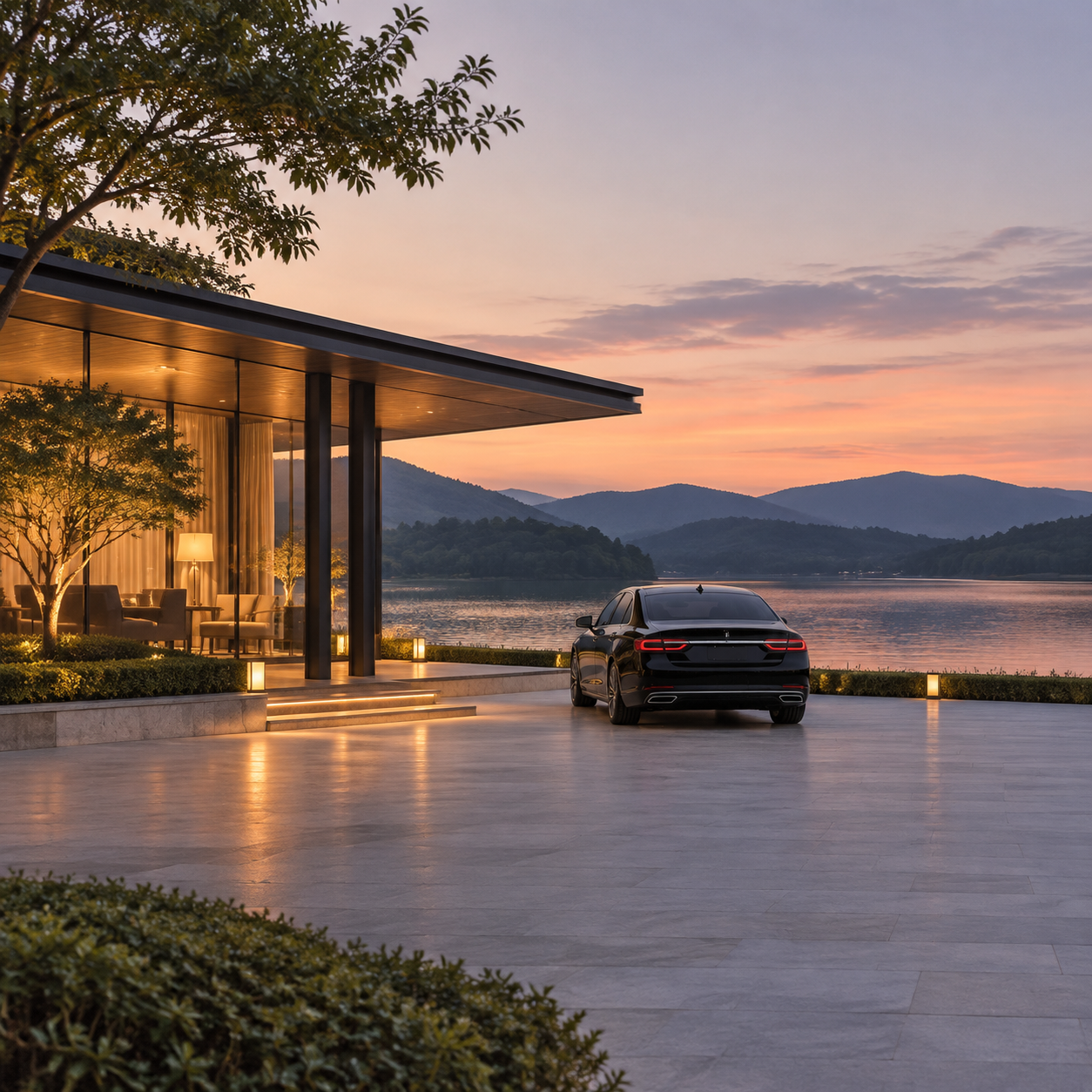
*2024 Hongqi H5 1.5T DCT, black.*
Two Generations, Two Ideas
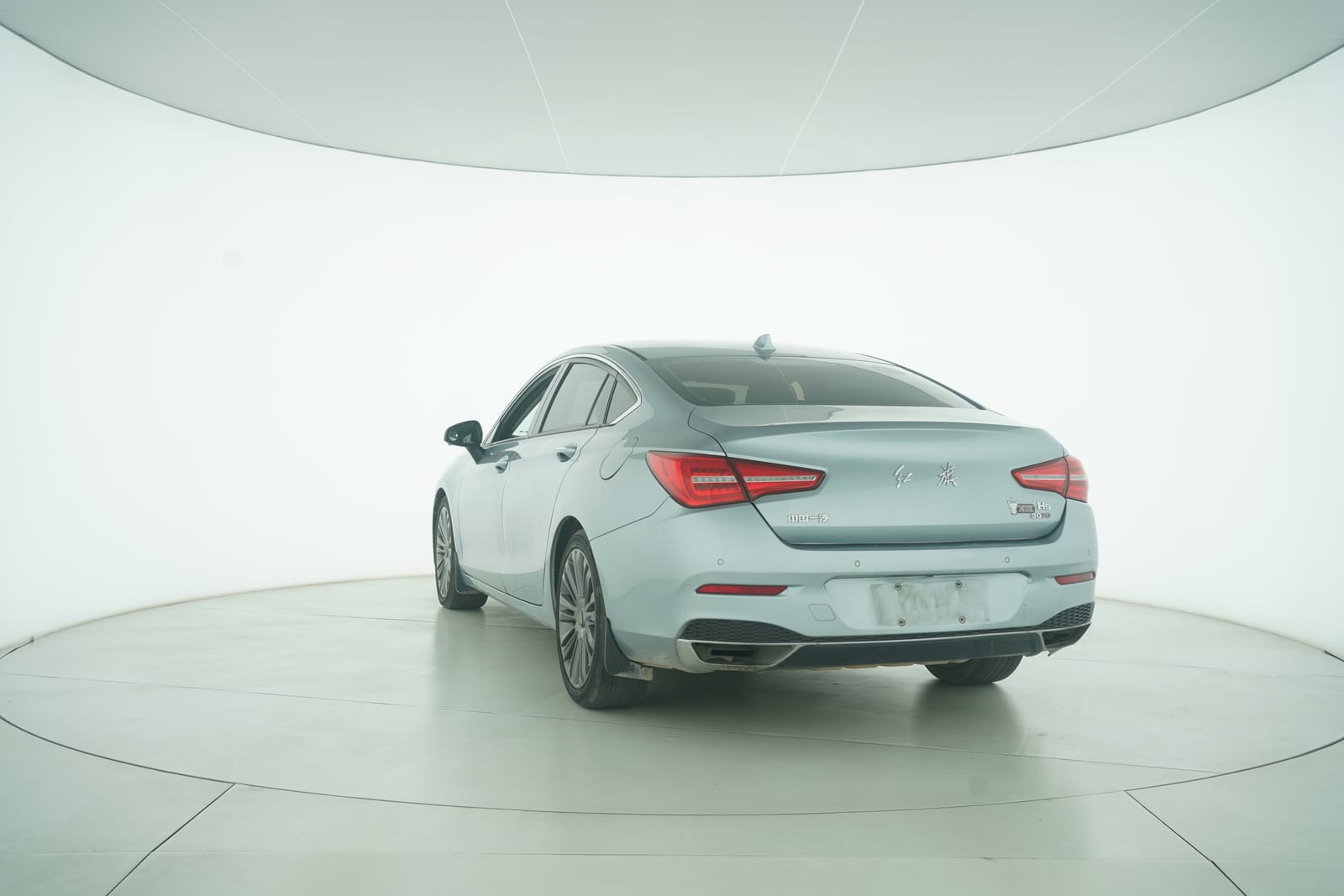
The first generation (2018-2022) was the car that took Hongqi into private hands. It used a more conventional shape, with a large chrome grille and a red flag badge on the bonnet. The grey car here is from that era.
The second generation (2022 onwards) is a new design with a much more upright, vertical grille, slimmer headlights and a red stripe that runs from the bonnet into the grille. It is longer, wider and more confident on the road. The black car here is a second-generation example.
The visual difference is the easiest way to tell them apart. Side by side, the newer car looks like a smaller version of Hongqi's flagship limousines; the older car looks like a well-trimmed Chinese sedan of its period.
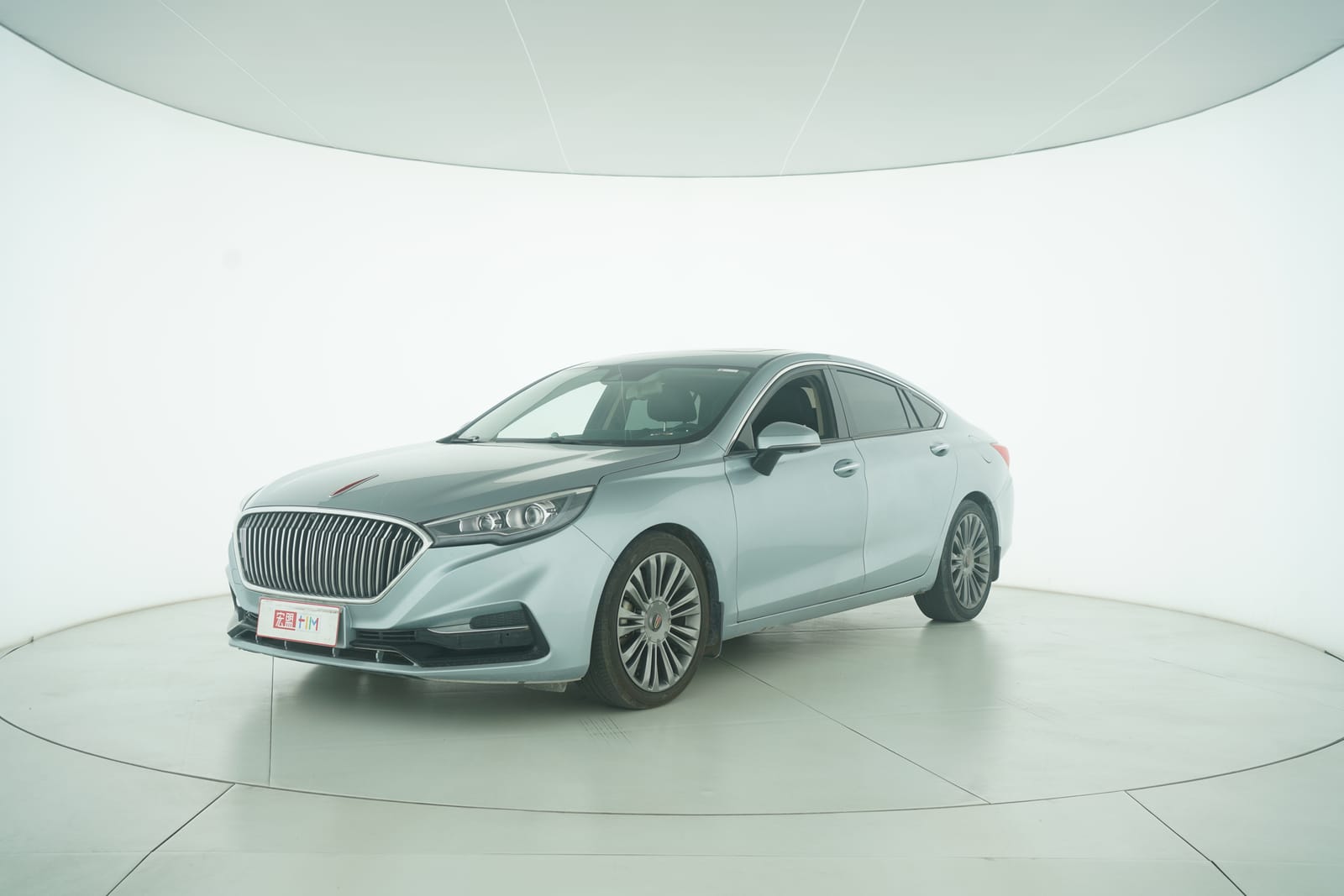
*2019 Hongqi H5 30TD, grey.*
Engines and Versions
The H5 has been sold mainly with turbocharged four-cylinder petrol engines:
- 1.5T — the volume choice, usually with a dual-clutch gearbox. Adequate for city and highway use, cheaper to buy and run.
- 2.0T — more power, usually with a conventional automatic. The better choice for a loaded car or long-distance use.
Both drive the front wheels. Later cars added a hybrid version, but the two cars here are petrol.
Hongqi's trim names use "智联" (connected) and "旗" (flag) combinations that are hard to decode from abroad. The practical approach is to ignore the poetry and check the equipment list: engine, gearbox, seat adjustment, screen size and driver assistance are what actually differ.
Inside
The H5 is a car for the back seat as much as the front, which is a legacy of its official role. Rear legroom is generous for the class, the seat is soft, and the ride prioritises comfort.
The front cabin follows the current Chinese pattern: a large central screen, a digital instrument panel and very few physical buttons. Materials are decent for the price, with soft-touch surfaces on the parts you touch and harder plastic lower down.
The second-generation car feels noticeably more modern inside than the first, with a cleaner dashboard and a larger screen. The older car is still comfortable, but its interface and interior design date from an earlier era.
One practical note for export buyers: the infotainment and voice control are built around Chinese services. Check whether the language can be changed, whether navigation can be replaced and whether any function depends on an account you cannot create.
How It Drives
The H5 is set up for comfort. The steering is light, the suspension absorbs rough surfaces well and the cabin is quiet at cruising speed. It is not a sporty sedan, and the 1.5T with a dual-clutch is at its best in gentle use rather than hard acceleration.
The 2.0T is the version to choose if the car will regularly carry passengers or luggage, or if the roads where you live involve long climbs. It is smoother and less stressed, at the cost of fuel.
As with most Chinese sedans of this period, driver assistance varies by year and trim. Later cars offer adaptive cruise and lane keeping; earlier cars may have little beyond parking sensors.
What to Check Before Buying
- Turbo and engine bay. Check for oil leaks, listen for the turbo from cold and look for blue smoke on start-up.
- Gearbox. A dual-clutch can be hesitant at low speed by design; shuddering, clunks and delayed engagement are not.
- Electronics. Test every screen, camera, window and seat motor. Chinese-market electronics are densely integrated, and faults can be expensive to trace.
- Sunroof and water ingress. Check the headlining, footwells and boot floor for damp, and test the sunroof drains.
- Suspension and tyres. Look for worn bushes, leaking dampers and uneven wear, especially on the heavier 2.0T.
- Body and trim. Hongqi uses a lot of chrome and badge trim; check that it is all present and properly fixed, and inspect panel gaps after any repair.
- Service history. A full history is valuable on any car, and more so on a brand with a thin service network outside major Chinese cities.
- Documents. Confirm model year and version from the registration document, not the listing title. Emission compliance is confirmed per vehicle against the certificate travelling with that car, not by model.
Export Notes
- Left-hand drive only. The H5 is built for left-hand-drive markets. Confirm the import rules of the destination country before committing.
- Brand presence. Hongqi has been expanding abroad, but coverage varies widely by country. Before buying, confirm that a workshop can service the car and read its diagnostic system, and that common parts can be ordered.
- Parts. Consumables and brake parts are the easy part; body panels, lights and interior trim are the risk. Ask for the part numbers and check availability in your market before shipping.
- Software and connectivity. The infotainment, voice assistant and connected services are designed for China. Confirm what works abroad and what can be replaced.
- Documentation. Invoice, certificate of conformity, export licence and vehicle identification number must agree. Emission rules are decided per vehicle, not per model.
Which One to Choose
The black 2024 second-generation car is the better car in almost every way: newer design, more modern cabin, more equipment and a stronger road presence. It is also the more expensive and more electronically complex of the two.
The grey 2019 first-generation car is the simpler proposition. It has the same comfort-focused brief and the same general mechanical layout, with less electronics to go wrong and a lower entry cost.
For an export buyer, the deciding factor should be support rather than generation. If the destination market has a workshop that knows the brand and can source parts, the newer car is worth it. If not, the simpler car is the safer choice.
FAQ
Is Hongqi a luxury brand? It is positioned above FAW's mass-market brands, with a history of official limousines, but the H5 itself competes in the mainstream sedan segment.
Is the H5 rear-wheel drive? No. It is front-wheel drive.
Is there a hybrid? Hongqi has added hybrid versions of the H5, but the cars described here are petrol. Check the specific car's documents rather than the badge.
Can it be exported? Yes, it is left-hand drive, but parts, diagnostics and software support need checking before purchase.
What is the biggest risk? Service and parts outside China, followed by electronics faults on early cars.
Next Step
Tell us which H5 you are considering and we will send a walkaround video of that exact car: the cabin screens, the rear seat, the engine bay and the service records, so you can judge the vehicle rather than the brochure.

Latin America Used Car Import Guide 2026: Mexico, Brazil, Chile & Peru
Latin America Market Desk
Central Asia Used Car Import Guide 2026: Kazakhstan, Uzbekistan, Kyrgyzstan & Tajikistan
Central Asia Market Desk
China Used Car Export Policy 2026: Complete Guide
Policy Analysis Team