Honda Civic Buying Guide: 180TURBO vs 220TURBO Badges, CVT and Used-Car Checks
Honda Civic configurations can carry 180TURBO or 220TURBO CVT wording without those numbers providing a complete engine specification. This guide explains why 220 is not a 2.2-litre or 220-horsepower statement, how trim names differ from verified equipment, and which cold-and-hot engine, CVT, modification, structure and document checks matter before export.

Identify the Civic Beyond Its TURBO Badge
The Honda Civic configurations discussed here are compact four-door sedans produced for China by Dongfeng Honda. Cars from the same broad body generation can carry 180TURBO or 220TURBO descriptions and both can be paired with CVT wording. That shared layout does not make their engine identification, equipment or condition interchangeable.
The numbers are part of the powertrain and version designation. 220TURBO must not be read as a 2.2-litre engine or a 220-horsepower rating, and 180TURBO should not automatically be read as 1.8 litres or 180 horsepower. Use factory records and the actual vehicle to establish the engine specification rather than converting the badge into a different unit.
Model year, full trim and first-registration date remain separate facts. Front styling, wheels and cabin screens can help identify a version, but modifications and replacement parts mean they should not be used alone.
CVT and Trim Names Need Separate Verification
Both selected configurations include CVT, a continuously variable transmission description. It does not by itself establish the same fluid history, software state or mechanical condition. Nor should this petrol CVT wording be confused with a hybrid e-CVT; use the technical and service information applicable to the exact car.
Names such as Jindong and Comfort belong to the configuration description. They do not provide a complete list of seats, cameras, lighting, infotainment or driver-assistance equipment. A higher-sounding trim name cannot substitute for operating each installed function.
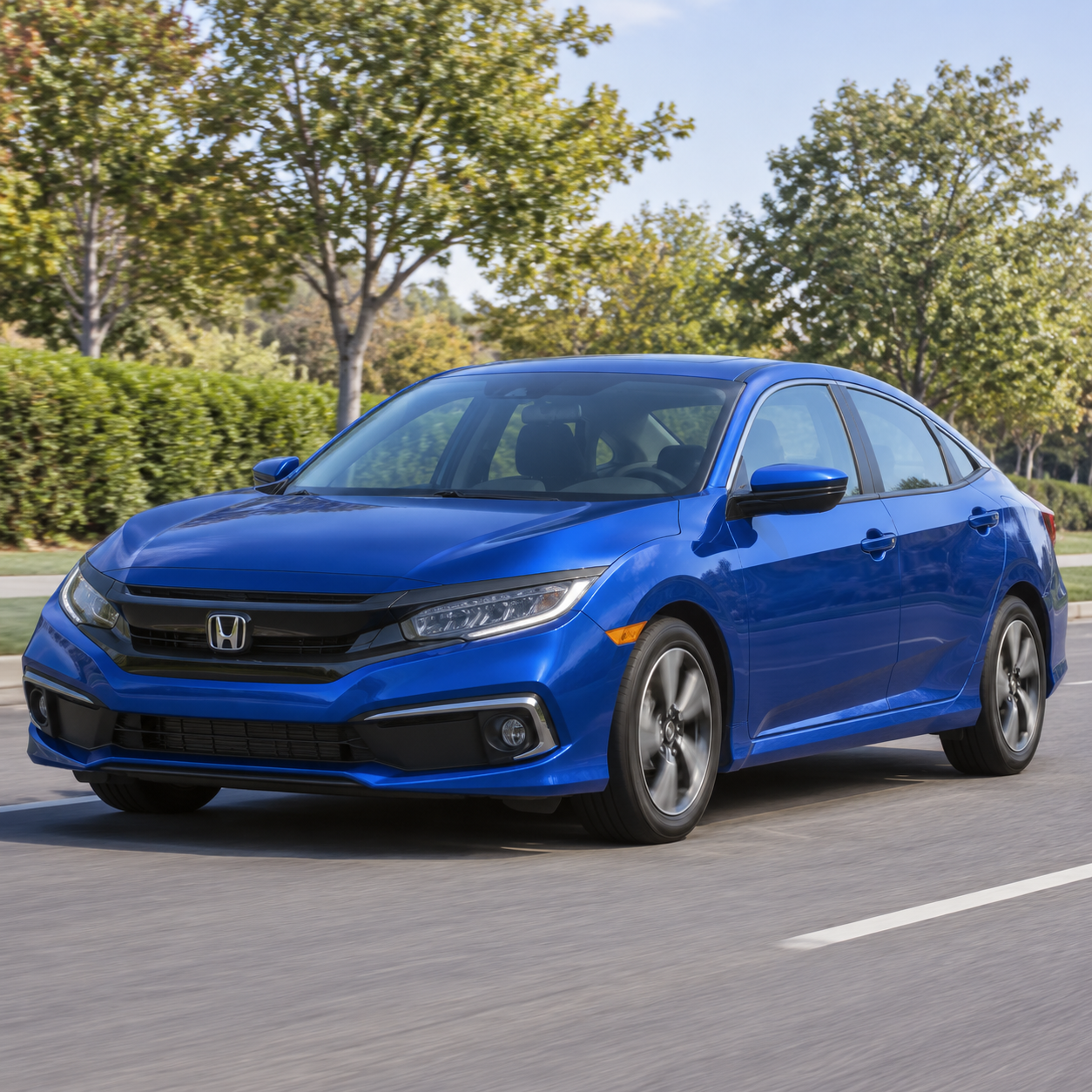
The useful comparison is therefore not simply 180 versus 220. It combines verified engine identity, transmission behaviour, maintenance evidence, actual equipment and the condition of the individual vehicle.
Real-Car Exterior References
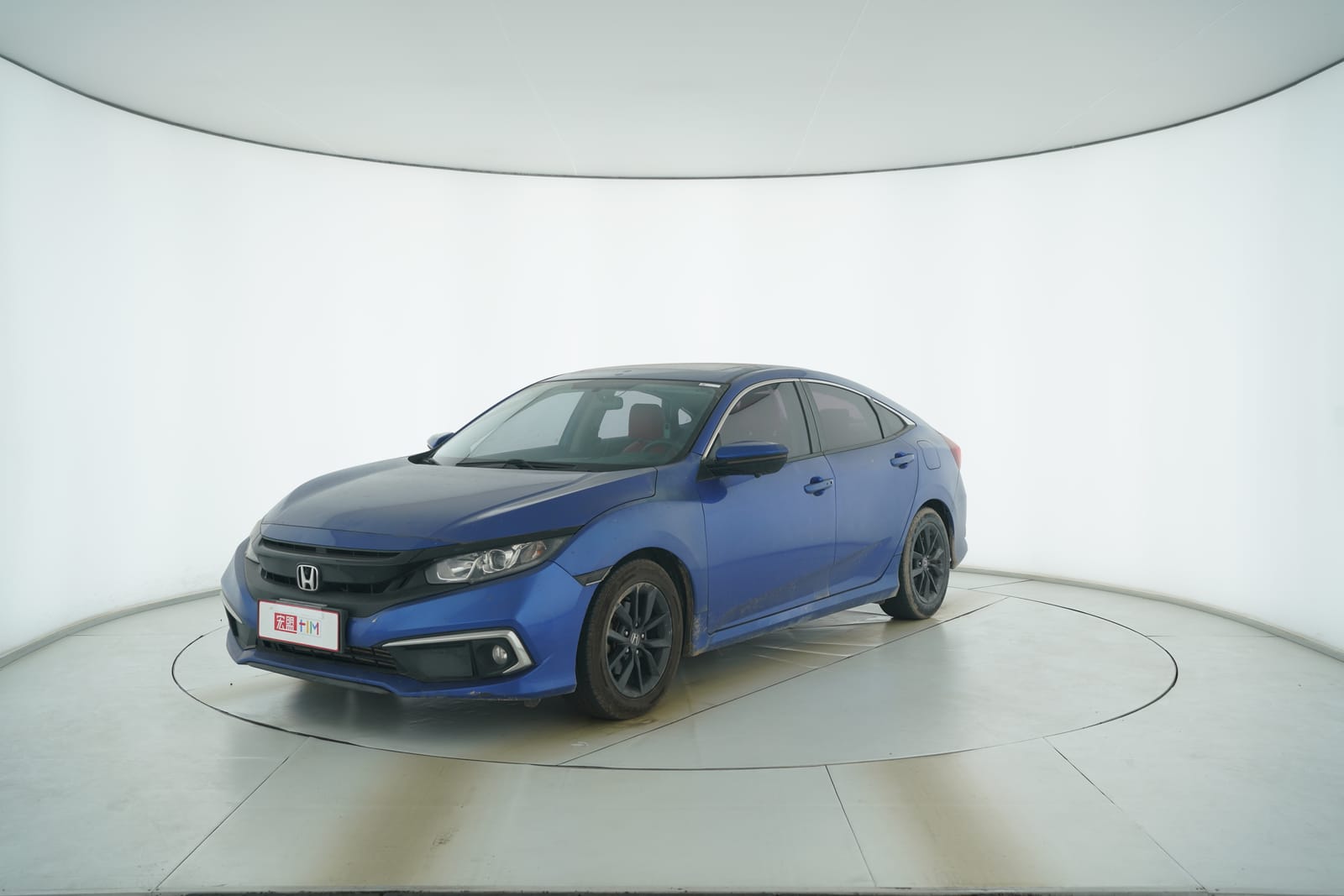
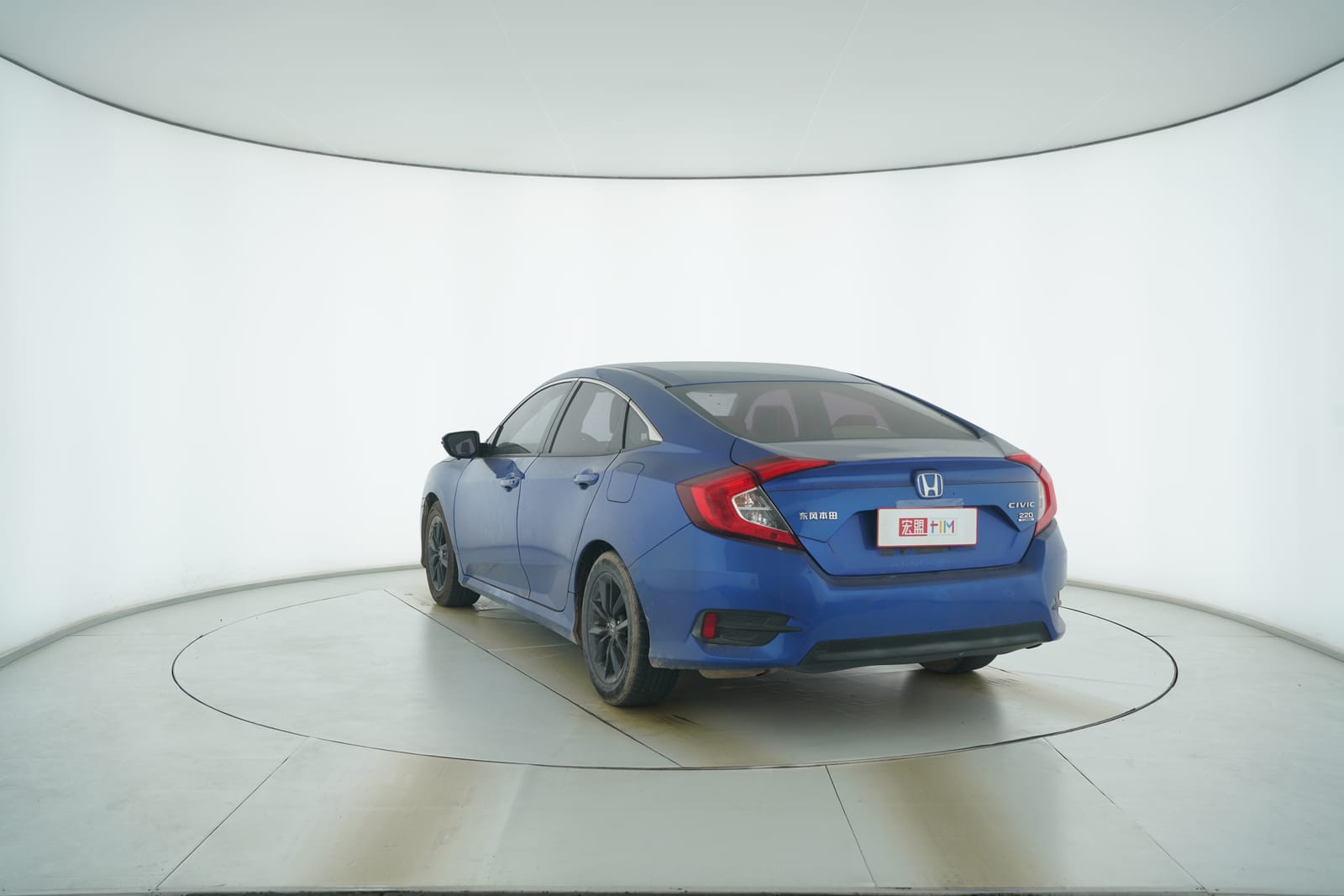
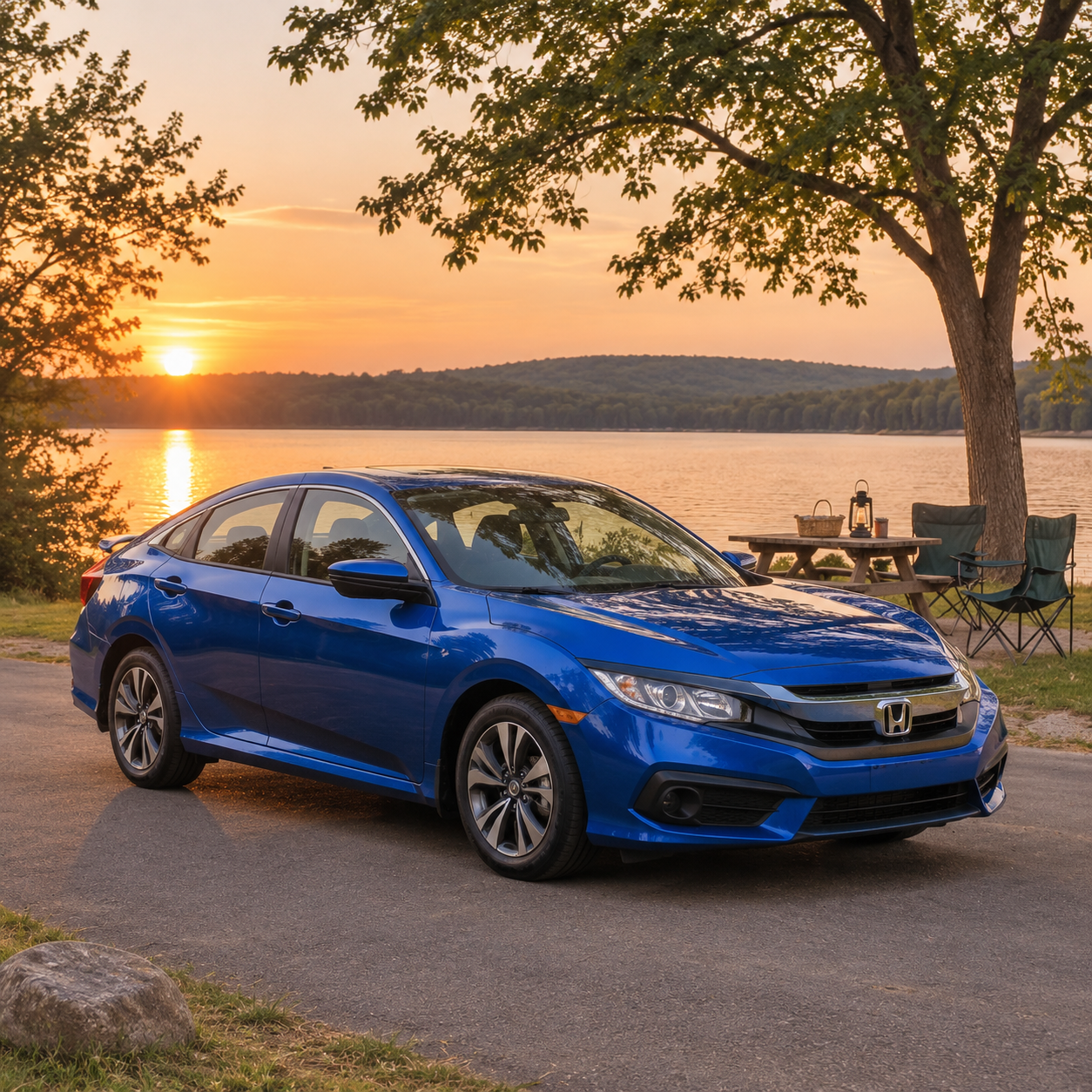
These photographs document exterior styling, visible details and colour. They do not prove engine condition, transmission health, hidden equipment, modification status or document content.
2019 Civic 220TURBO CVT Jindong, Blue
2017 Civic 180TURBO CVT Comfort, White
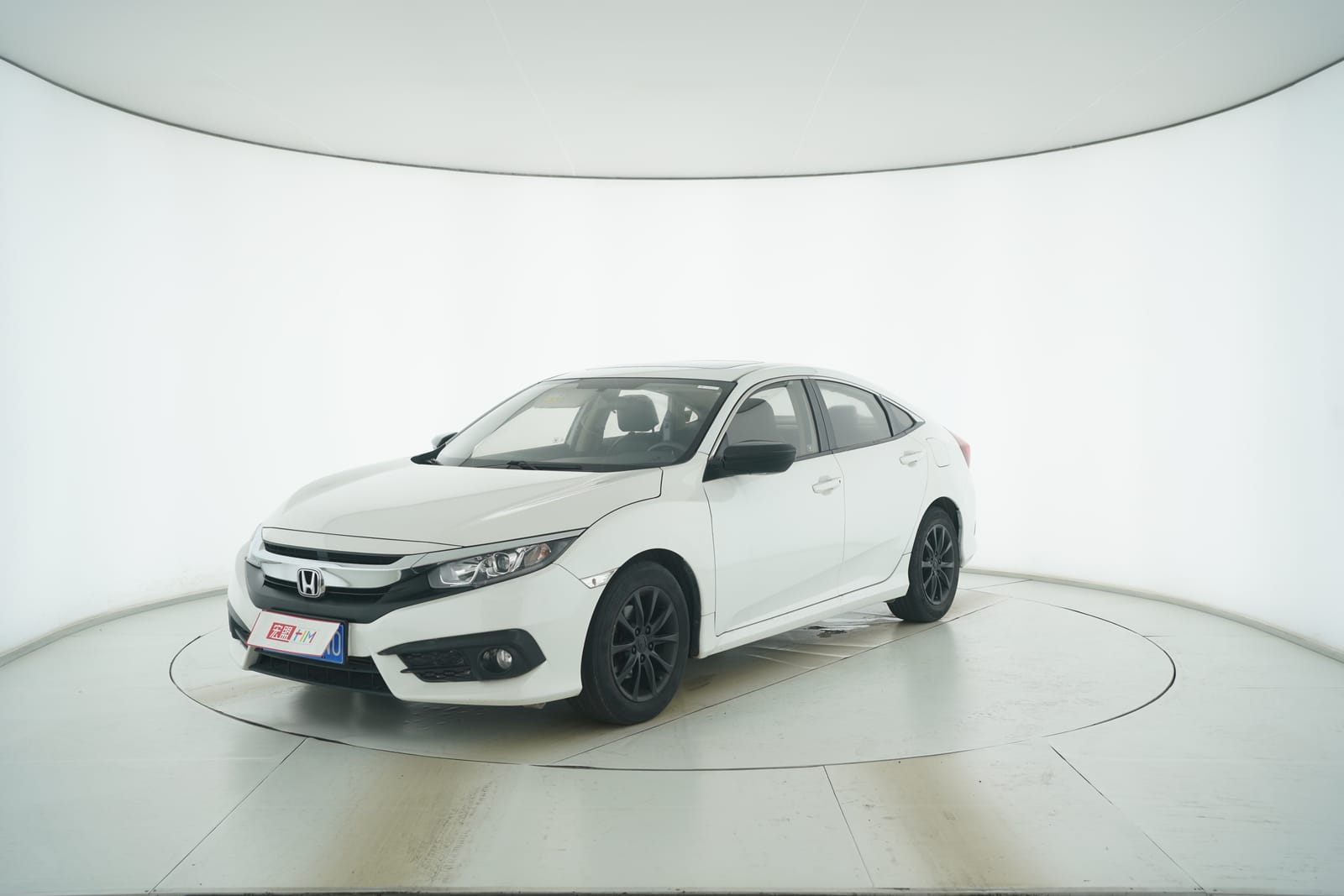
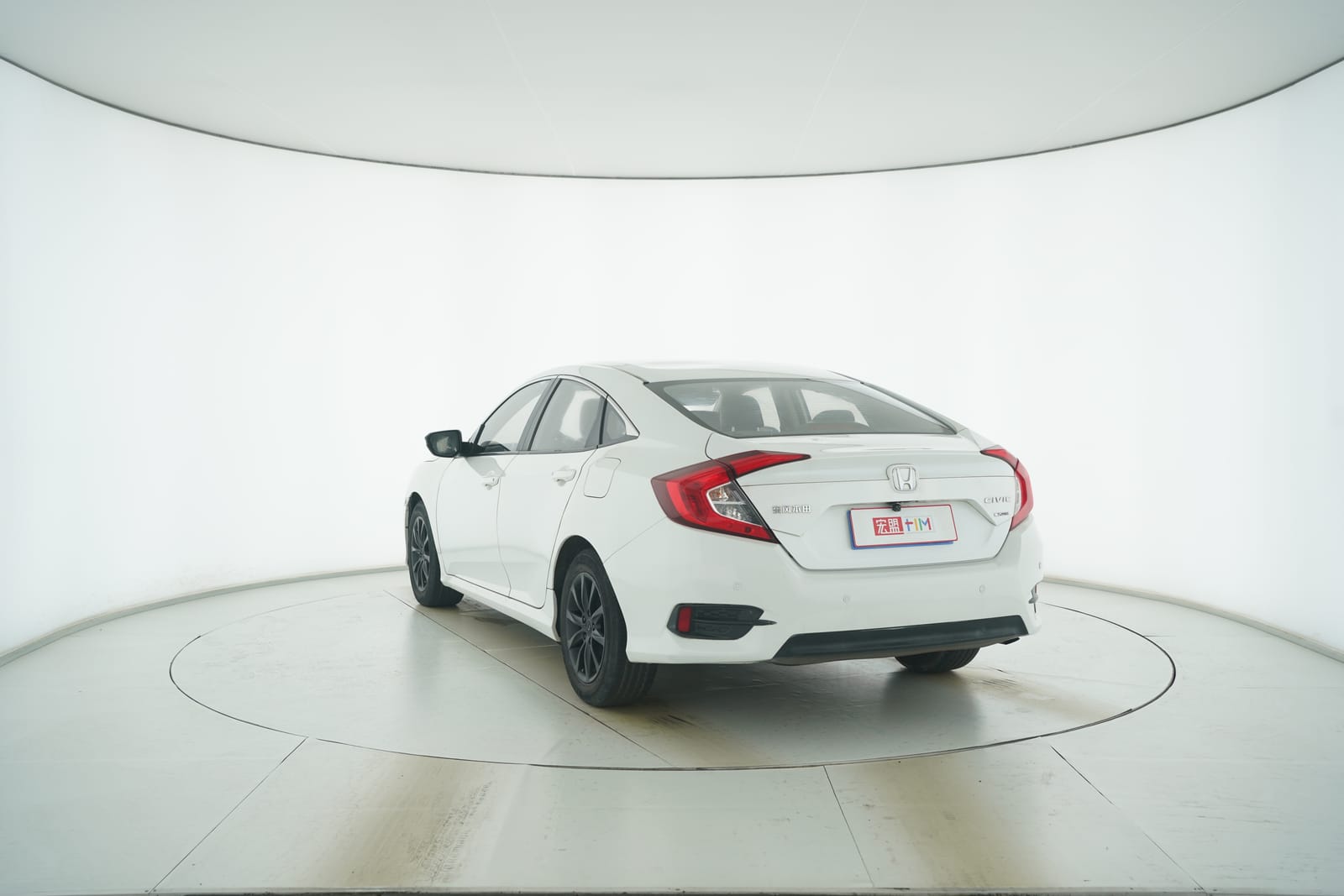
The two cars show how colour, wheels and visible styling can differ within closely related descriptions. Those visible differences do not establish power output or equipment functionality. Jindong and Comfort remain trim names rather than inspection results.
Test the Turbo Engine and CVT Cold and Hot
Begin with a cold engine. Check starting, idle, oil and coolant condition, leaks, cooling-system evidence, intake plumbing, mounts, accessory operation and stored diagnostic faults. During driving, evaluate response without treating a single burst of acceleration as a complete engine test.
With the brake applied, engage drive and reverse and observe the CVT response. Check low-speed manoeuvres, moderate acceleration, steady cruising and gentle deceleration. Note delay, shudder, unexpected engine-speed flare without matching acceleration, vibration, warning messages or repeated abnormal noise.
Repeat key checks after a longer drive. Heat can reveal behaviour hidden by a short demonstration. Investigate symptoms rather than dismissing them as normal for every turbo engine or CVT. Use vehicle-specific maintenance records and fluid specifications, not a generic schedule copied from another Honda model.
Inspect Modifications, Structure and Everyday Use
Civics may have non-factory wheels, suspension, intake, exhaust, lighting or software changes. Record visible modifications and assess their installation, condition and destination-market legality. A modified car should not be described as factory-standard merely because its exterior badges remain original.
Combine paint-thickness readings with inspection of panel gaps, weld points, pillars, suspension mounts and the underbody. Steering pull, uneven tyre wear, vibration or noises over bumps call for brake, suspension and alignment checks regardless of the TURBO designation.
Test rear access, headroom, seat belts, seat mounts, required child-seat anchors and boot operation with real occupants and luggage. Operate climate control, infotainment, cameras, parking aids and assistance systems where fitted. Inspect the luggage floor, carpets, seals and drainage paths for moisture.
Six Checks Before Export
- Verify engine identity without decoding the badge. Do not convert 180 or 220 into litres or horsepower. Match the full configuration, factory records and physical engine information.
- Test the CVT cold and fully warm. Check engagement, manoeuvres, acceleration and cruising; investigate flare, delay, shudder, leaks and warnings using vehicle-specific service information.
- Assess the turbo engine independently. Review cold starting, fluids, cooling, intake plumbing, mounts and diagnostics. A shared body or CVT label does not prove equal engine condition.
- Document modifications and equipment. Inspect non-factory parts and software changes, and operate the actual cabin and assistance functions rather than relying on Jindong or Comfort wording.
- Examine structure and running gear. Check paint, welds, mounting points, tyres, brakes, steering and suspension, and resolve pull, vibration and abnormal noises before shipment.
- Match documents and destination rules. Reconcile registration, ownership, modification and export records. The emissions standard must be verified vehicle by vehicle against the certificates supplied with that car and the destination's import requirements.
Compare Condition After Confirming the Badge
A 220TURBO label does not remove the need to inspect the engine and CVT, and a 180TURBO label does not define the car's maintenance condition. Trim names and styling likewise do not prove which vehicle has the more reliable history or the equipment required by an importer.
The stronger export choice is the individual Civic with verified identity, sound structure, normal cold-and-hot operation, understood modifications and consistent documents. Start with 180TURBO or 220TURBO as a naming clue, then complete the mechanical and documentary assessment on the car itself.

Latin America Used Car Import Guide 2026: Mexico, Brazil, Chile & Peru
Latin America Market Desk
Central Asia Used Car Import Guide 2026: Kazakhstan, Uzbekistan, Kyrgyzstan & Tajikistan
Central Asia Market Desk

China Used Car Export Policy 2026: Complete Guide
Policy Analysis Team