Honda Accord Buying Guide for Export Buyers: 260TURBO, Hybrid and Generation Checks
The Chinese-market Honda Accord spans several generations and distinct powertrains, so a model-year label alone is not enough. This guide explains the tenth-generation cars, why 260TURBO means a 1.5-litre turbo rather than a 2.6-litre engine, how hybrid inspection differs, and what to check on the CVT, chassis, electronics and export documents before purchase.
Start With the Generation, Not Just the Model Year
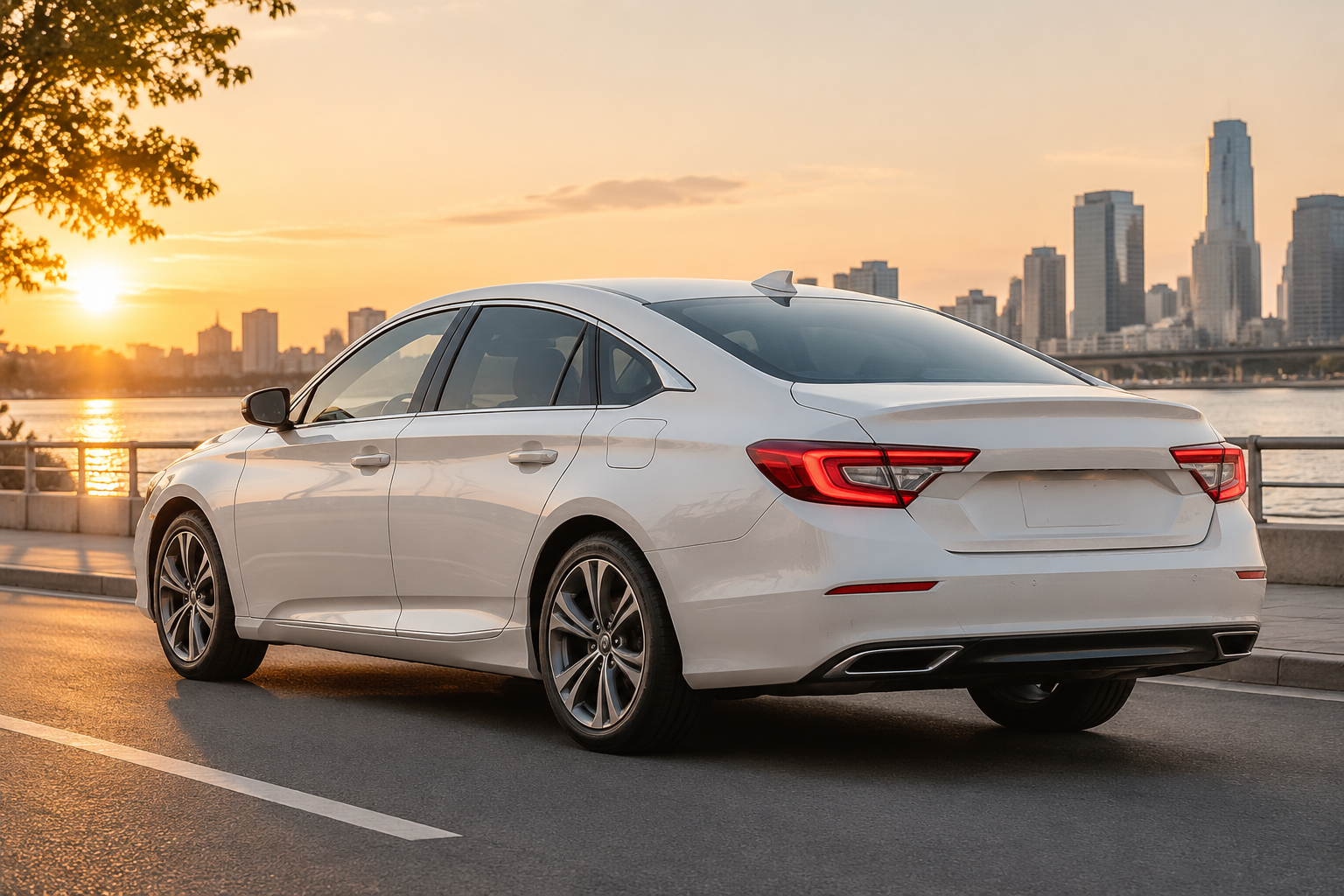
The Honda Accord is a road-focused midsize sedan, with Chinese-market examples produced by GAC Honda. For an export buyer, the first task is to separate the generations and powertrains rather than treating every Accord as the same car with a different year label.
The tenth-generation Accord reached the Chinese market in 2018. Later model-year cars within this generation can have revised lights, bumpers, wheels and cabin electronics without becoming the next generation. A 2022 model-year example can therefore still belong to the tenth-generation family. The subsequent eleventh generation has a different body and dashboard architecture and should not be identified from a casual silhouette alone.
Use the registration documents, exact trim name and vehicle identification information to establish the version. Photographs help compare exterior details, but they cannot prove the engine, transmission or factory equipment by themselves.
What 260TURBO Actually Means
On these Chinese-market cars, 260TURBO identifies a 1.5-litre turbocharged petrol powertrain, not a 2.6-litre engine. It is commonly paired with a continuously variable transmission. The number is a Honda trim designation, so it should never be read as displacement.
This matters when comparing an Accord with older naturally aspirated versions or with a hybrid. Older 2.0- and 2.4-litre cars have different service requirements, while the 2.0-litre hybrid adds electric drive, power electronics and a high-voltage battery. Their diagnostic routines and wear items are not interchangeable.
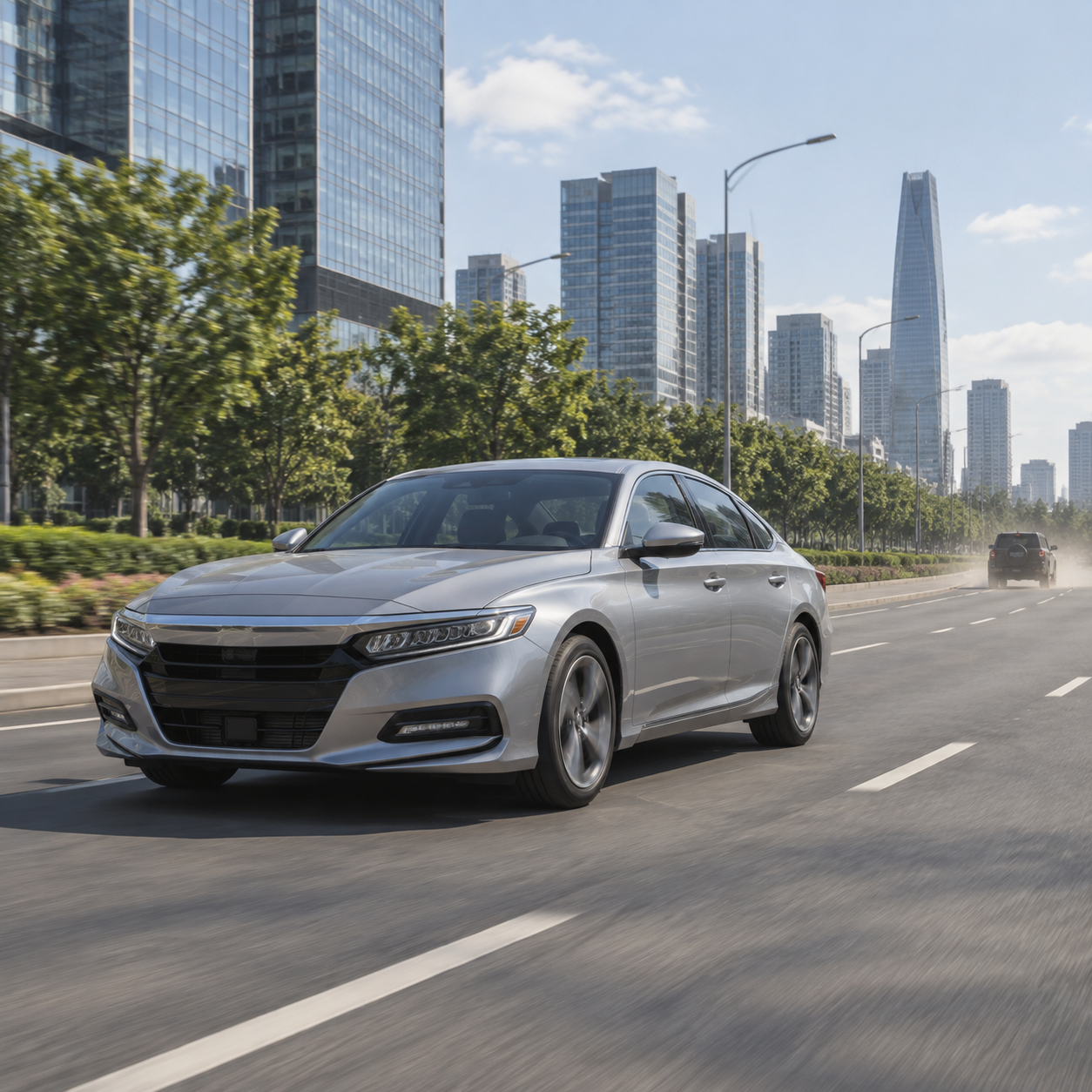
Do not transfer maintenance advice from one powertrain to another. A petrol CVT car needs careful checks of transmission behaviour and fluid history; a hybrid also needs system-level diagnostics and inspection of its electrical cooling components.
What the Real-Car Photographs Show
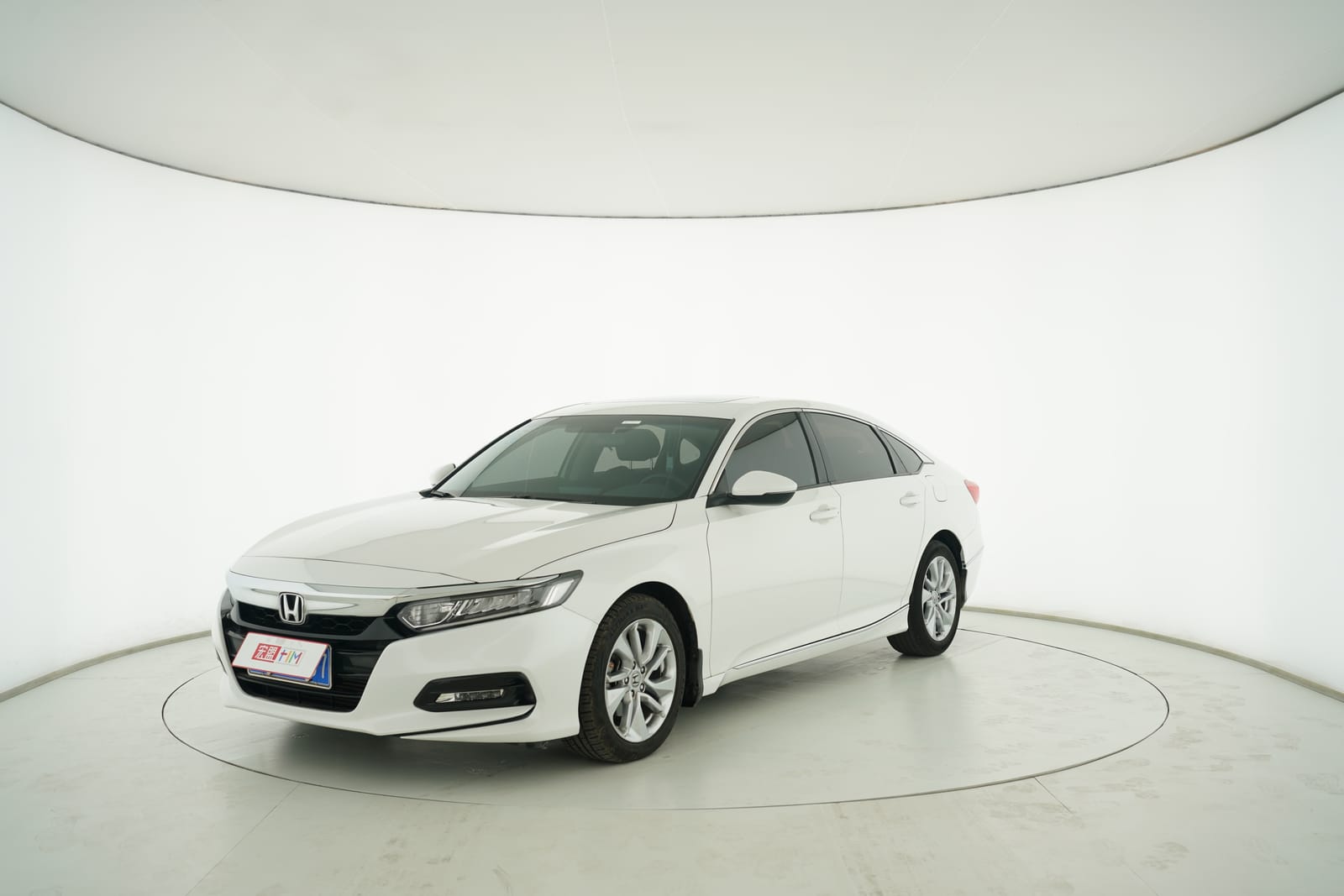
The real-car images below document exterior appearance and colour. They are useful for comparing body style and visible trim, but they do not replace an inspection or establish equipment hidden inside the car.
2018 Accord 260TURBO Elite, White
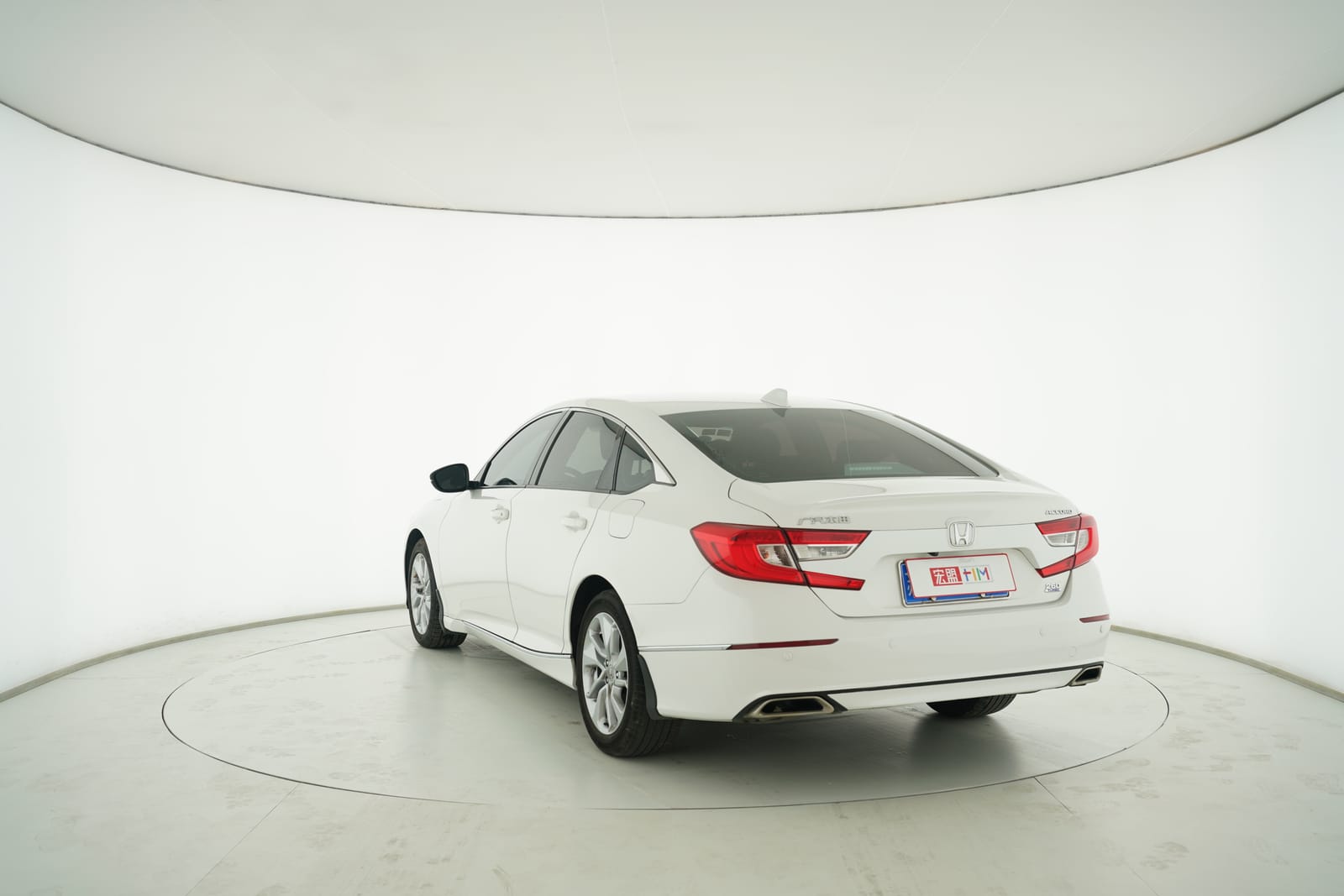
2022 Accord 260TURBO Luxury, White
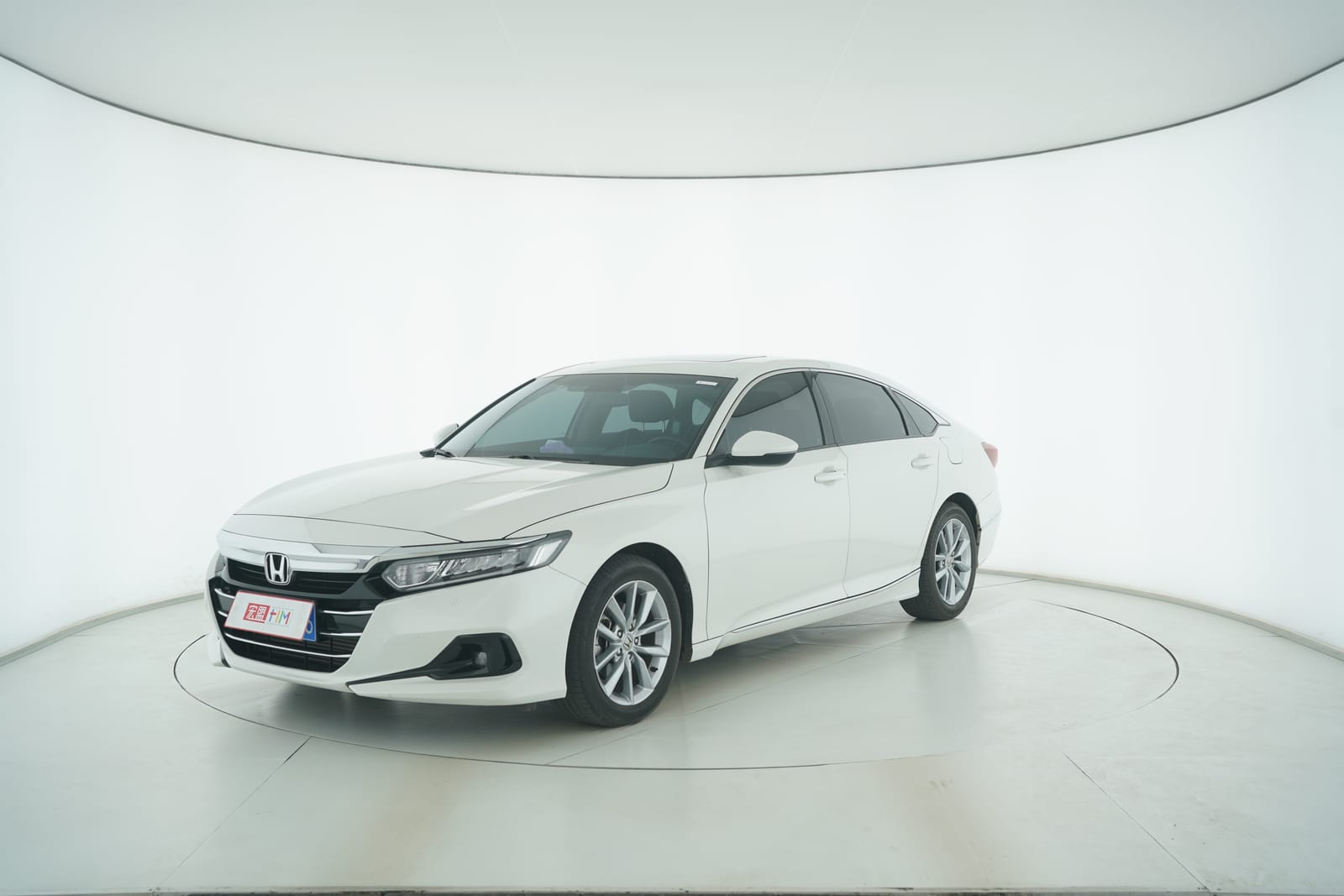
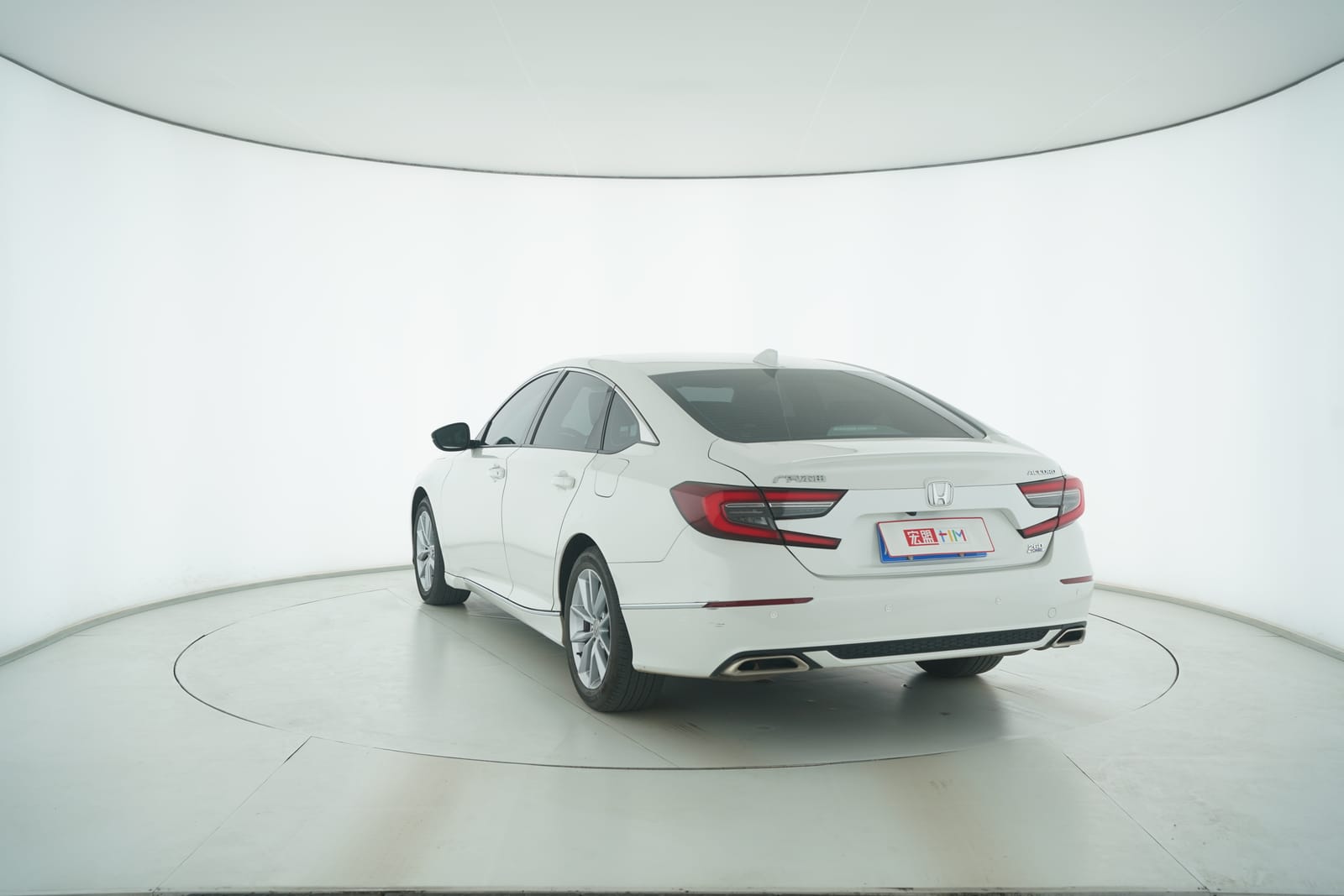
The year and trim names should always be matched to the documents for the specific vehicle. Equipment can vary across production dates and configurations, even when two cars carry similar exterior badging.
Sedan Practicality Depends on More Than Cabin Space
The Accord's low roofline and long cabin are central to its road manners and passenger accommodation. Check rear-seat comfort, headroom, seat-belt operation and the condition of the seat mounts rather than relying on the model's general reputation. Inspect the boot opening, load floor, hinges and water channels for repair marks or moisture.
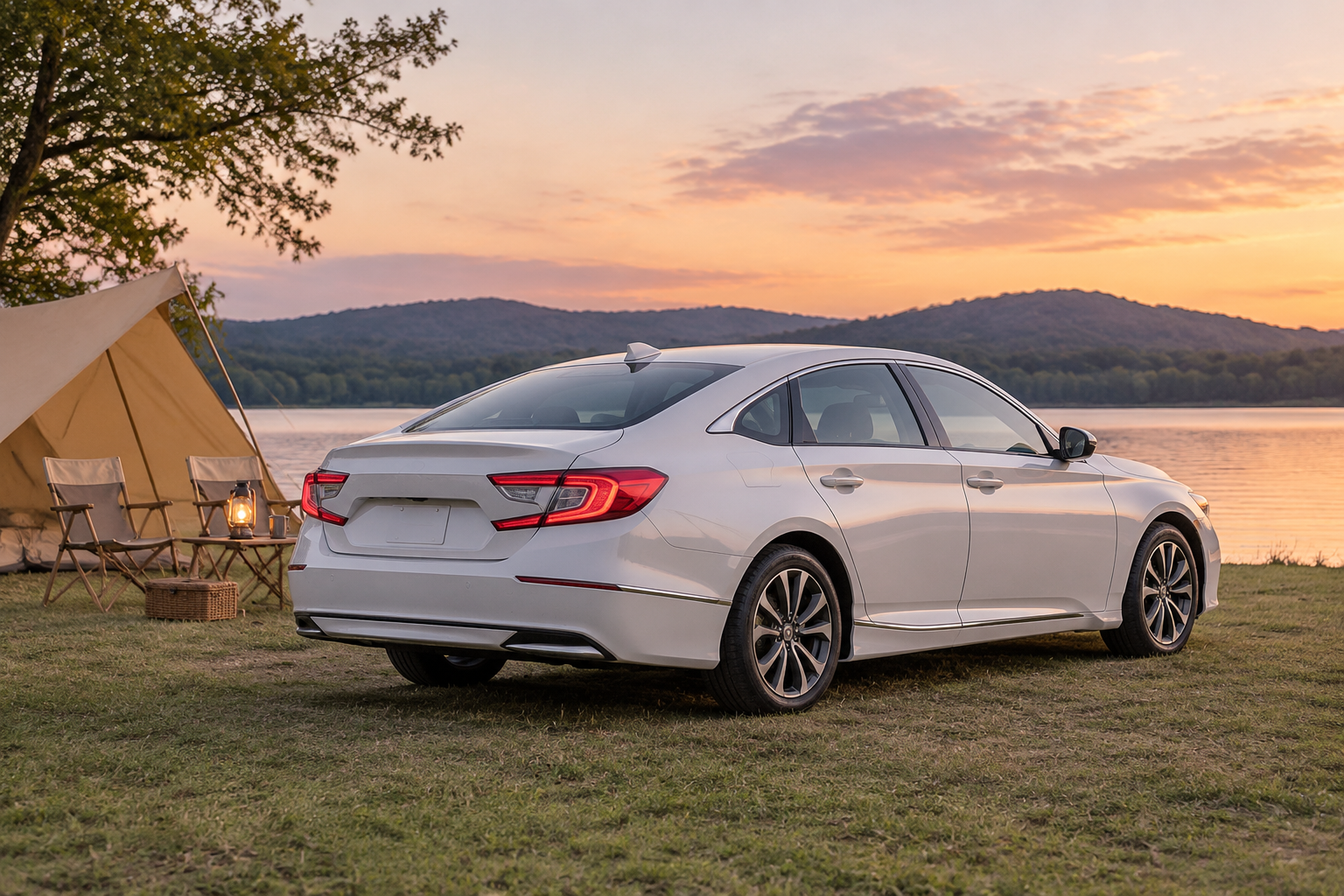
Wheel and tyre specifications can differ by trim. Uneven tyre wear, steering pull, vibration or knocking over bumps may point to alignment, suspension or previous repair issues. A clean cabin and glossy paint do not resolve those mechanical questions.
Inspection Priorities Before Export
- Test the CVT from cold and fully warmed. Look for delayed engagement, flare, shudder, abnormal noise or warning messages. Review fluid-service evidence rather than relying on a single short drive.
- Inspect the 1.5 turbo as a complete system. Check oil and coolant condition, leaks, hoses, cold-start behaviour and diagnostic fault history. Modifications or poor repairs require closer scrutiny.
- Give a hybrid its own inspection routine. If the car is a hybrid, obtain battery and power-electronics diagnostics, inspect cooling paths and confirm that no high-voltage warnings are present.
- Check the body structure and chassis together. Panel gaps, paint thickness, weld points, suspension mounts and underbody damage can reveal repairs that exterior photographs do not show.
- Verify driver assistance and cabin electronics physically. A trim name does not prove that every camera, radar, parking function or connected feature is fitted and operational.
- Match every document to the car. Confirm registration, ownership and export paperwork. The emissions standard must be verified vehicle by vehicle against the certificates supplied with that car and the destination rules.
Choosing the Right Accord
A 260TURBO example suits buyers who want the tenth-generation sedan with a turbo petrol drivetrain, provided its CVT history and condition stand up to inspection. A hybrid may appeal to drivers who prefer electrified operation, but it requires a different diagnostic skill set and should not be assessed only as a petrol car with extra badges.
Older Accords can offer simpler mechanical layouts, yet age makes cooling systems, suspension bushings, electronics and previous repairs more important. In every case, a specific car's documented maintenance, structural condition and export eligibility matter more than a broad reliability reputation.

Latin America Used Car Import Guide 2026: Mexico, Brazil, Chile & Peru
Latin America Market Desk
Central Asia Used Car Import Guide 2026: Kazakhstan, Uzbekistan, Kyrgyzstan & Tajikistan
Central Asia Market Desk

China Used Car Export Policy 2026: Complete Guide
Policy Analysis Team