Haval H6 Buyer Guide: China's Volume Compact SUV, Generation by Generation
The H6 is the car most Chinese families name first when they want a compact SUV. This guide explains its generations, what the trim names actually mean, how it drives, what to inspect before buying and what to plan for export.
Why the H6 Is Still the Default Answer
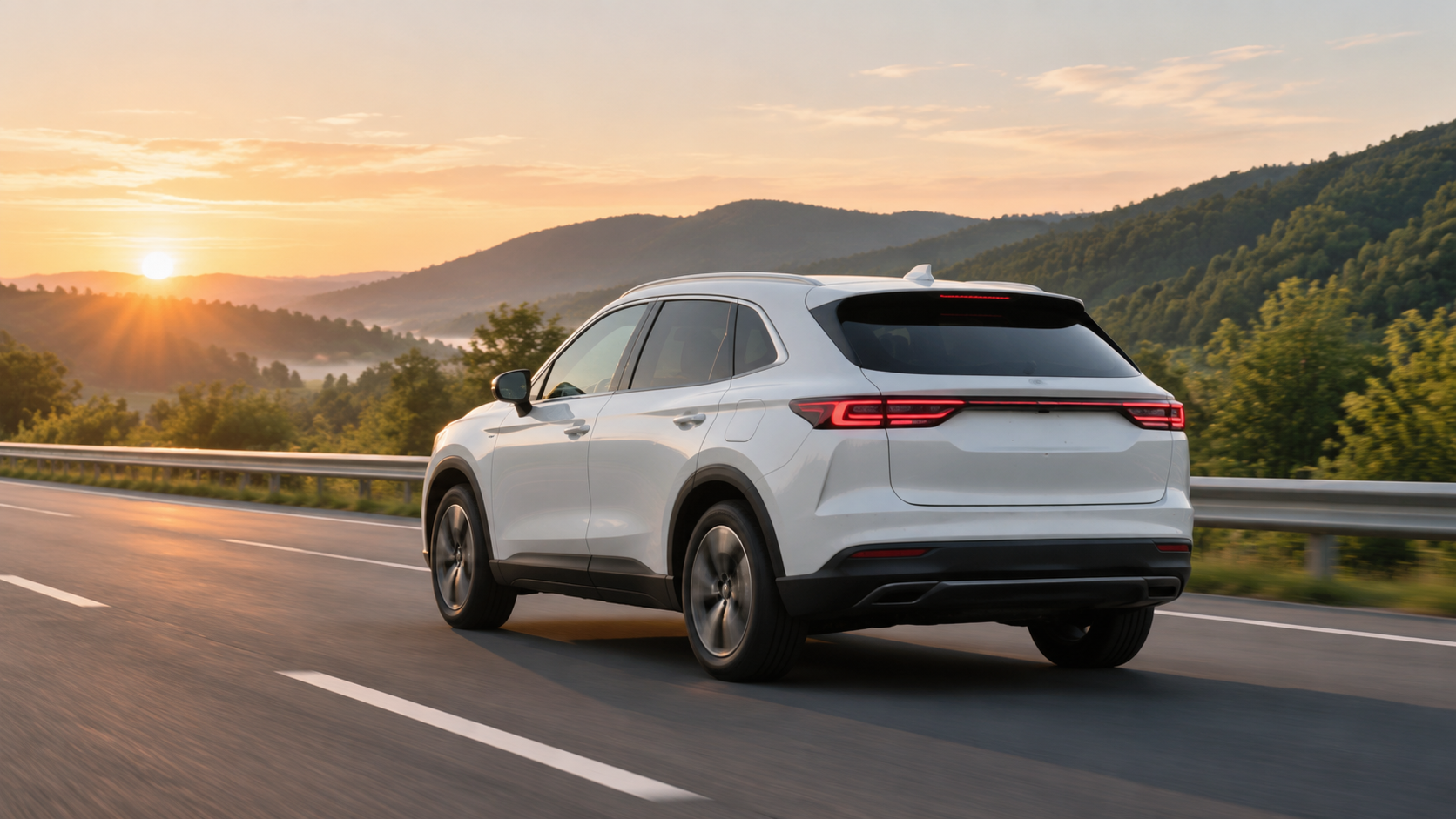
Ask a Chinese buyer for a first family SUV and the Haval H6 comes up before almost anything else. Launched in 2011, it spent years at the top of China's SUV sales charts and built a reputation closer to a household appliance than a status object: unglamorous, widely serviced and cheap to keep running.
For export buyers that reputation matters more than any single specification. A model sold in very large numbers for a long time has three things a niche import lacks: a deep pool of used stock in predictable condition, parts availability outside China, and independent mechanics who already know how to fix it.
One Name, Several Generations
The H6 name has covered several distinct vehicles:
- First generation (from 2011): the original five-seat SUV that made the name.
- Second generation (from 2017): a larger, more polished car with a wider grille and more equipment.
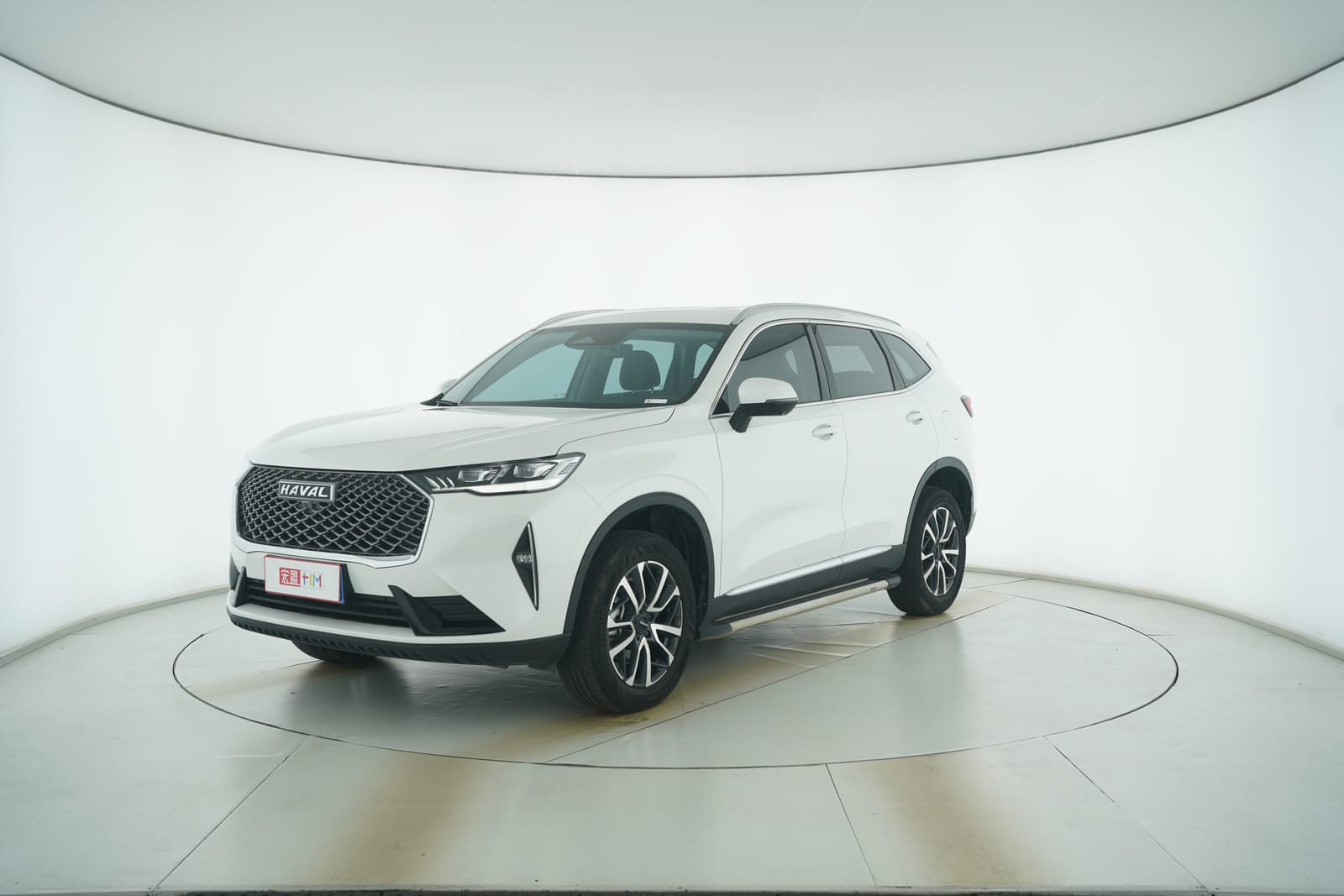
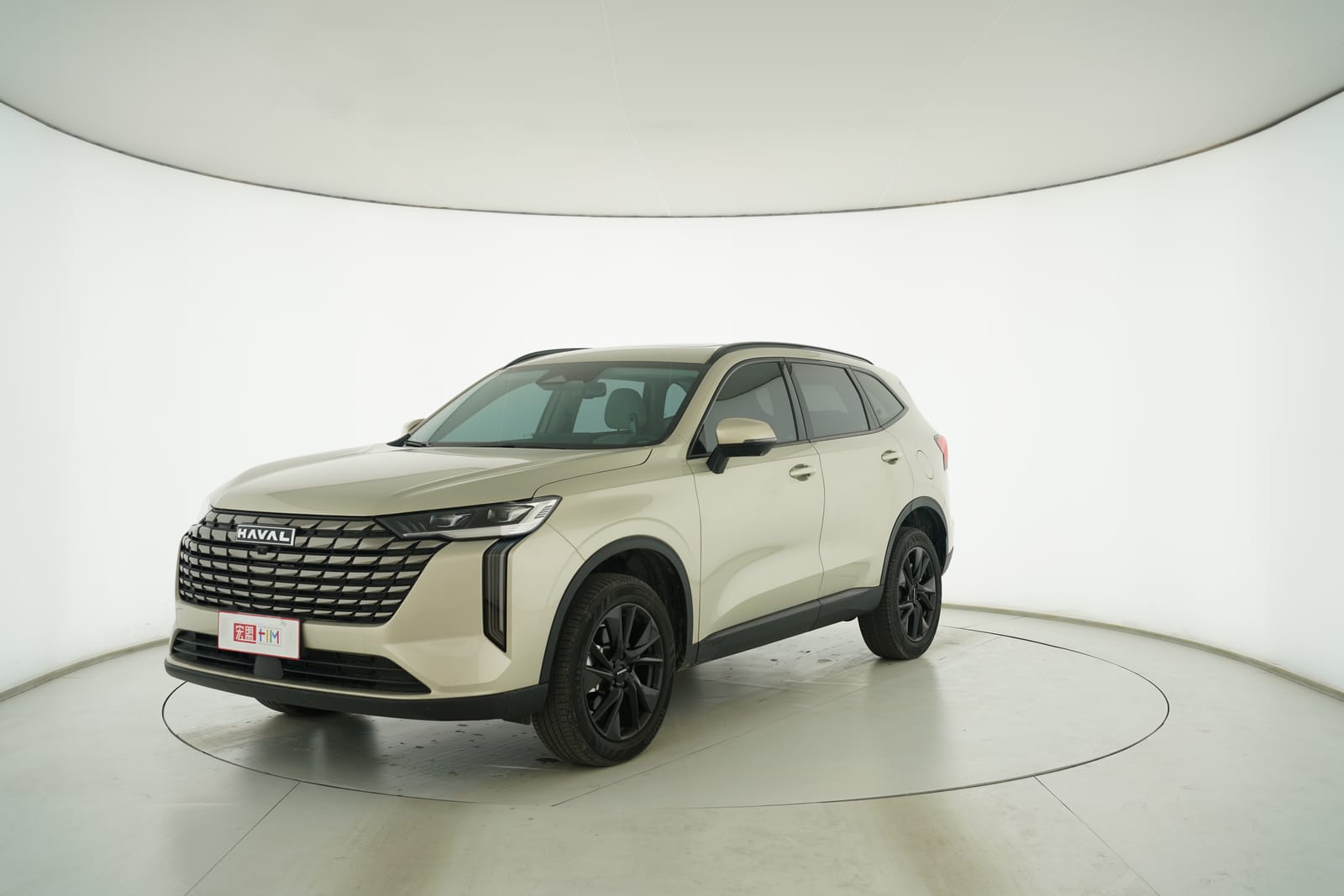
- Third generation (from 2020): the current platform, with a longer wheelbase, a more upright cabin and a different front-end design.
- Guochao edition (from 2021): a value-focused model built on the second-generation platform, sold alongside the third-generation car.
- H6S: a sportier-looking body variant from the early 2020s.
- DHT and DHT-PHEV: hybrid and plug-in hybrid versions introduced from 2022.
- H6L: a longer variant that appears in recent model-year listings.
This matters when comparing listings: two cars sold as "H6" can be a decade apart in design and completely different to drive. Always check the model year and the generation before comparing anything else.
Decoding the Trim Names
Chinese trim names are where most importers get lost. The common suffixes on H6 listings:
- Urban edition (都市版): the entry trim, basic equipment, often a simpler upholstery.
- Elite (精英型): one step up, usually adding alloy wheels and a touchscreen.
- Champion (冠军版): a mid-to-high trim offered across several model years.
- Max: usually the comfort-focused trim with a larger screen and more driver assistance.
- Ultra: the top of the mainstream range, with the fullest equipment list.
- Classic edition (经典版): a value version of the third-generation car, keeping the newer body and platform with a shorter equipment list.
- Guochao edition (国潮版): the second-generation-based value line described above.
- 两驱 / 四驱: two-wheel drive or four-wheel drive.
- 自动 / 双离合: automatic or dual-clutch gearbox.
A "1.5T two-wheel-drive Ultra" and a "1.5T two-wheel-drive Classic edition" are both 2024 H6s, but they are not the same car inside.
What the Cabin and Space Are Like
The third-generation H6 is a five-seat family SUV with a flat rear floor and a boot that takes a family's luggage without folding the seats. Rear legroom is generous for the class and the door openings are wide, which matters for older passengers.
The cabin is practical rather than luxurious. Expect hard plastics in the lower half, a large central touchscreen on higher trims, physical climate controls on most versions and a conventional gear selector. Classic-edition cars keep the same cabin architecture with a shorter equipment list.
How It Drives
The H6 has been sold mainly with 1.5T and 2.0T turbocharged four-cylinder engines and a seven-speed dual-clutch, with manual gearboxes and older automatics in early cars. The 1.5T is the volume choice: adequate in town and on the highway, lighter on fuel and cheaper to maintain. The 2.0T is the better pick for a car that will spend its life loaded on the highway.
Ride quality is comfortable rather than sporty. Steering is light, the suspension absorbs broken surfaces well and the car is quiet at cruising speed for its class. It is not a car bought for driving pleasure.
The hybrid and plug-in hybrid versions change the character: smoother at low speed and cheaper to run if you can charge. They also add a battery and a high-voltage system to inspect.
What to Check Before Buying
- Which generation and model year. Confirm from the registration document and the body shape, not from the listing title.
- Gearbox behaviour. Drive from cold and check for hesitation or judder at low speed, the usual weak point of dual-clutch cars. Confirm the last gearbox service.
- Suspension and steering noises over broken road.
- Screen and electronics. Test the touchscreen, reversing camera, air conditioning and every window switch.
- Body and paint. Look for repaired panels and mismatched paint on the bumpers and tailgate.
- Service history and whether the car was maintained at a dealer.
- Emission standard. Chinese listings and documents use different labels, and the label does not always match what is on the car. Verify each vehicle against its own certificate rather than the model's general reputation.
Export Notes
- Parts. The H6 is one of the easier Chinese SUVs to source parts for, but specify the generation when ordering. Second- and third-generation parts do not interchange.
- Service skills. The mechanical layout is conventional and independent workshops outside China are usually comfortable with it. The dual-clutch and hybrid systems need a workshop with the right diagnostic tool.
- Documents. Confirm that the certificate of conformity, invoice and export licence match the vehicle identification number before the car leaves the yard.
- Right-hand drive. The H6 was built for left-hand-drive markets. Check the import rules of the destination country before assuming it can be registered.
- Climate equipment. Cars built for the Chinese market are generally well specified for hot climates, which suits African, Middle Eastern and Southeast Asian buyers.

FAQ
Is the H6 reliable? The mechanical package is simple and well understood. The dual-clutch gearbox and the electronics are the parts that need checking.
Should I buy the 1.5T or the 2.0T? The 1.5T for city and mixed use, the 2.0T if the car will spend its life loaded on highways.
Is the Guochao edition an older car? It uses the second-generation platform but was sold alongside the third-generation car, so a Guochao edition can be newer than its body shape suggests. Check the model year.
Can I export a hybrid H6? Yes, but battery age, high-voltage inspection and destination-country rules for hybrid imports need to be confirmed first.
Next Step
If you are comparing H6 listings, send us the model year and the trim name of each car you are considering. We can confirm which generation it is, what the trim includes and what documentation will travel with the vehicle. Emission compliance is confirmed per vehicle against its own certificate, not by model.

Latin America Used Car Import Guide 2026: Mexico, Brazil, Chile & Peru
Latin America Market Desk
Central Asia Used Car Import Guide 2026: Kazakhstan, Uzbekistan, Kyrgyzstan & Tajikistan
Central Asia Market Desk
China Used Car Export Policy 2026: Complete Guide
Policy Analysis Team