Changan CS75 PLUS: China's Value Family Crossover, Generation by Generation
The CS75 PLUS is the upscale branch of Changan's long-running CS75 family and one of China's highest-volume compact crossovers. A 2025 fourth-generation car in grey and a 2023 third-generation car in white show what changed between them, what the 1.5T and 2.0T versions feel like, and what an export buyer should inspect before shipping one.
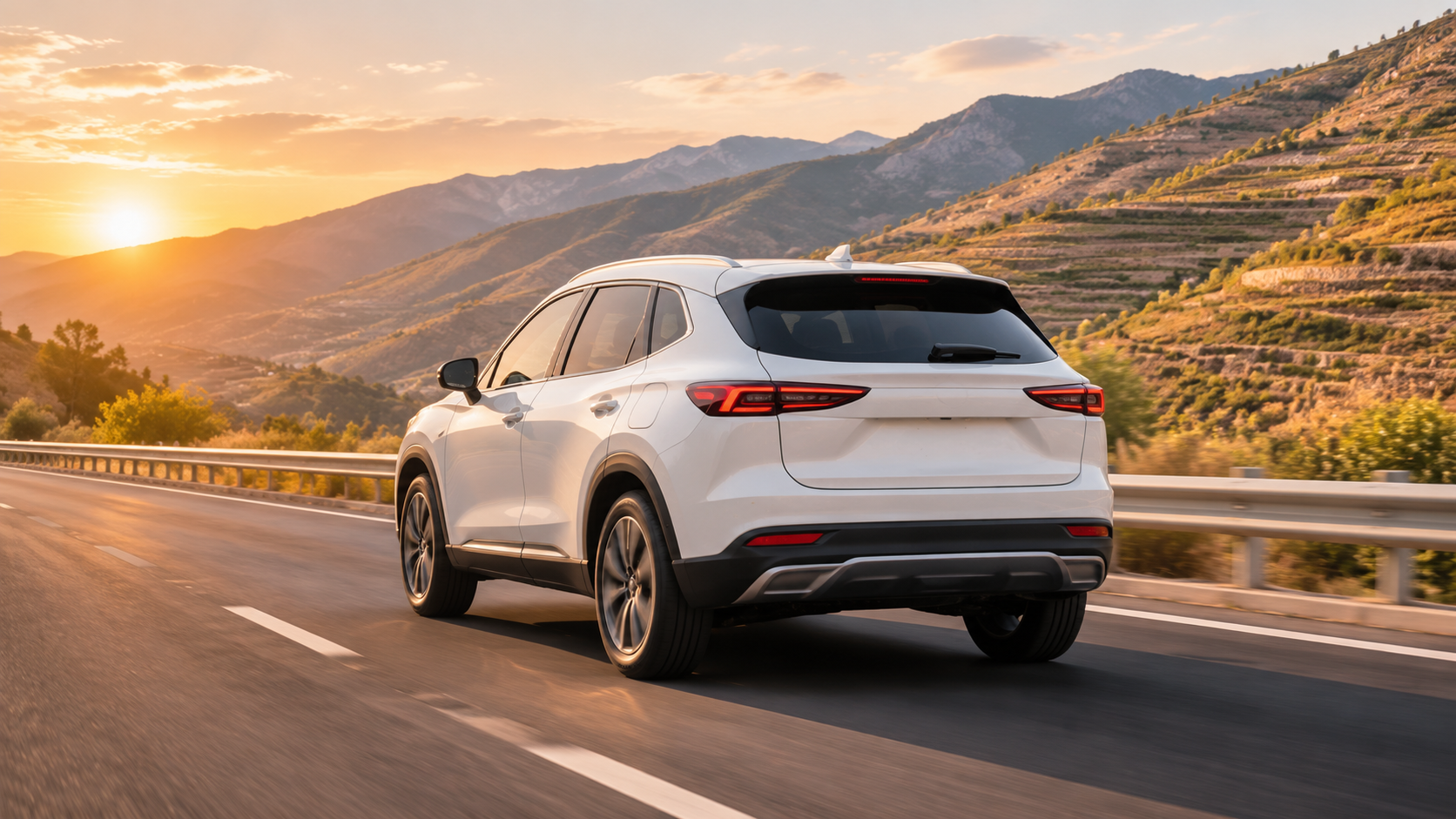
The Car Behind the Numbers
Changan is one of China's oldest state-owned automakers, based in Chongqing, and the CS75 has been its core family SUV since 2014. The CS75 PLUS arrived in 2019 as the more expensive, more polished branch of that family: same name, different body, better materials and a wider engine range.
That history explains something buyers abroad find confusing. "CS75" is not one car. It is a family that has been sold in parallel lines, updated generation by generation, and often listed under similar names. Two cars advertised as CS75 PLUS can be a generation apart, with different engines, different interiors and different driver-assistance hardware.
The two cars here are a good example.
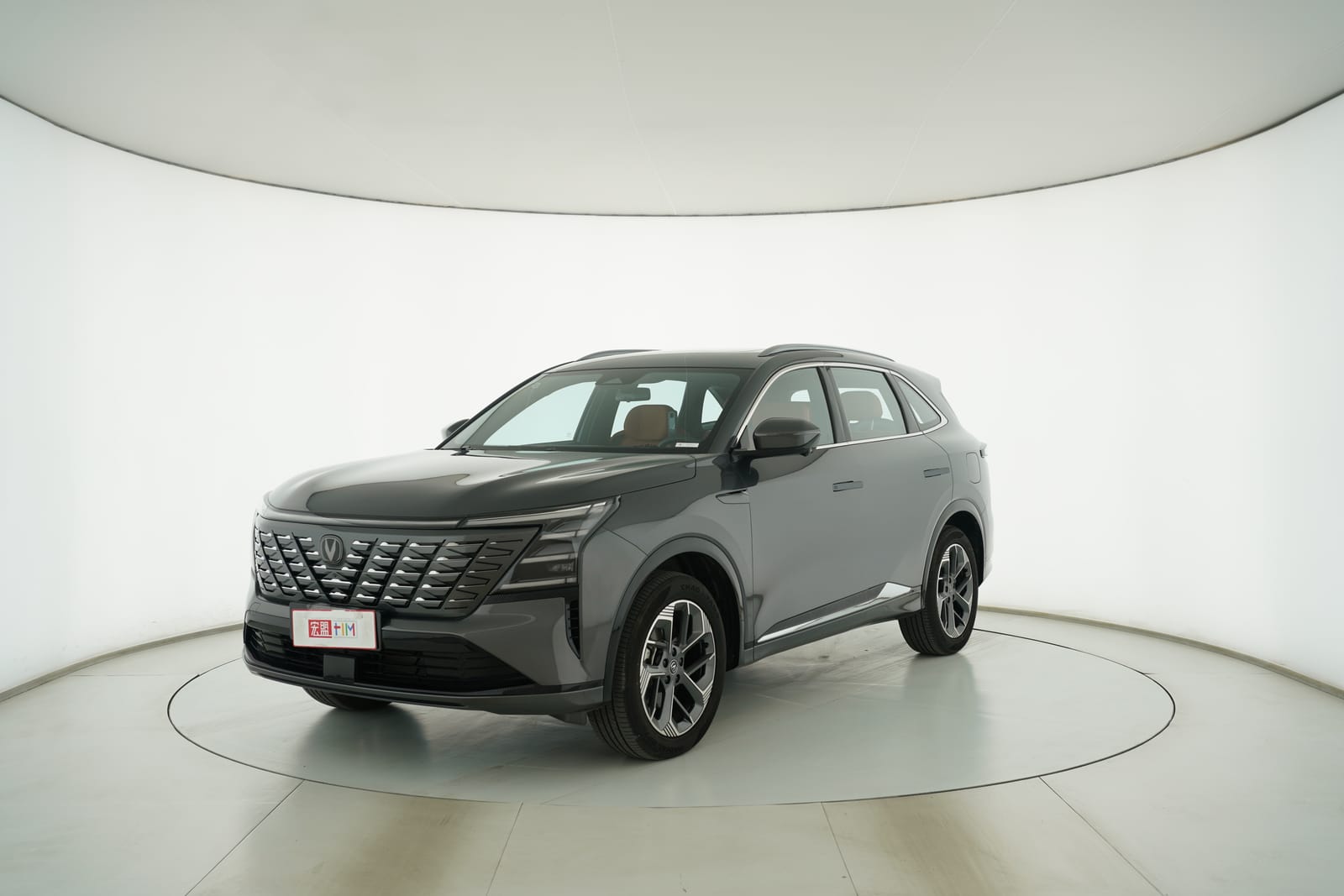
*2025 Changan CS75 PLUS, fourth generation, grey.*
Three Generations, One Name
First generation (2019). The car that established the CS75 PLUS name: a compact five-seat crossover with turbocharged engines and a more upmarket cabin than the base CS75.
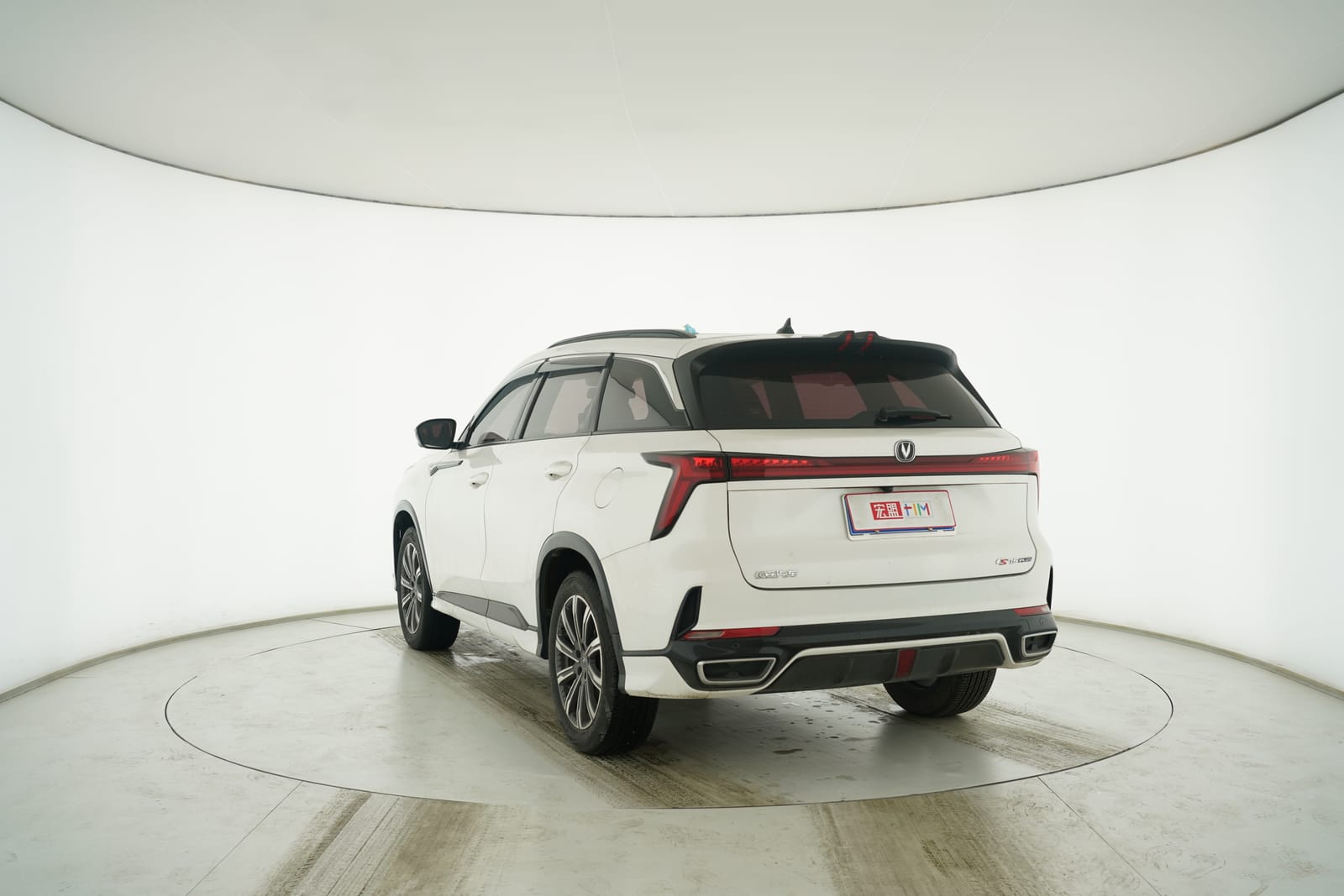
Second and third generations (2021-2023). Progressive updates to the same body and platform, with revised front-end styling, larger screens and more equipment. The white car in these photographs is a third-generation example.
Fourth generation (2024-2025). A new body with flush door handles, a revised grille and the latest Blue Core engine family. The grey car in these photographs is a fourth-generation example.
The changes are visible side by side. The fourth-generation car has flush, electrically presented door handles; the third-generation car has conventional pull handles. The front-end treatment also differs: the newer car's grille is smoother and more integrated, the older car's is more upright and geometric.
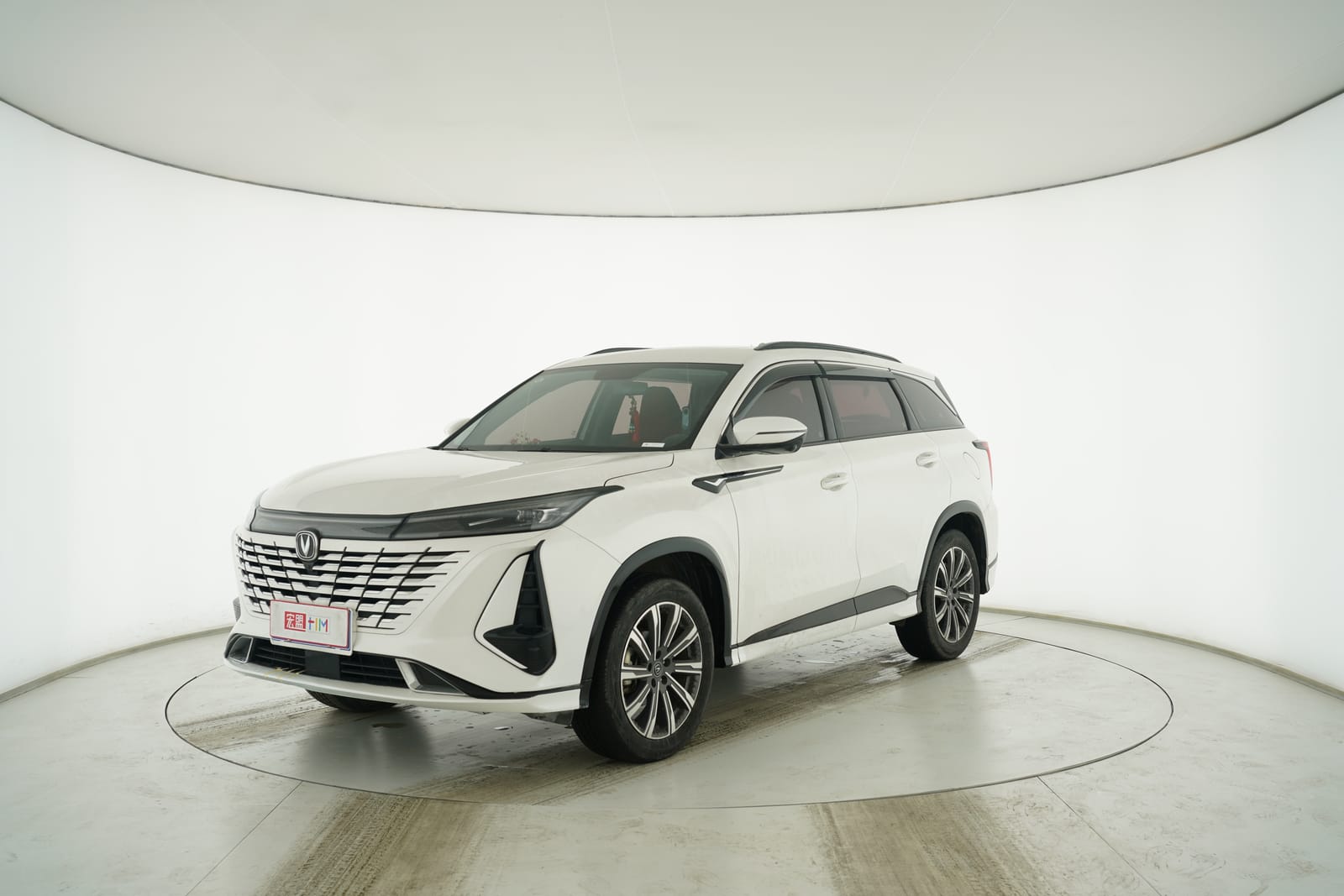
*2023 Changan CS75 PLUS, third generation, white.*
Engines and Versions
The CS75 PLUS has been sold mainly with two turbocharged four-cylinder petrol engines:
- 1.5T — the volume choice. Enough for family use, lower running costs, and the version most export buyers will encounter.
- 2.0T — more power for loaded cars and mountain roads, higher fuel consumption and higher purchase price.
Drive is to the front wheels. The exact gearbox depends on the model year and version: the CS75 family has been sold with both dual-clutch and conventional torque-converter automatics, and the badge is not always enough to tell. Confirm the gearbox of the specific car from its documents rather than from the listing title.
Changan's own branding calls the engine family "Blue Core" (蓝鲸). Treat it as a marketing name for a line of engines, not proof of any particular specification.
Inside
The cabin is the reason the PLUS exists. Compared with the base CS75, the PLUS gets a larger central screen, softer materials and a more modern layout.
In the fourth-generation car the interior is organised around a wide central display and a slim instrument panel, with most functions in the touchscreen. The third-generation car uses a more conventional twin-screen layout. Physical controls are limited in both; climate and audio are largely screen-based.
Space is typical for the class: four adults fit comfortably, five for shorter trips, and the boot is deep enough for a family's luggage. Rear seat backs split and fold, which is what most buyers actually use.
One point matters for export buyers: the interface, voice control and connected services are designed around the Chinese market. Check whether the language can be changed, whether navigation can be replaced for your region, and whether the car needs a Chinese account for any function you intend to use.
How It Drives
The CS75 PLUS is tuned for comfort and ease rather than sport. The 1.5T is adequate around town and on ordinary highways, and the 2.0T is the better choice if you regularly carry a full load or climb long grades. Steering is light, the ride is on the soft side, and sound insulation is good for the price.
Driver assistance varies enormously by year and trim. Later cars offer adaptive cruise, lane keeping and a camera-based surround view. Early cars may have little more than a reversing camera. Check the specific car's equipment and, importantly, test whether the assistance functions work outside China, because some rely on mapping and data services that are region-specific.

What to Check Before Buying
The CS75 PLUS is a mainstream car built in very large numbers, which is good news for parts and bad news for the used market: condition matters more than rarity.
- Engine and turbo. Listen from cold, check for oil leaks around the turbo and the valve cover, and look for blue smoke on start-up.
- Gearbox. Drive from cold and warm. A dual-clutch can feel hesitant at low speed by design; shuddering, clunks or delayed engagement are not.
- Infotainment and cameras. Test every screen, camera and speaker. Some units develop dead pixels or unresponsive touch areas.
- Electrical systems. Check the windows, mirrors, seats, sunroof and powered tailgate. Water ingress into the cabin can damage connectors under the carpets.
- Suspension and tyres. The car is heavy for its size; look for worn bushes, leaking dampers and uneven tyre wear.
- Body and paint. Check panel gaps, especially after a front-end repair, and look under the sills and wheel arches for rust.
- Service history. These are high-volume cars, so a complete history should be easy to obtain. A missing history on a four-year-old car is a warning sign.
- Documents. Confirm the model year and trim from the registration document, not the listing title. Emission compliance is confirmed per vehicle against the certificate that travels with that car, not by model.
Export Notes
- Left-hand drive only. Changan builds the CS75 PLUS for left-hand-drive markets. Confirm the import rules of the destination country before committing.
- Parts. The model is common in China and increasingly common in export markets, but service coverage varies. Check that filters, brake parts and body panels can be sourced locally before you rely on the car as a daily driver.
- Fuel quality. Turbocharged direct-injection engines are sensitive to fuel quality. In markets with high-sulphur petrol, plan shorter service intervals and use the recommended grade.
- Software and connectivity. Confirm that the infotainment can be set to a usable language and that navigation can be replaced. Do not assume that connected features will work abroad.
- Documentation. Keep the invoice, certificate of conformity, export licence and vehicle identification number consistent with each other. Emission rules are decided per vehicle, not per model.
Which One to Choose
The grey fourth-generation car is the newer design: flush handles, the latest engine family and the most modern cabin. It is the better car if your budget allows and you want the longest remaining service life.
The white third-generation car is the pragmatic choice. It has the same core package, a more conventional interior and simpler electronics, which makes it easier to service in markets where the model is new.
For most export buyers, the deciding factor will not be the generation but the individual car: service history, gearbox type, rust and whether the electronics work as they should.
FAQ
Is the CS75 PLUS the same as the CS75? No. The PLUS is a separate, more expensive model line with its own body and interior.
Is it all-wheel drive? No. The CS75 PLUS is front-wheel drive.
Petrol or hybrid? The versions covered here are petrol. Changan has added electrified variants over time, but they are a different proposition and should be checked separately.
Can it be exported? Yes, it is left-hand drive, but charging, connectivity, parts and emission rules should be checked before purchase.
What is the biggest risk? Electronics and software support outside China, followed by turbo and gearbox condition on neglected cars.
Next Step
Tell us which CS75 PLUS you are considering and we will send a walkaround video of that exact car, showing the engine bay, the boot, the screens and the service records, so you can judge the vehicle rather than the brochure.

Latin America Used Car Import Guide 2026: Mexico, Brazil, Chile & Peru
Latin America Market Desk
Central Asia Used Car Import Guide 2026: Kazakhstan, Uzbekistan, Kyrgyzstan & Tajikistan
Central Asia Market Desk

China Used Car Export Policy 2026: Complete Guide
Policy Analysis Team