BMW X5 Export Guide: Li and Imported Versions, xDrive and Real-Vehicle Inspection
The BMW X5 name covers different model years, body specifications and powertrains, so one trim label cannot define every vehicle. This export guide explains how to distinguish Chinese-market Li versions from earlier imported examples, what xDrive does and does not establish, and how to inspect the engine, transmission, chassis, electronics and documents before shipment.

Identify the Exact X5 Before Comparing Condition
The BMW X5 is a premium road-focused SUV, but the same model name covers vehicles separated by generation, model year, market specification and equipment. A newer long-wheelbase Chinese-market Li version and an earlier imported X5 should not be treated as interchangeable because they share a grille design or an xDrive badge.
Record the complete trim description, model year, first-registration record, body style and vehicle documentation. Model year and registration date are different facts. Replaced lights, wheels or exterior trim can also make one generation resemble another without changing its underlying identity.
The Chinese-market xDrive 30Li and xDrive 40Li names identify different factory variants, not simply two equipment packs on an otherwise identical car. An imported xDrive35i belongs to a different identification context again. Use registration and factory information to establish the exact powertrain rather than deriving displacement or output from the badge alone.
Li and Imported Versions Need Their Own Checks
The Li designation distinguishes the long-wheelbase Chinese-market X5 from earlier standard-wheelbase imported examples. Rear-seat space and door proportions may differ, but visual impressions do not prove the exact variant. Check the body and documents together.
On a Li vehicle, inspect the rear doors, rear-seat adjustment, seat belts, trim and floor for operation, damage and moisture. On an older imported X5, give equal attention to age-related deterioration, service records and whether replacement parts match the original specification. Neither origin nor wheelbase establishes better condition.

Across both categories, check panel gaps, paint thickness where appropriate, glass markings, lamp condition and signs of structural repair. Inspect the underside, suspension mounting points and cargo floor rather than relying on clean exterior photographs.
xDrive Is a Drivetrain Description, Not a Condition Report
xDrive identifies BMW all-wheel-drive variants, but it does not establish the engine, maintenance history or present mechanical condition. The exact transmission, transfer system and related service requirements must be identified for the individual vehicle.
Begin with a cold start where possible. Observe starting, idle, fluid leaks, warning messages and abnormal noises. After the vehicle reaches operating temperature, test acceleration, gear changes, deceleration and low-speed manoeuvres. Investigate hesitation, vibration, overheating, delayed engagement or drivetrain faults rather than explaining them away as normal for an SUV.
A dashboard without a warning light is not a complete diagnosis. Scan the relevant control modules and reconcile stored faults with the road test and service evidence. Service history should identify the vehicle and show consistent work rather than merely display a brand logo.
Trim Names Do Not Prove Installed Equipment
An M Sport description can refer to appearance and equipment elements, but it is not a substitute for an item-by-item inspection. Translated trim names may also vary between listings. Keep the original full designation and confirm the actual seats, steering wheel, wheels, lighting, cameras, climate functions, driver assistance and infotainment.

Operate every function that matters to the destination customer. Check screen behaviour, connectivity, camera images, sensors, powered seats, tailgate and climate performance. Record missing components, non-original accessories and software changes. A feature visible in a photograph is not necessarily operational.
Real-Car Exterior References
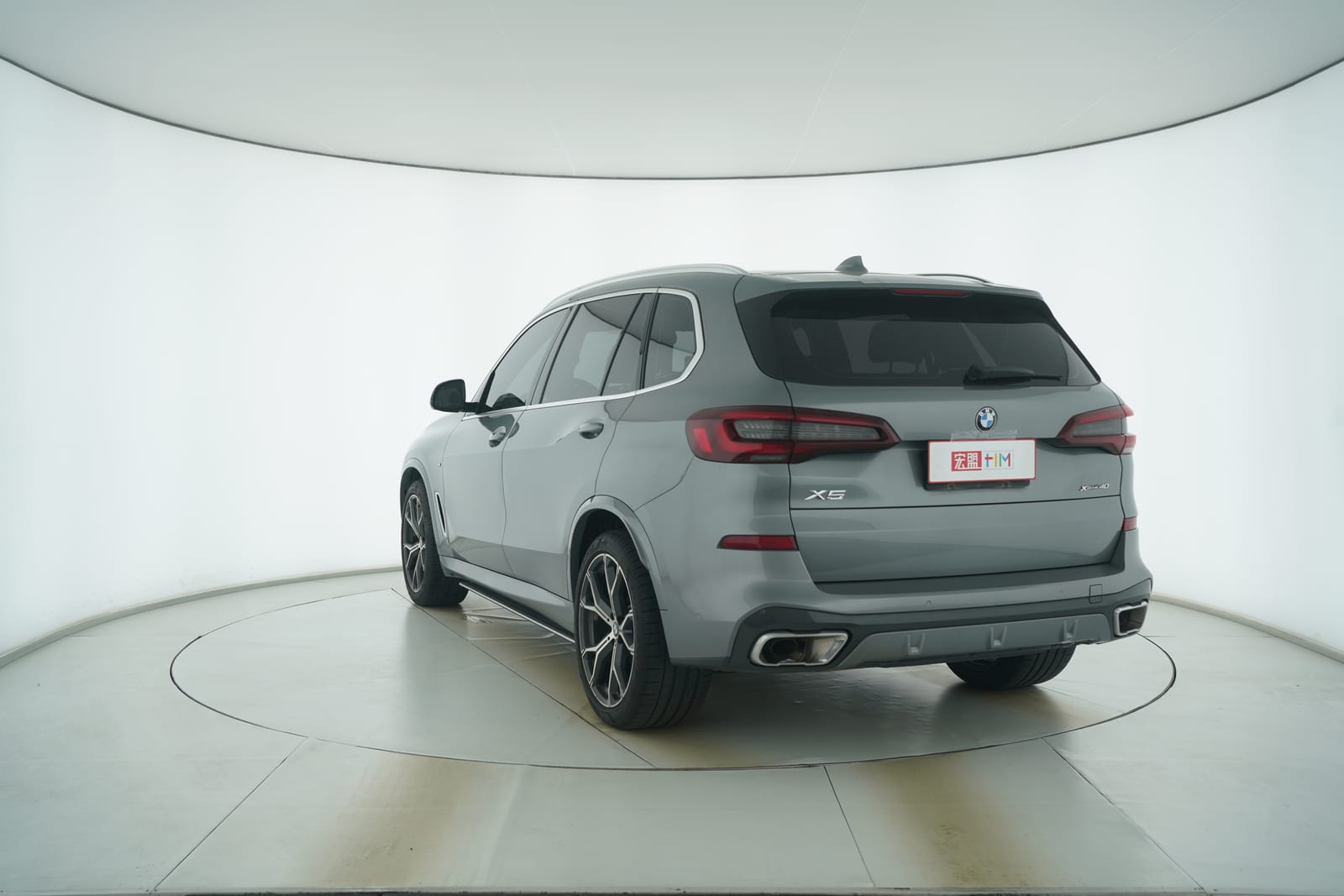
These photographs show the body proportions, colour, wheels, lights and visible badges of two different X5 variants. They are exterior references only: they do not prove engine condition, complete equipment, service history or document content.
2022 BMW X5 xDrive 40Li M Sport, grey

2014 imported BMW X5 xDrive35i Leading, black

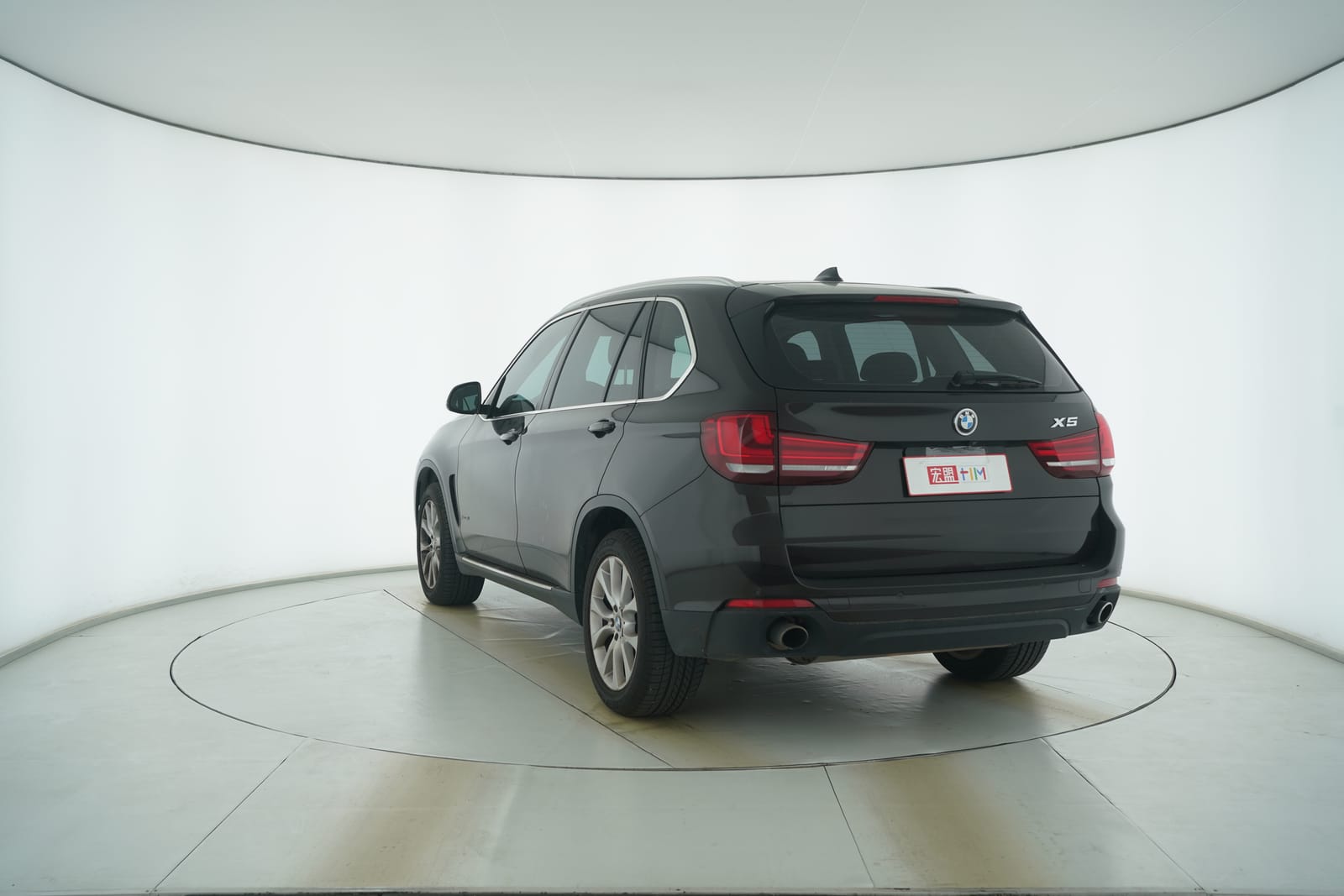
The different generations and body details are a useful reminder to identify the exact car before ordering parts, arranging inspection or describing equipment to a buyer.
Chassis, Cabin and Load-Area Inspection
Inspect tyres for matching specification, uneven wear and damage, then assess brakes, steering and suspension throughout a complete road test. A premium SUV can still suffer worn bushings, tired dampers or alignment problems. Listen over uneven surfaces and check for pulling, vibration and abnormal noises.
Inside, test every seating position, belt and adjustment mechanism. Examine the cargo floor, seat mountings, carpets and lower trim for water ingress or repair marks. Open storage and service-access areas where appropriate and look beneath removable covers rather than judging only the visible upholstery.
Verify that wheel, suspension, lighting, roof equipment and electronic modifications are documented and acceptable at destination. xDrive and roof rails do not turn an X5 into an unlimited off-road vehicle; tyres, ground clearance and manufacturer guidance still define sensible use.
Six Export Checks Before Shipment
- Confirm full identity. Match the model year, complete trim, Li or imported specification, registration records and actual vehicle.
- Identify the powertrain. Use factory and registration information, not assumptions based on 30Li, 40Li or 35i badges.
- Test the complete drivetrain. Combine cold and warm checks, diagnostic scans and a road test covering engine, transmission and xDrive operation.
- Inspect structure and chassis. Check body repairs, underside, tyres, brakes, steering, suspension and moisture in cabin and cargo areas.
- Verify equipment and modifications. Test functions directly and record non-original parts, software changes and destination-compatibility questions.
- Reconcile export documents. Check ownership, registration, modification and transport paperwork. Emissions compliance must be verified vehicle by vehicle against the certificates supplied with that car and destination import requirements.
Choose the Proven Vehicle, Not the Badge
The X5 range offers different ages, wheelbases and mechanical configurations, but no trim name guarantees a better used vehicle. A later model can hide unresolved faults, while an older imported example can present well yet still require careful age-related inspection.
The useful export decision follows identification, diagnostics, physical inspection, a complete road test and document verification. Compare the demonstrated condition and destination suitability of each X5 rather than relying on xDrive, M Sport or Li lettering alone.

Latin America Used Car Import Guide 2026: Mexico, Brazil, Chile & Peru
Latin America Market Desk

Central Asia Used Car Import Guide 2026: Kazakhstan, Uzbekistan, Kyrgyzstan & Tajikistan
Central Asia Market Desk

China Used Car Export Policy 2026: Complete Guide
Policy Analysis Team