BMW X1 Buying Guide for Export Buyers: China’s Long-Wheelbase Compact SUV Explained
The China-built BMW X1 is not simply a shorter X3: the second generation introduced a front-wheel-drive-based platform and a China-specific long wheelbase that transformed rear-seat space. This guide maps the E84, F48 and U12 generations, decodes sDrive18Li, sDrive20Li and sDrive25Li, explains why the gearbox depends on model year and driven axle, and lists the inspection points that matter before export.
A Small BMW SUV With a China-Specific Brief
The BMW X1 is one of the most recognizable premium compact SUVs in the Chinese used market, but export buyers should not assume that an X1 sold in China matches the version sold in Europe. BMW Brilliance builds the model in Shenyang, and from the second generation onward the Chinese car received a longer wheelbase. The result is less about sporty proportions and more about what many family buyers actually need: rear legroom, easy access and a practical luggage area in a compact footprint.
That makes the X1 a particularly legible export product. It carries a globally understood badge, offers a higher seating position than the premium sedans and has a broad network of BMW and independent specialists behind it. The important buying work is not deciding whether an X1 is practical; it is identifying the generation, engine and transmission accurately.
Generation Map: Three Very Different X1s
E84, the first generation. Early China-market cars combine a rear-wheel-drive-based layout with a low, estate-like silhouette. Imported and locally built examples exist, and equipment differs substantially. These are now older vehicles, so documentation, rust prevention and the condition of age-related cooling and suspension parts deserve more attention than the original trim level.
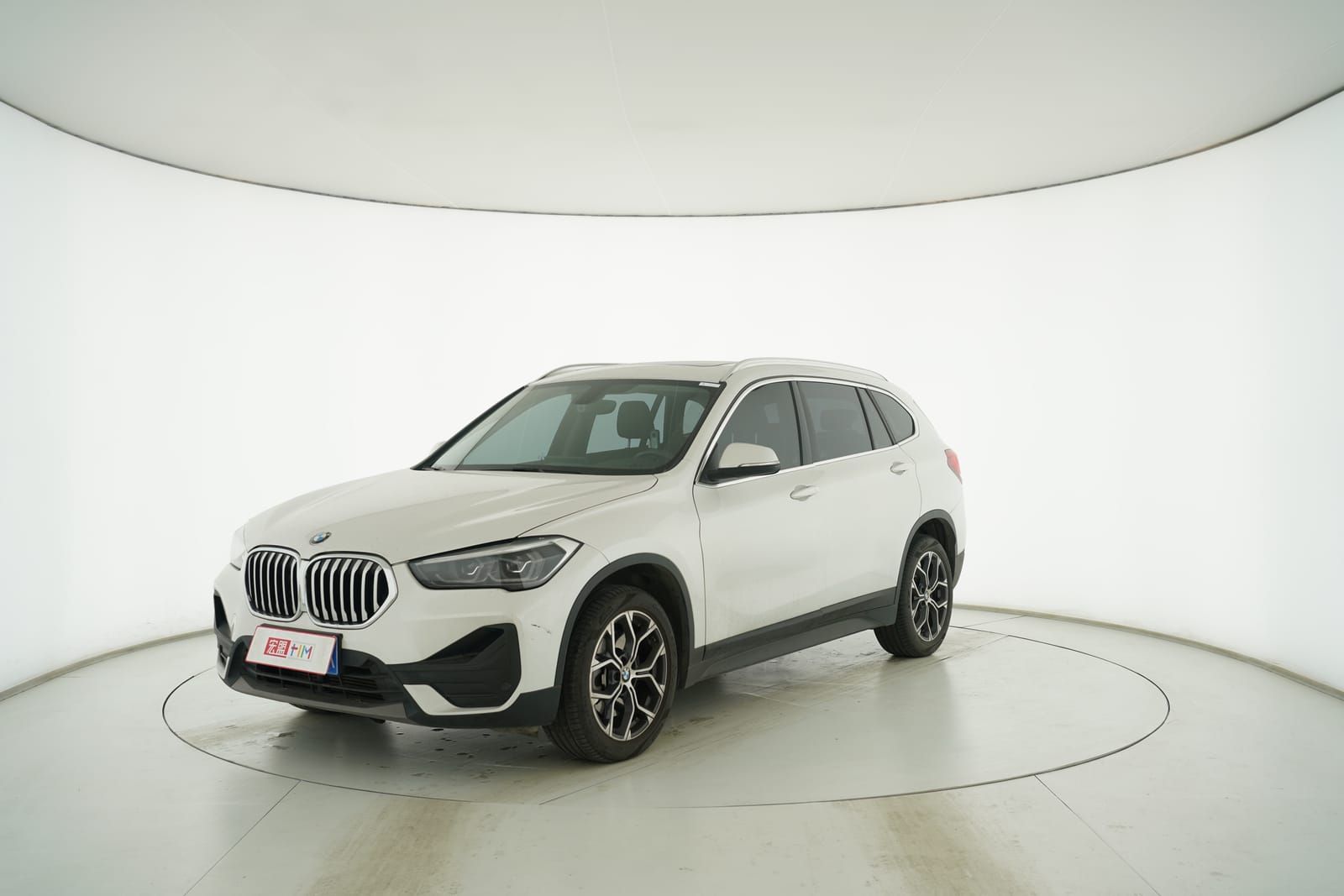
F48, the second generation launched in China for 2016. This is the decisive change. The X1 moved to BMW's UKL front-wheel-drive-based architecture, while the Chinese long-wheelbase body added rear room. Early cars have separate rounder headlights and a relatively restrained kidney grille; the facelift introduced for the 2020 model year brought larger grille openings, revised bumpers and updated cabin technology. The sDrive18Li, sDrive20Li and sDrive25Li badges all belong to this generation.
U12, the third generation introduced in China in 2023. The body became more upright and angular, and the cabin adopted BMW's curved-display layout. Treat it as a separate purchasing exercise rather than assuming that every F48 inspection note transfers directly.
The practical rule is simple: a Chinese X1 with an Li suffix is the long-wheelbase version; an older car without Li should not be advertised as having the same rear accommodation.
Decoding the Engines, Drive Badges and Gearboxes
- sDrive18Li — the entry drivetrain in the F48 range, using a 1.5-litre turbocharged three-cylinder and front-wheel drive. It prioritises everyday usability over performance. A small amount of three-cylinder vibration at idle is characteristic; excessive shaking, repetitive misfire warnings or unstable idle is not.
- sDrive20Li — a front-wheel-drive 2.0-litre turbo four. It is the middle step for buyers who want quieter, more relaxed acceleration without moving to xDrive.
- sDrive25Li — the higher-output front-wheel-drive 2.0T version. Despite sharing the sDrive label with the 20Li, it sits at the top of the two-wheel-drive range.
- xDrive25Li — the all-wheel-drive counterpart. The extra driveline hardware means the inspection must include the rear drivetrain, not just the engine and front gearbox.
Do not reduce the gearbox to one answer for every F48. Early cars used different automatic and dual-clutch combinations, and the facelift changed the mix again. As a working guide, early sDrive18Li cars can have a six-speed automatic, early 2.0T cars an eight-speed automatic, and many later front-wheel-drive versions a seven-speed dual-clutch transmission. The xDrive25Li retained an eight-speed automatic. Always confirm the actual unit from the vehicle record and a diagnostic scan rather than relying on a seller's shorthand.
Our Inspection Cars
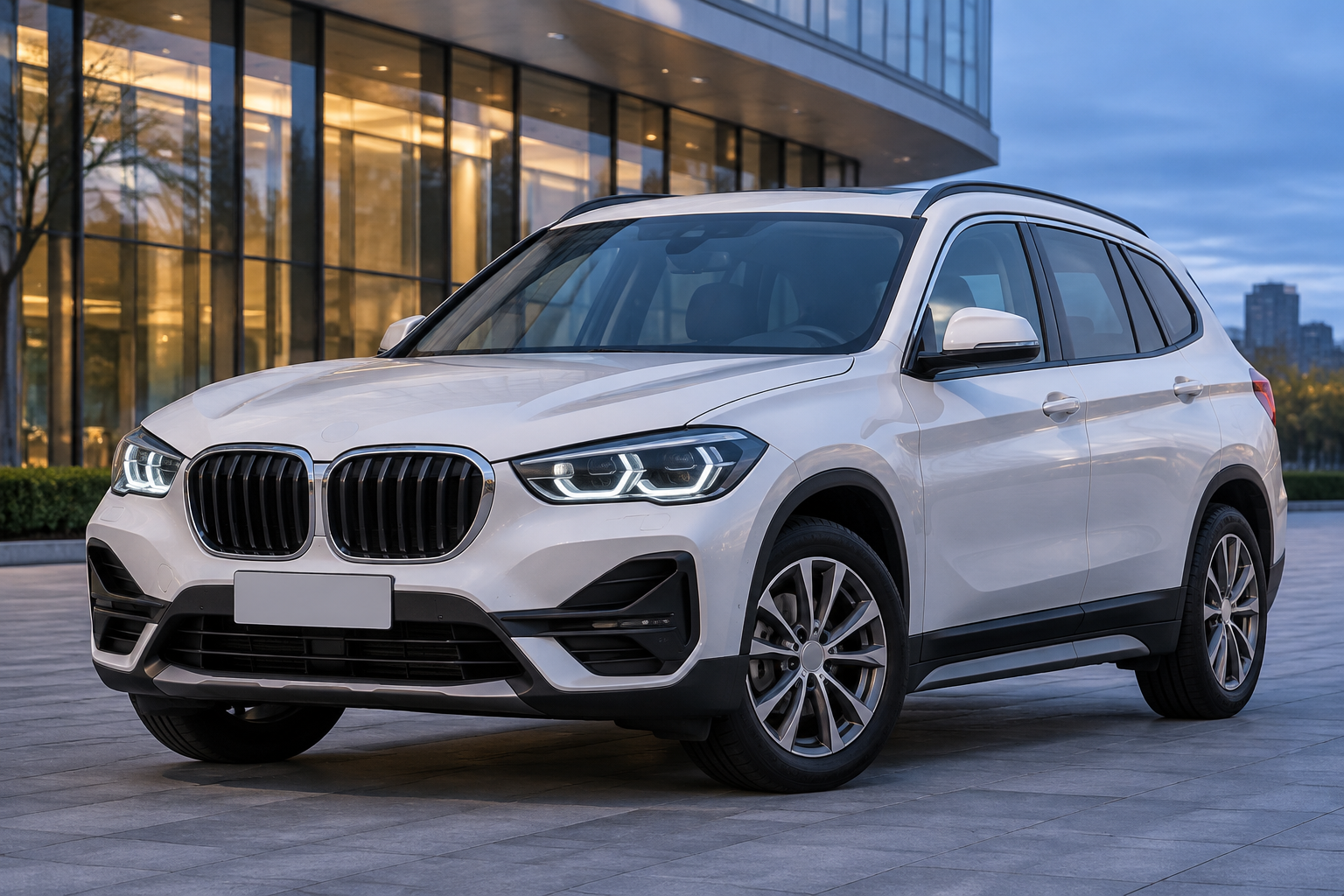
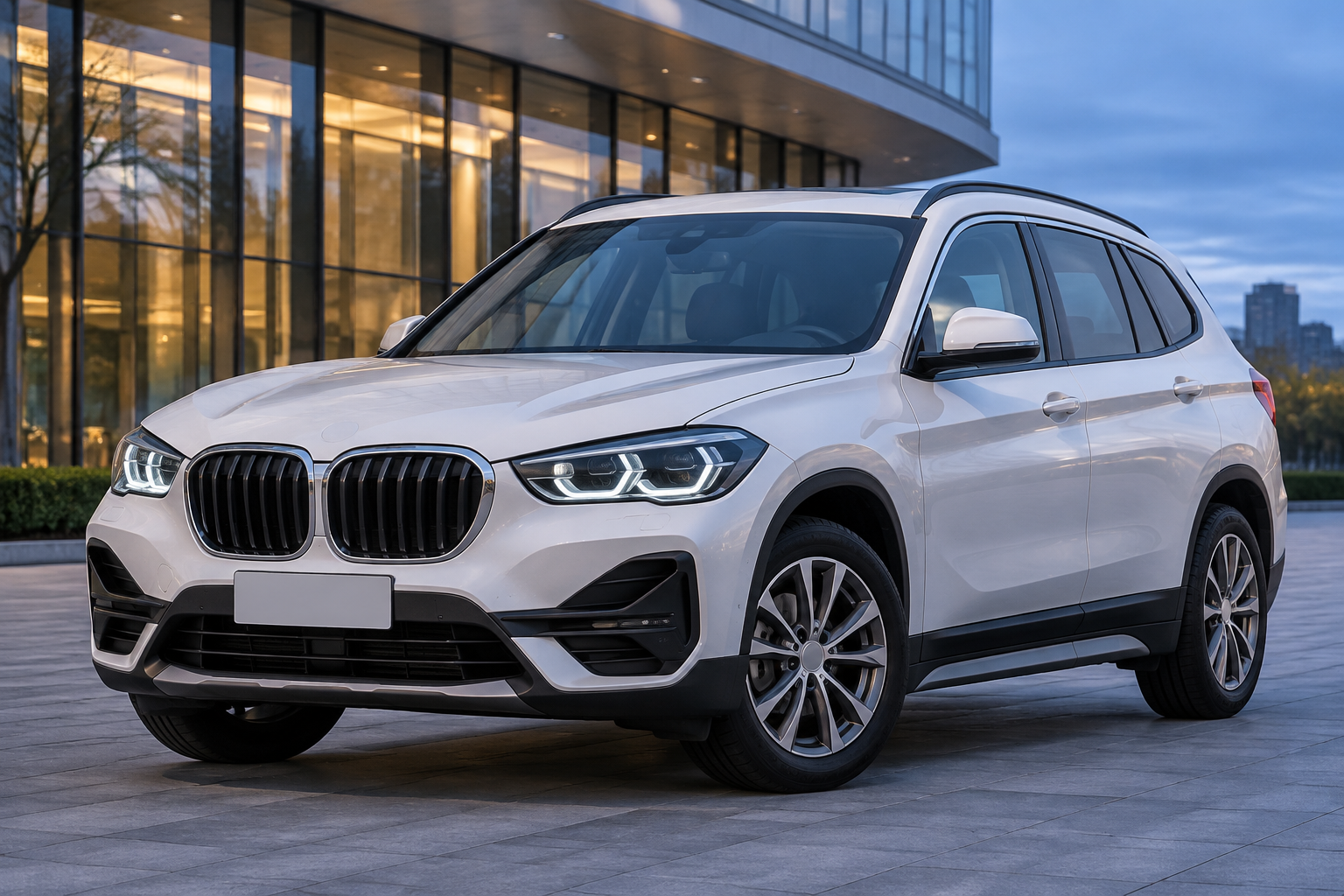
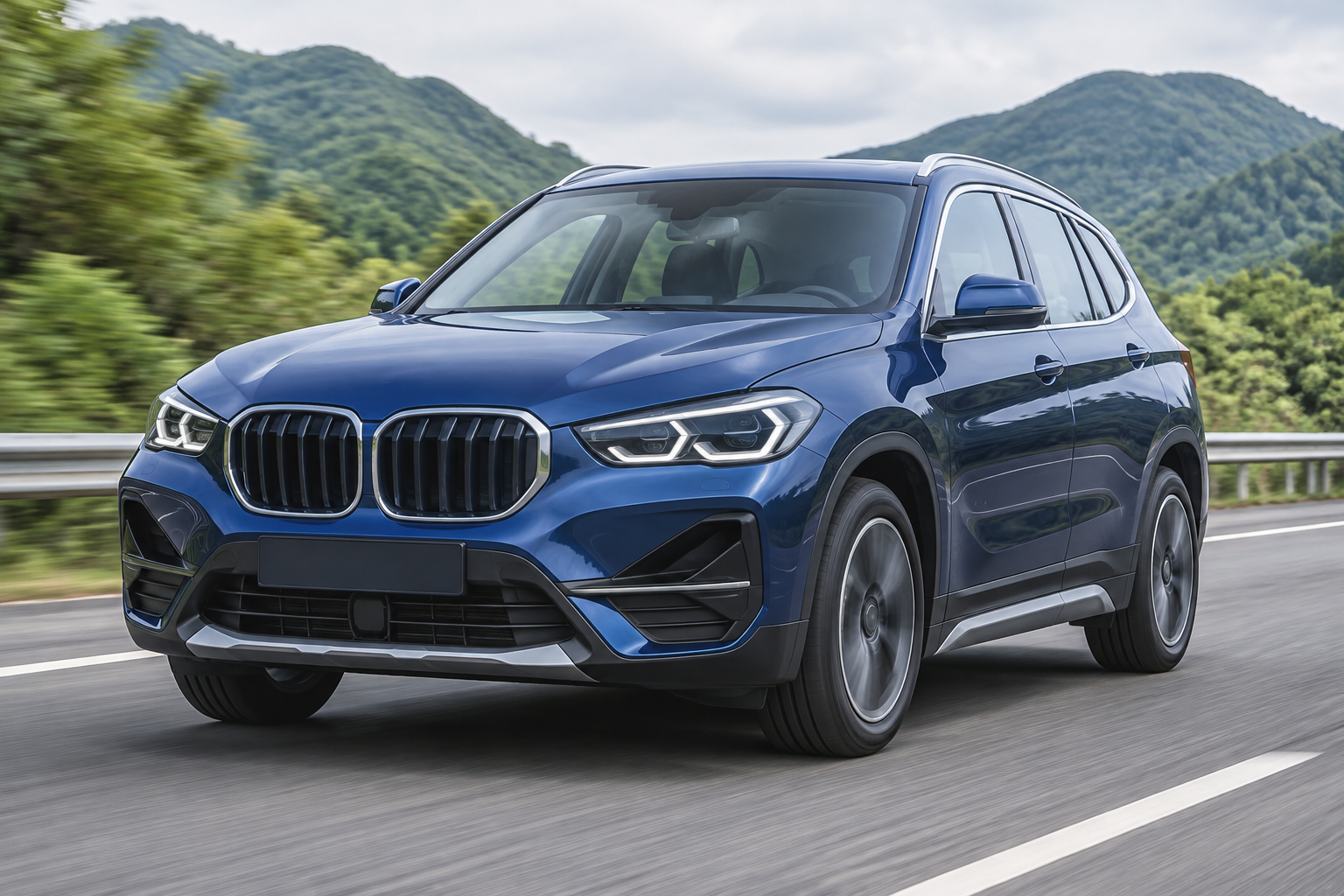
The white car is a 2022-model X1 sDrive25Li Leading trim, representing the facelifted F48 with the higher-output front-wheel-drive drivetrain. The blue car is a 2016-model X1 sDrive18Li Fashion trim, an early long-wheelbase example with the 1.5T three-cylinder. Together they show why model year and badge must be recorded separately.
*2022-model X1 sDrive25Li Leading, white*
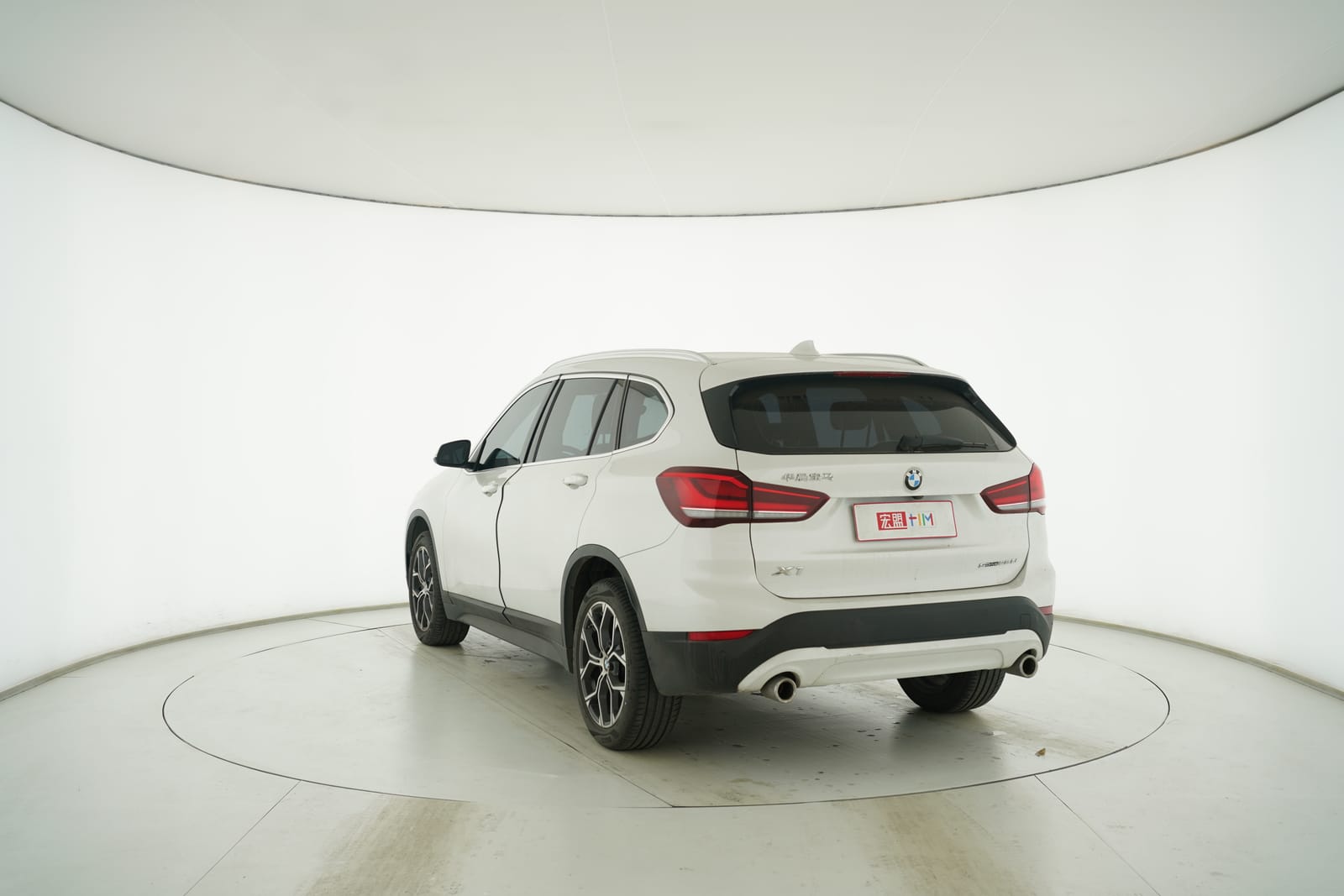
*2022-model X1 sDrive25Li Leading, white*
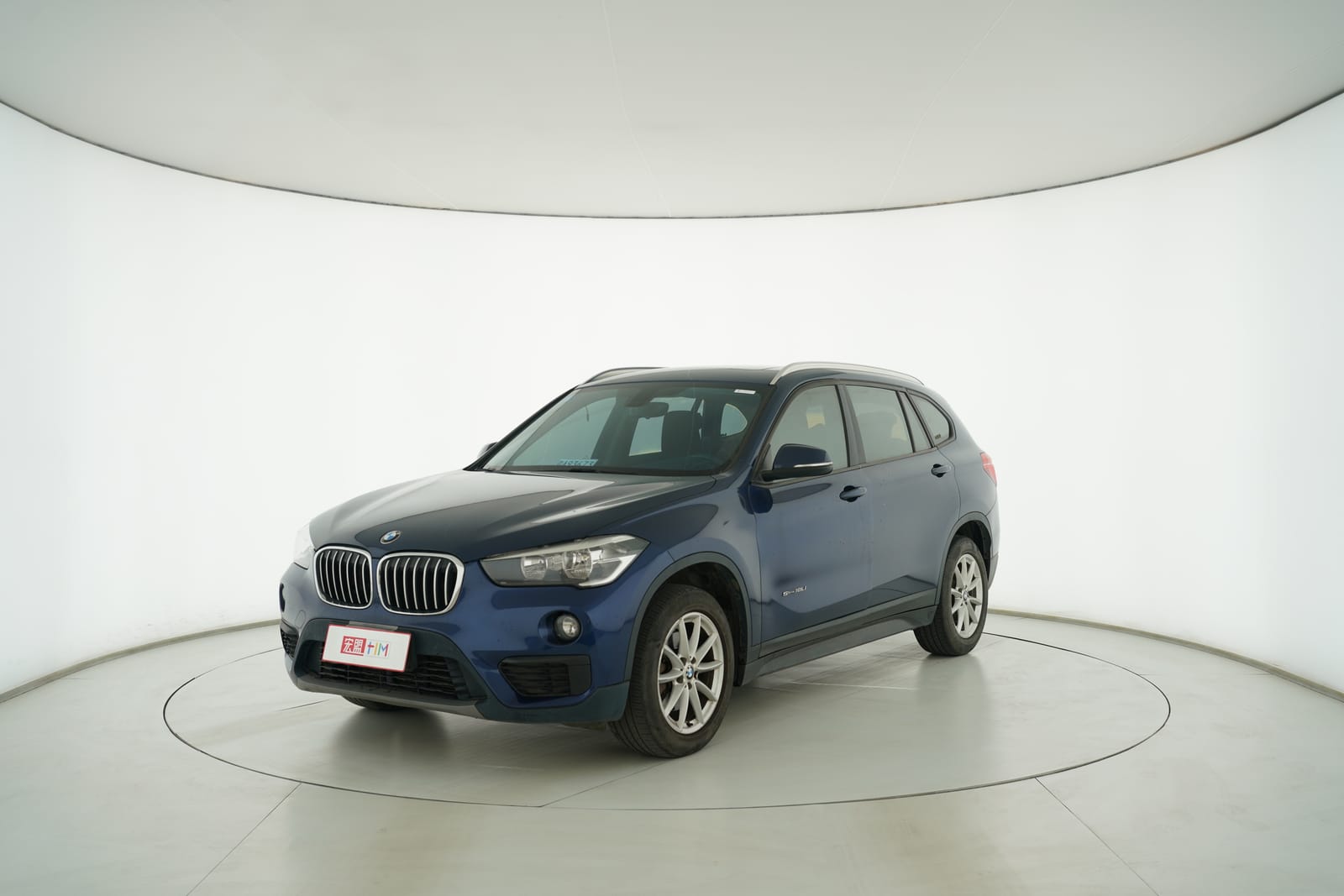
*2016-model X1 sDrive18Li Fashion, blue*
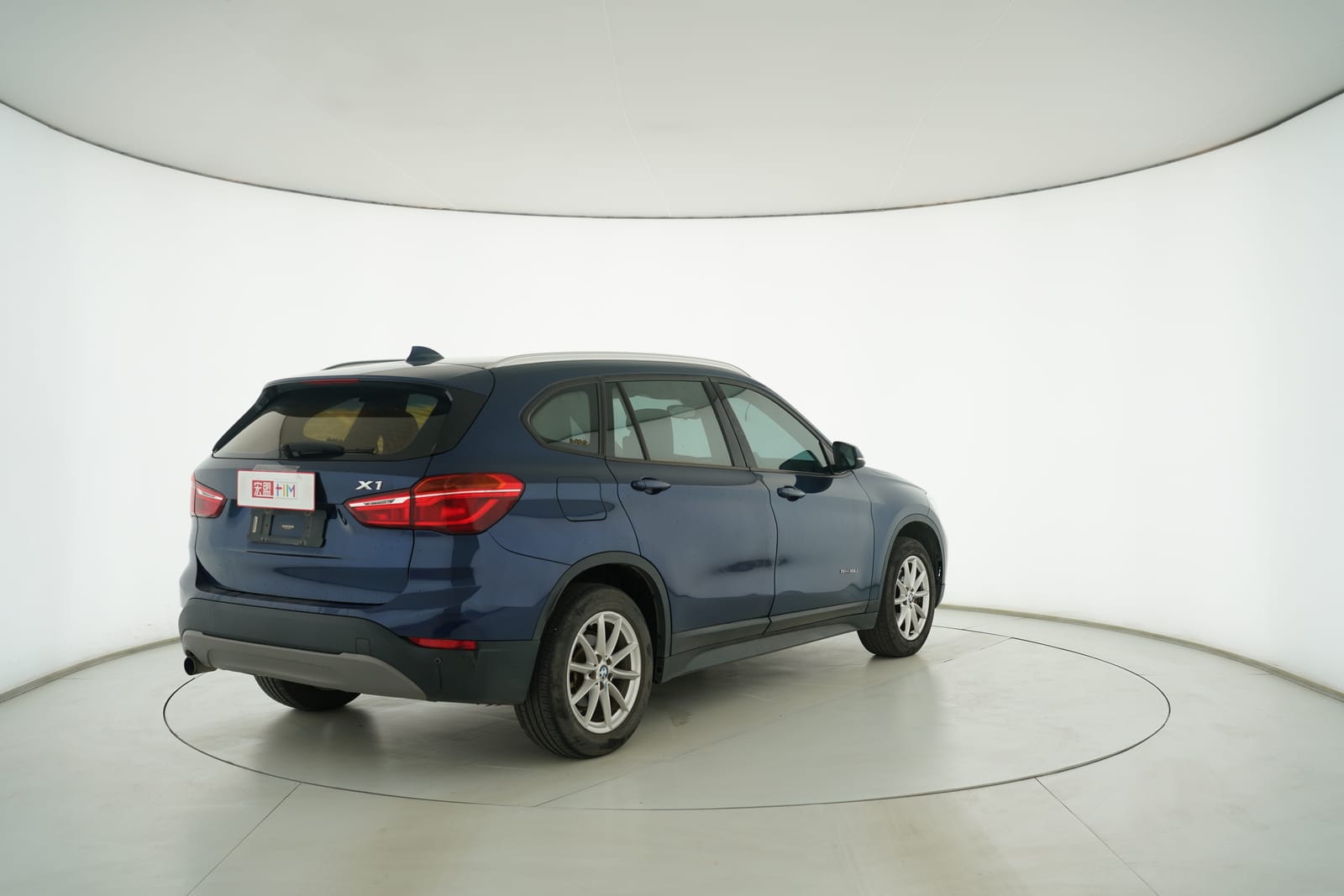
*2016-model X1 sDrive18Li Fashion, blue*
What to Inspect Before Export
- Identify the transmission before the road test. Check the vehicle record and diagnostic identification first. Then evaluate the unit that is actually fitted: an automatic should engage and shift without impact, while a dual-clutch car should creep, reverse and pull away without shudder. Test gentle manoeuvring as well as steady acceleration.
- Cold-start the 1.5T three-cylinder. Listen for unstable idle and check for stored misfire or timing-related faults. Inspect engine mounts if the vibration is stronger than a brief characteristic tremor.
- Inspect the 2.0T cooling and lubrication systems. On a lift, look for dried coolant, fresh oil traces and evidence of repeated top-ups. Scan for faults even when no dashboard warning is illuminated.
- Exercise every driven axle on xDrive cars. During a low-speed turn and a straight acceleration run, listen for binding or driveline noise. Inspect the rear differential and transfer components for leaks, and compare tyre sizes and wear across all four corners.
- Check panoramic-roof drainage and cabin electronics. Operate the roof where fitted, inspect headlining and footwells for moisture, and test the tailgate, cameras, parking sensors, climate control and seat functions. Water traces should be traced to a cause, not covered by cleaning.
- Emissions certificate, car by car. China V and China VI vehicles both exist across these model years. The relevant evidence is the individual vehicle's accompanying certificate and the destination's import rule; never infer compliance from the model name alone.
The Export Verdict
The Chinese long-wheelbase X1 works because its main advantage is easy to demonstrate: open the rear door and the space is visible. Choose the F48 when the priority is a familiar premium SUV with broad service support, then buy the specific drivetrain rather than the badge alone. The sDrive18Li needs a careful cold start and vibration check; the 2.0T cars need disciplined cooling-system and gearbox inspection; xDrive adds a full driveline check. Identify the exact gearbox, inspect the individual car and verify its emissions documents. That process matters far more than assuming every X1 is mechanically the same.

Latin America Used Car Import Guide 2026: Mexico, Brazil, Chile & Peru
Latin America Market Desk
Central Asia Used Car Import Guide 2026: Kazakhstan, Uzbekistan, Kyrgyzstan & Tajikistan
Central Asia Market Desk

China Used Car Export Policy 2026: Complete Guide
Policy Analysis Team