BMW 7 Series Buyer Guide: 735Li and 730Li Explained
Two black long-wheelbase 7 Series cars, a 2023 735Li M Sport and a 2021 730Li M Sport, show what changed between the G70 and G12 generations. This guide explains the differences that matter for chauffeur use, the checks that separate a well-kept car from a costly one, and the paperwork export buyers should verify before shipping.
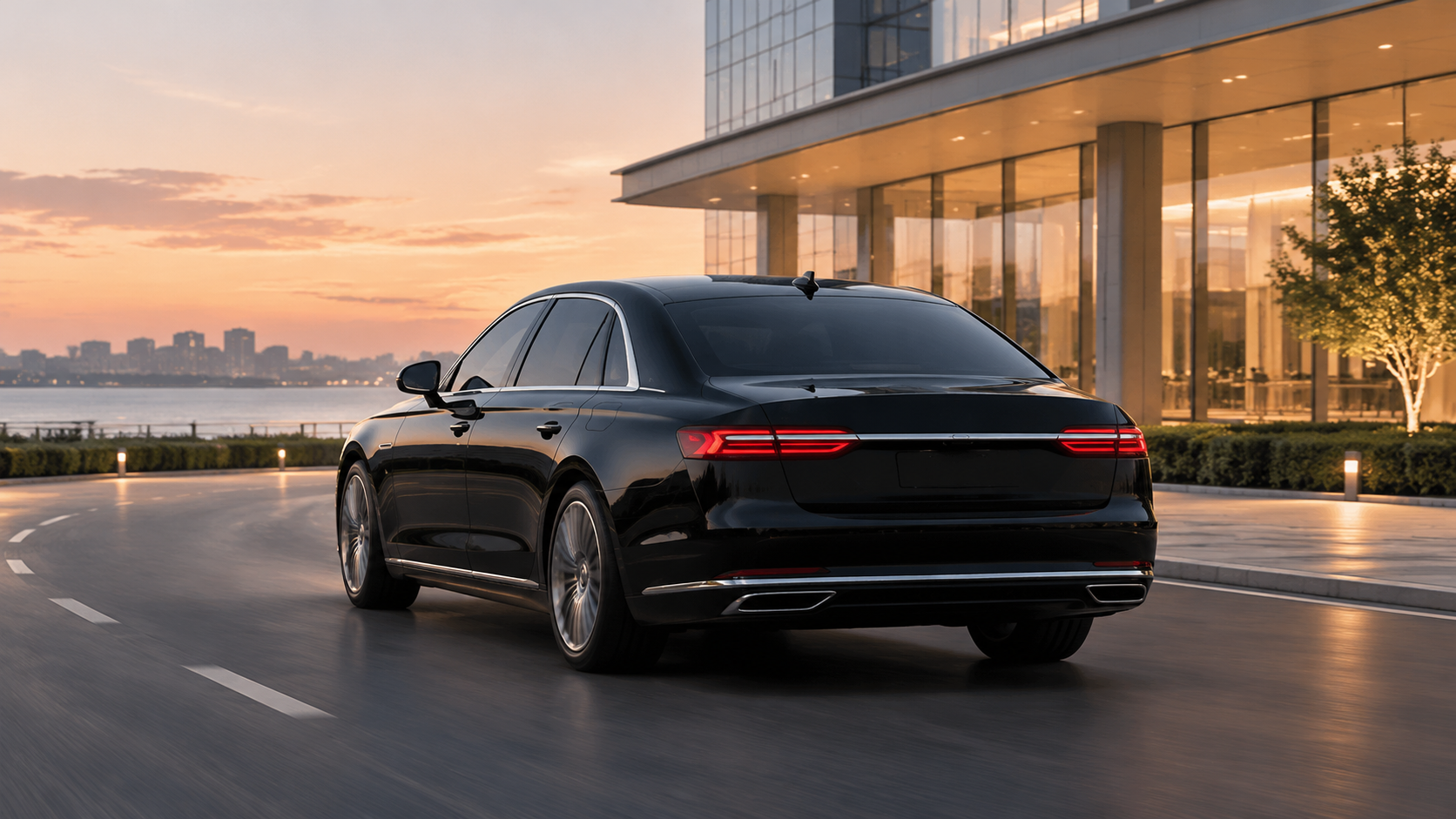
Two Cars, Two Generations
The BMW 7 Series has always been bought for the rear seat as much as the driver's seat. In export markets it serves a clear purpose: a large, quiet, left-hand-drive luxury sedan that costs far less than a comparable European car and is widely understood by dealers, chauffeurs and repair shops.
The two cars in our current selection make the generational gap easy to see. The 2023 735Li M Sport is the newer G70 generation, with the tall, upright nose and slim split lighting that define the current car. The 2021 730Li M Sport is the previous G12 generation in facelifted form, a lower and more classical three-box shape. Both are long-wheelbase models finished in black, and both are trimmed in M Sport specification.
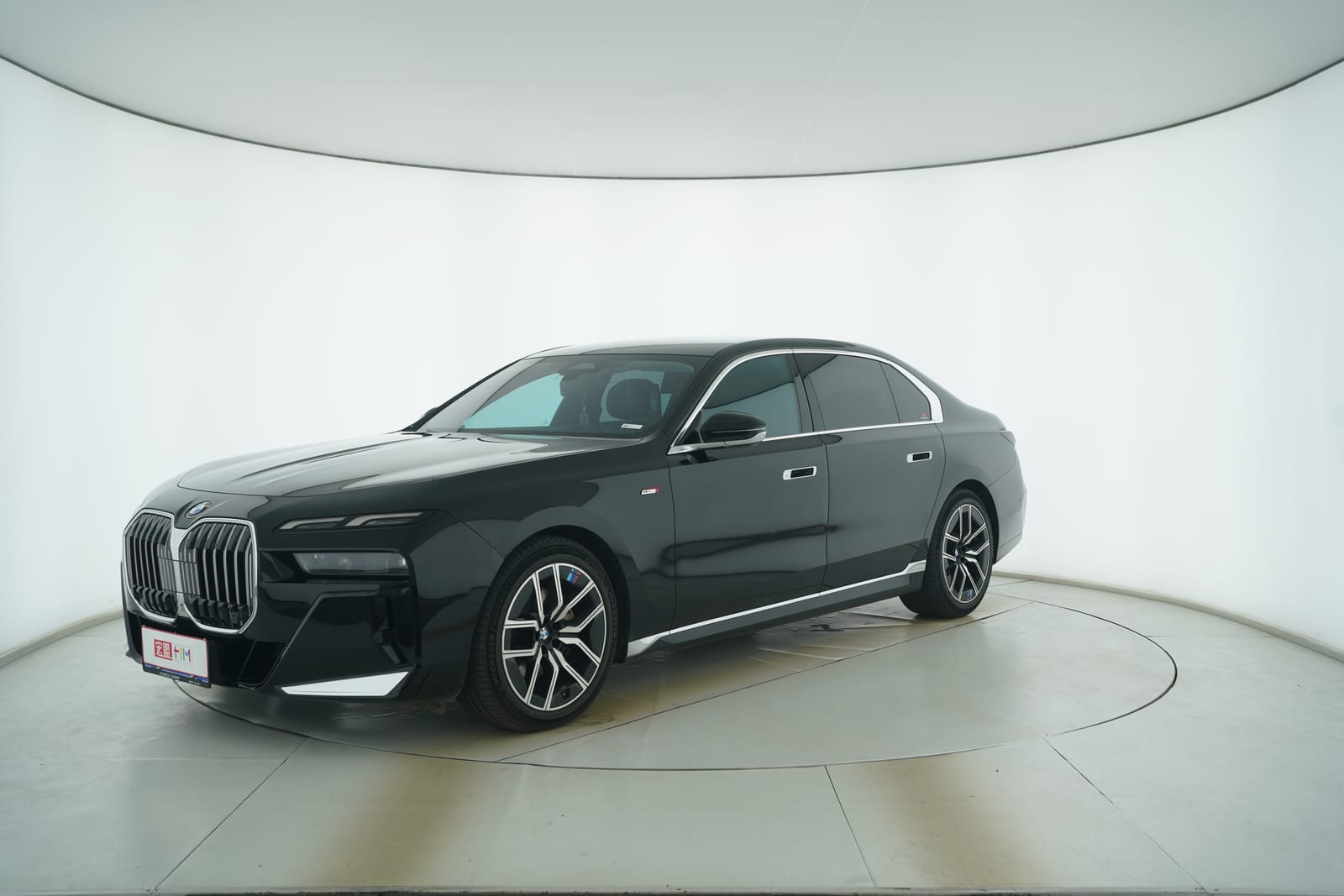
*2023 735Li M Sport, black.*
What the Badges Mean
In BMW's Chinese naming, the number before "Li" describes the power level and the L stands for long wheelbase. The 735Li sits above the 730Li in the range and uses a larger six-cylinder engine, while the 730Li uses a four-cylinder unit. Both drive through an automatic transmission and, in this specification, send power to the rear wheels.
That difference matters more on paper than in daily traffic. The six-cylinder car feels calmer under hard acceleration and is the one enthusiasts ask for; the four-cylinder car is quieter at a cruise and cheaper to run. Neither is a sports sedan. The 7 Series is at its best covering long distances with very little drama.
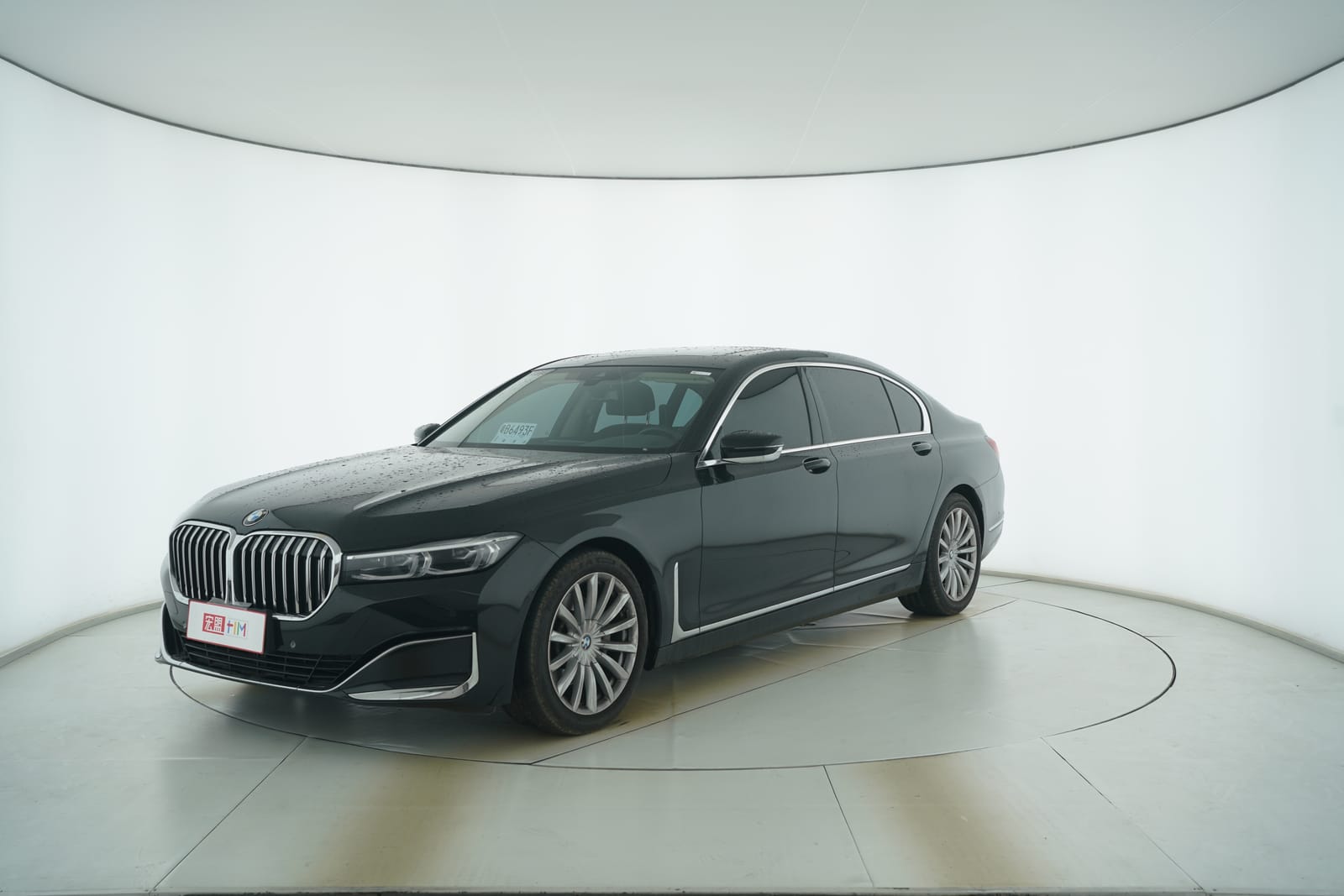
*2021 730Li M Sport, black.*
G70 Versus G12: What Changed
The G70 is a bigger visual statement. It is taller, has a much larger grille and a more sculpted rear end, and its cabin leans heavily on screens and touch controls. The G12 facelift is more restrained. It still has excellent rear space and a comfortable ride, but the layout is more conventional, with a familiar instrument cluster and physical controls for the main functions.
For a buyer choosing between the two, the decision is usually about three things:
- Presence. The G70 looks newer and more imposing. That matters if the car is used for client pickups or events.
- Familiarity. The G12 is easier for drivers and mechanics who have not worked on the newest generation, and its controls are less dependent on menus.
- Complexity. The newer car has more electronics, more screens and more systems that can age. A thorough inspection matters more, not less.
The Rear Seat Is the Point
Long-wheelbase 7 Series cars are built around rear passengers. Before buying, sit in the back with the front passenger seat moved to its normal position. Check legroom, headroom and the operation of the reclining function if the car has it. Test the rear climate controls, the sunblinds, the entertainment screens and the door closing aids one by one.
Small faults here are expensive to fix and annoying on every journey. A screen that flickers, a sunblind that jams or a seat motor that groans is a bargaining point, not a detail to ignore.
What to Inspect on a Used 7 Series
A luxury sedan hides wear well. These checks are worth doing in person or through a detailed video inspection:
- Air suspension. Leave the car parked overnight and check that it sits level in the morning. A car that sinks at one corner has a leak that will not fix itself.
- Electronics. Open and close every window, test every seat position, both keys, the soft-close doors, the boot lid and the sunroof. Faults can be intermittent, so ask for a cold start.
- Service history. Look for regular oil changes and, on the six-cylinder car, evidence that cooling system and ignition work was done on time.
- Tyres and wheels. Large wheels are easily kerbed. Check for matching brands, even wear and sidewall damage.
- Paint and body. Use a thickness gauge on every panel. These cars are often repaired after minor incidents, and a good repair is acceptable if it is disclosed.
- Undercarriage. Look for scrapes on the bumper, subframe and exhaust, and for corrosion on brake lines and suspension arms.
- Battery and mild-hybrid system. Ask for a battery health report. A weak battery can trigger a long list of unrelated warning messages.
Emissions and Market Rules
Do not rely on a model-level emissions claim. Rules differ by destination country and by the individual vehicle's certificate. For every car, check the emissions certificate that travels with it, and confirm the destination market's age, left-hand-drive, homologation and import requirements before paying a deposit.
Which One Fits Your Use?
Choose the 735Li if the car will be seen, if you want the newest shape and the six-cylinder engine, and if your market has technicians comfortable with current BMW electronics.
Choose the 730Li if you want the same rear-seat comfort with a simpler, more familiar package, or if the car will spend most of its life on long, steady journeys where the four-cylinder engine is entirely adequate.
Either way, condition beats generation. A well-maintained G12 with complete records is a better purchase than a neglected G70 with missing history.
A Note on Specification
Equipment varies between cars, even within the same trim name. Do not assume that a feature listed in a brochure is present on a specific vehicle. Check the car itself, and ask for the original configuration list if it is available.
Frequently Asked Questions
Is the 735Li a six-cylinder car? Yes. In this range the 735Li uses a six-cylinder engine, while the 730Li uses a four-cylinder engine.
Can a 7 Series be exported to my country? That depends on the destination's age limits, emissions rules, homologation and left-hand-drive requirements. Check those before choosing a car.
Are parts difficult to find? Consumables and common body parts are widely available in China. Availability in your market depends on local importers and workshop networks.
Should I avoid high-mileage cars? Not automatically. Condition and records matter more than the number on the odometer, but a high-mileage luxury sedan needs a more careful inspection of suspension, electronics and interior trim.
Next Step
Review the photos, compare the two generations, and ask us for a walkaround video of the specific car you are considering. We will show the details that photos often hide: the gaps, the wear surfaces, the boot floor and the cold-start behaviour.

Latin America Used Car Import Guide 2026: Mexico, Brazil, Chile & Peru
Latin America Market Desk
Central Asia Used Car Import Guide 2026: Kazakhstan, Uzbekistan, Kyrgyzstan & Tajikistan
Central Asia Market Desk

China Used Car Export Policy 2026: Complete Guide
Policy Analysis Team