BMW 3 Series (China-Spec) Buying Guide for Export Buyers: Generations, Trim Codes, and What to Inspect
The 3 Series is the backbone of China's used premium-sedan market, and the China-built long-wheelbase Li versions are what you will actually be sourcing. This guide maps the four generations you will meet, decodes the 320/325/330 badges and the M Sport packages, and lists the inspection points that matter before the car goes into a container.
Why the 3 Series Dominates the Export Pipeline
No premium sedan is easier to source in China than the BMW 3 Series. It has been built locally by BMW Brilliance in Shenyang since 2003, sold in huge numbers across four generations, and depreciated into exactly the price band where export margins work. Walk through any major used-car market in Beijing, Shanghai or Chengdu and rows of F35 and G28 cars — the China-only long-wheelbase versions — are a permanent fixture.
For an export buyer the model is attractive for three reasons: parts and service knowledge exist everywhere from Almaty to Dubai; the drivetrains are well understood; and Chinese-spec cars are often loaded — panoramic roofs, large screens, rear comfort features — at trim levels that undercut equivalent European-used cars.
The Four Generations You Will Meet
E90 (roughly 2005–2012, China-built from 2005). The oldest cars worth considering, and mostly the standard wheelbase. Engines range from the N46 four-cylinder (318i, 320i) to the naturally aspirated N52 inline-six (325i) — the six is the enthusiast pick but every E90 is now old enough that condition trumps specification entirely. Rubber, cooling system and oil leaks are the checklist.
F30/F35 (2012–2019). The F35 is the first China-built long-wheelbase car and the volume sweet spot of the used market. Early cars used N20 four-cylinder and N55 six-cylinder engines; from around 2016 the modular B38 three-cylinder (318) and B48 four-cylinder (320/330) took over. The N20's timing-chain history is well documented — ask for evidence the chain and guides have been addressed, or budget for it.
G20/G28 (2019–present). The current car, and what most late-model sourcing targets. The G28 long-wheelbase version is standard practice in China; all mainstream variants use the B48 2.0-litre turbo in different states of tune, paired with the ZF 8-speed automatic. A facelift (LCI) arrived for the 2023 model year with slimmer headlights, a revised grille and the curved dual-screen cabin — the two cars photographed below are both LCI cars.
i3 and GT. The China-market electric i3 sedan and the discontinued 3 Series GT hatch are separate stories; this guide covers the petrol sedans.

Decoding the Badges: 320, 325, 330 and the Packages
On the G28 generation the number is a power grade, not a displacement. All are 2.0-litre four-cylinders:
- 320i / 320Li — entry tune of the B48. Adequate, and the cheapest way into the chassis.
- 325i / 325Li — mid tune, the volume seller and the safest sourcing bet.
- 330i / 330Li — high tune, noticeably stronger; some 330Li cars are xDrive all-wheel drive.
Two suffixes matter. Li means the China long wheelbase — about 11 cm more rear legroom on the G generation, which is a selling point in markets where these cars are chauffeur or family vehicles. xDrive means all-wheel drive; most China cars are rear-wheel drive.
Package names you will see in listings: M运动套装 (M Sport package) adds the M aerodynamic bumpers, sport seats and M steering wheel; M运动曜夜套装 (M Sport Shadow/night package) blacks out the grille, window trim and wheels — the white 2025 car below wears it. 改款 in a listing means facelift: on this generation it marks the LCI cars from model year 2023.
Our Inspection Cars
The black car is a 2024-model 325Li M Sport — the volume configuration of the current generation. The white car is a 2025-model 330Li M Sport Shadow, the high-power variant with the blacked-out trim.
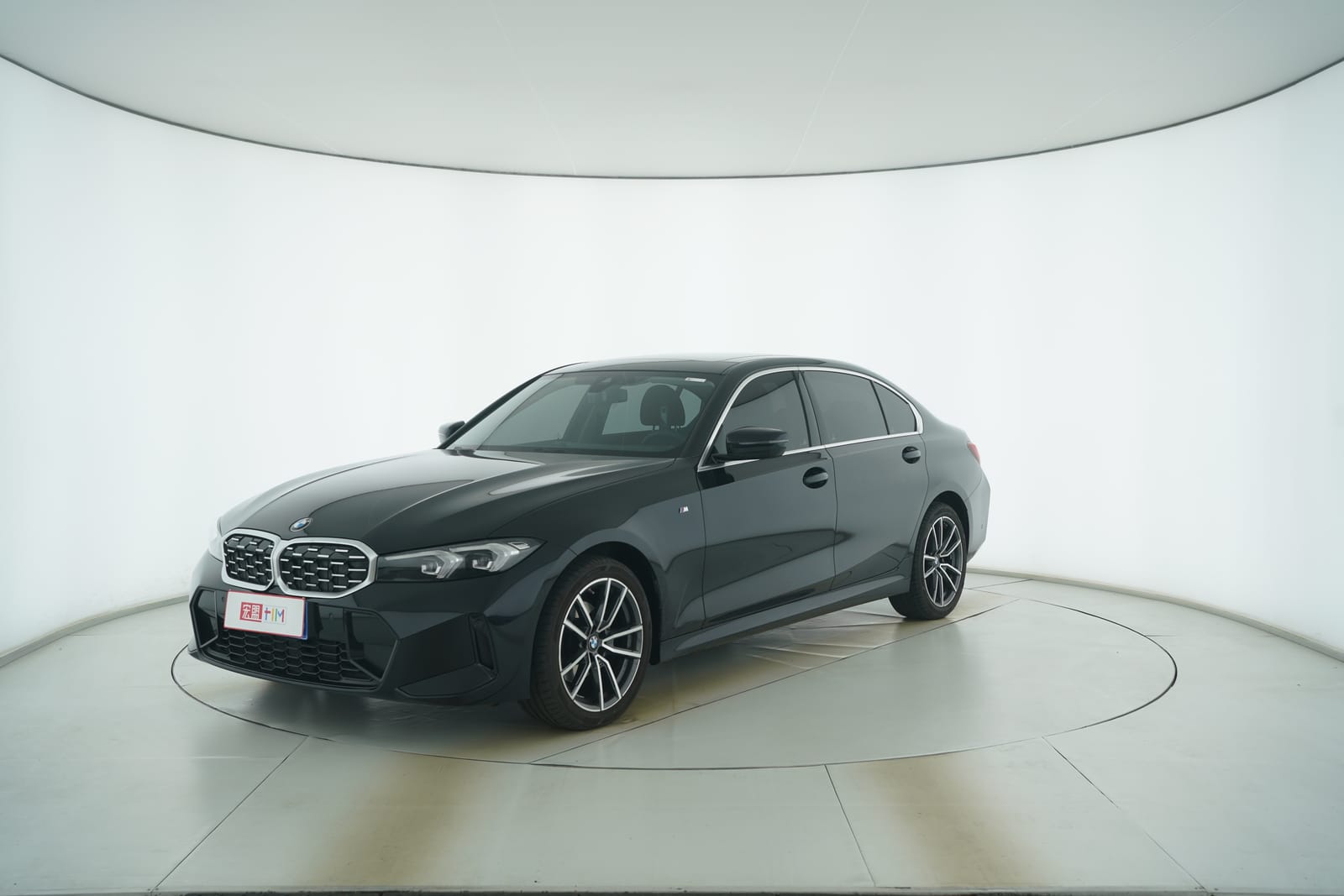
*2024-model 325Li M Sport package, black*
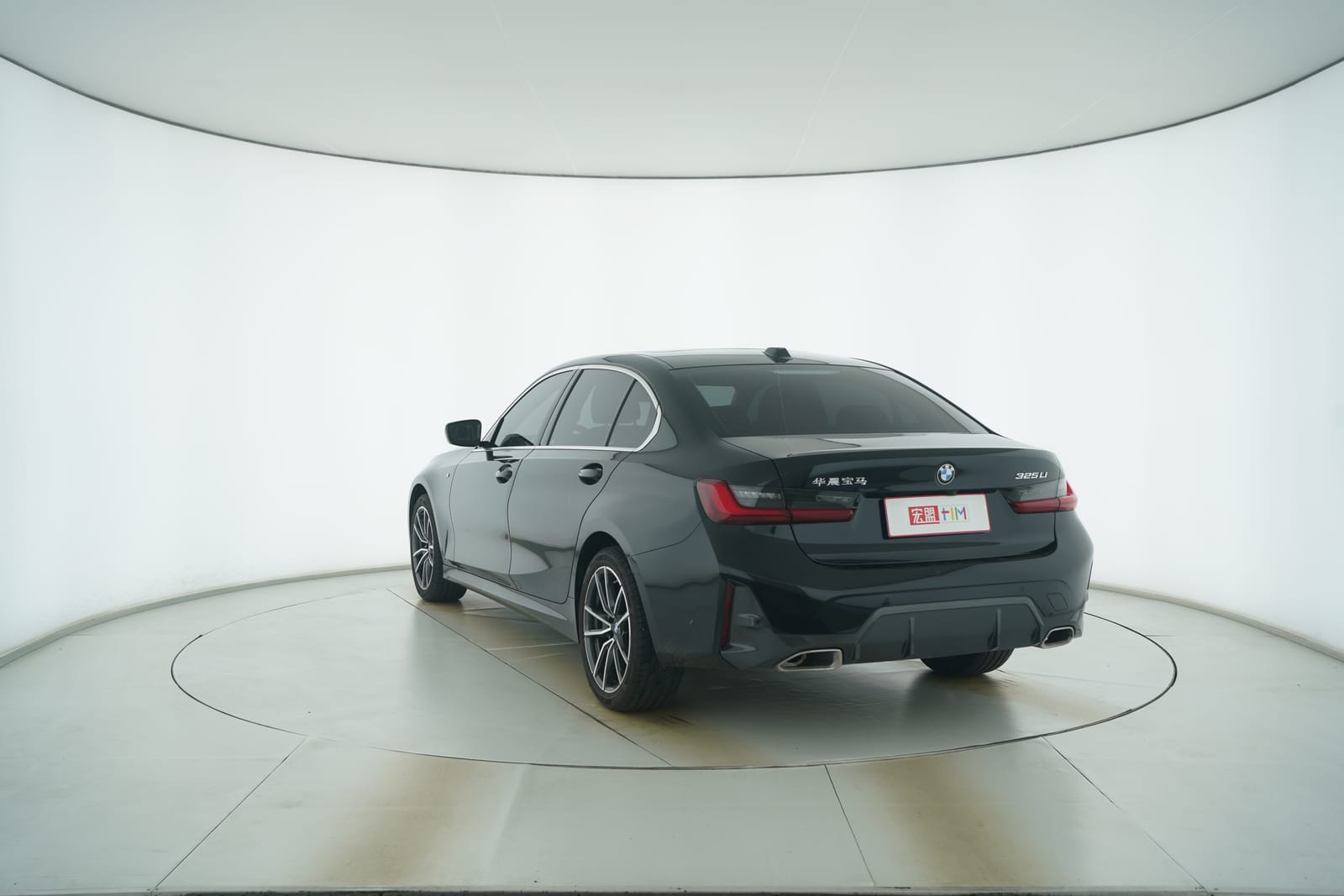
*2024-model 325Li M Sport package, black*
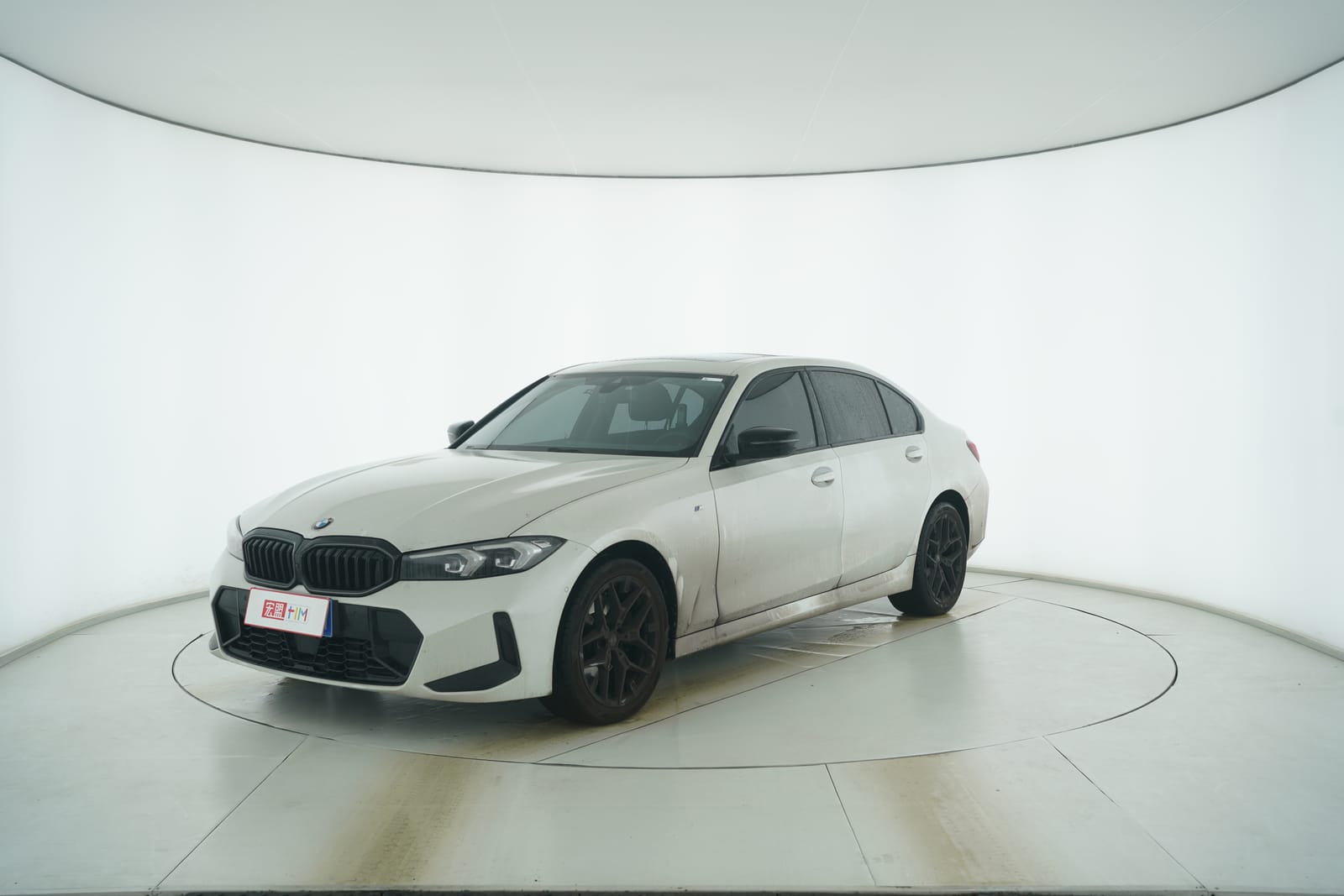
*2025-model 330Li M Sport Shadow package, white*
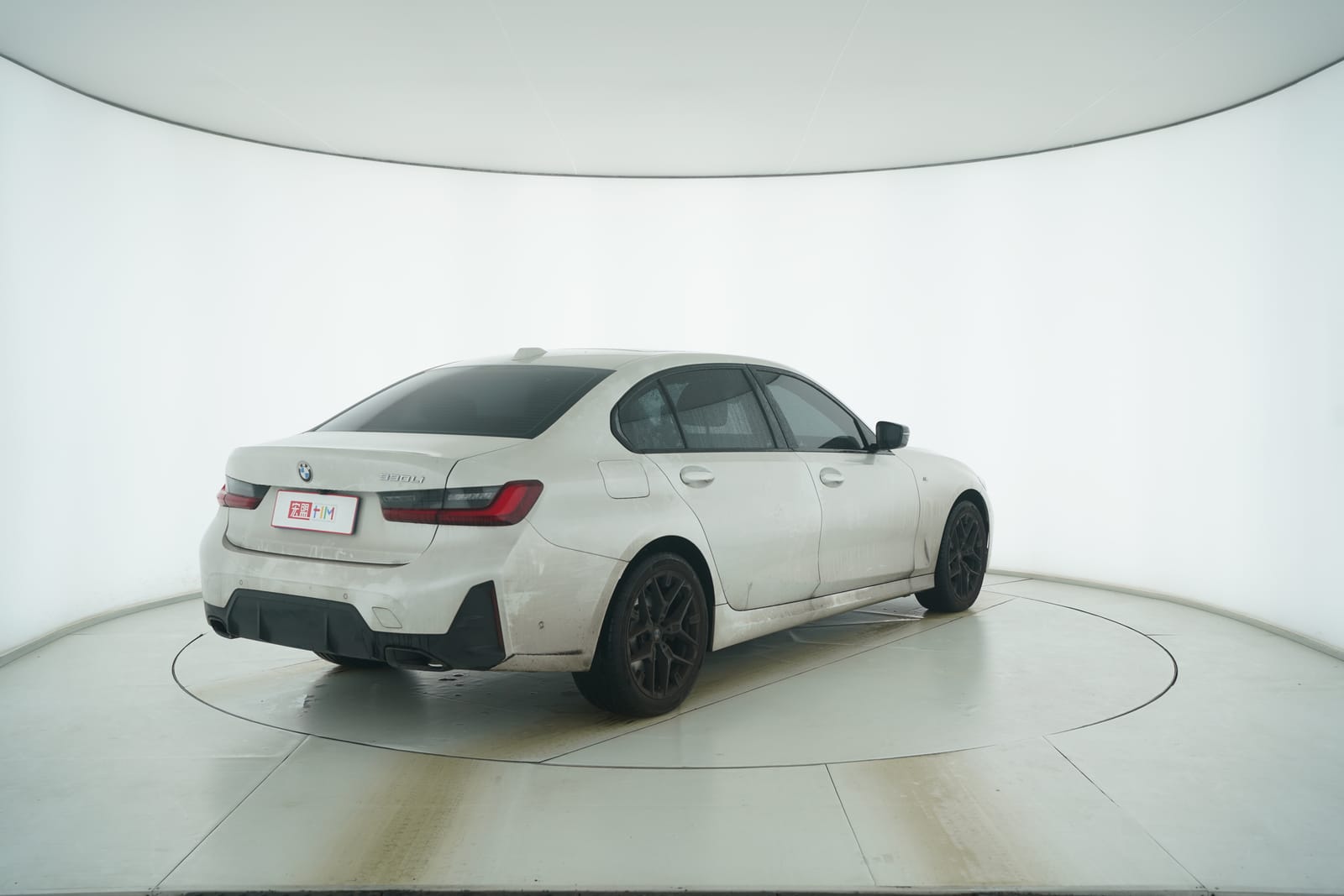
*2025-model 330Li M Sport Shadow package, white*
What to Inspect Before Export
- Cooling system, every generation. The B48 uses a plastic-heavy cooling module and expansion-tank arrangement with a known leak history; on N20/N55 cars inspect water pump and thermostat. Look for dried coolant traces on a cold engine, not a steam-cleaned one.
- Oil consumption on B48TU cars. Some 2020–2021 engines were the subject of widely reported oil-consumption complaints in China. Check service records for top-up intervals and inspect spark plugs for fouling.
- ZF 8-speed behaviour. The gearbox itself is robust; the check is smooth engagement from cold, no flare between shifts, and evidence of fluid service on higher-mileage cars.
- Timing chain history on N20 F35 cars. Rattle at cold start is the classic symptom; replacement invoices are the reassurance.
- Electronics, point by point. G-generation cars are screen-heavy — test every seat motor, camera, and the driver-assistance suite. These are expensive to fix abroad.
- Emissions certificate, car by car. China V and China VI cars both circulate; what matters for your destination is the certificate that accompanies the individual vehicle. Verify it per car before purchase.
The Export Verdict
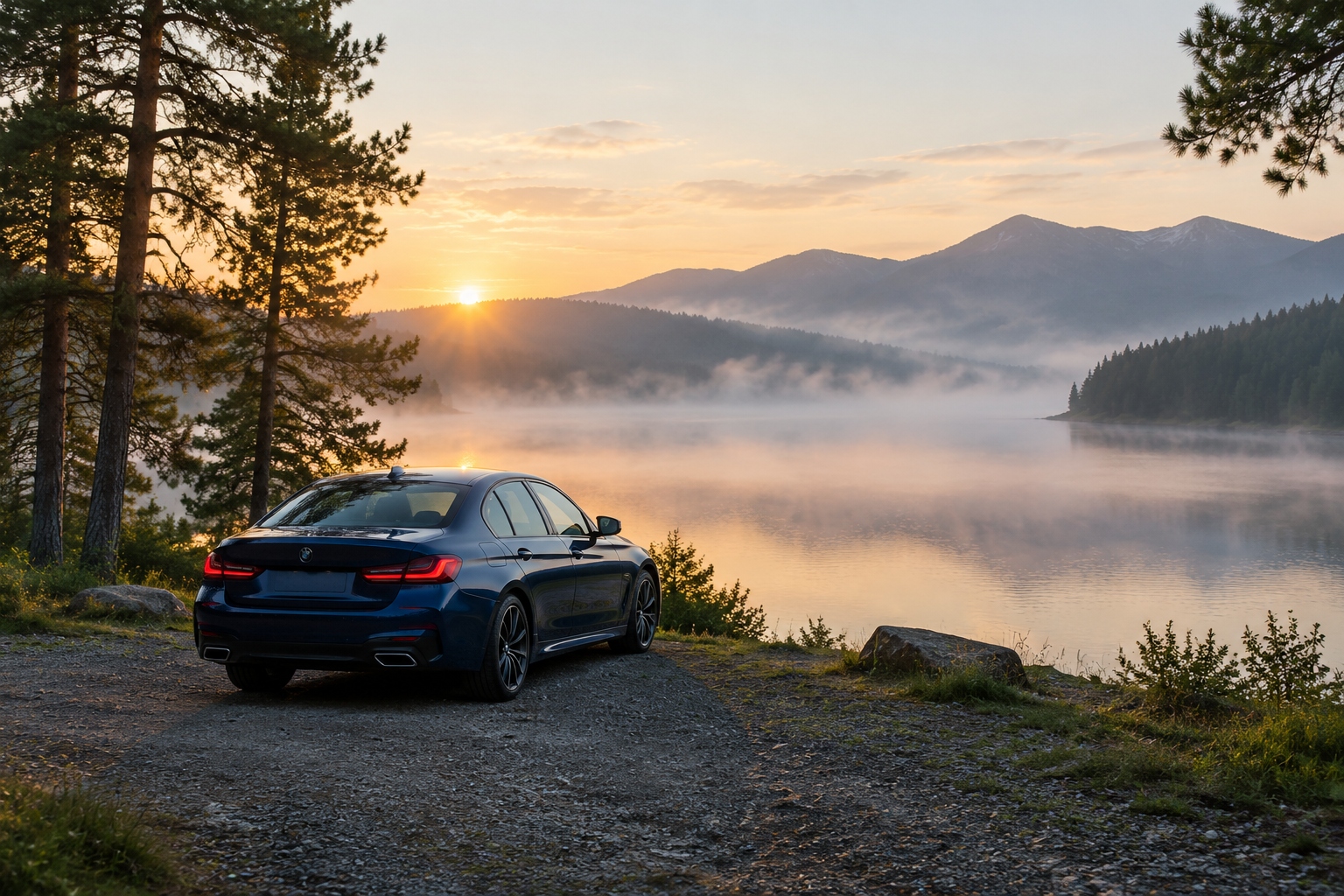
The 3 Series is the default premium-sedan answer for a reason: recognition is global, the long-wheelbase China cars offer real rear space, and supply depth means you can be picky about condition and colour. Buy the generation that matches your market's age limits — G28 where budgets allow, F35 where value rules — and let the cooling system and service file decide between individual cars.

Latin America Used Car Import Guide 2026: Mexico, Brazil, Chile & Peru
Latin America Market Desk
Central Asia Used Car Import Guide 2026: Kazakhstan, Uzbekistan, Kyrgyzstan & Tajikistan
Central Asia Market Desk
China Used Car Export Policy 2026: Complete Guide
Policy Analysis Team