Audi Q7 Buyer Guide: 2024 and 2021 55 TFSI S line Compared
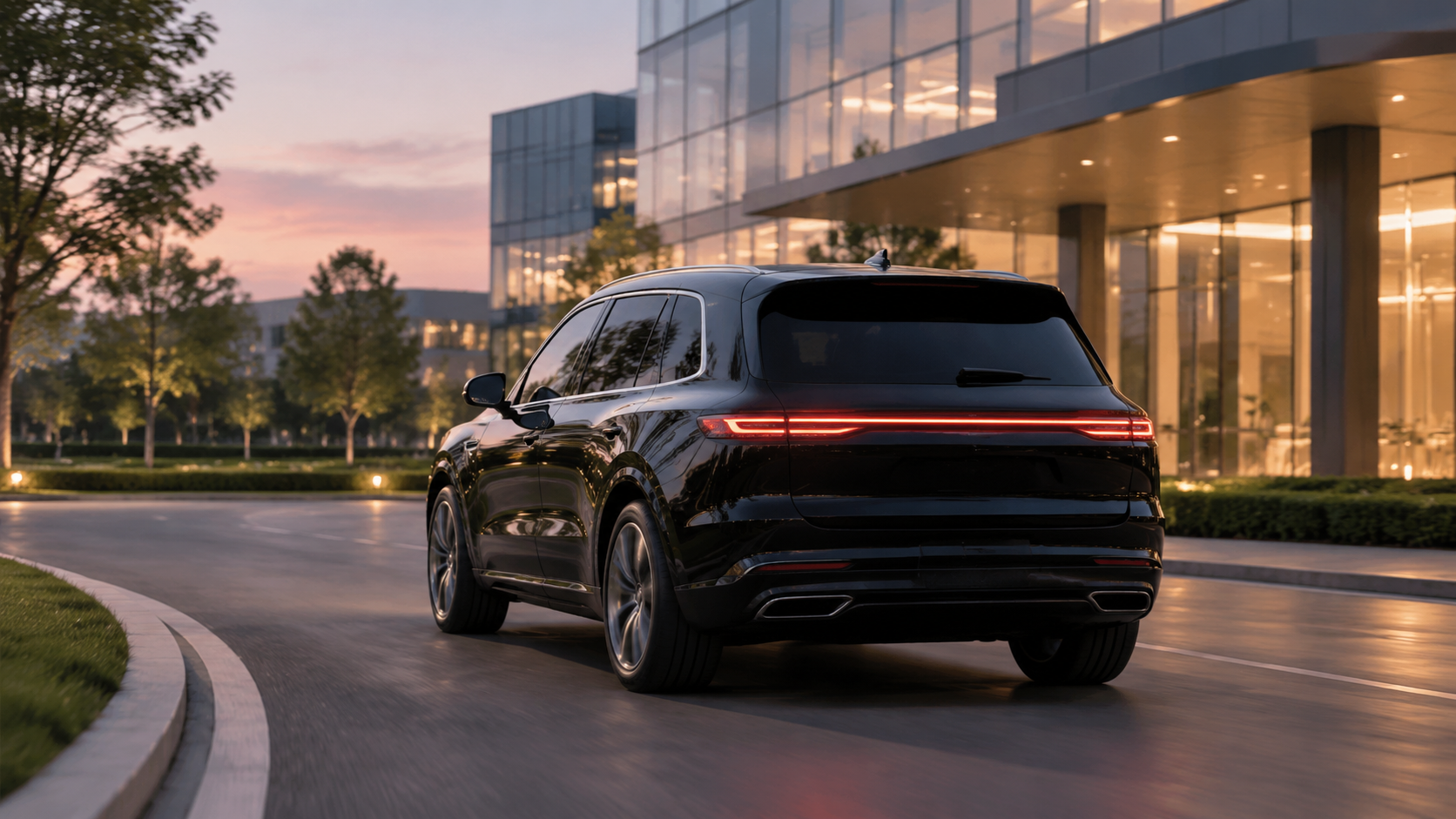
Two black Audi Q7 55 TFSI S line cars, one from the 2024 model year and one from 2021, show the difference between the two most recent facelifts. This guide explains what the 55 TFSI badge means, what changed visually and inside, the checks that matter on a used Q7, and how to choose between the newer shape and the older one for export use.
Why the Q7 Still Matters
The Audi Q7 is one of the few large premium SUVs that combines three-row practicality, a genuinely comfortable ride and a drivetrain built for long distances. For export markets it has another advantage: it is widely recognised, parts are comparatively easy to source, and a left-hand-drive example fits most destination markets without conversion.
The two cars in our current selection are both 55 TFSI S line models in black, but they sit on either side of Audi's most recent facelift. The 2024 model year car has the newer octagonal grille and revised lighting. The 2021 model year car is the previous facelift, with the vertical-slat grille that defined the Q7 for several years.
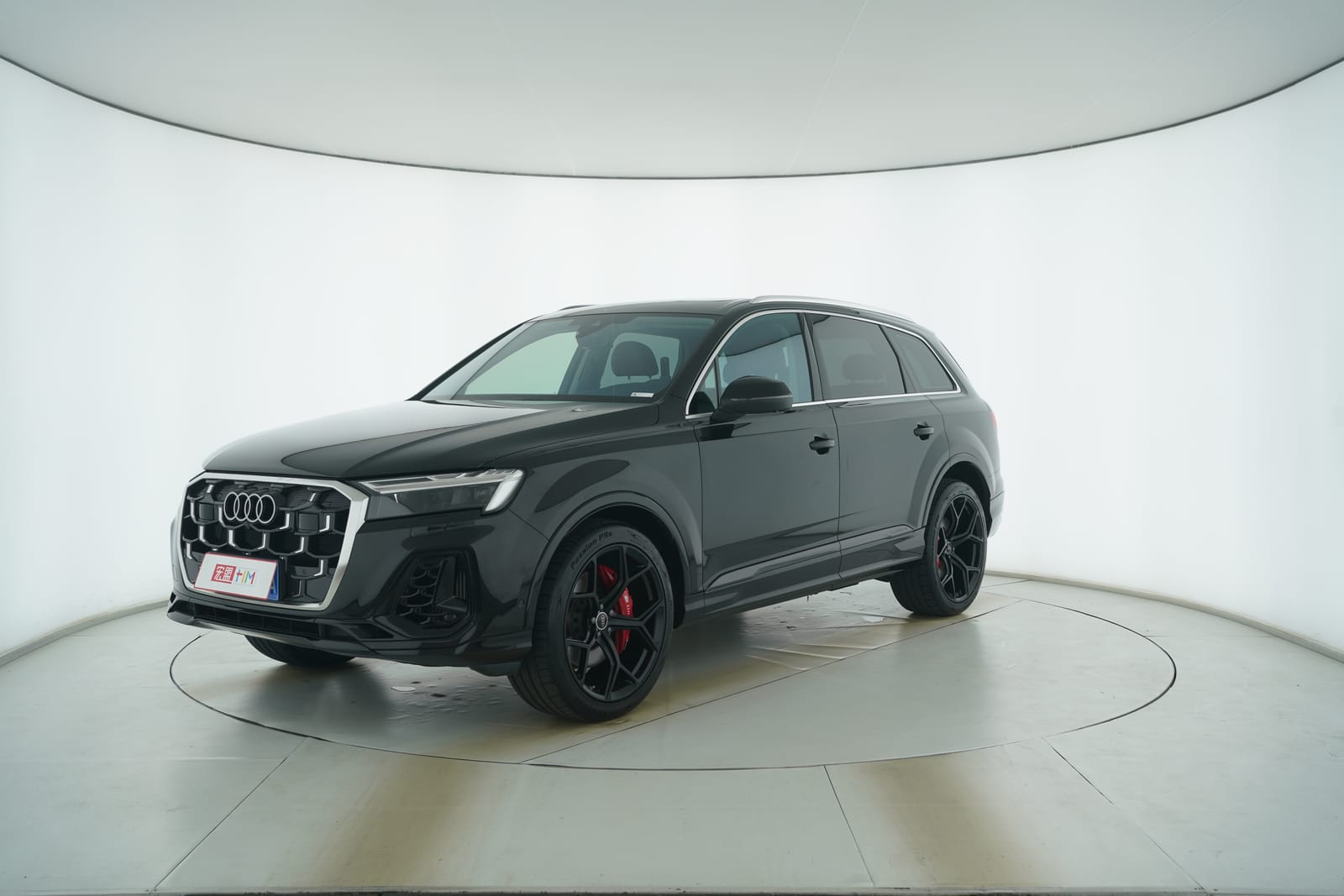
*2024 Q7 55 TFSI S line, black.*
What 55 TFSI S line Means
In Audi's naming, 55 TFSI denotes the higher-output petrol version. In the Q7 it means a 3.0-litre turbocharged V6, an eight-speed automatic gearbox and quattro all-wheel drive. The S line package adds a more aggressive exterior, larger wheels and sport-oriented interior details.
This is the version most buyers want. The V6 gives the Q7 the relaxed, low-rev torque that suits a large SUV, especially when loaded or towing. It is not a fuel-saving choice, and it is not the simplest engine to maintain, but it is the one that makes the Q7 feel like the car it was designed to be.
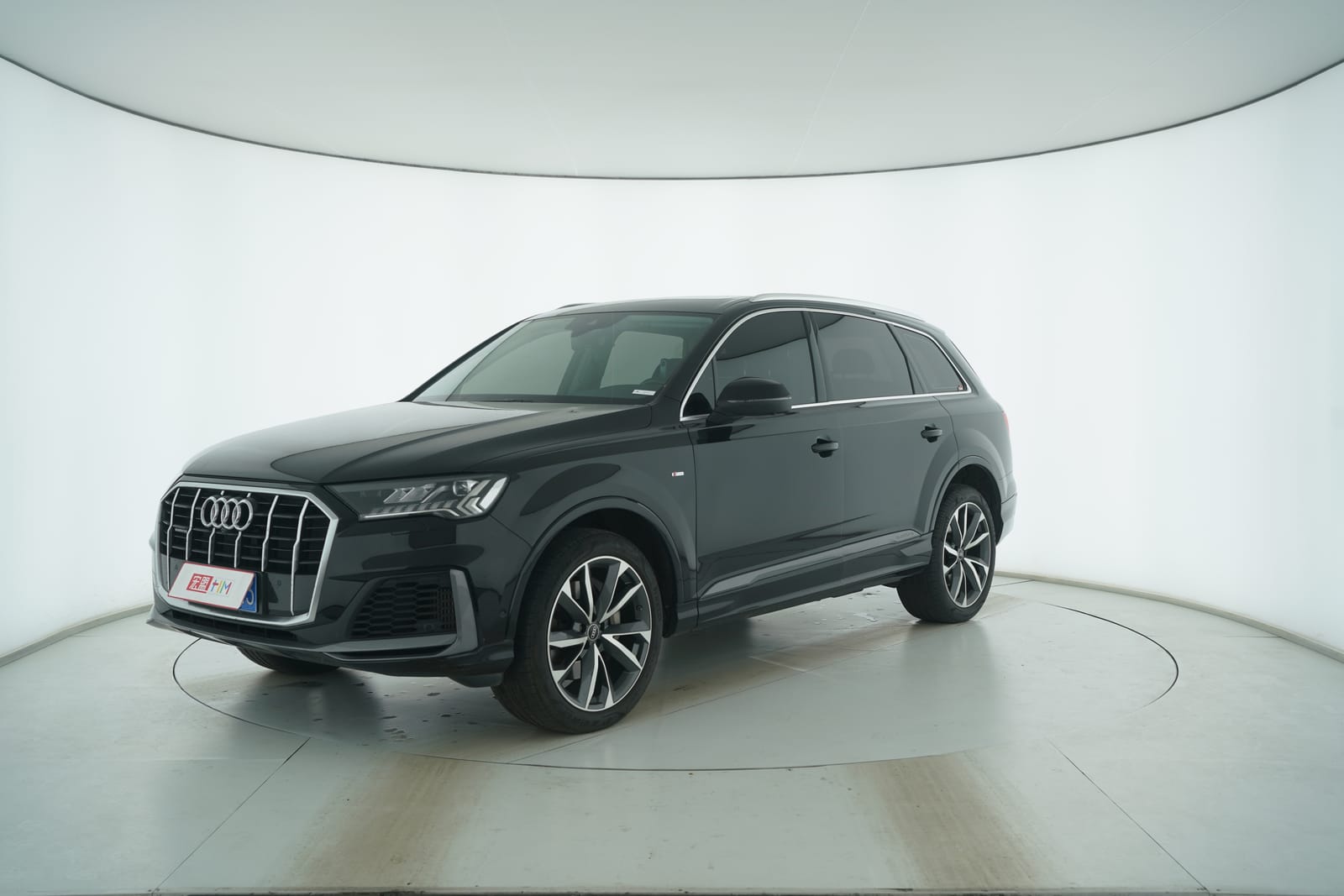
*2021 Q7 55 TFSI S line, black.*
What Changed Between the Two Facelifts
The 2024 update is easy to spot from the front. The grille becomes octagonal, the headlights are slimmer and the bumper has larger intakes. At the rear, the changes are subtler: revised tail lamp graphics and a cleaner lower bumper. Inside, the newer car has the latest infotainment interface and more digital instrumentation.
The 2021 car is not old-fashioned. It already has the dual-screen centre stack, digital instruments and a high-quality cabin. The difference is mainly in the details: graphics, connectivity, driver-assistance features and the shape of the exterior.
For many buyers, the decision comes down to price and condition rather than generation. The older car gives most of the experience for less money; the newer car gives the latest look and the remaining factory warranty in some markets.
Living With a Q7
The Q7 is at its best on long journeys. The cabin is quiet, the ride is composed and the V6 barely works at motorway speeds. The air suspension, when fitted, can raise or lower the body and improves comfort further, but it is also the system most likely to need attention on an older car.
Check the seating configuration carefully. Some Q7s are five-seat cars, others have a third row. If you need seven seats, confirm the actual car rather than assuming from the model name.
What to Inspect on a Used Q7
- Air suspension. Leave the car overnight and check that it sits level. Listen for the compressor running repeatedly. A sagging corner or a compressor that runs constantly points to a leak.
- Cooling system. On the V6, check for coolant residue around the thermostat housing, water pump and hoses. Ask whether the thermostat and water pump have been replaced.
- Gearbox and quattro. A cold start and a slow, stop-start test drive should be smooth. Clunks, delayed engagement or vibration under load need diagnosis.
- Brakes and tyres. This is a heavy car. Check disc thickness and pad life, and look for uneven wear that suggests alignment or suspension problems.
- Electrical systems. Test every screen, camera, seat function, sunroof and tailgate. Water ingress through sunroof drains can damage modules.
- Body and paint. Measure panel thickness and check the tailgate, bumpers and wheel arches for accident repair.
- Undercarriage. Look for scrapes on the subframe and exhaust, and for corrosion on suspension components.
- Service history. Regular oil changes matter, but so do the intervals for the gearbox, transfer case and differential fluids.
Emissions and Market Rules
Do not rely on a model-level emissions statement. Requirements differ by destination country and by the individual vehicle's certificate. For each car, check the emissions certificate that travels with it, and confirm the destination market's age, left-hand-drive, homologation and import rules before committing.
Which One to Choose
Choose the 2024 model year car if you want the newest exterior, the latest cabin technology and the longest remaining warranty in your market.
Choose the 2021 model year car if you want the same V6, quattro drivetrain and seven-seat capability in a better-value package, and if a thorough inspection confirms the suspension and cooling system are sound.
In either case, the condition of the air suspension and the cooling system matters more than the model year. A well-maintained older Q7 is a better purchase than a neglected newer one.
Frequently Asked Questions
Is the 55 TFSI a V6? Yes. In the Q7, 55 TFSI denotes the 3.0-litre turbocharged V6.
Does every Q7 have seven seats? No. Some examples are five-seat cars. Check the individual vehicle.
Is the Q7 suitable for export? It is left-hand drive and widely supported, but every destination market has its own age, emissions and homologation rules. Check those before buying.
What is the biggest risk on a used Q7? Air suspension and cooling-system faults are the most common expensive items. A pre-purchase inspection by a specialist is worth the cost.
Next Step
Review the photos, compare the two facelifts and ask us for a cold-start video and an underbody walkaround of the specific car you are considering. We will show the suspension height, the coolant area and the condition of the wheels and tyres.

Latin America Used Car Import Guide 2026: Mexico, Brazil, Chile & Peru
Latin America Market Desk
Central Asia Used Car Import Guide 2026: Kazakhstan, Uzbekistan, Kyrgyzstan & Tajikistan
Central Asia Market Desk

China Used Car Export Policy 2026: Complete Guide
Policy Analysis Team