Audi A4L: The Long-Wheelbase Sedan That Taught China the Premium Compact Class
The A4L is the car that made the long-wheelbase premium sedan a mass-market habit in China. What separates the B8 from the B9, why the 2020 facelift deleted the rotary knob, what the 40 and 45 badges mean, and the five checks to run before committing to a used one.
The Car That Normalized the Long-Wheelbase Sedan
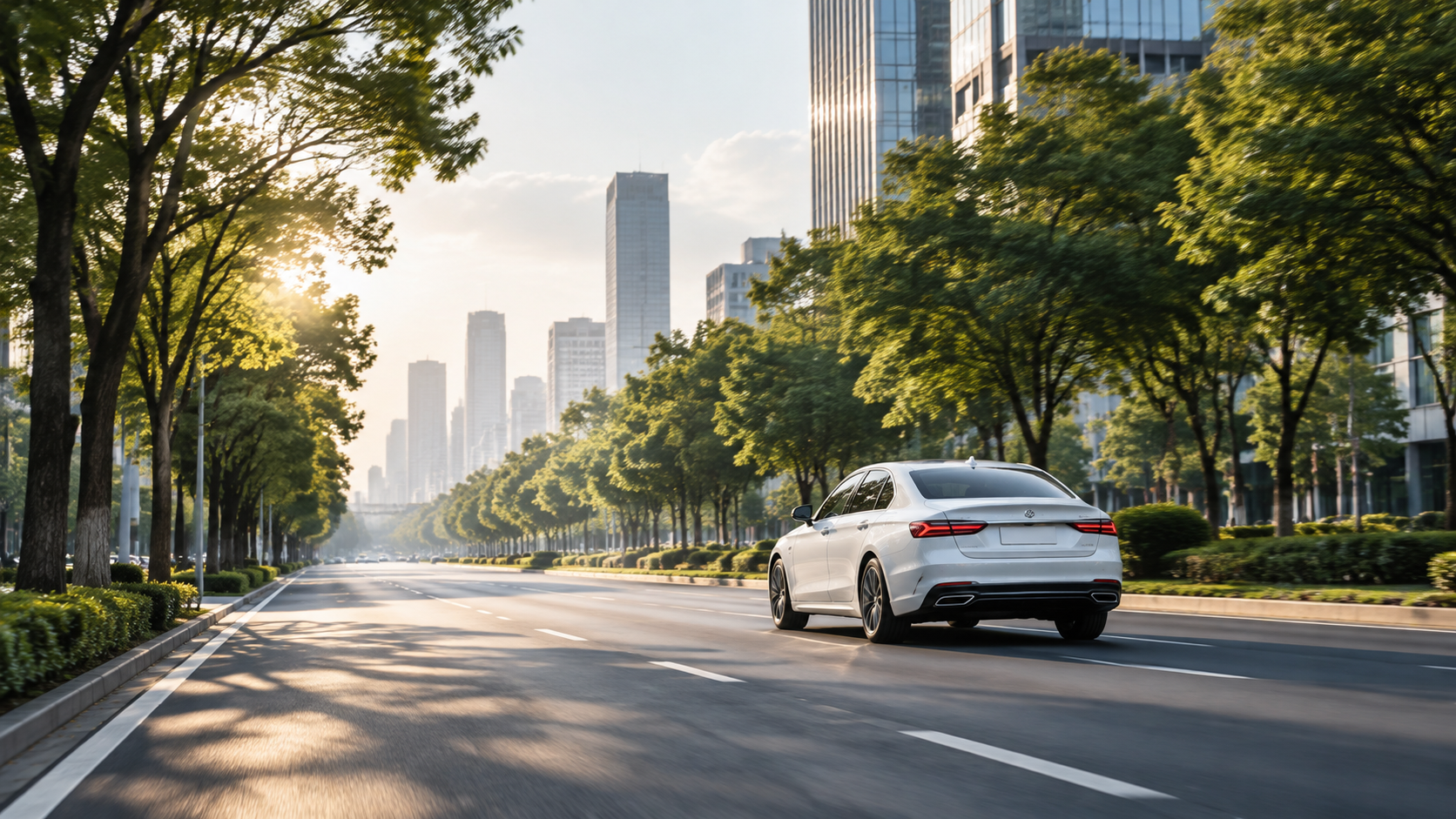
When the A4L arrived with the B8 generation in 2009, a stretched compact premium sedan was a strange idea. It is not strange anymore: every rival followed, and the A4L became the default first premium car for a generation of Chinese buyers. Built in Changchun by FAW-Volkswagen Audi, it added close to 90 mm of wheelbase over the standard A4 and gave almost all of it to the rear seat — the same formula the bigger A6L had already proven.
For an export buyer, that history translates into a deep and constantly refreshed pool of used cars, in the specification private buyers actually chose.
B8 or B9: Two Generations, Two Eras
- B8 A4L (2009–2016). The car that started it. Most front-wheel-drive versions use a CVT, which is smooth but has its own aging pattern. Interiors are the analog era of Audi: rotary MMI, physical buttons, and a cabin that wears well if it was looked after.
- B9 A4L (2016 onwards). A genuinely different car: lighter, much sharper inside, and every version shifts through a 7-speed dual-clutch gearbox. The virtual cockpit digital cluster appears on higher trims.
- The 2020 facelift. Revised front and rear styling, and one change buyers notice daily: the MMI went from rotary controller to touchscreen, and the knob on the console disappeared.
The two cars photographed for this article are both B9: one before the facelift, one after. In Chinese stock this generation is the volume seller by a wide margin.

What the Badges Mean on the B9
On the B9 sold in China, the badges describe power bands, not engines. 40 TFSI is the 2.0-litre turbo four in its standard tune and the volume seller; 45 TFSI is the stronger tune of the same engine and the one that comes with quattro all-wheel drive. A 35 TFSI badge also exists on some model years, sitting below the 40.
Two cautions. First, on the older B8 the same-looking numbers meant different hardware, so never translate a badge into an engine without reading the full trim name of the specific car. Second, trim grades — 进取 (entry), 时尚 (Fashion), 豪华 (Luxury) — move the equipment list more than the badge does, and the styling lines 致雅型 (Elegant) and 动感型 (Sport) change bumpers, wheels and interior decor without changing the mechanicals.
The Infotainment Caveat
China-spec B9 cars run localized MMI software: navigation, voice control and online services are tied to Chinese servers and accounts. Outside China, some connected functions will be limited or silent, and some menus may remain Chinese-only even after the interface language is switched. It changes nothing about how the car drives, but verify the specific unit before promising a buyer anything about connectivity.
Five Things to Check Before Committing
- The emission certificate of the individual car. China V and China VI cars overlap heavily in 2018–2020 stock, and the emission field in a listing does not always match the paperwork. Only the certificate that ships with the car tells the truth, and your destination market decides which class it accepts.
- Which gearbox this car has, and how it behaves. B9 cars are all dual-clutch: crawling and reversing should be smooth, without judder or hesitation. On a B8, front-drive versions are usually CVT — listen for drone, shudder or flare under gentle acceleration. Two different boxes, two different aging stories.
- A cold start and an oil-level check. The B9's generation of the 2.0-litre turbo is far better on oil than the B8's, but any turbo engine that smokes on start-up or reads low has a story to tell. On any year, look for coolant traces around the water pump and thermostat housing.
- Every screen and switch. MMI screen, digital cluster where fitted, seat adjustment, parking sensors and cameras, sunroof through its full travel. Everything works on inspection day or goes on the repair list, in writing.
- Suspension and steering wear. These cars often lived on urban speed bumps and tight parking ramps. On the test drive, knocks over broken surfaces and a steering wheel that sits off-centre both point to a hard life.
Two Cars From Our Own Stock
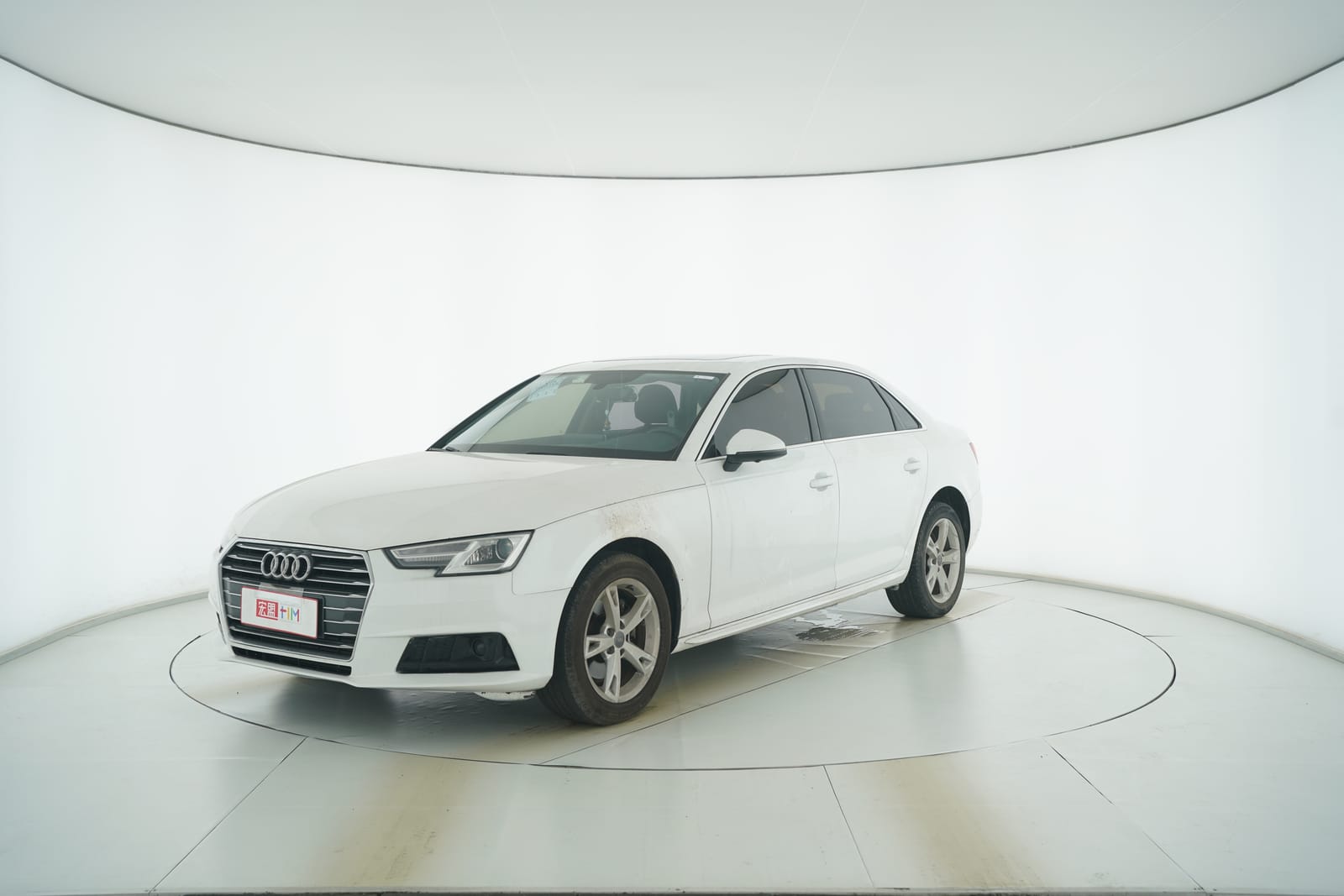
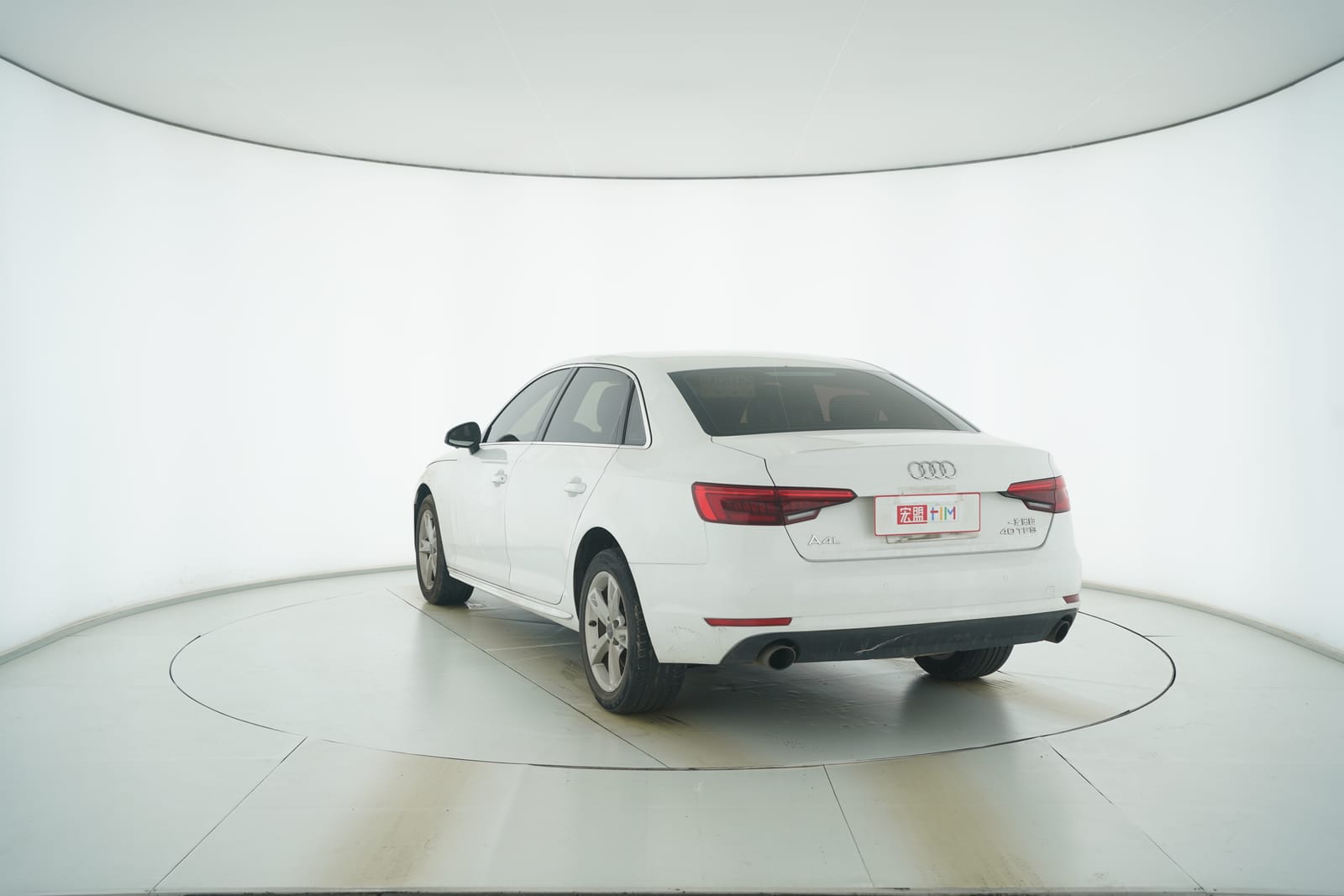
The white 2017 car is the pre-facelift B9 in its entry 进取 grade: the rotary MMI, the original front end, the shape that made the model's reputation.
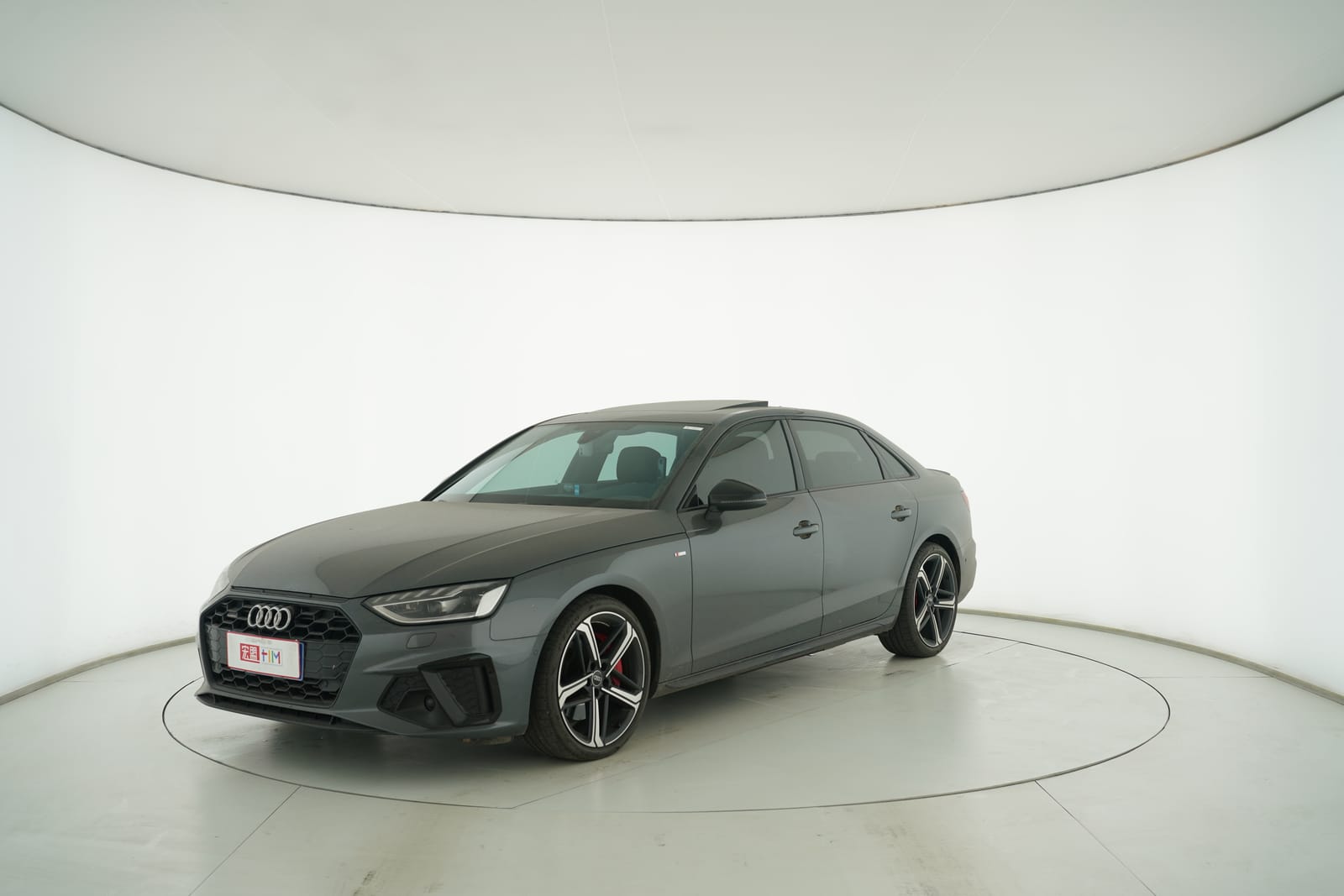
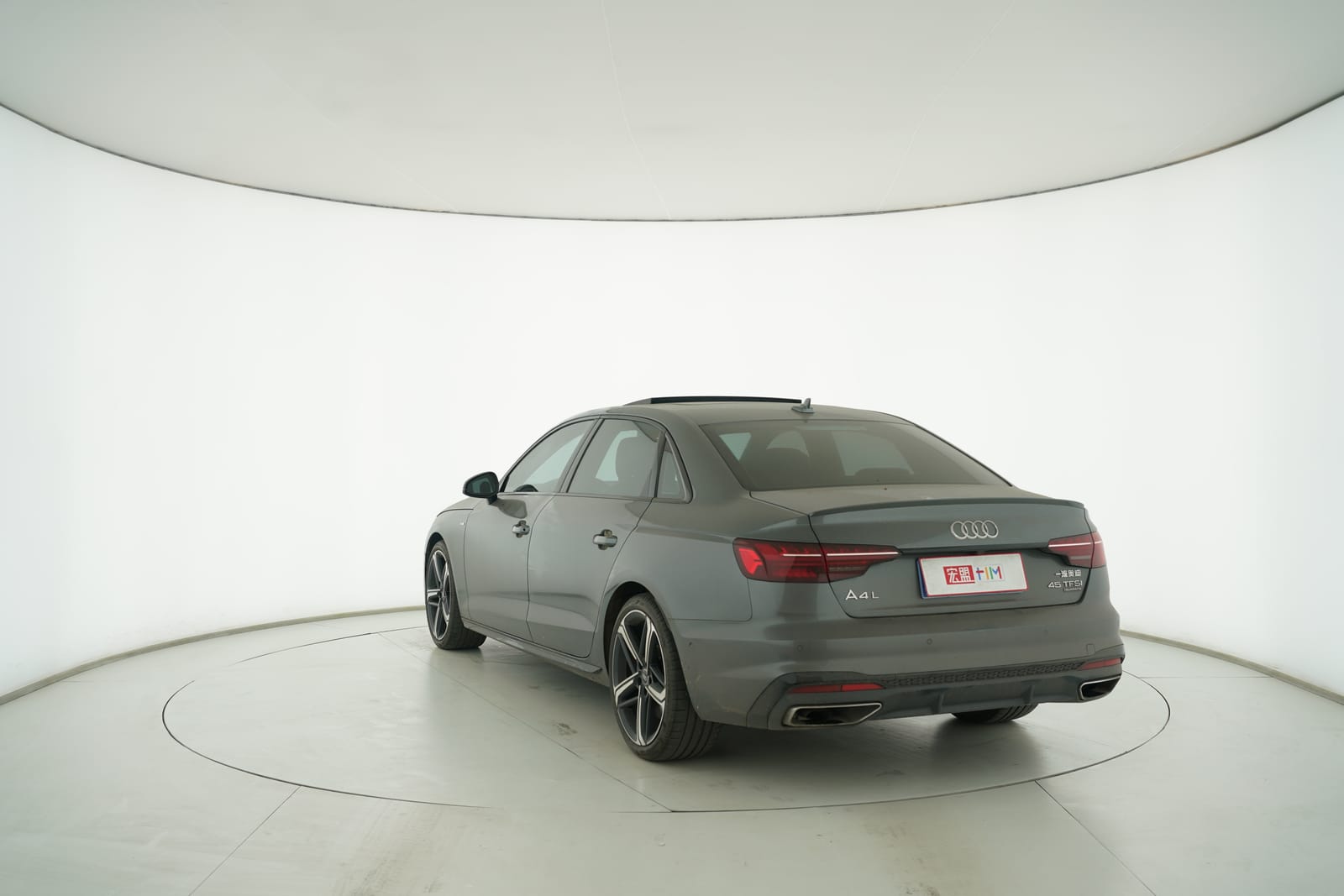
The grey 2022 car shows the facelift formula: sharper bumpers, touchscreen MMI, and the Sport styling line. Parked side by side, the two front ends teach the difference in one glance.
Who This Car Suits
- First-time premium buyers in your market. The A4L's recipe — restrained badge, long rear doors, easy size — reads the same in most countries as it does in China.
- Markets with established Audi service. Parts and diagnostic knowledge for both generations are widely available, which keeps long-term ownership predictable.
- Drivers who split time between city and highway. Compact enough to park, long-legged enough to cruise; that balance is the whole point of the car.
Think twice if:
- Your market is strict on emission class. The answer comes from each car's certificate, not from the badge, the model year, or the listing field.
- The buyer expects fully working connected navigation and voice control abroad. Confirm what the specific unit can do before it becomes a dispute.
- The buyer wants the newest infotainment at the oldest money. Pre-facelift B9 cars predate the touchscreen MMI; choose the year with eyes open rather than promising an upgrade path that does not exist.


Latin America Used Car Import Guide 2026: Mexico, Brazil, Chile & Peru
Latin America Market Desk
Central Asia Used Car Import Guide 2026: Kazakhstan, Uzbekistan, Kyrgyzstan & Tajikistan
Central Asia Market Desk

China Used Car Export Policy 2026: Complete Guide
Policy Analysis Team